

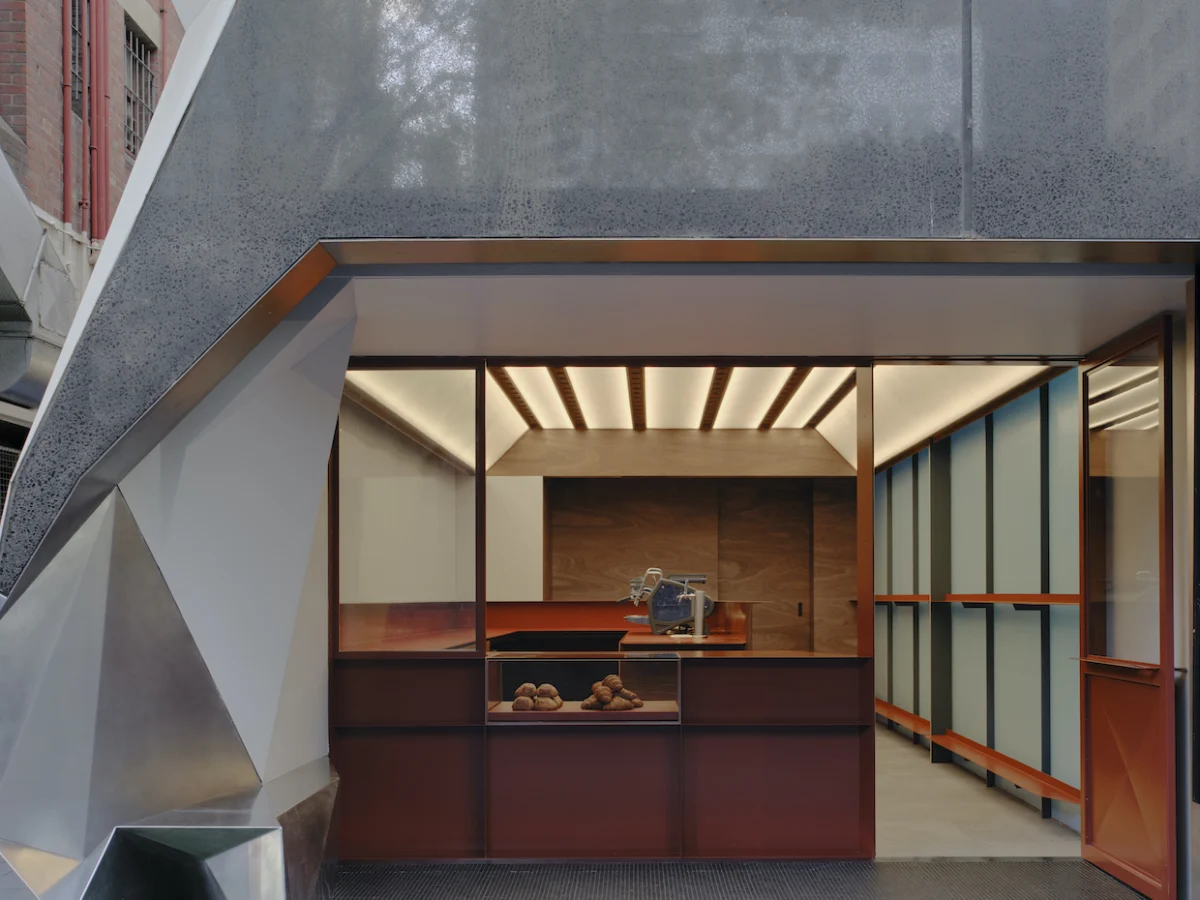
Melbourne, Australia – In a city renowned for its vibrant laneway culture and sophisticated coffee scene, Palace Coffee has emerged as a compelling example of architectural ingenuity and thoughtful urban integration. Located at 22 Ridgway Place, nestled within the Monaco House development, this compact 43-square-meter standing-room-only espresso bar, designed by Kerry Kounnapis Architecture Practice (KKAP), is not merely a place to grab a quick caffeine fix; it’s a carefully sculpted experience that connects patrons to the bustling urban environment. Completed in 2024, Palace Coffee has quickly become a focal point, drawing inspiration from both historical Melbourne institutions and contemporary design principles to create a unique and inviting space.
Architectural Design: A Dialogue Between Interior and Exterior
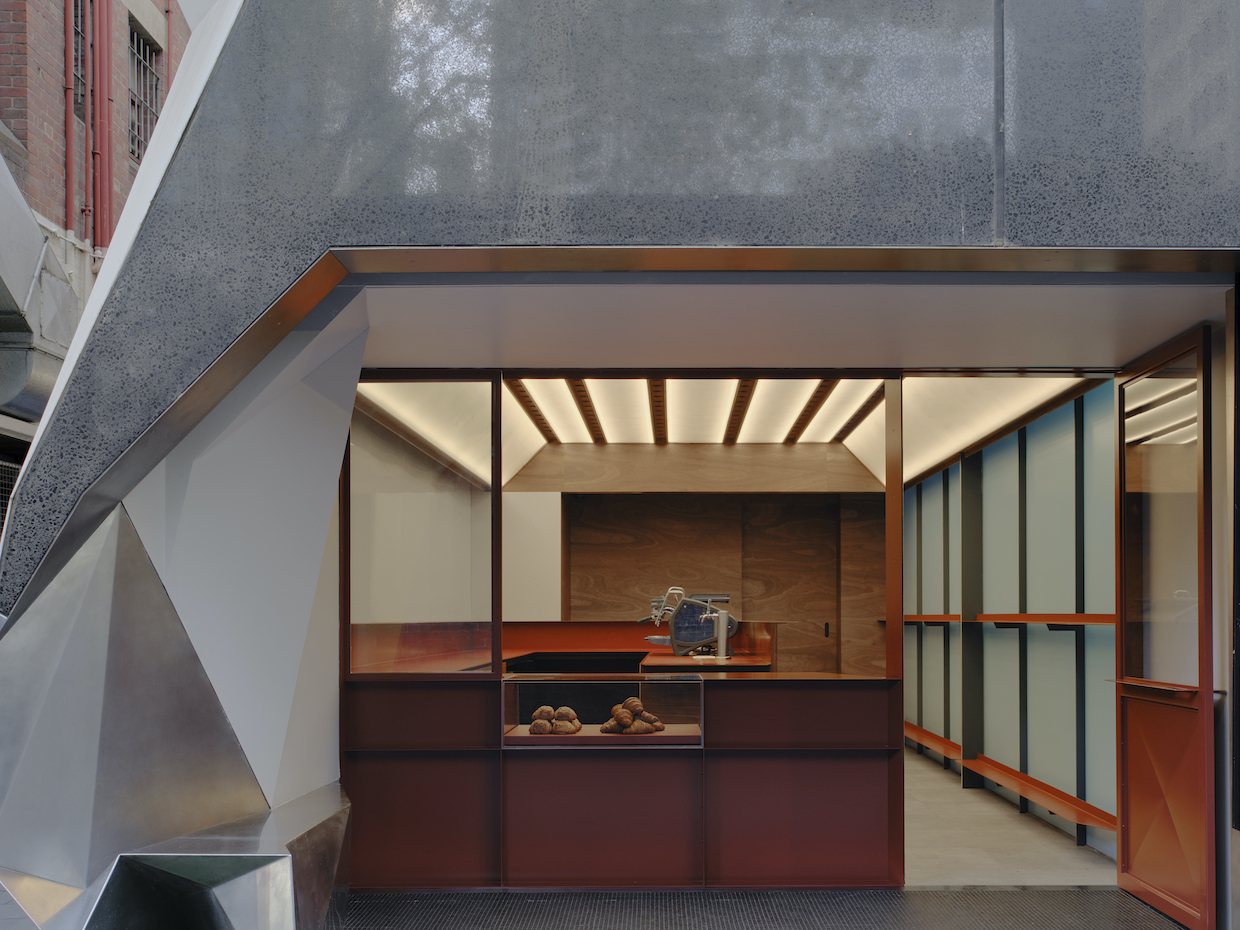
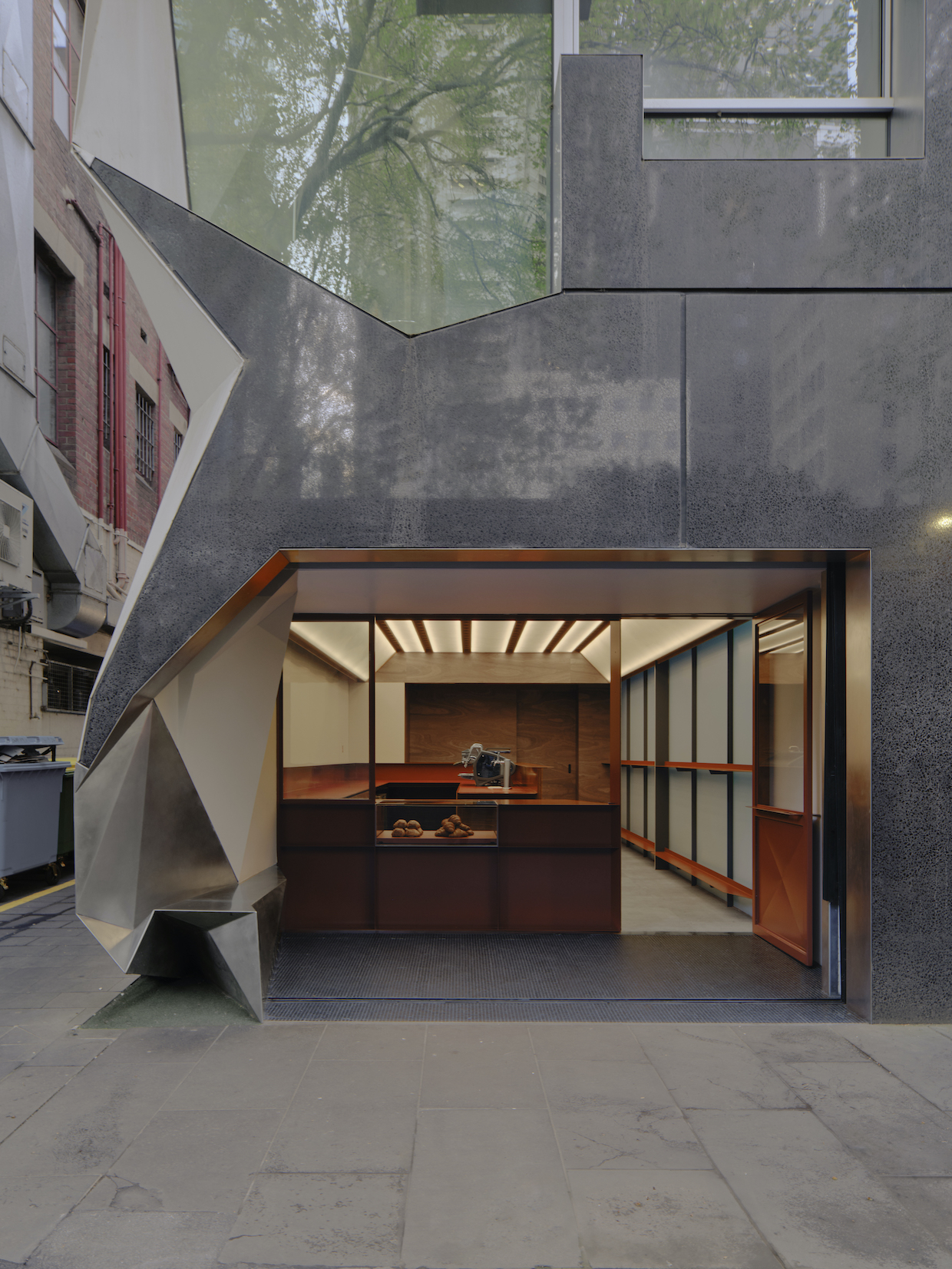
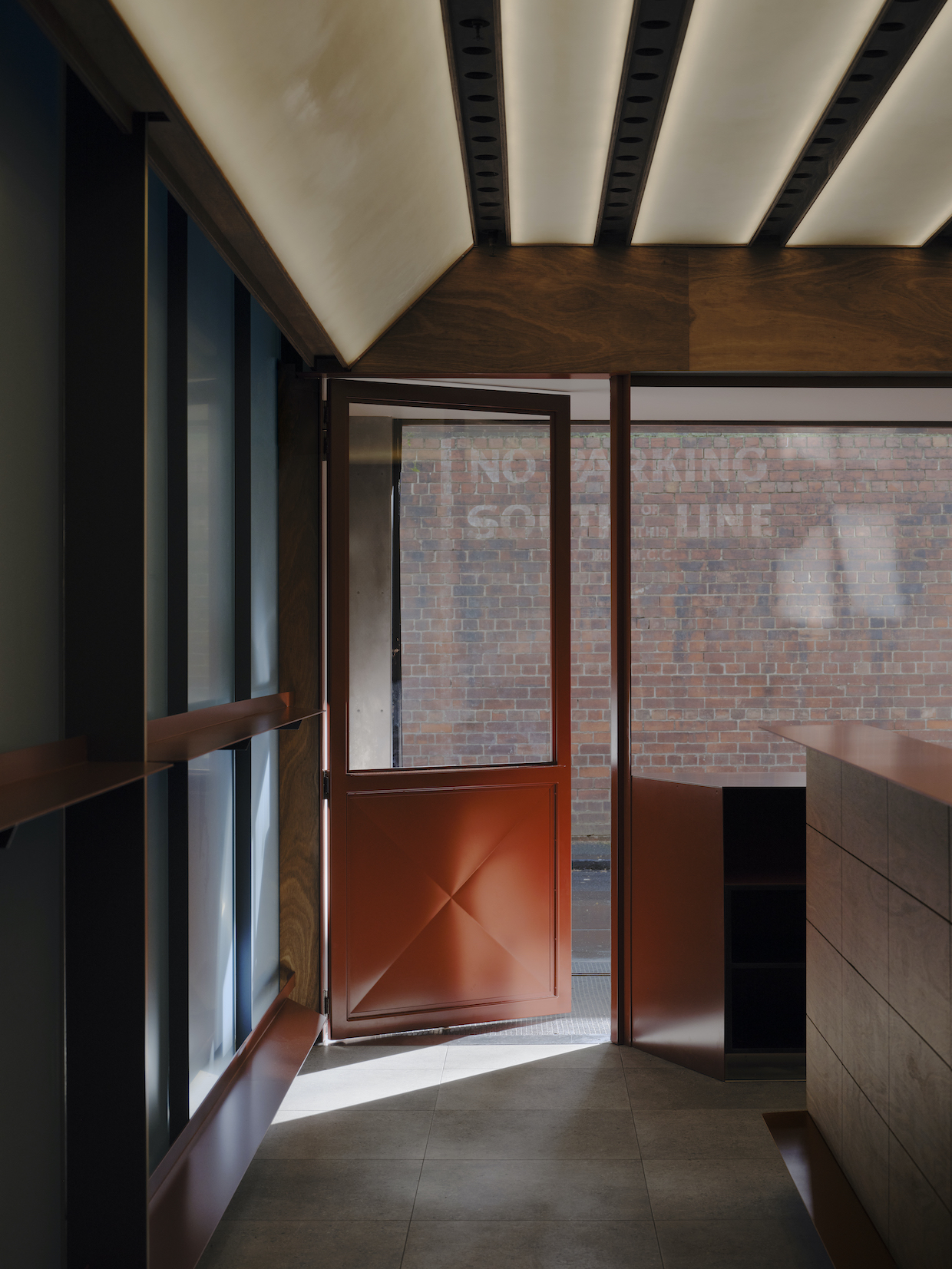
The core of Palace Coffee’s design lies in its recessed frontage, a deliberate architectural choice that creates a dynamic interplay between the interior coffee bar and the narrow Melbourne laneway. This strategic recessing provides a crucial buffer zone, allowing customers to gather, converse, and wait for their orders without impeding pedestrian flow. This transitional space is more than just an anteroom; it acts as a vital threshold, blurring the lines between the public realm of the laneway and the intimate experience of the coffee shop. As KKAP notes, "The people waiting become the symbol for passers-by, to capture their curiosity and lure them towards Palace Coffee." This design approach transforms a potentially overlooked urban sliver into an active extension of the coffee shop’s presence, infusing the laneway with a palpable sense of human energy.
The concept of "bleeding spaces," as described by KKAP, is central to Palace Coffee’s ethos. The design intentionally blurs the boundaries between interior and exterior, creating a more fluid and engaging experience for both customers and the surrounding urban fabric. This approach fosters a sense of community and connection, even within the confines of a small footprint. The standing-room-only model, reminiscent of Milanese espresso bars, encourages quick, efficient service and fosters a sense of shared experience among patrons.
A Sculptural Heart: The Serving Window
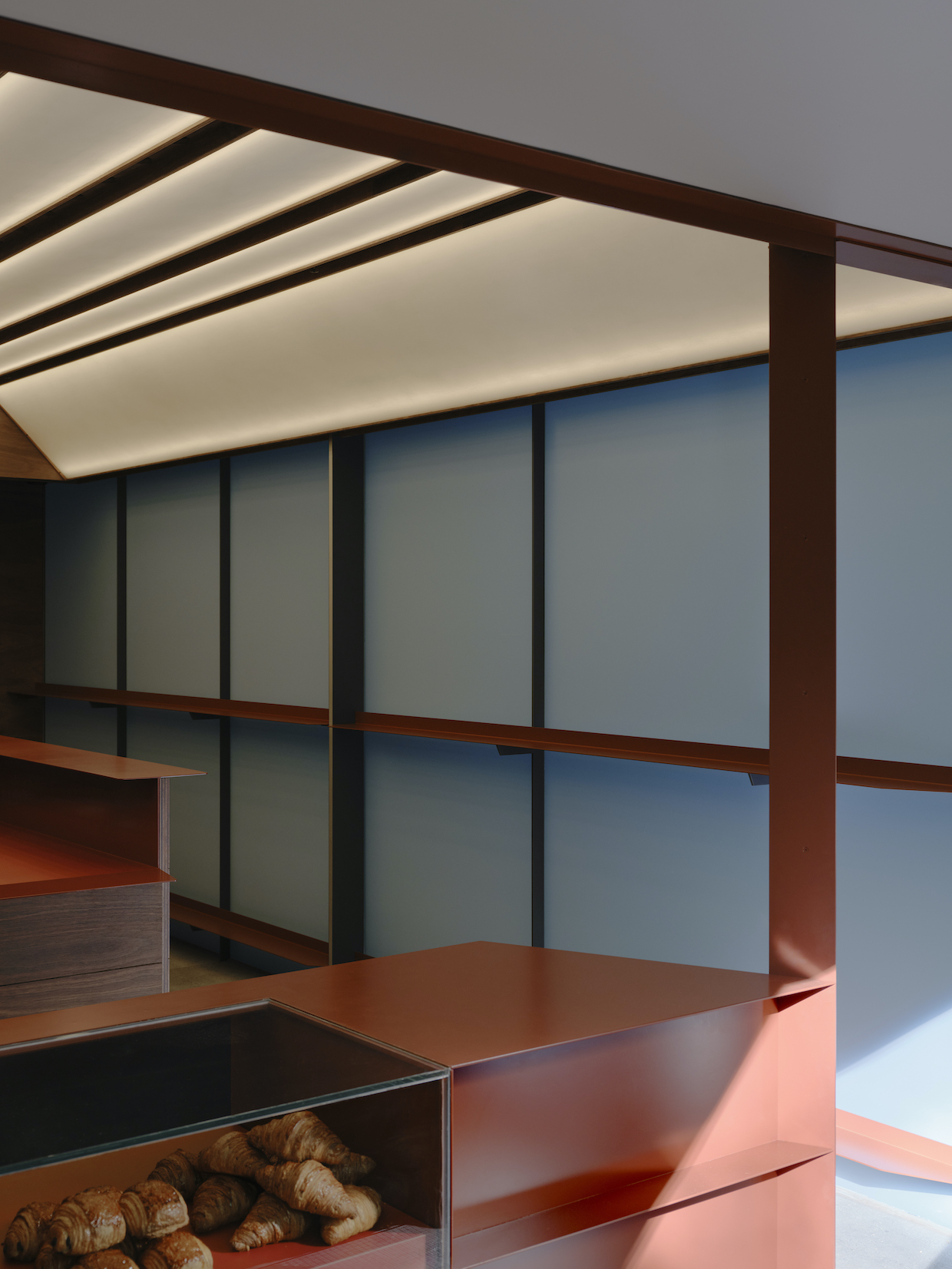
Central to the design is a striking, sculptural serving window that functions as both the primary facade and an active work surface. This element is not merely utilitarian; it is an artistic statement that anchors the entire space. A vitrine, elegantly integrated into the design, showcases an array of pastries, serving as a natural point of transaction for takeaway orders. Complementing this, sliding glass doors create a wide opening, facilitating the crucial first interaction between the baristas and their customers. This design choice emphasizes a welcoming and accessible approach to service, ensuring that the human element remains at the forefront.
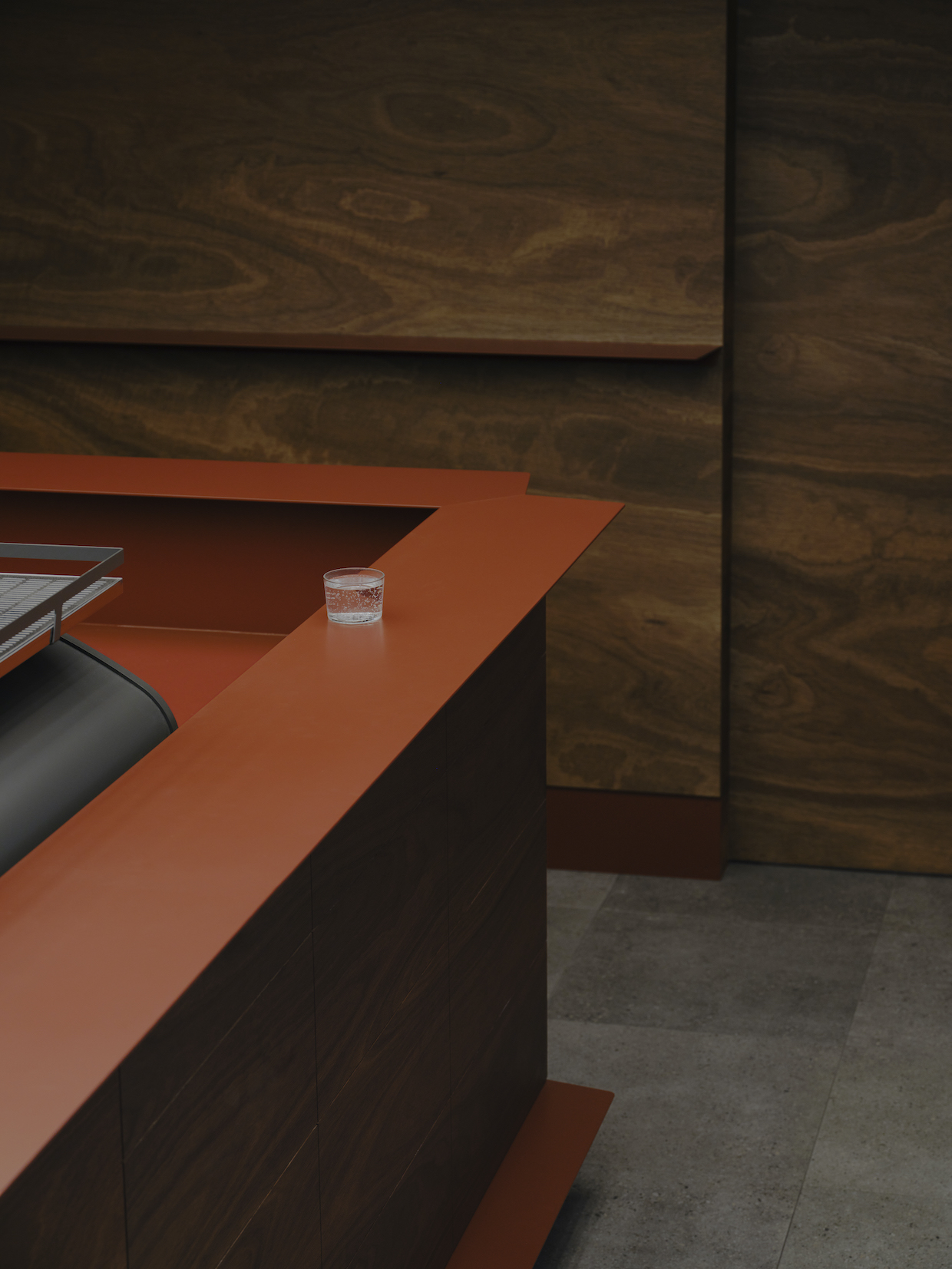
KKAP describes the serving bench as being "detailed like a Donald Judd sculpture," highlighting its seamless integration between the interior and exterior. This continuous form is a recurring design device employed by the practice, emphasizing a unified and cohesive aesthetic. For customers enjoying their coffee within the shop, higher benches are provided, accompanied by a glass of sparkling water, a thoughtful touch that enhances the standing-service experience. This arrangement allows patrons to comfortably lean against the counter, with a footrest offering a familiar posture for those accustomed to the quick-service model of European espresso bars.
Material Palette: Echoes of Melbourne’s Heritage
The material selection for Palace Coffee is deeply rooted in Melbourne’s rich architectural and cultural history. The use of oxide-red steel and spotted gum timber directly references iconic local establishments, most notably Pellegrini’s Espresso Bar, a beloved Melbourne institution that has served the community for decades. This deliberate nod to heritage grounds Palace Coffee within the city’s established coffee narrative, creating a sense of familiarity and continuity.
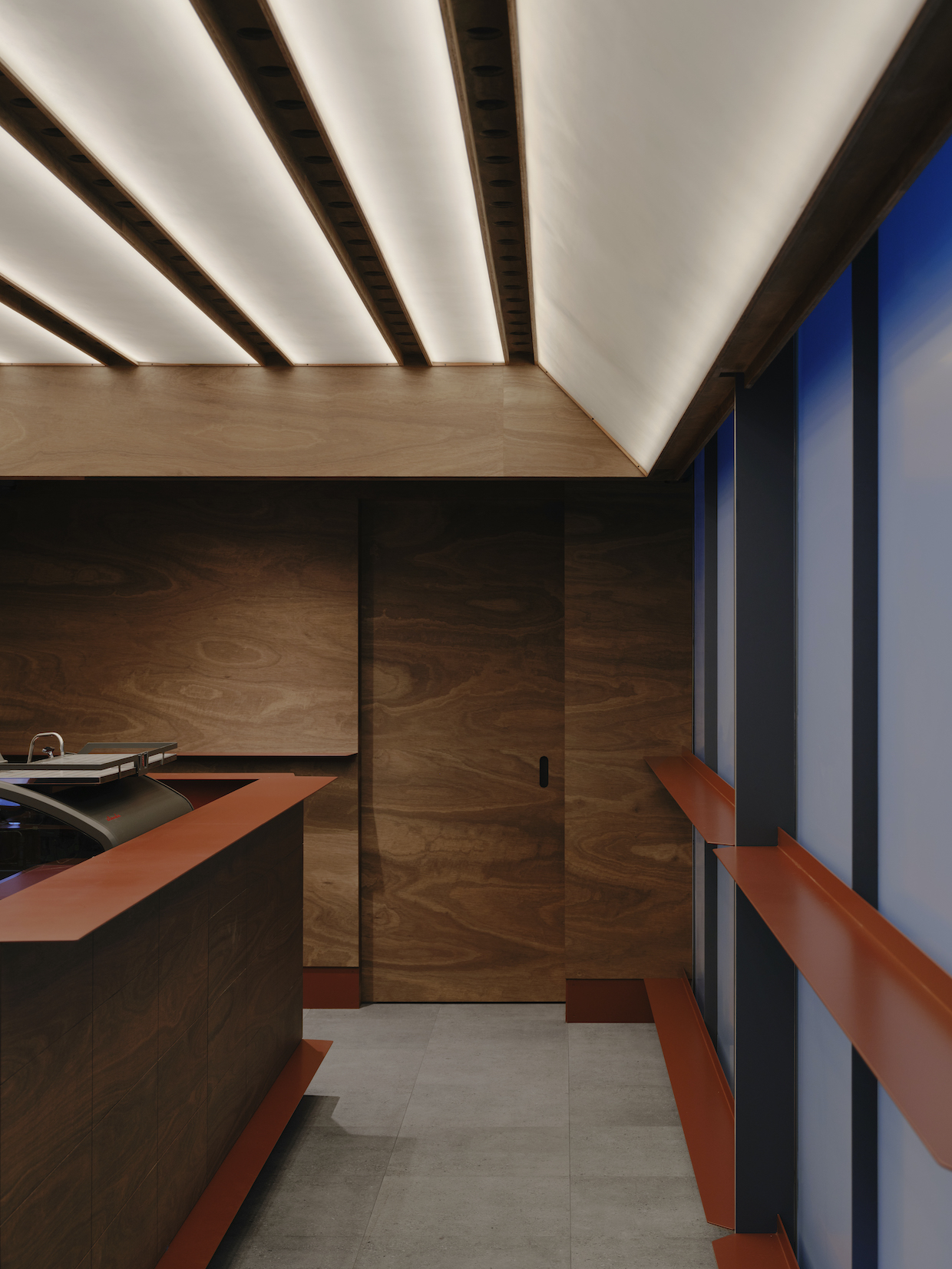
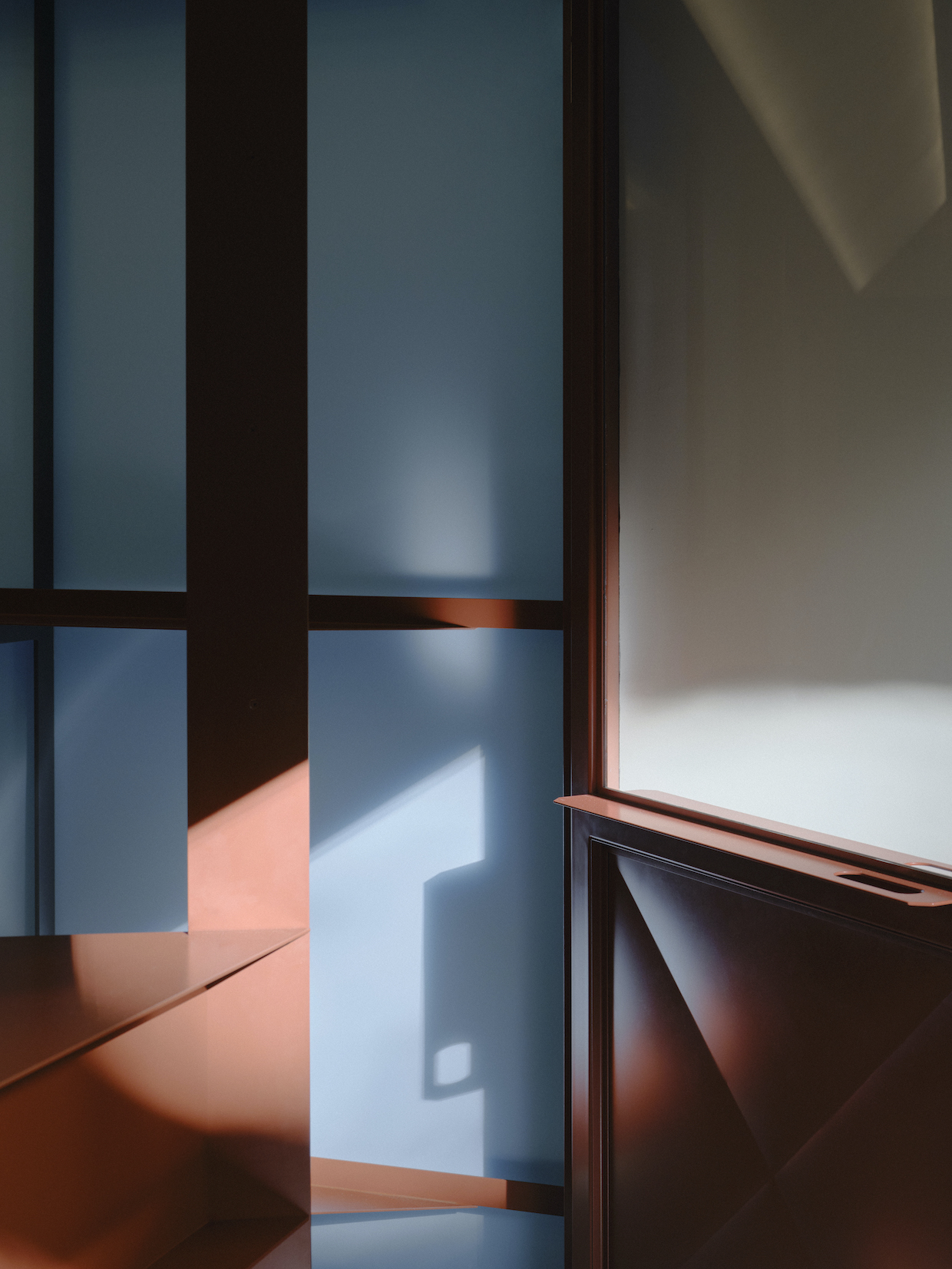
Further enriching the material palette, a backlit fiberglass ceiling evokes the atmospheric quality of the arcade within the historic Nicholas Building, another architectural landmark in Melbourne. This element not only provides ambient warmth but also serves a functional purpose, cleverly concealing building services. Complementing these references, a distinctive powder-blue wall was developed specifically for Palace, adding a unique and contemporary touch that distinguishes it from its historical inspirations. KKAP explains that the "built forms are intended to be familiar, as a direct reference to an unfolded box, so familiar in the everyday operations of this space." This concept of familiarity, applied to the very structure of the coffee shop, reinforces its accessibility and welcoming nature.
Operational Philosophy: Community and Connection
Palace Coffee operates exclusively on weekdays, catering to the daily rhythms of Melbourne’s professional workforce. The shop’s design is intrinsically linked to its operational philosophy, which prioritizes efficient, friendly service and the cultivation of genuine customer relationships. The founders of Palace Coffee previously established Burnside Coffee in Fitzroy, bringing with them a commitment to fostering a strong sense of community. This ethos is directly supported by the architectural design, which facilitates repeat interactions and encourages personal connections.
"The person taking your order is likely to remember your name and order when you next return," KKAP states, "and if they forget the second time, it’s guaranteed they’ll memorise it by the third visit. That’s hospitality and that’s what builds community. The architecture has been designed to support and facilitate that." This philosophy underscores the idea that a coffee shop is more than just a place to consume beverages; it is a social hub where relationships are forged and communities are strengthened. The compact yet functional design of Palace Coffee is a testament to this belief, proving that even the smallest spaces can have a significant impact on the social fabric of a city.
The Numbers Behind the Success
While the aesthetics and philosophy of Palace Coffee are compelling, its operational success is also quantifiable. The 43-square-meter space, despite its limited area, is known to serve hundreds of cups of coffee daily. This impressive output highlights the efficiency of the design and the dedication of the staff. The standing-room-only model, combined with expertly trained baristas and high-quality equipment, such as La Marzocco machines, ensures rapid service without compromising on the quality of the final product. This efficiency is crucial for a business catering to the fast-paced needs of urban professionals. The project’s completion in 2024 signifies a recent addition to Melbourne’s dynamic coffee landscape, and its initial reception suggests a promising future.
Broader Implications for Urban Design
The success of Palace Coffee offers valuable insights into the potential of small-footprint commercial spaces within dense urban environments. In an era of rising commercial rents and increasing demand for efficient use of urban space, designs like KKAP’s for Palace Coffee demonstrate that innovation and thoughtful execution can overcome spatial limitations. The project serves as a case study for how architecture can actively contribute to the vibrancy and social cohesion of city laneways, transforming them from mere thoroughfares into dynamic community spaces.
The integration of historical references with contemporary design principles also speaks to a growing trend in urban development: the creation of spaces that are both modern and deeply connected to their local context. By drawing inspiration from Melbourne’s established coffee culture and architectural heritage, Palace Coffee not only offers a high-quality coffee experience but also pays homage to the city’s unique identity.
Furthermore, the emphasis on human interaction and community building, as facilitated by the architecture, highlights the enduring importance of personal connection in an increasingly digital world. Palace Coffee’s success suggests that well-designed spaces that prioritize genuine hospitality can foster a loyal customer base and create a lasting positive impact on the urban environment. The collaboration between KKAP, Solstice Lighting, Tribeca Design, Severn Smith Steel, and photographers like Tom Ross underscores the multidisciplinary effort required to bring such a vision to fruition, showcasing a collective commitment to excellence in design and execution.
The story of Palace Coffee is a compelling narrative of how architectural design can elevate a simple commercial enterprise into an integral part of a city’s cultural and social tapestry. It is a testament to the power of thoughtful design to create engaging, efficient, and community-focused spaces that resonate with the urban dwellers they serve.
