

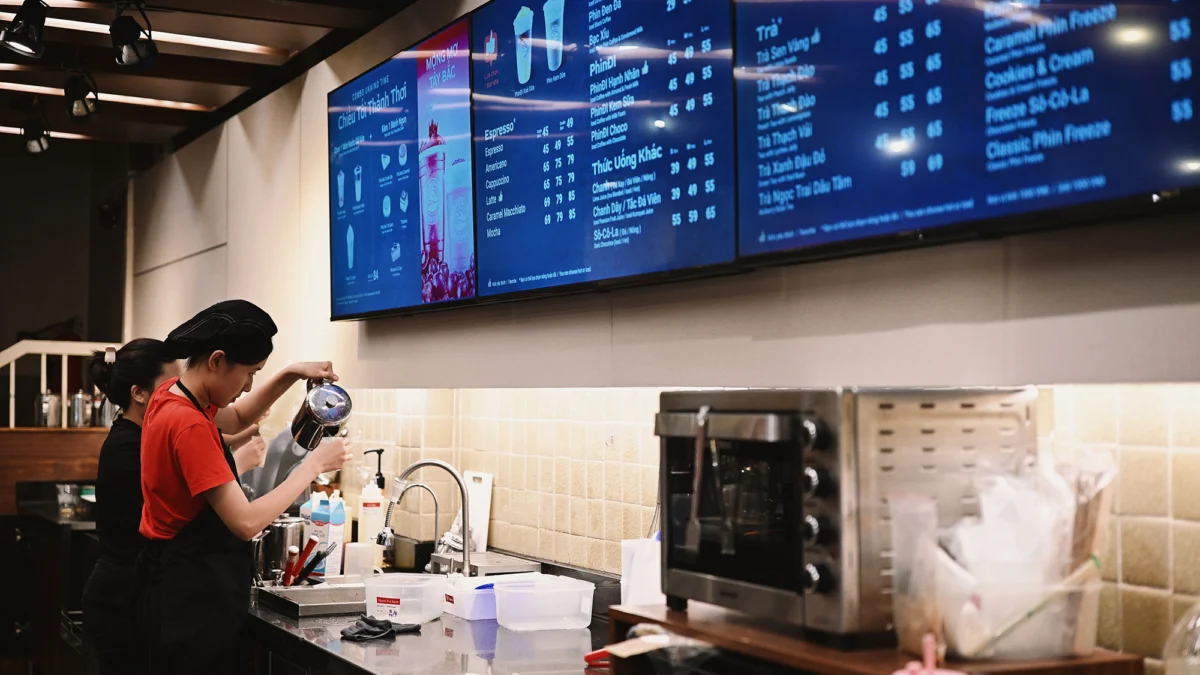
The year 2026 has presented a formidable economic landscape, marked by persistent uncertainty for consumers and businesses alike. This challenging environment has significantly impacted the quick-service restaurant (QSR) and fast-casual dining sectors, forcing operators to re-evaluate their strategies for customer engagement, operational efficiency, and profitability. At the forefront of these economic pressures is a notable surge in consumer prices. The Consumer Price Index (CPI) has registered an increase of over 4 percent year-over-year, the most substantial yearly jump since April 2023. This inflationary trend is particularly acute in the food service industry, with prices for food away from home climbing by a significant 3.5 percent. Such increases directly challenge consumer willingness to dine out and absorb higher costs, creating a ripple effect that exacerbates existing operational complexities for restaurants, including staffing challenges and strained margins.
In periods characterized by economic volatility and rapid change, franchises are in urgent need of technology solutions that not only alleviate but actively eliminate operational headaches rather than introduce new ones. These solutions must demonstrably deliver a return on investment, possess the capability to scale seamlessly with business growth, and crucially, enhance the customer experience to foster loyalty. Without these attributes, any technological investment risks becoming an unnecessary financial burden. Against this backdrop, digital signage has emerged as a strategic enterprise solution poised to address these pressing needs, offering a multifaceted approach to navigating the current economic climate.
The Evolution of Digital Signage: Beyond Static Menus
When the term "signage" is mentioned in discussions within the QSR and fast-casual sectors, it can still evoke images of outdated, malfunctioning menu boards or static, uninspired print advertisements. However, the landscape of digital signage has undergone a dramatic transformation, evolving far beyond these traditional perceptions. Modern digital signage is no longer a static display; it is a dynamic, visually engaging solution capable of serving a multitude of purposes designed to drive tangible business results.
From sophisticated drive-thru menu boards that adapt in real-time to captivating in-store displays, to intuitive self-service kiosks and essential back-of-house operational screens, these advanced tools empower franchises to effectively compete for customer attention and cultivate lasting loyalty. Their multifaceted nature allows for real-time engagement, creating a more immersive and responsive customer journey. Essentially, any opportunity to convey information, craft a memorable experience, or reimagine visual storytelling presents a critical role for contemporary digital signage.
Driving Foot Traffic and Enhancing Customer Engagement
One of the most significant hurdles for QSRs and fast-casual restaurants is the perpetual challenge of attracting customers and maintaining a steady flow of traffic, particularly in competitive drive-thru lanes. Digital signage offers a powerful mechanism to course-correct these challenges. Thanks to relentless technological advancements, digital signage now delivers exceptionally crisp and highly readable content, a crucial element for QSRs and fast-casual establishments aiming to capture customer attention in a visually saturated market.
The technological backbone of these displays often comprises purpose-built media players or integrated System-on-a-Chip (SoC) solutions. These sophisticated components unlock a comprehensive suite of visual, auditory, and operational capabilities. This technological prowess not only enables QSRs and fast-casual restaurants to differentiate themselves from competitors but also positions them more effectively within broader retail and commercial environments.
However, the utility of digital signage extends far beyond merely attracting patrons. These systems are engineered to engage customers throughout their entire journey, from initial consideration to post-purchase interaction. Modern digital signage platforms function as dynamic content engines, capable of delivering targeted messages that can influence order decisions, encourage sign-ups for loyalty programs, or promote the sharing of highly social experiences across various consumer channels. This continuous engagement fosters a deeper connection with the brand, translating into increased sales and repeat business.
Streamlining Operations with Seamless Digital Signage Management
The management of extensive digital signage networks does not inherently need to be a complex undertaking. Significant progress has been made in developing sophisticated remote device management solutions, empowering franchises to maintain their signage fleets with up-to-date content and robust security protocols, facilitating efficient content scheduling and playback.
Managing a large-scale signage fleet remotely offers a wealth of operational advantages. This includes the ability to group devices by specific locations, geographical regions, or functional roles, enabling the delivery of tailored content or timely updates to distinct segments of the network. Furthermore, remote rebooting and bulk reconfiguration of devices can yield substantial time and cost reductions. This ease of management extends to the partnerships these restaurants maintain; vendors can recommend and implement solutions that are intuitively deployed and managed from a centralized hub. This capability significantly minimizes downtime and ensures the sustained effectiveness of content, all without introducing additional operational complexities or burdens.
The strategic value of investing in digital signage extends well beyond the initial installation phase. Features such as robust remote management capabilities ensure that business owners can maximize the return on their signage investments and strategically align their displays with overarching business objectives. This proactive approach to management is crucial for long-term success.
The AI Revolution: Transforming Digital Signage Operations
The transformative potential of Artificial Intelligence (AI) is a subject of widespread discussion, with many predictions focusing on future applications. However, QSRs and fast-casual restaurants can harness AI-powered digital signage tools to drive tangible business progress right now.
Modern digital signage media players, whether standalone external units or integrated SoC solutions, are increasingly capable of running AI computations directly on the device – a concept known as "edge AI." Devices equipped with dedicated Neural Processing Units (NPUs) empower partners and integrators to deploy AI applications directly on the signage hardware. This on-device processing eliminates latency and performance bottlenecks, ensuring a smooth and responsive user experience. For restaurant operators, this translates into the ability to maintain reliable and secure digital signage networks that can readily scale and adapt as new AI functionalities become available.
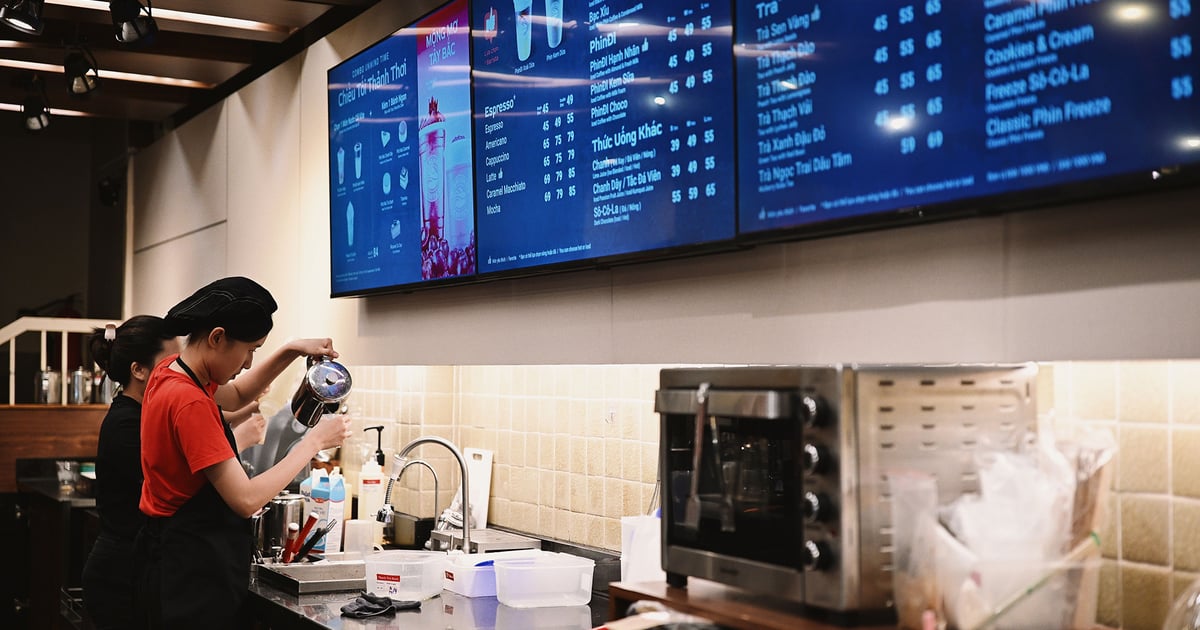
One prominent early use case for AI in this domain is AI gaze detection. This technology enables businesses to quantify customer engagement with digital signage by recognizing when patrons direct their attention to the displays. This capability unlocks a wealth of actionable data insights. For instance, in-store content and displays can identify moments when a customer is engaged, disengaged, or actively interacting with information presented. This data allows businesses to discern which content prompts positive, revenue-generating behaviors and, conversely, which promotional materials, branded assets, or order screens fail to capture or retain customer attention. Such granular insights are invaluable for refining marketing strategies and optimizing the customer experience.
Furthermore, AI is making the process of remote device management significantly more intuitive. Restaurants can now leverage AI to support diagnostics and system navigation, thereby enhancing the usability and functionality of management solutions. This proactive approach helps prevent content disruptions that could negatively impact operations and customer experiences. When considering the scalability of device management across hundreds or even thousands of displays within local, regional, or national franchise signage networks, the impact of AI on business outcomes and profit margins becomes profoundly significant.
Addressing Economic Pressures: A Strategic Imperative
The economic climate of 2026, characterized by rising inflation and fluctuating consumer spending, places immense pressure on QSR and fast-casual restaurants. In this high-stakes environment, businesses are actively seeking solutions that offer a demonstrable return on investment and contribute to operational stability. Digital signage, with its proven ability to enhance customer experience, streamline operations, and drive revenue, has become a necessary tool for many successful franchises aiming to thrive amidst these challenges.
Investing in digital signage is, in essence, an investment in the fundamental growth and resilience of the business. Franchises can strategically leverage this technology to effectively compete for foot traffic, capitalize on the burgeoning capabilities of AI, and gain precise control over the content and displays that are instrumental in generating revenue and reinforcing brand awareness. As the industry navigates the complexities of the current economic landscape, digital signage stands out as a critical enabler of adaptation, innovation, and sustained success.
Broader Economic Context and Historical Parallels
The current economic uncertainties of 2026 are not without historical precedent, though the specific confluence of factors may be unique. Following periods of significant global disruption, such as the COVID-19 pandemic, economies often experience inflationary pressures as supply chains recalibrate and demand patterns shift. The surge in the Consumer Price Index, particularly the elevated cost of food away from home, reflects a complex interplay of factors including labor shortages, rising ingredient costs due to geopolitical events or climate-related impacts on agriculture, and increased energy prices.
The period from late 2020 through 2022 also saw significant inflation, leading many businesses to implement price adjustments and explore cost-saving measures. The current situation in 2026 echoes some of these challenges, but with an added layer of consumer sensitivity to price increases, particularly in sectors where value and affordability are key differentiators. QSR and fast-casual dining, by their very nature, operate on thin margins and rely on high-volume transactions. Therefore, any increase in operational costs, coupled with a potential decrease in consumer spending on discretionary items like dining out, creates a precarious balance.
The article’s emphasis on technology as a solution is particularly relevant. Historically, economic downturns have often spurred innovation as businesses seek to optimize efficiency and find new ways to connect with customers. The adoption of digital technologies has been a consistent theme in business adaptation for decades, from the early days of e-commerce to the current era of AI integration. Digital signage represents a natural progression in this technological evolution for the food service industry, moving from basic informational tools to sophisticated engagement and operational management systems.
Expert Perspectives and Industry Reactions
While the original article focuses on the capabilities of digital signage, a broader journalistic approach would include perspectives from industry analysts or restaurant operators. For example, a hypothetical statement from a leading restaurant consultant might read: "Operators are under immense pressure to justify every dollar spent. They need solutions that don’t just look good, but that demonstrably move the needle on key performance indicators – customer acquisition, average check size, and operational efficiency. Digital signage, when implemented strategically and integrated with modern management tools, is proving to be one of the most versatile and impactful investments available today."
Similarly, a hypothetical quote from a QSR franchisee owner could offer a ground-level view: "We’ve seen our food costs and labor expenses climb significantly. We had to find ways to work smarter, not just harder. Implementing dynamic digital menus and using our screens to promote specials and loyalty programs has made a noticeable difference. We’re seeing better order accuracy, customers are more engaged, and our staff can focus on service rather than wrestling with outdated menu boards."
These inferred statements underscore the practical application and perceived value of digital signage in addressing the very real economic pressures that the article outlines. The technology is not merely an aesthetic upgrade; it is positioned as a strategic imperative for survival and growth in a challenging market. The ability to adapt content in real-time, respond to inventory changes, and promote high-margin items dynamically allows operators to optimize sales and mitigate the impact of rising costs.
The Future Outlook: Integration and Intelligence
The trajectory of digital signage in the QSR and fast-casual sectors points towards deeper integration and greater intelligence. As AI capabilities continue to mature, we can anticipate further advancements in areas such as personalized customer interactions, predictive ordering based on real-time traffic and weather data, and even automated inventory management triggered by display content. The seamless management and remote diagnostics facilitated by AI are crucial for ensuring the reliability of these systems, especially in multi-location franchise operations where consistency and uptime are paramount.
The long-term implication of this technological evolution is a more agile, responsive, and customer-centric restaurant industry. By embracing solutions like advanced digital signage, QSRs and fast-casual dining establishments can not only weather the current economic storms but also position themselves for sustained success in an increasingly competitive and dynamic marketplace. The investment in these technologies is, therefore, an investment in future-proofing the business against unforeseen challenges and capitalizing on emerging opportunities.
The challenges of 2026 demand innovative solutions, and digital signage, empowered by AI and robust management platforms, stands ready to meet those demands, offering a clear path towards improved customer engagement, operational efficiency, and ultimately, enhanced profitability.
