

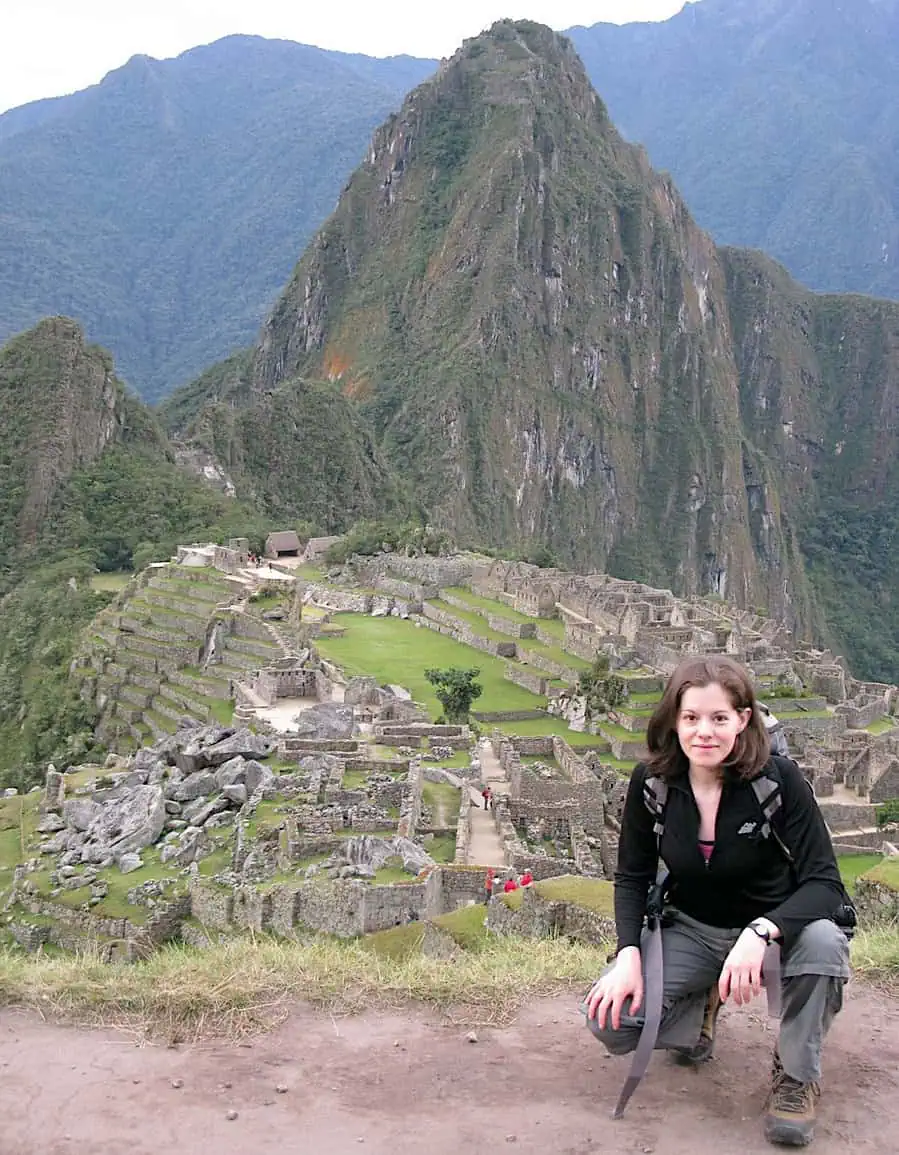
The convergence of chronic medical disability and the unexpected recovery of long-lost personal archives has highlighted the complex psychological landscape of "living grief." Jodi Ettenberg, a former corporate lawyer and founder of the travel platform Legal Nomads, recently documented a series of events spanning nearly two decades, involving a career-ending spinal cerebrospinal fluid (CSF) leak and the miraculous return of digital memories stolen during a burglary 14 years ago. Her experience provides a case study into the intersection of medical trauma, the evolution of digital storage, and the sociological challenges faced by those living with invisible disabilities.
The Precipitating Events: A Chronology of Trauma and Transformation
The trajectory of Ettenberg’s life changed significantly in 2017, but the roots of her physical vulnerability trace back to a childhood incident in the 1980s. While playing on a park structure in Montreal, Ettenberg was intentionally stepped on by another child, causing a ten-foot fall onto cement. The resulting injuries—a fractured rib and spinal bruising—created a lifelong susceptibility to back pain. Despite these issues, Ettenberg pursued a high-intensity career in law before transitioning into world travel and food journalism in 2008.
Ettenberg’s professional life was defined by physical endurance, including a tradition of climbing mountains to celebrate her birthdays. However, this period of mobility was punctuated by two significant criminal acts in Brooklyn, New York. In 2010, while Ettenberg was meeting friends, her residence was burgled. The thief transitioned her laptop and several external hard drives into her own backpack, effectively removing the only copies of her photography from the first two years of her global travels. This loss included records of her law school graduation and early explorations in Southeast Asia and South America.
The second turning point occurred in August 2017. During a medical procedure—a lumbar puncture intended to investigate other symptoms—Ettenberg sustained a spinal CSF leak. This condition, characterized by a hole in the dura mater surrounding the spinal cord, allows fluid to escape, resulting in a loss of intracranial pressure. Simultaneously, as she underwent the procedure, her temporary residence in Brooklyn was burgled again, resulting in the loss of her replacement hardware.
Understanding Spinal CSF Leaks and Chronic Disability
A spinal CSF leak is a debilitating medical condition that often requires patients to remain in a horizontal position to mitigate excruciating "orthostatic" headaches, nausea, and neurological dysfunction. According to the Spinal CSF Leak Foundation, the condition is frequently misdiagnosed as migraine or tension headache, leading to delays in treatment. For Ettenberg, the leak proved "unfixable" due to underlying genetic factors, likely related to connective tissue disorders such as Ehlers-Danlos Syndrome (EDS), which can make the dura more prone to tearing and less responsive to standard "blood patch" repairs.
Data from the National Organization for Rare Disorders (NORD) suggests that patients with chronic CSF leaks face significant lifestyle alterations. For Ettenberg, this meant the end of her mountain-climbing traditions and a transition to a life largely spent in a recumbent position. This shift from a "global nomad" to a person with restricted mobility serves as the foundation for her analysis of living grief.

The Psychological Framework of Living Grief and Ambiguous Loss
Ettenberg’s writings distinguish between "bereavement grief"—the sorrow following a death—and "living grief," which accompanies the ongoing loss of function and identity in chronic illness. She references the work of Pauline Boss, a researcher who in 1999 pioneered the concept of "ambiguous loss." Boss defined this as a loss that remains unclear because the object of grief is simultaneously present and absent. In the context of chronic illness, the patient grieves the version of themselves that could walk, work, and plan for the future, even as they remain physically present.
The sociological implications of living grief are profound. Ettenberg notes that society lacks the "tapestry of rituals, language, and social permissions" for chronic illness that it provides for death. This often leads to "othering" or the isolation of the patient. Furthermore, she highlights a phenomenon where observers may blame the patient for their lack of recovery, a sentiment often phrased as a directive to "fight harder." Medical sociologists refer to this as the "warrior narrative," which, while intended to be empowering, can stigmatize those whose conditions do not respond to conventional treatment.
The Serendipitous Recovery of Digital Archives
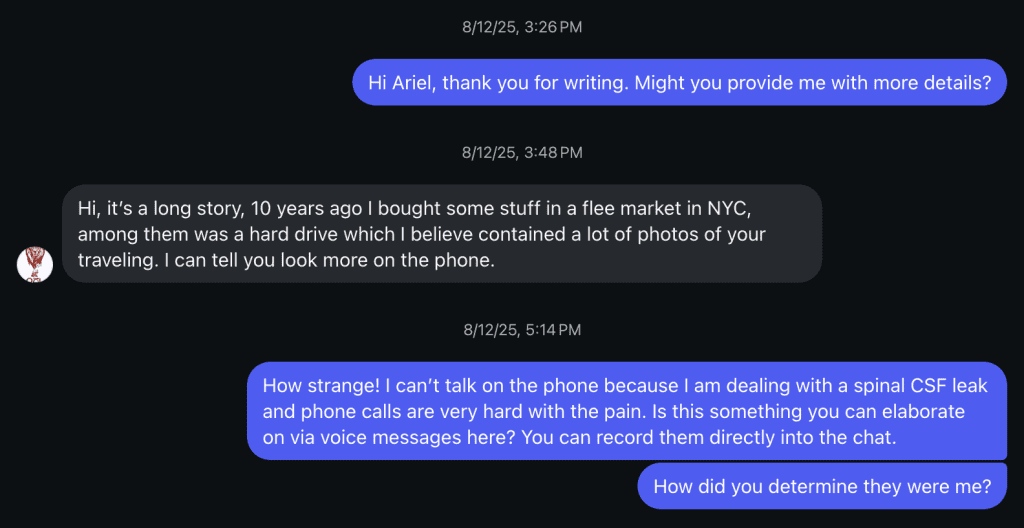
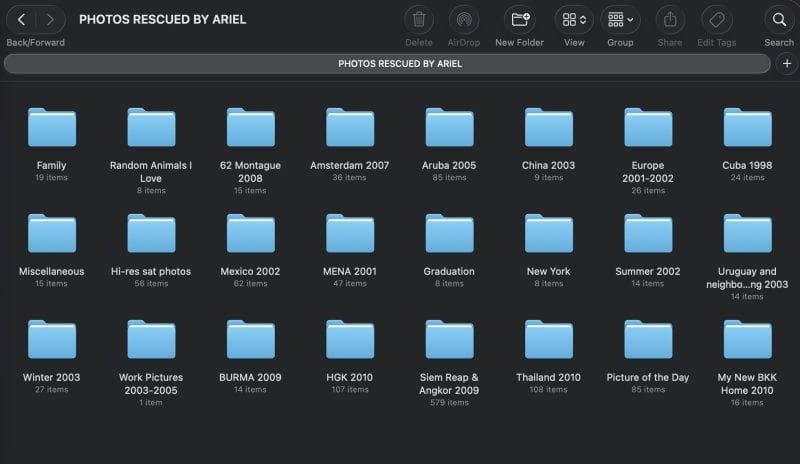
In August 2023, nearly 14 years after the initial 2010 burglary, Ettenberg was contacted via social media by an individual named Ariel, a New York-based filmmaker. Ariel reported that over a decade prior, he had purchased several used external hard drives at a Brooklyn flea market. Upon attempting to reformat the drives, he discovered folders of personal photographs. Recognizing that the images—which included graduation ceremonies and international travel—held significant sentimental value, Ariel backed up the data to his own servers before reformatting the physical drives for his work.

The recovery process followed a specific timeline:
- 2010: Hard drives stolen in Brooklyn.
- Circa 2011-2012: Ariel purchases the drives at a flea market and preserves the data.
- 2012-2022: The data remains dormant on Ariel’s servers as he travels for work.
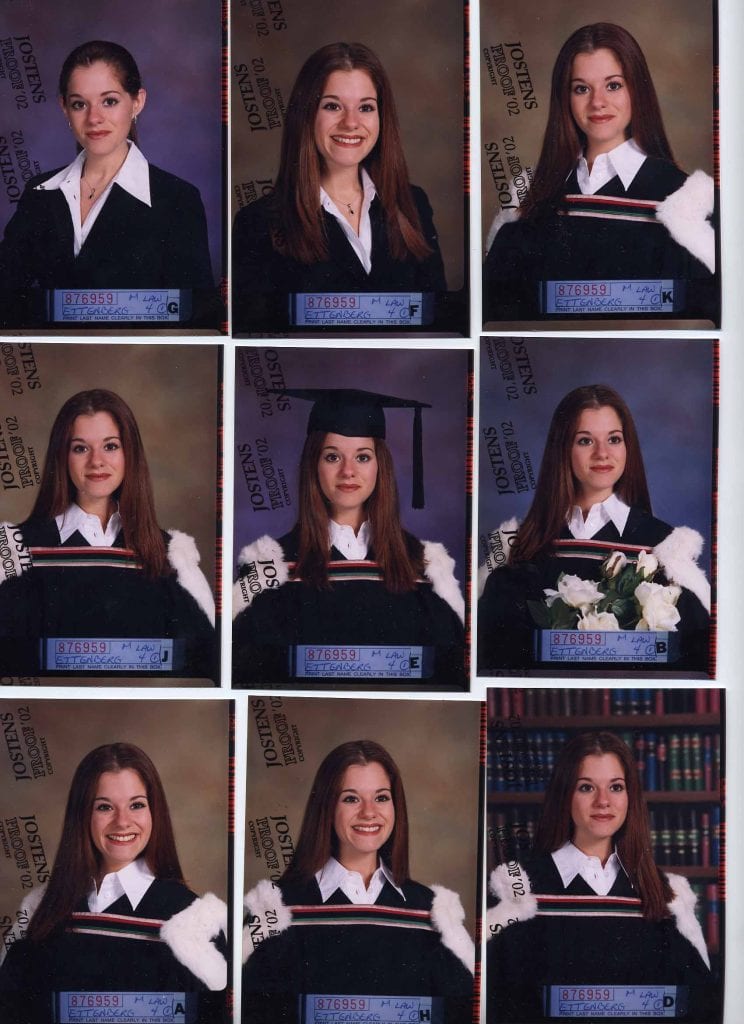
- August 2023: Ariel discovers the files again and uses the names found in graduation proofs to locate Ettenberg on Instagram.
- August 22, 2023: Ettenberg receives a digital link to her lost memories on her "leakaversary," the anniversary of her spinal injury.
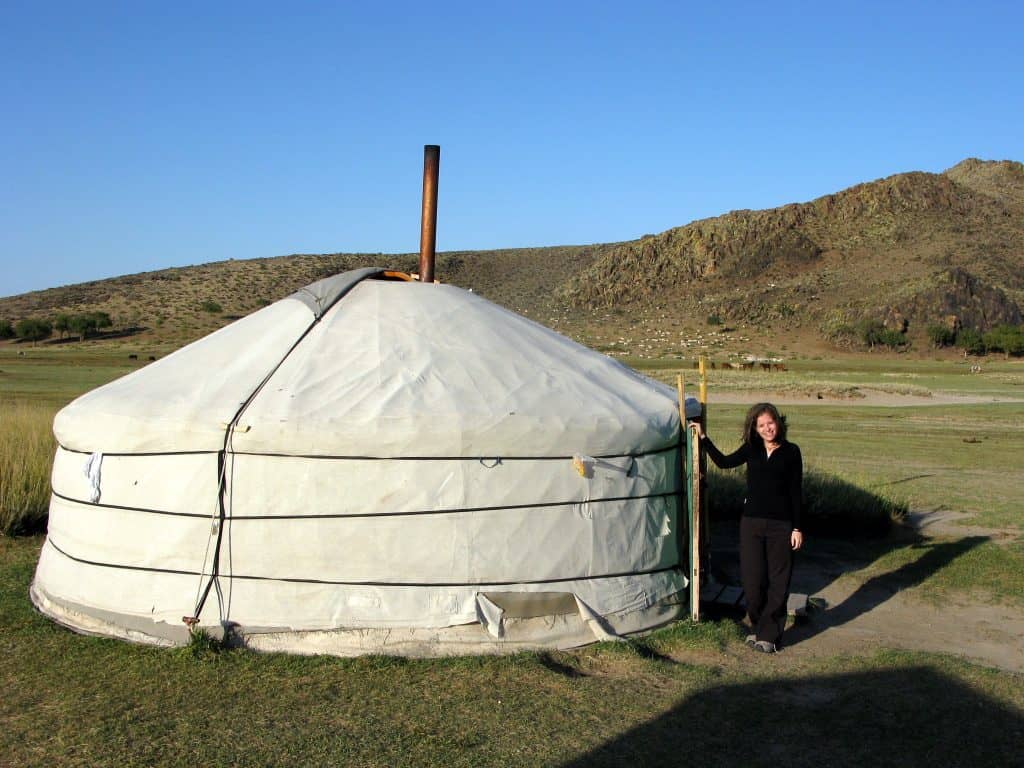
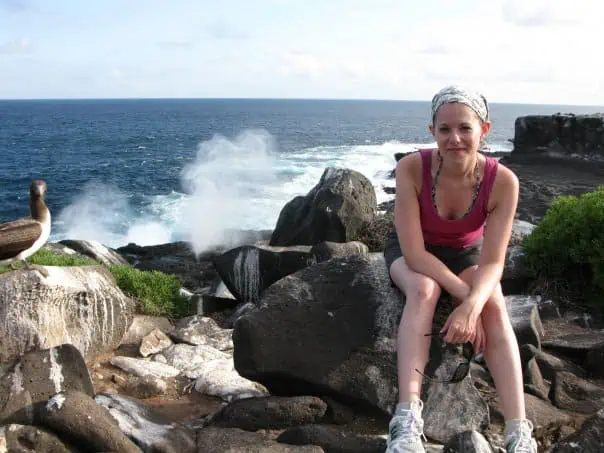
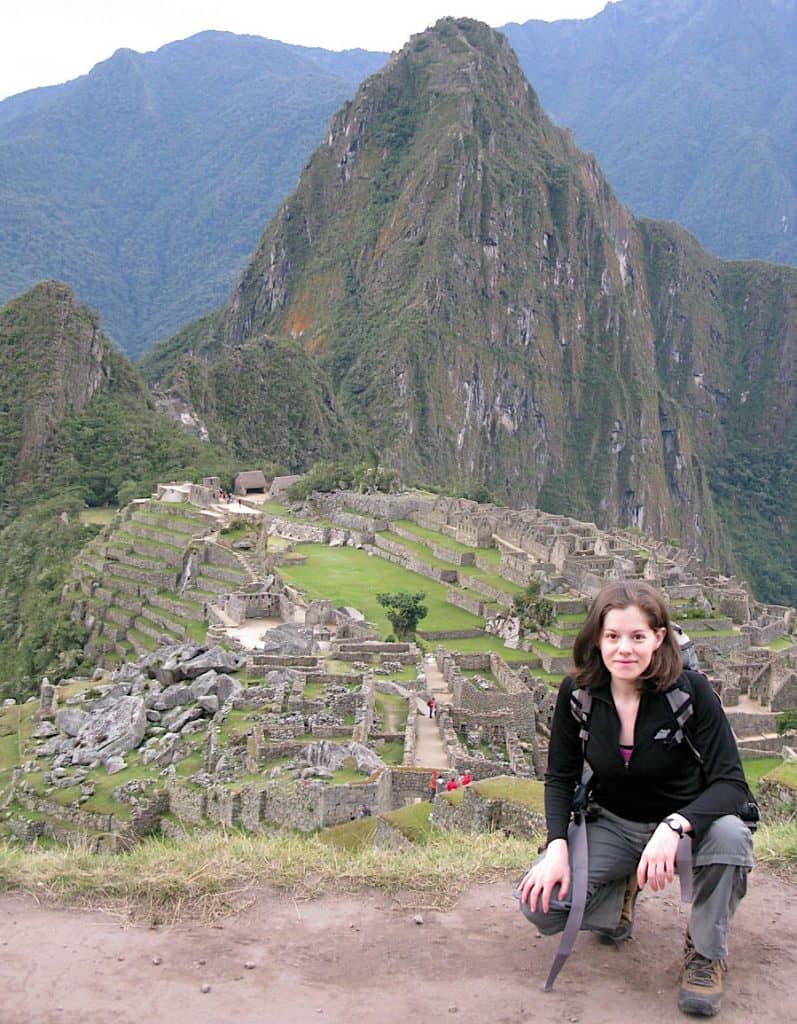
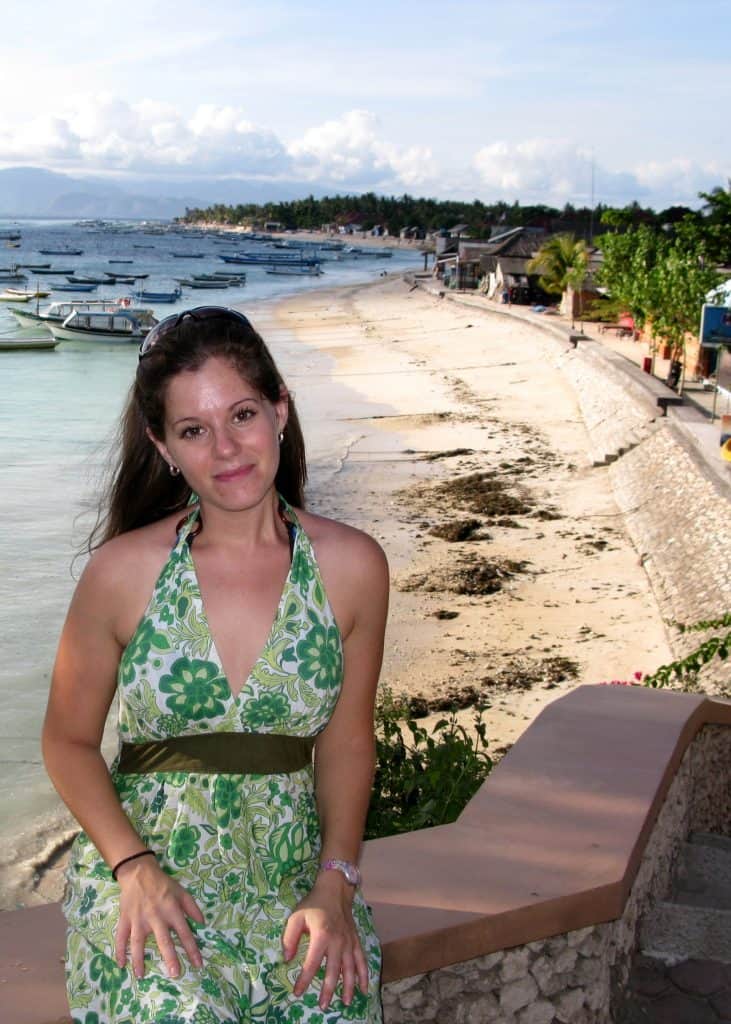
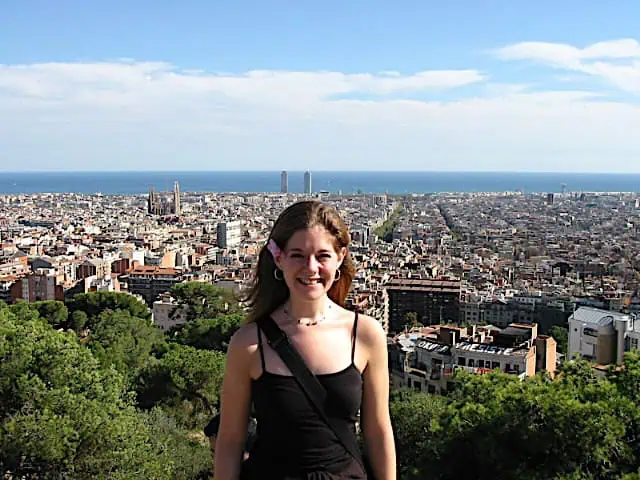
The recovered archives contained thousands of images from 2001 to 2010, including Ettenberg’s time living in France, her law school graduation, and her early travels in Mongolia, the Galapagos Islands, and Southeast Asia. This recovery followed a previous incident where a bag stolen in 2017 was found in a Brooklyn chimney four years later and returned to her by a stranger who found her name on expired credit cards.

Comparative Analysis: Bereavement vs. Chronic Illness Grief
Ettenberg’s case highlights the divergent paths of emotional recovery in different types of loss. Bereavement, while devastating, typically follows a trajectory toward finality. As Ettenberg observes, the "waves" of grief eventually become less intense as the attachment system adjusts to a new reality.
In contrast, living grief is "compounding." Each new limitation or failed medical intervention serves as a fresh reminder of the loss. Statistical data from mental health organizations indicates that individuals with chronic, invisible illnesses are at a higher risk for clinical depression and anxiety, often exacerbated by the "disconnect between the unified expectation of progress and the reality of chronic illness." Ettenberg argues that the anger associated with this type of loss is often viewed as "inappropriate" by society, whereas it is an accepted stage of bereavement.
Broader Impact and Implications for Disability Advocacy
The story of Jodi Ettenberg has resonated within the chronic illness community, particularly among those suffering from "invisible" disabilities. Her transition from a travel influencer to a medical advocate illustrates the shifting nature of digital influence. Despite her limited mobility, Ettenberg has co-authored medical papers and engaged in advocacy to improve the diagnosis and treatment of spinal CSF leaks.
The implications of her experience are three-fold:

- Medical Awareness: Her detailed documentation of the CSF leak experience provides valuable qualitative data for physicians and researchers regarding the long-term impact of dural tears.
- Digital Archiving: The recovery of her photos emphasizes the importance of redundant, cloud-based storage—a lesson Ettenberg adopted after 2010, which prevented further loss during her 2017 burglary.
- Societal Empathy: By articulating the nuances of living grief, Ettenberg challenges the "able-bodied" bias of modern society. She advocates for a world that validates the "fluctuating capacity" of disabled individuals rather than demanding a linear path to "wellness."
As Ettenberg reached her 47th birthday, she reflected on the "zenith of her grief" being met with an act of human kindness. The return of her memories did not cure her physical condition, but it provided a psychological "bright spot," allowing her to integrate her past as a global explorer with her present reality as a patient. Her journey underscores a fundamental truth of the human condition: while physical health is fragile, the impact of community support and the preservation of personal history can provide a vital framework for resilience in the face of permanent change.
