

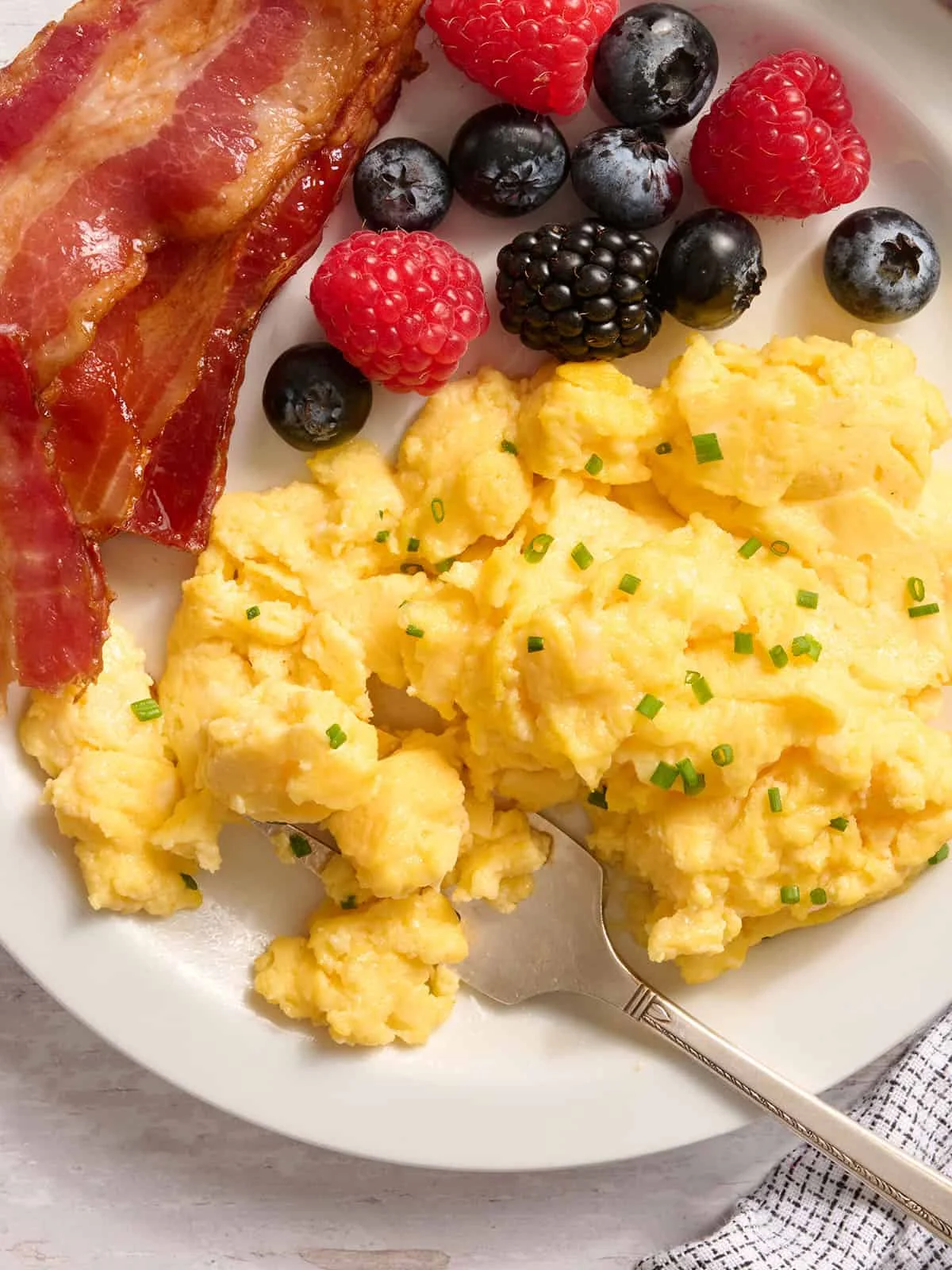
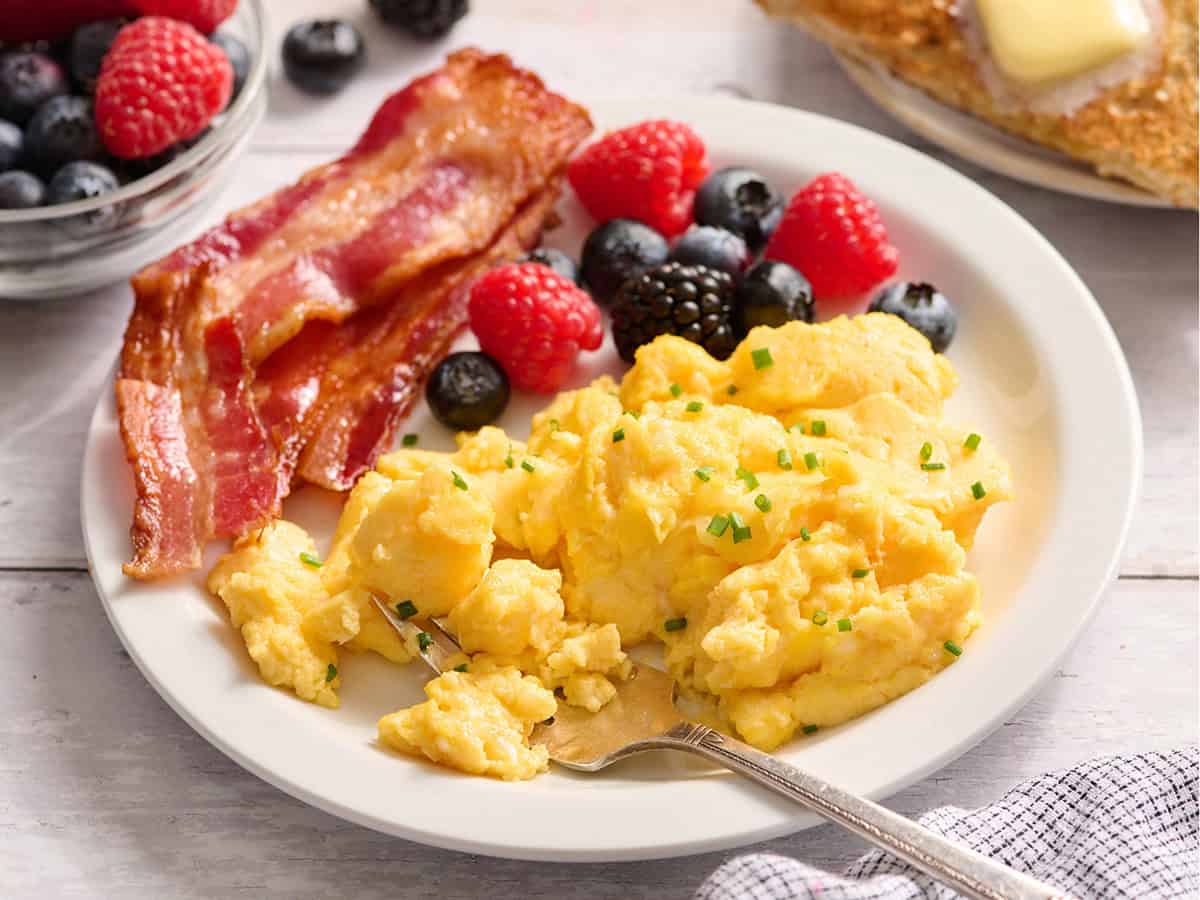
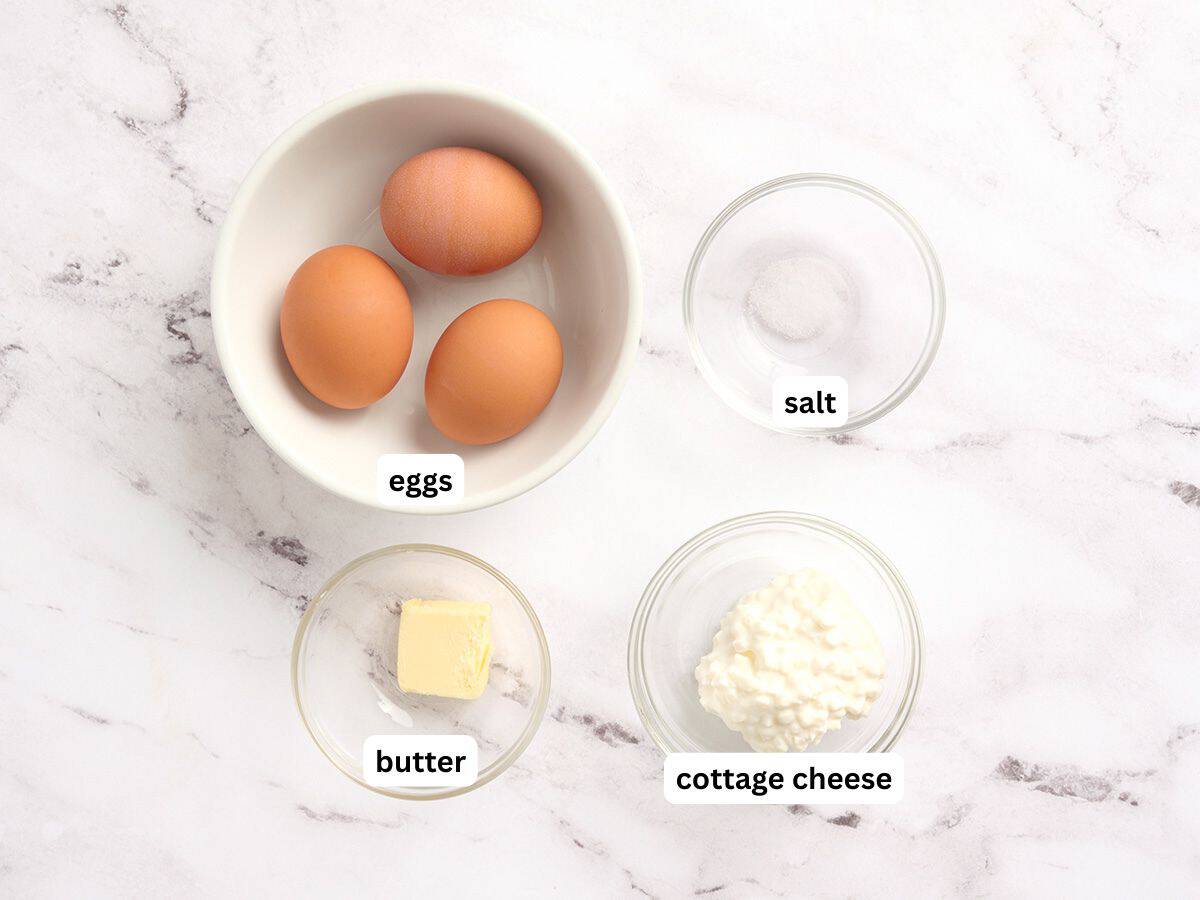
The landscape of American breakfast consumption has undergone a significant transformation over the last decade, shifting away from sugar-heavy cereals toward high-protein, cost-effective alternatives. Central to this movement is the emergence of cottage cheese scrambled eggs, a culinary technique that utilizes the moisture and protein content of cultured dairy to enhance the texture and nutritional profile of traditional eggs. This preparation method, which requires only four primary ingredients and approximately 15 minutes of preparation time, has gained traction among nutritionists and budget-conscious consumers alike. By integrating approximately two tablespoons of cottage cheese into a standard three-egg scramble, individuals can achieve a protein yield of roughly 11 grams per serving at a cost of approximately $0.29, making it one of the most efficient meal options in the current economic climate.
Historical Context and the Volatility of the Egg Market
To understand the current popularity of high-protein egg recipes, it is necessary to examine the economic volatility that has defined the poultry market over the past several years. Between late 2022 and early 2023, the United States witnessed an unprecedented surge in egg prices, driven largely by a highly pathogenic avian influenza (HPAI) outbreak that decimated commercial flocks. During this period, the average price for a dozen large Grade A eggs peaked at over $4.80 in many metropolitan areas, representing a nearly 150% increase from the previous year.
This "egg inflation" forced consumers to reevaluate eggs as a luxury item rather than a staple. However, as of mid-2024, production levels have stabilized and prices have leveled out, returning the egg to its status as a foundational, affordable protein. The Nashville Test Kitchen, a culinary research facility dedicated to affordable home cooking, notes that this stabilization has paved the way for "upgraded" egg recipes. The integration of cottage cheese serves as a "protein multiplier," allowing consumers to maximize the satiety of their meals without significantly increasing their grocery expenditure.
The Nutritional Science of Cottage Cheese Integration
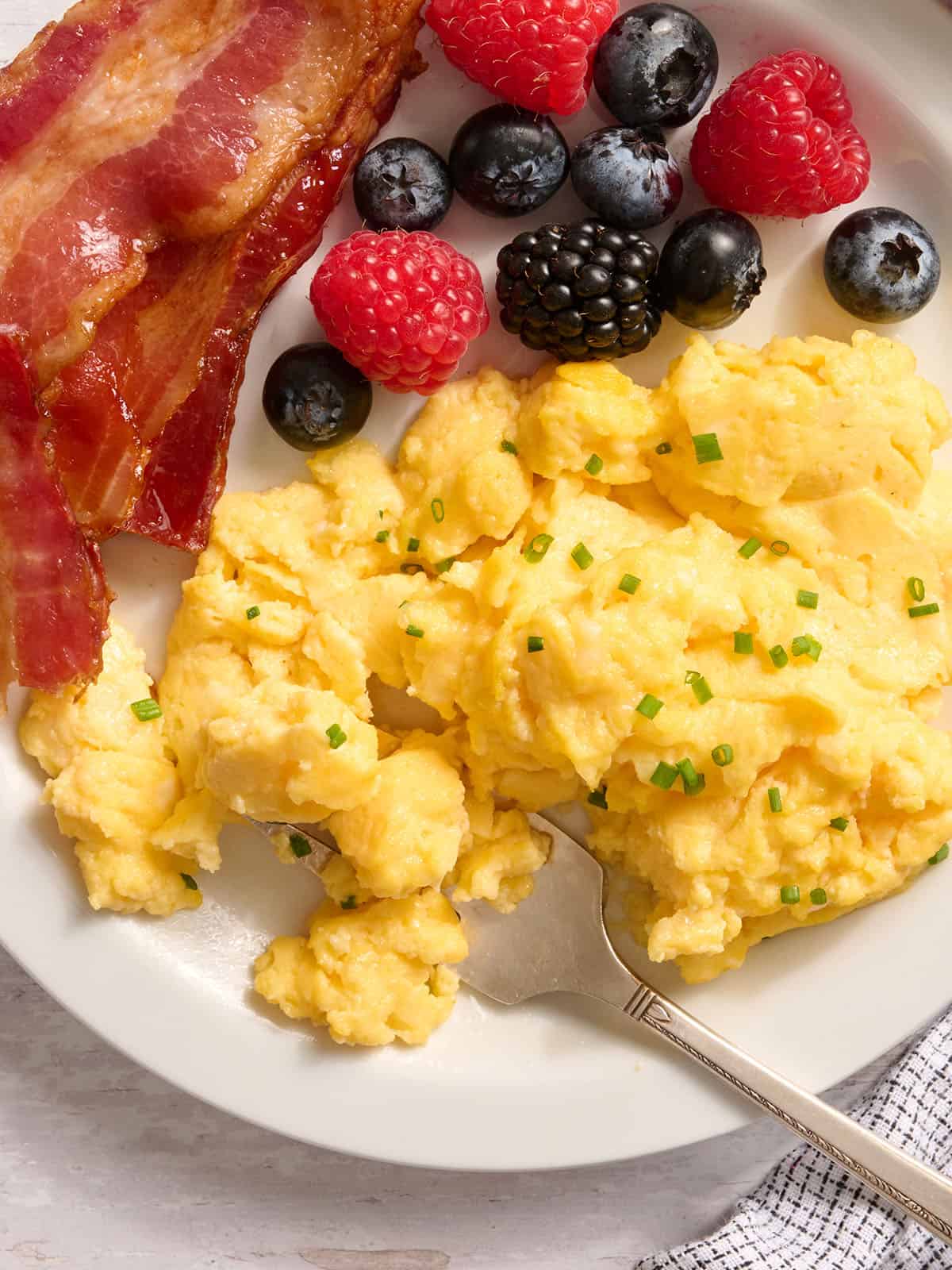
The inclusion of cottage cheese in scrambled eggs is not merely a matter of flavor but a calculated use of food science to alter texture and nutrient density. Cottage cheese is a fresh curd product that retains a high concentration of casein protein. When whisked into raw eggs, the curds provide pockets of moisture that prevent the egg proteins from over-coagulating and becoming rubbery.
From a nutritional standpoint, the data is compelling. A single serving of these eggs, prepared with 4% milk-fat cottage cheese, contains approximately 172 calories. The breakdown includes:
- Protein: 11g (approximately 22% of the recommended daily value)
- Total Fat: 13g (20% of daily value)
- Sodium: 344mg (15% of daily value)
- Carbohydrates: 1g
This profile aligns with the requirements of various modern dietary frameworks, including ketogenic, gluten-free, and vegetarian lifestyles. The low carbohydrate count combined with high protein content makes this dish particularly effective for maintaining blood sugar stability during the morning hours, a factor that health experts frequently cite as critical for cognitive function and sustained energy.
Chronology of Preparation and Culinary Standards
The Nashville Test Kitchen has established a rigorous protocol for the preparation of cottage cheese eggs to ensure consistency and food safety. The following chronology outlines the standardized method for achieving optimal results:
Phase I: Emulsification and Integration (Minutes 1–5)
The process begins with the selection of three large eggs. These are whisked thoroughly with a measured amount of salt—approximately 1/8 teaspoon. Journalistic observation of professional culinary techniques suggests that thorough whisking is essential; the goal is to eliminate visible streaks of egg white to ensure a uniform cook. Once the eggs reach a "sunny yellow" consistency, two tablespoons of cottage cheese are folded in. Culinary experts recommend leaving some curds intact, as these create the signature "soft bite" during the cooking process.
Phase II: Controlled Thermal Application (Minutes 6–12)
The cooking phase utilizes medium-low heat. A single tablespoon of butter is melted in a non-stick skillet until foamy but not browned. The introduction of the egg mixture requires a "low and slow" approach. According to Chef Jess Rice, a former Professor of Culinary Theory at Niagara College and current researcher at the Nashville Test Kitchen, the eggs must sit undisturbed for several seconds until the edges begin to set.

Phase III: The Folding Technique (Minutes 13–15)
Unlike high-heat diner-style eggs, cottage cheese eggs require gentle movement. Using a wooden spatula, the cooked portions are pushed toward the center, allowing the liquid egg to contact the hot surface. The heat is removed while the eggs are still slightly glossy. This accounts for "residual heat cooking," a phenomenon where the internal temperature of the food continues to rise after being removed from the heat source, preventing the eggs from becoming dry or rubbery.
The Social and Cultural Resurgence of Cottage Cheese
The adoption of this recipe is part of a broader cultural phenomenon often referred to as the "Cottage Cheese Renaissance." Once relegated to the status of a "diet food" associated with 1970s weight-loss fads, cottage cheese has seen a massive resurgence on social media platforms like TikTok and Instagram. In 2023 and 2024, cottage cheese became a viral ingredient, used in everything from high-protein ice cream to pasta sauces and bread dough.

Market analysts suggest that this resurgence is driven by the "macro-tracking" community—individuals who monitor their intake of macronutrients (protein, fats, and carbohydrates). Cottage cheese offers a high protein-to-calorie ratio that is difficult to find in other vegetarian-friendly dairy products. When paired with eggs, it creates a "super-breakfast" that appeals to the fitness-conscious demographic.
Economic Analysis: The 29-Cent Meal
In an era of rising fast-food costs, where a standard breakfast sandwich at a national chain can exceed $5.00, the economic implications of the cottage cheese egg recipe are significant. A cost analysis conducted by Budget Bytes breaks down the expenditure as follows:

- Eggs: Approximately $0.15–$0.20 for three (based on current market averages for a dozen).
- Cottage Cheese: Roughly $0.05 per two-tablespoon serving.
- Butter and Salt: Negligible, estimated at $0.04 per serving.
The total cost per serving of $0.29 provides a high-quality, hot meal that is accessible to individuals living on a strict budget, including students and low-income families. This cost-efficiency does not come at the expense of quality, as the Nashville Test Kitchen emphasizes that the recipe uses "everyday ingredients" found in standard grocery stores.
Expert Reactions and Industry Implications
The culinary community has responded positively to the "upgraded scramble" trend. Professional chefs note that the technique is a variation of the classic French style of scrambled eggs, which often uses heavy cream or crème fraîche to achieve a "custard-like" texture. The use of cottage cheese is seen as a more accessible, higher-protein version of this gourmet technique.

"The goal of modern home cooking is to find the intersection of nutrition, affordability, and ease of execution," states Chef Jess Rice. Her background as a restaurateur and private chef for high-profile clients informs the testing process at the Nashville Test Kitchen. The consensus among test kitchen staff is that the recipe’s success lies in its simplicity; it does not require specialized equipment or advanced culinary skills, making it a "democratized" version of high-end breakfast fare.
Broader Impact on Home Cooking Trends
The shift toward recipes like cottage cheese eggs signals a broader trend in American households: the move back to the kitchen as a means of both financial and physical health management. As inflation continues to impact discretionary spending, more consumers are looking for ways to replicate restaurant-quality textures at home.

Furthermore, the storage and reheating properties of the dish reflect the needs of the modern workforce. While best served fresh, the recipe’s ability to be refrigerated for 3–4 days and incorporated into other meals—such as vegetable fried rice or breakfast burritos—adds a layer of versatility essential for "meal prepping."
As the food industry continues to evolve, the emphasis on nutrient density per dollar spent is expected to remain a primary driver of consumer behavior. The cottage cheese egg, once a niche health-food hack, has now solidified its place as a staple of the modern, budget-conscious, and health-oriented American kitchen. Its rise reflects a successful synthesis of economic necessity, nutritional science, and culinary innovation.
