

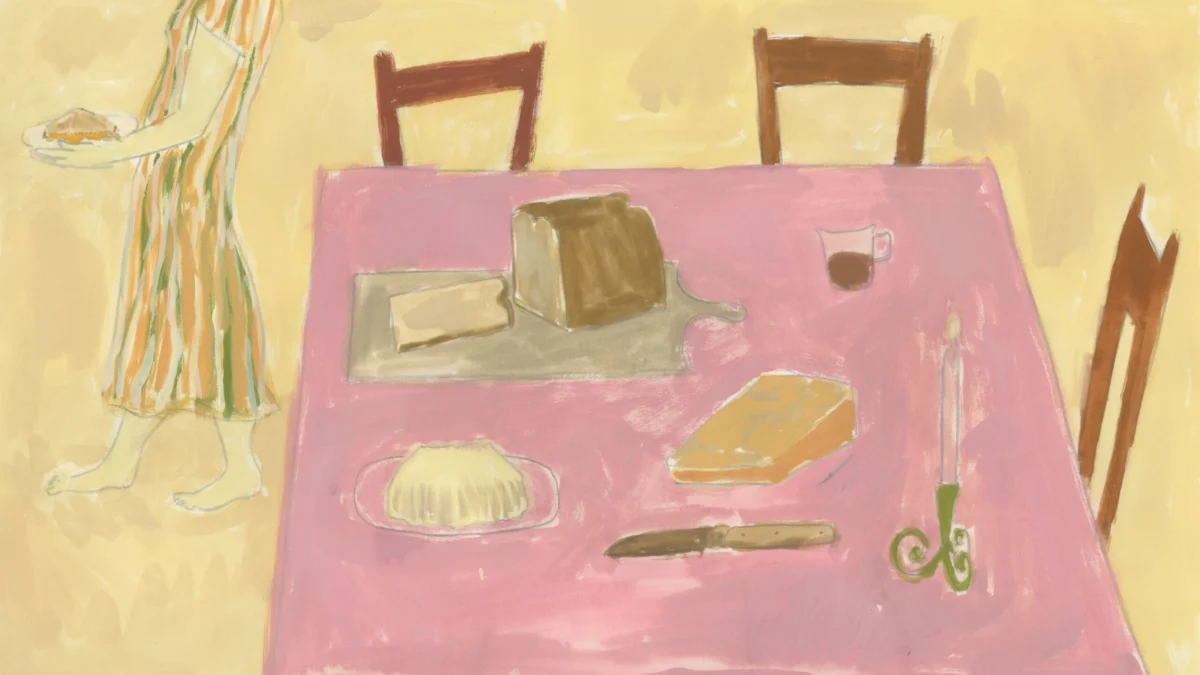
Editor and cookbook author Kristen Miglore recently shared her deeply personal journey through a series of fertility challenges, including multiple miscarriages and an adenomyosis diagnosis, culminating in a successful IVF pregnancy and the profound comfort found in a simple "polka-dot grilled cheese" during her postpartum period. Her narrative, originally featured in The Fourth Trimester series, illuminates broader issues within reproductive health, maternal care, and the often-overlooked needs of new parents, highlighting the physical, emotional, and systemic hurdles many families face.
A Chronology of Reproductive Challenges and Resilience
Miglore’s initial pregnancy in 2019 was described as "textbook," leading to the swift birth of her daughter. This experience, seemingly seamless, informed a cautious approach to expanding her family, aiming to avoid having "two under two." However, the onset of the COVID-19 pandemic in early 2020 introduced unforeseen delays and shifts in perspective. Planning for the future became secondary to navigating lockdown, observing her daughter’s early development amidst unprecedented global uncertainty.
By fall 2021, feeling a renewed sense of safety, Miglore quickly conceived again. This second pregnancy, however, ended abruptly in miscarriage. This marked the beginning of a challenging period, as she faced two more miscarriages in quick succession over the subsequent winter and spring. Each loss brought increasing emotional and physical toll, with pregnancies extending slightly longer, fostering greater hope, and recoveries becoming progressively more grueling. The experience of processing these losses while maintaining daily routines, like baking banana bread with her daughter or leading virtual cooking classes, underscored the often-invisible burden carried by individuals experiencing reproductive loss.
The commonality of miscarriage, estimated to affect one in four pregnancies, is a statistic widely cited but often poorly understood in terms of its personal impact and the lack of structured support. Miglore’s experience reflects a prevalent societal silence surrounding miscarriage, where individuals often navigate grief and physical recovery without clear guidance or open discussion.
Diagnosis, IVF, and the Search for Answers
Confronted with repeated losses, Miglore sought medical intervention to understand the underlying causes. Fertility specialists diagnosed her with adenomyosis, a condition related to endometriosis where endometrial tissue grows into the muscular wall of the uterus. This condition can distort the uterus, making it difficult for embryos to implant and sustain a pregnancy. Adenomyosis is often underdiagnosed or misdiagnosed due to overlapping symptoms with other gynecological conditions and the necessity of advanced imaging for definitive diagnosis. Its prevalence is estimated to be between 5% and 70% in women, depending on diagnostic criteria, and it is increasingly recognized as a significant factor in infertility and recurrent pregnancy loss.
To address the adenomyosis-related inflammation and facilitate a successful pregnancy, Miglore pursued In Vitro Fertilization (IVF). Her access to this advanced reproductive technology was significantly aided by New York State’s progressive mandate requiring insurers for larger companies to cover up to three rounds of fertility treatment. This policy is critical, as the financial burden of IVF is substantial, with a single cycle often costing upwards of $15,000 to $30,000, placing it out of reach for many without comprehensive insurance coverage.
The first embryo transfer resulted in a brief, faint implantation before fading. In response to the emotional strain and desire for agency, Miglore adopted dietary modifications, including eliminating dairy and gluten and increasing her intake of diverse plant-based foods, as suggested by a naturopath. While the direct scientific impact of such dietary changes on IVF success rates in cases of adenomyosis is a subject of ongoing research and debate, for many patients, these measures provide a sense of control and focus during an otherwise overwhelming process, offering psychological comfort if not definitive physiological benefit.

The subsequent embryo transfer proved successful. Miglore’s second pregnancy was closely monitored, with medical professionals noting the baby’s exceptional growth. However, this pregnancy brought new challenges, including a diagnosis of gestational diabetes. This condition, characterized by high blood sugar levels that develop during pregnancy, affects approximately 2% to 10% of pregnancies. It necessitates rigorous dietary management and blood sugar monitoring to mitigate risks to both mother and baby, including increased risk of C-section, pre-eclampsia, and the baby developing Type 2 diabetes later in life. This added layer of medical management further complicated Miglore’s experience, requiring a return to strict dietary protocols focused on blood sugar control.
As her due date approached, the convergence of a looming superstorm and the desire to ensure her daughter’s safety at her grandparents’ house led to a scheduled induction. The birth of her son, a moment of immense relief and joy, unfolded quietly amidst the external chaos, a testament to the insular, profound experience of childbirth.
The Fourth Trimester and Postpartum Nourishment
The period immediately following childbirth, often referred to as "the fourth trimester," is a critical phase of physical recovery and emotional adjustment for new mothers, yet it is frequently underserved by healthcare systems and societal expectations. Unlike her first postpartum experience, which involved hurried snacks like pre-cut pineapple and protein bars, Miglore’s second postpartum period highlighted an intense craving for hot, crunchy, and salty foods. This hunger, described as "hungrier than I’d ever been," underscores the immense caloric and nutritional demands placed on breastfeeding mothers and those recovering from childbirth.
The "polka-dot grilled cheese" emerged as a symbol of this profound need for self-nourishment and comfort. Crafted late one night after her son was asleep, using simple ingredients – sourdough, salted butter, and cheddar cheese – it represented a deliberate act of self-care. Miglore’s method, involving scattering cold butter bits on bread and broiling it to achieve an ombré toast with melted cheese, was a quick and efficient way to satisfy a deep craving, a departure from more time-consuming traditional methods. This innovative approach, drawing inspiration from colleagues and even culinary legends like Edna Lewis, resulted in a meal that was both satisfying and quickly prepared, crucial for a new mother with limited time and energy.
This act of preparing and consuming a simple, comforting meal, alone and for herself, was a rare moment of personal fulfillment during a demanding time. It highlights a common struggle for new mothers to prioritize their own needs amidst the overwhelming demands of infant care, sleep deprivation, and physical recovery. The experience, described as feeling "full, content, and calm," speaks to the profound psychological benefits of intentional self-care, even in its simplest forms.
Broader Implications and the Call for Enhanced Support
Kristen Miglore’s detailed account serves as a powerful case study for several critical issues in contemporary maternal and reproductive healthcare:
- Awareness and Support for Miscarriage: Despite its prevalence, miscarriage remains a largely stigmatized topic. Improved public awareness, standardized medical protocols for emotional and physical support post-miscarriage, and destigmatization are crucial. Many individuals report feeling isolated and uninformed about what to expect physically and emotionally after a loss.
- Diagnosis and Treatment of Fertility Conditions: Conditions like adenomyosis and endometriosis are often challenging to diagnose and can significantly impact fertility. Increased research, better diagnostic tools, and improved access to specialized care are essential to help individuals navigate these complex conditions.
- Equitable Access to IVF and Fertility Treatments: The prohibitive cost of IVF makes it inaccessible to many. New York’s insurance mandate offers a model for other states to ensure that financial status does not dictate access to necessary fertility care. Expanding such mandates nationally could significantly reduce disparities in reproductive health outcomes.
- Comprehensive Postpartum Care (The Fourth Trimester): The traditional six-week postpartum check-up is increasingly recognized as insufficient. A more holistic and extended model of postpartum care, addressing physical recovery, mental health, nutritional needs, and infant feeding support, is vital. Miglore’s intense hunger and need for specific comfort foods exemplify the physiological demands often underestimated.
- Maternal Mental Health: The emotional rollercoaster of fertility struggles, miscarriages, and the postpartum period can profoundly impact mental health. Access to mental health professionals specializing in reproductive grief and postpartum depression/anxiety is critical. The "scream[ing] in the car" and seeking solace on beaches underscore the intense emotional landscape many new parents navigate.
- Societal Expectations vs. Reality: Society often places immense pressure on new mothers to "bounce back" quickly, neglecting the extensive physical and emotional recovery required. Miglore’s story champions the importance of prioritizing self-care, even if it’s a simple grilled cheese, and acknowledging the profound needs of the postpartum body and mind.
Miglore’s narrative, while personal, resonates with countless individuals who have faced similar journeys. It underscores the urgent need for a more empathetic, comprehensive, and accessible system of reproductive and maternal healthcare that supports families not just through pregnancy and birth, but through the often-arduous paths to parenthood and beyond. The "polka-dot grilled cheese" stands as a humble yet potent reminder that sometimes, the most profound acts of care during challenging times are the simplest ones, fostering peace, contentment, and the strength to continue.
