

A groundbreaking study originating from southern Italy has presented compelling evidence suggesting that regular consumption of Italian-style coffee, specifically espresso and moka pot brews, may offer a significant protective effect against the development of Metabolic Dysfunction-Associated Steatotic Liver Disease (MASLD). The research, published in the esteemed journal Frontiers in Nutrition on March 19, 2026, analyzed the coffee-drinking habits of over a thousand adults and found a dose-dependent reduction in the likelihood of developing this increasingly prevalent liver condition. This finding adds a crucial layer to the growing body of scientific literature that has, over the past decade, consistently linked various forms of coffee consumption to improved liver health outcomes.
The Italian study, conducted by researchers from the National Institute of Gastroenterology IRCCS "Saverio de Bellis" and affiliated institutions, meticulously examined 1,079 adults who regularly consumed coffee. The primary objective was to identify any associations between the daily intake of Italian-style coffee preparations and the prevalence of MASLD. MASLD is characterized by the accumulation of fat in the liver, accompanied by at least one cardiometabolic risk factor, such as obesity, elevated blood sugar, hypertension, or abnormal cholesterol levels, and importantly, is distinct from liver fat accumulation caused by excessive alcohol consumption.
Key Findings Emerge from Italian Coffee Consumption Study
The core of the study’s findings revealed a remarkable correlation between the quantity of Italian-style coffee consumed and the reduced odds of developing MASLD. Participants who reported drinking just one cup of espresso or moka pot coffee per day exhibited approximately 52% lower odds of MASLD compared to those who consumed less than one cup daily. This protective effect appeared to strengthen with increased consumption: two cups per day were associated with a 53% reduction in odds, three cups with a 55% reduction, and crucially, the protective benefit seemed to plateau at four to six cups per day, showing a 59% decrease in MASLD risk.
These findings were derived from a rigorously adjusted statistical model that accounted for a comprehensive array of potential confounding factors. These included age, sex, Body Mass Index (BMI), diastolic blood pressure, daily energy intake, the presence of sugar and milk in coffee, smoking status, adherence to a Mediterranean diet, educational attainment, consumption of spirits, HDL cholesterol levels, liver enzyme ratios, and glycemic status. The meticulous adjustment for these variables lends significant weight to the observed association between coffee consumption and liver health.
The Unique Profile of Italian-Style Coffee Preparations
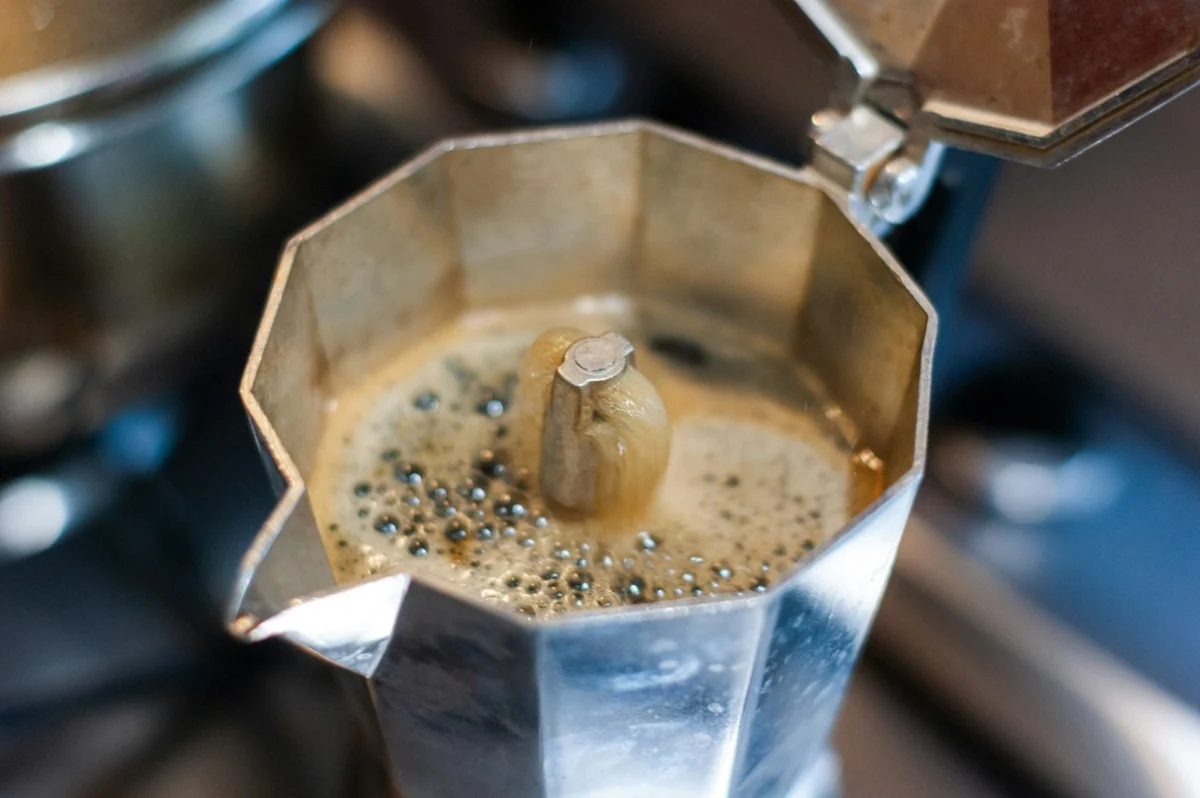
A distinguishing feature of this latest research is its specific focus on espresso and moka pot brewing methods, which are the dominant and culturally ingrained ways of preparing coffee in Italy. Unlike filtered coffee, which often employs paper filters, both espresso and moka pot brewing rely on pressure-based extraction. This process is known to retain a higher concentration of fat-soluble compounds and antioxidants present in the coffee bean.
The study authors highlighted this aspect in their paper, noting that "Italian-style preparations, namely espresso and moka, are characterized by high concentrations of diterpenes and [chlorogenic acids], which may account for their unique biological effects compared to other brewing techniques." These specific compounds, diterpenes (such as cafestol and kahweol) and chlorogenic acids, have been the subject of extensive prior research and are recognized for their potent antioxidant, anti-inflammatory, antifibrotic, and lipid-modulating properties. These biological activities are directly relevant to the pathophysiology of MASLD, which involves inflammation and fat accumulation in the liver.
A Growing Body of Evidence on Coffee and Liver Health
This Italian study does not exist in a vacuum; it significantly bolsters an already substantial and growing body of scientific evidence linking coffee consumption to enhanced liver health. A comprehensive literature review conducted in December 2025, for instance, concluded that coffee intake across various preparations is broadly associated with a reduced risk of liver disease and a slower progression of critical liver conditions such as fibrosis, cirrhosis, and liver cancer.
Further supporting this trend, a 2021 study utilizing data from the UK Biobank revealed that individuals who regularly drank coffee exhibited a 21% lower risk of developing chronic liver disease and a substantial 49% lower risk of mortality from chronic liver disease when compared to non-coffee drinkers. These cumulative findings underscore a consistent pattern: coffee, in its various forms, appears to play a protective role in maintaining liver well-being.
What sets the recent Italian study apart is its focused investigation into specific brewing methods and precise dosage within a single, culturally homogeneous population. This approach allows for a more nuanced understanding of how different coffee preparation techniques might influence health outcomes, moving beyond generalized "coffee consumption" to explore the impact of specific compounds and extraction methods.
Interpreting the Findings and Future Directions
While the researchers acknowledge the inherent limitations of their observational study design – including reliance on self-reported dietary data and the absence of specific physical activity metrics – they offer a bold interpretation of their findings. The assertion that "Italian-style coffee may be considered a functional food for MASLD prevention, with caution advised for sensitive populations," suggests a potential shift in how coffee might be viewed in dietary recommendations. A "functional food" is generally understood to provide health benefits beyond basic nutrition.
The implications of these findings are significant, particularly given the rising global prevalence of MASLD. This condition, often referred to as "fatty liver disease," is increasingly linked to metabolic syndrome and type 2 diabetes, making it a major public health concern. The prospect of a readily accessible and culturally popular beverage like coffee offering a protective element against its development could lead to new public health strategies and dietary guidelines.
The study was spearheaded by a team of researchers including Manuela Siani, Caterina Bonfiglio, Leonilde Bonfrate, Rossella Donghia, and Maria Noemy Pastore, all associated with the National Institute of Gastroenterology IRCCS "Saverio de Bellis." The research received funding from the Italian Ministry of Health, underscoring its importance within the national health research agenda. Crucially, the authors declared no commercial or financial conflicts of interest, lending further credibility to their findings.
The consistent association between coffee consumption and positive liver health markers, now further solidified by this Italian study’s focus on specific brewing methods, warrants continued investigation. Future research could explore the precise mechanisms by which diterpenes and chlorogenic acids in espresso and moka pot coffee exert their protective effects on the liver at a cellular level. Additionally, larger, randomized controlled trials, while challenging to implement for dietary interventions, could further validate these findings and provide even stronger evidence for the inclusion of specific coffee preparations in strategies for MASLD prevention and management. The potential for a simple, enjoyable daily ritual to contribute to such a significant health benefit offers a promising avenue for public health and individual well-being.
