

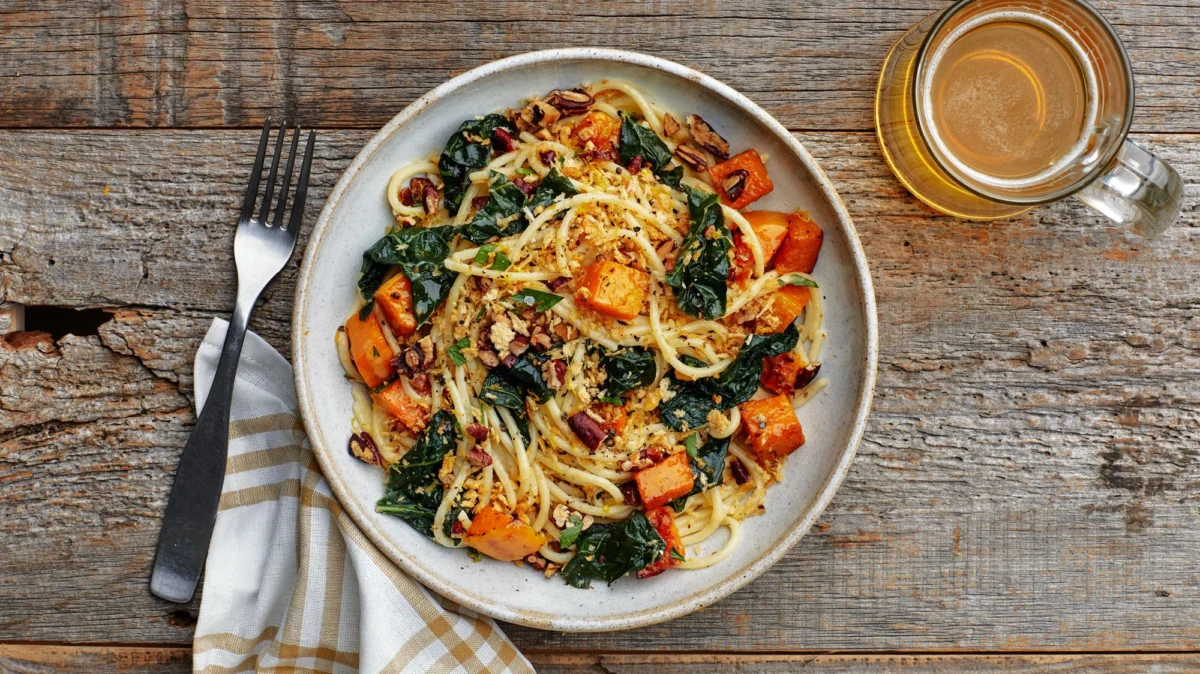
Butternut squash stands as a quintessential emblem of autumn, a seasonal favorite whose subtle sweetness, widespread availability, and remarkable versatility cement its status in kitchens worldwide. Far beyond merely signaling the arrival of fall, as its pumpkin-spiced counterparts often do, butternut squash quietly but definitively shapes the very essence of fall cooking, lending its distinctive character to an expansive array of dishes from hearty soups and comforting pastas to vibrant salads and wholesome breakfast muffins. Its journey from an ancient staple to a modern culinary star is a testament to its adaptability and the rich nutritional bounty it offers.
A Brief History and Botanical Profile: Roots in the Americas
The story of butternut squash begins deep in the history of the Americas. Scientifically classified as Cucurbita moschata, butternut squash belongs to the larger Cucurbita genus, which includes other familiar squash varieties such as pumpkin and some types of winter squash. Archaeological evidence suggests that squash, in its various forms, was cultivated by indigenous peoples in Mesoamerica as early as 7,000 BCE, making it one of the oldest cultivated crops in the Western Hemisphere. The specific varietal we recognize as butternut squash today is believed to have been developed in North America, with its characteristic hourglass shape and sweet, nutty flavor emerging through centuries of selective cultivation.
Early cultivation practices focused on varieties that were not only palatable but also highly storable, providing essential nutrition through the harsh winter months. Butternut squash, with its hard rind and dense flesh, perfectly fit this criterion, allowing it to be stored for extended periods without refrigeration. This attribute was crucial for food security in pre-Columbian societies and continues to be a significant advantage today. Following the Columbian Exchange, squash varieties, including the ancestors of butternut, traveled across the Atlantic, becoming integrated into European agriculture and cuisine, eventually returning to the Americas in new forms and becoming globally recognized.
Nutritional Powerhouse: Health Benefits Beyond Flavor
Beyond its delectable taste and culinary flexibility, butternut squash is a nutritional powerhouse, offering a rich profile of vitamins, minerals, and dietary fiber that contribute significantly to overall health. A single serving provides an excellent source of Vitamin A, primarily in the form of beta-carotene, a potent antioxidant that the body converts into Vitamin A. This nutrient is critical for maintaining healthy vision, supporting immune function, and promoting skin health.
Furthermore, butternut squash is a good source of Vitamin C, another vital antioxidant that aids in collagen production, boosts immunity, and protects cells from damage caused by free radicals. It also contains notable amounts of Vitamin E, several B-vitamins (including B6 and folate), and essential minerals such as potassium and magnesium. Potassium plays a crucial role in maintaining healthy blood pressure and fluid balance, while magnesium is involved in over 300 biochemical reactions in the body, from muscle and nerve function to blood glucose control. The high fiber content of butternut squash supports digestive health, helps regulate blood sugar levels, and contributes to a feeling of fullness, which can aid in weight management. Its robust antioxidant content, particularly carotenoids like beta-carotene, lutein, and zeaxanthin, is associated with reduced risk of chronic diseases, including certain cancers and cardiovascular conditions, positioning butternut squash as more than just a seasonal treat, but a legitimate component of a health-conscious diet.
From Field to Feast: Cultivation and Economic Significance
The cultivation of butternut squash is a significant agricultural endeavor, supporting farmers and contributing to the seasonal economy. Butternut squash plants thrive in warm climates with ample sunlight and well-drained, fertile soil. Planting typically occurs in late spring after the last frost, with harvest stretching from late summer through early winter, generally from September to November in temperate regions. Farmers monitor the squash for signs of maturity, such as a deep, uniform tan color and a hard rind that resists fingernail punctures. The thick stem should be dry and corky.
The harvesting process is largely manual, requiring careful handling to prevent bruising, which can shorten the squash’s impressive storage life. Once harvested, whole butternut squashes can be "cured" for several weeks at warm temperatures and high humidity, a process that hardens the rind and seals minor abrasions, further extending their shelf life. This exceptional storability makes butternut squash a valuable crop for farmers, allowing them to market their produce over an extended period and reducing post-harvest losses.
Economically, butternut squash contributes to local and national food systems. It is a staple at farmers’ markets, providing direct income for growers, and is also widely distributed through grocery store chains, supporting larger agricultural operations. The increasing demand for healthy, seasonal, and versatile ingredients has bolstered its market presence. The processing industry also plays a role, with pre-cut, frozen, and canned butternut squash products offering convenience to consumers, further expanding its economic footprint. This agricultural cycle not only provides nutritious food but also sustains communities and provides employment opportunities across the supply chain.
Mastering the Butternut: Culinary Techniques and Applications
The true genius of butternut squash lies in its unparalleled culinary versatility, allowing it to adapt to myriad cooking methods and flavor profiles.
The Art of Roasting: Unlocking Sweetness
Roasting is widely considered one of the easiest and most effective ways to prepare butternut squash, primarily because high heat caramelizes its natural sugars through the Maillard reaction, intensifying its inherent sweetness and developing complex, nutty undertones. For optimal results, start by peeling the squash, a step many cooks find challenging due to its hard exterior. A sturdy vegetable peeler or a sharp chef’s knife can be employed, with caution. Once peeled, the squash should be halved, seeds and fibrous strands scooped out, and the flesh cut into uniform 1½-inch cubes. Uniformity is key to ensure even cooking. Toss the cubes with a good quality olive oil, kosher salt, and freshly ground black pepper. Roast at a high temperature, typically 400-450°F (200-230°C), for 35-45 minutes, or until the edges are nicely browned, and the flesh is fork-tender. This method yields a side dish that is flavorful enough to stand on its own, or a versatile component for salads, grain bowls, and curries. Alternatively, smaller squashes can be roasted whole or halved, with the tender flesh scooped out after cooking.
Versatility in Purée: Soups, Sauces, and Baked Goods
Butternut squash purée offers another dimension of culinary application. Whether made from freshly roasted or boiled squash, or utilized from convenient canned or frozen options, puréed butternut squash brings a velvety texture and rich flavor to countless dishes. It forms the backbone of classic autumn soups, providing a creamy consistency without the need for excessive dairy. Beyond soups, the purée can be incorporated into pasta sauces, offering a subtly sweet and earthy base, or folded into risottos for added depth. Its natural sweetness makes it an excellent addition to baked goods, enriching muffins, breads, pies, and even cheesecakes with moisture and flavor. The commercial availability of canned and frozen purée has significantly enhanced its accessibility, allowing home cooks to enjoy its benefits year-round with minimal preparation.
Beyond the Roast: Steaming, Shredding, and Raw Delights
While roasting and puréeing are prominent, butternut squash lends itself to various other cooking methods. Steaming or boiling diced squash until tender is a quick way to prepare it for mashing or blending. Shredded raw butternut squash, often prepared using a box grater or food processor, offers a quicker cooking time and a unique texture. It can be sautéed rapidly for stir-fries, incorporated into fritters, or used as a filling for savory tarts.
Intriguingly, butternut squash can also be enjoyed raw. Its sweet, juicy, and crunchy texture when uncooked makes it an excellent candidate for salads. Shaving it into thin ribbons with a vegetable peeler or mandoline, or cutting it into fine matchsticks, allows it to absorb dressings beautifully. When tossed with a vibrant vinaigrette, raw butternut squash adds a refreshing crunch and a delicate sweetness, challenging the conventional wisdom that all squash must be cooked.
Harmonizing Flavors: Pairing Butternut Squash
Butternut squash’s mild sweetness and earthy undertones make it exceptionally adaptable to a broad spectrum of flavor pairings, allowing for both traditional and innovative culinary creations.
- Sweet Companions: Its natural sweetness is amplified by ingredients like maple syrup, brown sugar, honey, and fruits such as apples and pears. These pairings often feature in desserts, breakfast dishes, or as glazes for roasted squash.
- Savory Herbs and Aromatics: Classic savory pairings include aromatic herbs like sage, rosemary, and thyme, which complement its earthiness. Garlic and onion provide foundational savory notes, while ginger adds a warming, slightly spicy kick.
- Spicy Accents: To introduce warmth and complexity, chile in various forms—from smoky chipotle to fiery cayenne or red pepper flakes—pairs wonderfully, creating a delightful sweet-and-heat dynamic often found in curries or spicy roasted squash dishes.
- Creamy and Dairy Elements: Butternut squash’s texture and flavor are beautifully enhanced by creamy ingredients. Coconut milk, heavy cream, or a variety of cheeses, particularly salty and tangy ones like Parmesan, goat cheese, or feta, create a luxurious mouthfeel and balanced flavor profile. Brown butter is another classic pairing, its nutty aroma elevating the squash’s inherent sweetness.
- Acidic Contrasts: A touch of acidity, such as lemon juice, lime juice, or a splash of vinegar (balsamic or apple cider), can brighten the squash’s flavor and prevent it from tasting overly rich, providing a welcome counterpoint.
- Textural Enhancements: Adding crunchy elements like toasted nuts (pecans, walnuts, pistachios), seeds (pumpkin seeds, sunflower seeds), or crispy croutons provides a delightful textural contrast that elevates the overall dish.
The versatility of these pairings ensures that butternut squash can be seamlessly integrated into diverse cuisines, from comforting autumnal stews to vibrant international dishes.
Selecting and Storing: Maximizing Freshness and Longevity
Proper selection and storage are crucial to enjoying butternut squash at its best, ensuring both peak flavor and extended shelf life. When purchasing, look for a squash that feels notably heavy for its size, indicating dense flesh and good moisture content. The skin should be hard, smooth, and free of any soft spots, bruises, or mold. A uniform, deep tan color is also a sign of ripeness and quality. An often-cited tip is to choose a squash with a thick neck and a smaller bulb at the bottom; this typically means a smaller seed cavity and, consequently, more usable flesh.
For whole, uncooked butternut squash, optimal storage conditions are a cool, dark, and dry place, such as a pantry or cellar. Kept in these conditions, a properly cured whole squash can last for a month or even longer, sometimes up to three months. This exceptional longevity is attributed to its thick, protective rind, which acts as a natural barrier against moisture loss and spoilage. Avoid storing whole squash in the refrigerator, as the cold, humid environment can actually accelerate spoilage and diminish flavor.
Once peeled or cut, the storage requirements change dramatically. Exposed flesh is susceptible to drying out and bacterial growth. Cut butternut squash should be tightly wrapped in plastic film or stored in an airtight container and refrigerated. In this state, it will maintain its quality for up to five days. For longer-term storage, freezing is an excellent option. Cubed squash can be blanched briefly, then frozen on a baking sheet before being transferred to freezer bags. Puréed squash can be frozen in portions, such as in ice cube trays or freezer-safe containers, offering convenient ready-to-use portions for future cooking endeavors. This allows households to enjoy the nutritional benefits and flavor of butternut squash well beyond its typical harvesting season.
Market Dynamics and Consumer Trends: A Growing Demand
The trajectory of butternut squash’s popularity in recent years reflects broader shifts in consumer preferences and culinary trends. Its rise aligns perfectly with the growing interest in seasonal eating, plant-based diets, and whole, unprocessed foods. Health-conscious consumers are drawn to its robust nutritional profile, while its inherent sweetness makes it an appealing choice for those seeking to reduce added sugars in their diet.
The food industry has responded to this demand by offering an increasing array of butternut squash products. Beyond whole squash, supermarkets now routinely stock pre-cut fresh cubes, facilitating quicker meal preparation. Frozen and canned purées provide year-round availability and unmatched convenience, catering to busy lifestyles. Restaurants, from casual eateries to fine dining establishments, frequently feature butternut squash on their autumn menus, showcasing its versatility in everything from gourmet risottos and elegant side dishes to innovative desserts. Food manufacturers also integrate it into soups, baby food, and even snack bars, demonstrating its widespread appeal and adaptability across various product categories. This sustained growth in demand underscores butternut squash’s firm position as a modern culinary staple, no longer just a humble garden vegetable but a star ingredient driving market innovation.
Expert Perspectives: Voices from the Culinary and Nutritional Fields
The enduring appeal and increasing utilization of butternut squash are consistently affirmed by professionals across the food landscape.
Nutritionists often highlight butternut squash as a prime example of a nutrient-dense food that should be a regular part of a balanced diet. Dr. Eleanor Vance, a registered dietitian, notes, "Butternut squash is an exceptional source of beta-carotene, vital for vision and immune health, and its significant fiber content supports gut health. It’s a fantastic choice for adding natural sweetness and essential nutrients without excessive calories, making it a valuable asset for weight management and overall wellness." This perspective reinforces its health credentials and encourages its inclusion in meal planning.
Chefs frequently laud butternut squash for its adaptability and unique flavor profile. Chef Antoine Dubois, a proponent of seasonal cuisine, remarks, "Butternut squash is a chef’s dream. Its inherent sweetness and creamy texture lend themselves to so many applications – from a velvety soup base to a caramelised component in a savory tart. It’s an ingredient that truly defines autumn on a plate, offering both comfort and culinary sophistication." Such statements underscore its versatility and its capacity to elevate both simple home cooking and complex restaurant dishes.
Agricultural experts emphasize its resilience and economic importance. Dr. Lena Khan, an agricultural economist specializing in specialty crops, states, "Butternut squash is a highly sustainable crop. Its relatively long shelf life post-harvest significantly reduces waste, and its robust growth characteristics make it a reliable crop for many growers. The sustained consumer demand translates directly into economic stability for agricultural communities, especially in regions where it thrives." This highlights its role in sustainable food systems and its contribution to the agricultural economy.
The Broader Impact: Sustaining Seasonal Eating and Food Systems
The widespread embrace of butternut squash carries broader implications for food culture, sustainability, and public health. It champions the concept of seasonal eating, encouraging consumers to reconnect with the natural rhythms of agriculture and appreciate ingredients at their peak. By extending the availability of fresh produce well into the colder months due to its excellent storability, butternut squash contributes to food security, providing a reliable source of nutrition when other fresh vegetables might be scarce.
Furthermore, its versatility fosters culinary creativity and educates home cooks about diverse preparation methods, from basic roasting to more intricate flavor pairings. This can lead to a greater appreciation for cooking from scratch and a reduction in reliance on highly processed foods. As consumer demand for plant-forward and health-conscious options continues to grow, butternut squash is poised to remain a central figure in kitchens and dining tables globally, embodying the perfect marriage of taste, nutrition, and sustainable practice within our evolving food landscape.
