

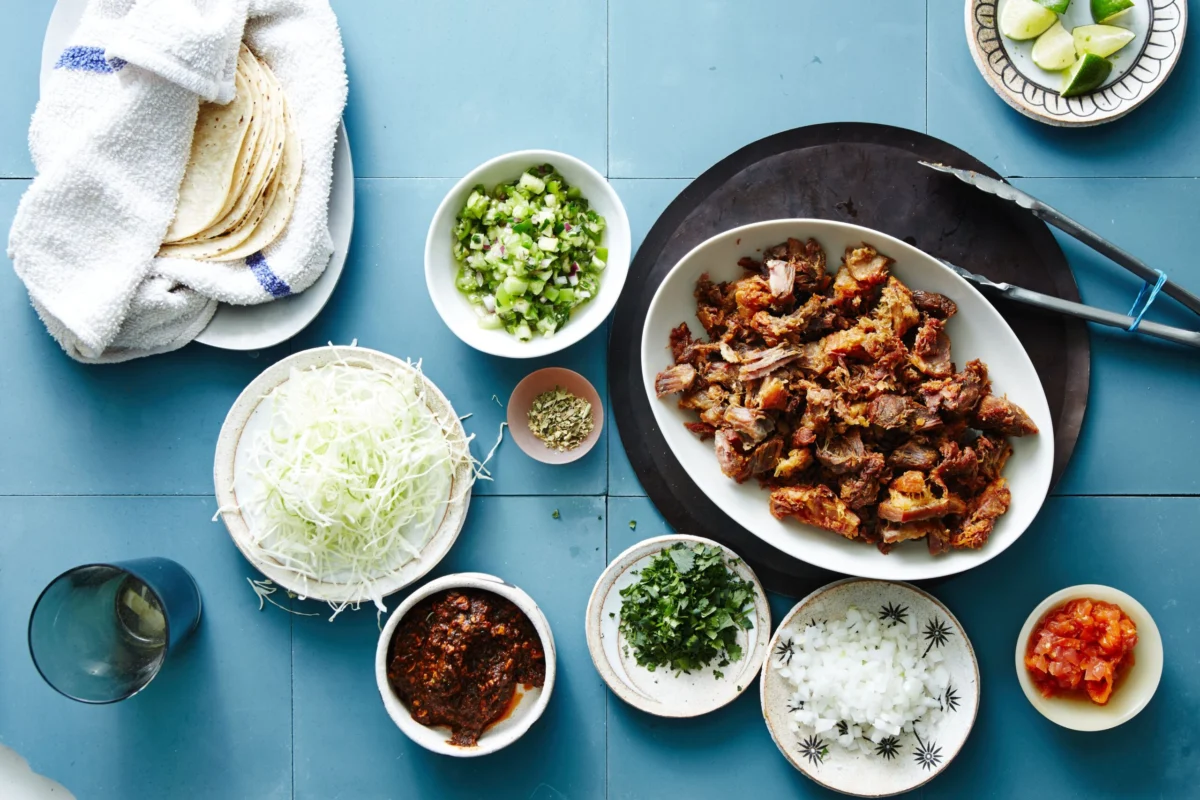
The culinary landscape of Mexican cuisine, rich in tradition and diverse flavors, is currently witnessing a notable emphasis on foundational techniques and quality ingredients, exemplified by a recent "double-pork" carnitas recipe that prioritizes depth of flavor through intentional simplicity. This particular rendition, which combines both pork belly and pork shoulder, distills the essence of one of Mexico’s most revered pork dishes into an unfussy approach built upon two critical pillars: superior meat sourcing and meticulous patience in preparation.
The Essence of Carnitas: A Historical and Culinary Overview
Carnitas, meaning "little meats" in Spanish, represent a cornerstone of Mexican gastronomy, particularly celebrated in the state of Michoacán, where its origins are deeply rooted. Historically, the preparation of carnitas is a laborious process, involving the slow cooking of various cuts of pork in a large copper cauldron (cazo) with lard (manteca) and sometimes a mixture of water, milk, and citrus, until the meat achieves a state of profound tenderness. The final, crucial step involves increasing the heat to crisp the exterior, resulting in a unique texture profile—succulent and shreddable within, yet deeply browned and crackly on the outside. This dual texture, coupled with the concentrated pork flavor, is what elevates carnitas from a simple meat dish to a culinary art form.
Traditional carnitas often feature a medley of pork cuts, including shoulder, ribs, belly, and even offal, each contributing distinct textures and flavors to the final product. The slow confit-like cooking method, often spanning several hours, allows the collagen in the pork to break down, rendering the meat incredibly tender, while the fat slowly melts, effectively frying the pork in its own juices and rendered lard. The inclusion of ingredients like orange juice or zest, garlic, bay leaves, or even Coca-Cola in some regional variations, serves to tenderize the meat further, add subtle aromatic complexity, and contribute to the caramelization process.
A Modern Interpretation: The "Double-Pork" Approach
The streamlined recipe under examination departs from some of these traditional aromatic additions, opting for a deliberately minimalist braise. This methodological shift is not merely about convenience but represents a philosophical choice to allow the inherent quality and flavor of the pork to take center stage. By stripping out the citrus, spices, and other aromatics typically found in many carnitas preparations, the recipe aims to achieve a pure, unadulterated pork flavor that is both intense and nuanced.
The "double-pork" designation is central to this recipe’s distinctiveness. It mandates the use of both pork belly and pork shoulder, a strategic combination designed to maximize both flavor and textural variety. Boneless pork shoulder, often referred to as pork butt or Boston butt, is the traditional and preferred cut for carnitas due to its ideal fat-to-meat ratio and connective tissue content, which breaks down beautifully during slow cooking, yielding incredibly tender and shreddable meat. The addition of pork belly, renowned for its rich fat content and layers of lean meat, introduces an unparalleled depth of richness and ensures an abundance of the coveted crispy bits that are a hallmark of well-executed carnitas. This synergistic combination provides a more complex and satisfying mouthfeel than pork shoulder alone, which, while excellent, can be slightly leaner and less varied in texture.
The Crucial Role of Ingredients and Technique
The recipe’s success hinges significantly on the quality of the primary ingredient: the pork itself. In an era where consumers are increasingly conscious of food sourcing, the recommendation for "great meat" underscores the importance of selecting high-quality pork. This could involve pasture-raised pork, specific heritage breeds known for superior flavor, or meat sourced from reputable butchers, including the growing number of online purveyors who specialize in premium cuts. The fat content and marbling of the pork directly influence the final taste and texture of the carnitas, making ingredient selection a foundational step.
Patience is the second pillar of this recipe. The slow-cooking process, whether achieved through braising in a Dutch oven, slow cooker, or Instant Pot, is paramount. It allows the pork to gently cook in its own rendered fat and a minimal amount of liquid, achieving an optimal state of tenderness. This extended cooking time facilitates the breakdown of collagen into gelatin, resulting in a moist, succulent interior that can be easily shredded.
The final step—crisping the pork in its own fat—is where the magic truly happens and is often the make-or-break moment for carnitas. After the slow braise, the meat is removed from the cooking liquid and allowed to crisp in batches in a wide skillet, utilizing the copious amount of rendered pork fat. This frying process is essential for developing the deeply browned, crackly edges and concentrated pork flavor that define authentic carnitas. Overcrowding the skillet is identified as a common pitfall, leading to steaming rather than frying, which prevents the desired crisp texture from forming. By cooking in manageable batches, each piece of pork has adequate contact with the hot fat, facilitating the Maillard reaction and achieving that coveted golden-brown, crunchy exterior.
Serving Traditions and Modern Adaptations
Once the carnitas are perfectly cooked—juicy, shreddy, and boasting those essential crispy edges—they become the star of various Mexican culinary presentations. The most iconic application is in tacos, where the shredded pork is nestled into warm corn tortillas. The choice of tortilla is often debated among aficionados, with homemade corn tortillas offering a significant upgrade in flavor and texture, though high-quality store-bought options are widely available.
The accompanying toppings are typically kept simple to allow the rich flavor of the carnitas to shine. Fresh cilantro, finely chopped white onion, and a squeeze of lime are classic additions, providing a refreshing counterpoint to the richness of the pork. Other popular accompaniments include sliced avocado or creamy guacamole, providing a luxurious texture and healthy fats. Salsas play a crucial role in customizing the heat and flavor profile; salsa verde offers a tangy, often spicy, green chili kick, while a vibrant habanero jam can introduce a sweet-heat complexity. A dollop of Mexican crema, similar to sour cream but tangier and thinner, adds a cooling, dairy-rich element.
Beyond tacos, carnitas are versatile and can be incorporated into other traditional Mexican dishes such as tortas (sandwiches), sopes (thick corn tortillas with toppings), or even simply served as a main course with rice and beans. The communal nature of preparing and sharing carnitas, often at family gatherings or festive occasions, further solidifies its cultural significance.
Broader Implications and Culinary Trends
This minimalist "double-pork" carnitas recipe reflects several broader trends in contemporary cuisine. Firstly, it aligns with a growing appreciation for ingredient-driven cooking, where the quality of raw materials is prioritized over elaborate preparation or excessive flavoring. This movement champions the inherent flavors of ingredients, encouraging cooks to select superior products.
Secondly, it speaks to the enduring appeal of authentic ethnic cuisine, particularly Mexican food, which continues to gain global popularity. As consumers seek more genuine culinary experiences, recipes that distill traditional dishes to their fundamental, flavorful components resonate strongly. This recipe offers a relatively accessible pathway for home cooks to recreate a dish often perceived as complex, thereby democratizing access to authentic flavors.
Thirdly, the emphasis on slow cooking and the full utilization of pork cuts (pork belly and shoulder) aligns with principles of sustainable cooking and nose-to-tail eating, which advocate for minimizing waste and appreciating all parts of an animal. While not explicitly stated, the efficient rendering and use of pork fat in the crisping stage is a nod to traditional practices that valued every component.
Finally, the recipe’s approach highlights the ongoing dialogue between culinary tradition and innovation. While some purists might argue against simplifying traditional methods, this recipe demonstrates that innovation can also mean refining and focusing, rather than merely adding new elements. By understanding the core mechanics and flavor profiles of carnitas, this recipe respectfully reinterprets it for a modern context, proving that a deep appreciation for the original can lead to new, equally compelling expressions.
Expert Insights (Inferred)
Culinary historians might observe this recipe as an example of how traditional dishes adapt to modern lifestyles without sacrificing authenticity. "The beauty of carnitas lies in its simplicity at heart—pork, fat, and time," states Dr. Elena Ramirez, a food anthropologist. "Recipes like this demonstrate a return to that fundamental truth, allowing the quality of the meat to truly shine, which is often lost in overly complicated versions."
Similarly, professional chefs might commend the recipe’s focus. Chef Ricardo Sanchez, known for his work in traditional Mexican cuisine, might comment, "Many home cooks are intimidated by carnitas. This recipe provides a solid foundation, emphasizing the two most critical elements: excellent pork and the technique of crisping. It’s a masterclass in controlled minimalism, showing that sometimes, less truly is more for maximum impact."
For the home cook, the implications are significant. It empowers individuals to create a restaurant-quality dish in their own kitchen by demystifying a seemingly complex process. The clear guidance on crucial steps, such as proper crisping, directly addresses common challenges, enhancing the likelihood of success and fostering culinary confidence. This "unfussy" approach could inspire more home cooks to explore other traditional dishes, fostering a deeper connection to diverse culinary heritage.
Conclusion
The "double-pork" carnitas recipe, with its strategic combination of pork belly and shoulder and its commitment to a minimalist preparation, stands as a testament to the power of quality ingredients and patient technique. By stripping away extraneous elements, it refocuses attention on the profound, concentrated flavor of pork, culminating in a dish that is both deeply traditional in spirit and refreshingly modern in its execution. It offers a clear pathway for home cooks to achieve the quintessential balance of juicy tenderness and crisp texture that defines authentic carnitas, further cementing this iconic Mexican dish’s place in the global culinary lexicon. As discerning diners and home cooks increasingly seek both authenticity and approachable methods, recipes like this exemplify a thoughtful evolution in how we engage with and celebrate timeless culinary traditions.
