

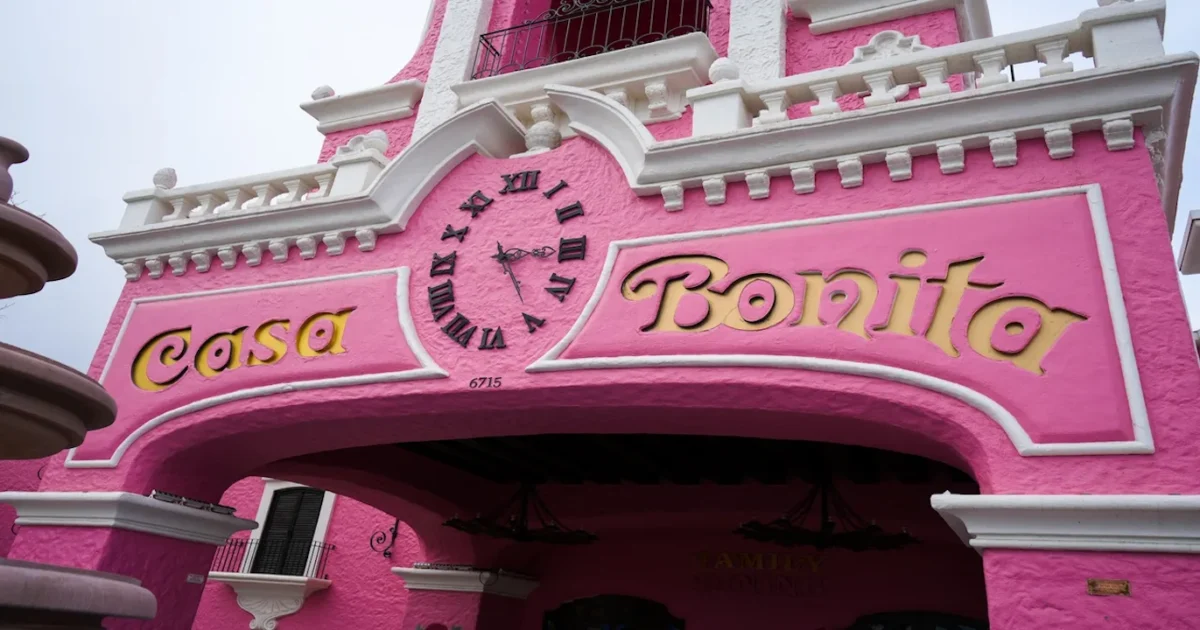
The iconic Denver-based Mexican restaurant, Casa Bonita, is scheduled to appear before the National Labor Relations Board (NLRB) in December for a hearing concerning accusations of unfair labor practices. The official complaint, issued by the NLRB, alleges that Casa Bonita’s management has engaged in discriminatory actions against staff who voted to unionize with the Actors’ Equity Association and has refused to bargain in good faith with its newly unionized employees. This development marks a significant escalation in the ongoing labor dispute at the famed, albeit recently revived, entertainment complex.
A Beloved Icon’s Tumultuous Journey
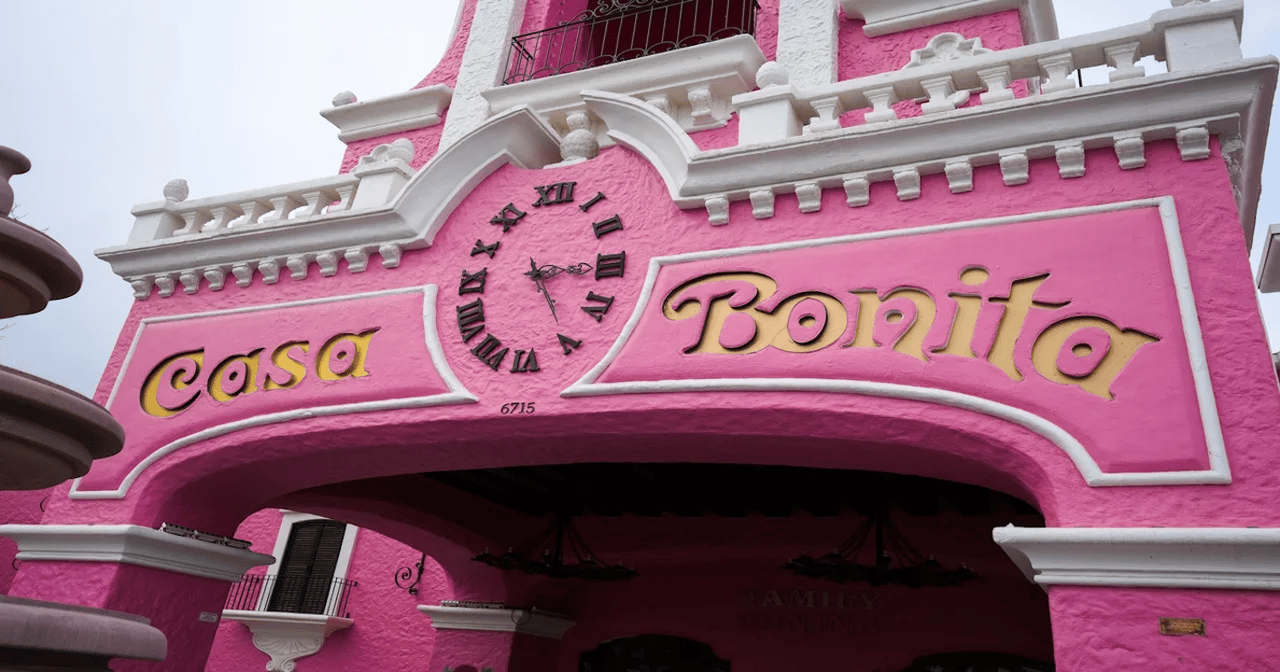
Casa Bonita, once a sprawling chain renowned as the "Disneyland of Mexican restaurants," captured the public imagination with its flamboyant, over-the-top decor. The establishment is instantly recognizable by its vibrant pink exterior, an elaborate indoor waterfall that serves as a dramatic backdrop for cliff divers, and a cast of entertainers including puppeteers and magicians. This unique blend of dining and live performance created a memorable experience that solidified its status as a cultural landmark.
However, the restaurant’s distinctive charm proved insufficient to weather the economic storm brought on by the COVID-19 pandemic. Like many businesses in the hospitality sector, Casa Bonita struggled to maintain operations, leading its previous ownership, Summit Family Restaurants, to file for bankruptcy in 2021. The once-extensive chain was reduced to its single, flagship Denver location.
The fate of this beloved, kitschy institution took a turn when it was acquired by the creators of the animated television show "South Park," Trey Parker and Matt Stone. The duo, whose creative endeavors often touch upon and celebrate unique aspects of American culture, purchased the restaurant with a stated ambition to revitalize it. Their ambitious $40 million renovation plan aimed to restore Casa Bonita to its former glory, preserving its eccentric appeal while addressing long-standing operational and structural issues.
The Rise of Unionization and Labor Disputes
Despite the optimistic outlook following its acquisition and the promise of a grand reopening, the post-renovation era at Casa Bonita has been marked by significant labor friction. The core of the restaurant’s workforce, particularly its performers and entertainers, sought to secure better working conditions and compensation through collective bargaining. These individuals, many of whom are represented by the Actors’ Equity Association, voted to unionize in November 2024.
Since the union’s formation, negotiations between Casa Bonita’s management and its employees have been contentious. A pivotal moment in the escalating dispute occurred last September when the union filed an Unfair Labor Practices charge. This action was precipitated by the restaurant’s decision to reduce worker hours without prior consultation or engagement in collective bargaining, a move the union viewed as a direct contravention of labor laws and an attempt to undermine union efforts.
In response to the perceived intransigence of management and the alleged unfair labor practices, workers organized a strike on Halloween. This action, though temporary, highlighted the depth of the dissatisfaction among the staff and brought renewed public attention to the labor dispute.
The plight of the Casa Bonita employees also garnered support from prominent figures in the entertainment industry. In July, actress Brooke Shields, who also holds the esteemed position of president of the Actors’ Equity labor organization, visited Casa Bonita. During her visit, Shields publicly voiced her solidarity with the workers, advocating for their demands for improved wages and a comprehensive collective bargaining agreement that would ensure fairer working conditions. Her endorsement lent significant visibility to the workers’ cause, underscoring the national relevance of the labor struggle at the iconic restaurant.
The NLRB’s Intervention and Upcoming Hearing
The ongoing labor disputes and the union’s formal charges have now led to official intervention by the National Labor Relations Board (NLRB). The NLRB, an independent federal agency responsible for enforcing U.S. labor law, has issued a formal complaint against Casa Bonita. This complaint consolidates the allegations of unfair labor practices, specifically citing the restaurant’s refusal to engage in good-faith bargaining with the unionized employees and instances of discrimination against those who supported unionization.
The NLRB’s action signifies that the agency has reviewed the evidence presented by the union and has determined that there is sufficient cause to proceed with a formal hearing. This hearing will provide a platform for both parties to present their cases, with the NLRB acting as the adjudicator. The outcome of this hearing could have significant implications for Casa Bonita’s management, its employees, and the broader landscape of labor relations within the entertainment and hospitality sectors.
Andrea Hoeschen, general counsel for Actors’ Equity Association, issued a statement emphasizing the union’s perspective on the NLRB’s involvement. "This complaint vindicates what the workers have been saying throughout 18 months of bargaining: Casa Bonita would rather play games with their livelihoods than seriously bargain for a fair contract," Hoeschen stated. "The NLRB’s complaint should be a wakeup call for the employer, but whether or not they choose to do the right thing, we’re in this for the long haul." This statement underscores the union’s commitment to achieving a fair resolution and highlights their perception of management’s approach to the negotiations.
The NLRB hearing is officially slated to commence on Monday, December 7, in Denver. The proceedings are expected to delve into the specifics of the alleged unfair labor practices, examining the actions taken by Casa Bonita’s management in relation to the unionized employees. This legal and administrative process is crucial for determining whether the restaurant has violated federal labor laws and what remedies, if any, may be imposed.
Broader Implications and Context
The labor dispute at Casa Bonita is not an isolated incident but reflects a broader trend of increased unionization efforts and labor activism within industries that have historically been perceived as less organized. The Actors’ Equity Association, known for representing actors and stage managers in theater, has been increasingly active in advocating for performers and entertainment workers across various venues, including theme parks and iconic attractions.
Casa Bonita’s unique status as a cultural landmark, coupled with its high-profile ownership by "South Park" creators, has amplified the visibility of this labor conflict. The $40 million investment and the promise of a spectacular revival created high expectations, and the subsequent labor issues have cast a shadow over these efforts. The situation raises questions about the balance between reviving a beloved establishment and ensuring equitable treatment and fair compensation for the workers who bring these attractions to life.
The NLRB’s involvement underscores the legal framework designed to protect workers’ rights to organize and bargain collectively. The agency’s role is to ensure that employers do not interfere with these rights or retaliate against employees for engaging in union activities. The hearing will scrutinize whether Casa Bonita has adhered to these legal obligations.
The implications of the NLRB’s decision could extend beyond Casa Bonita. A ruling in favor of the union might embolden other entertainment and hospitality workers to pursue collective bargaining. Conversely, a decision that sides with management could potentially set a precedent that influences future labor relations in similar establishments. The case is being closely watched by labor advocates, industry analysts, and the wider public, given the iconic nature of Casa Bonita and the high stakes involved for both the employees and the future of the restaurant itself.
As the December 7th hearing approaches, the focus remains on the pursuit of a resolution that upholds labor rights and ensures a sustainable and equitable future for Casa Bonita and its dedicated workforce. The outcome will not only shape the immediate operational landscape of the Denver restaurant but could also contribute to the ongoing dialogue surrounding labor practices in the revitalized entertainment and dining sectors. Casa Bonita, a symbol of unique American entertainment, now finds itself at the center of a critical legal and ethical examination of its labor relations.
Casa Bonita did not respond to a request for comment in time for publication.
