

Oats, a humble cereal grain, have transcended their traditional role as a simple breakfast staple to become a cornerstone of healthy eating worldwide. Renowned for their robust nutritional profile and remarkable adaptability in the kitchen, oats offer a multitude of benefits, from supporting cardiovascular health to aiding digestive function. This ancient grain, scientifically known as Avena sativa, provides a versatile foundation for meals throughout the day, extending far beyond the conventional morning bowl to encompass a wide array of culinary creations, including baked goods, savory dishes, and convenient make-ahead options.
The Nutritional Powerhouse: Unpacking Oat Benefits

At the heart of oats’ widespread acclaim lies their impressive nutritional composition. Oats are distinguished as a whole grain, meaning they contain all three parts of the grain kernel: the bran, germ, and endosperm. This intact structure ensures that a wealth of essential nutrients, including dietary fiber, complex carbohydrates, plant-based protein, and a spectrum of vitamins and minerals, are preserved.

One of the most significant components of oats is beta-glucan, a soluble fiber largely responsible for many of its documented health benefits. Beta-glucan has been extensively studied for its ability to lower levels of low-density lipoprotein (LDL) cholesterol, often referred to as "bad" cholesterol, thereby contributing to improved heart health. The U.S. Food and Drug Administration (FDA) has recognized this link, allowing food products containing sufficient amounts of beta-glucan from oats to carry a health claim regarding reduced risk of heart disease. This soluble fiber also plays a crucial role in regulating blood sugar levels, making oats an excellent food choice for individuals managing diabetes or seeking to maintain stable energy throughout the day. By slowing down the absorption of glucose, oats help prevent sharp spikes and subsequent crashes in blood sugar.

Beyond beta-glucan, oats are a valuable source of insoluble fiber, which promotes digestive regularity and helps prevent constipation. A single serving of oats can contribute significantly to the recommended daily fiber intake, which is typically between 25 to 30 grams for adults. This high fiber content also contributes to satiety, helping individuals feel fuller for longer and potentially aiding in weight management by reducing overall calorie intake.

In terms of micronutrients, oats are rich in manganese, a mineral vital for bone health and metabolism. They also provide a good supply of magnesium, essential for muscle and nerve function, blood glucose control, and blood pressure regulation. Other notable nutrients include iron, important for oxygen transport; phosphorus, crucial for bone and teeth formation; zinc, for immune function; and B vitamins like thiamine (B1), which plays a key role in energy metabolism. The presence of powerful antioxidants, including avenanthramides, which are unique to oats, further enhances their health-protective properties, offering anti-inflammatory and anti-itch benefits.
A Glimpse Through Time: The History and Evolution of Oats
The journey of oats from a wild grass to a cultivated staple spans millennia. Evidence suggests that oats were first domesticated in ancient Europe and the Near East, though they were initially considered a weed among more prized grains like wheat and barley. It wasn’t until the Bronze Age, around 2500 BCE, that oats began to be cultivated purposefully, particularly in cooler, wetter climates where other grains struggled. The ancient Greeks and Romans, however, still viewed oats as a coarse food, primarily suitable for livestock.
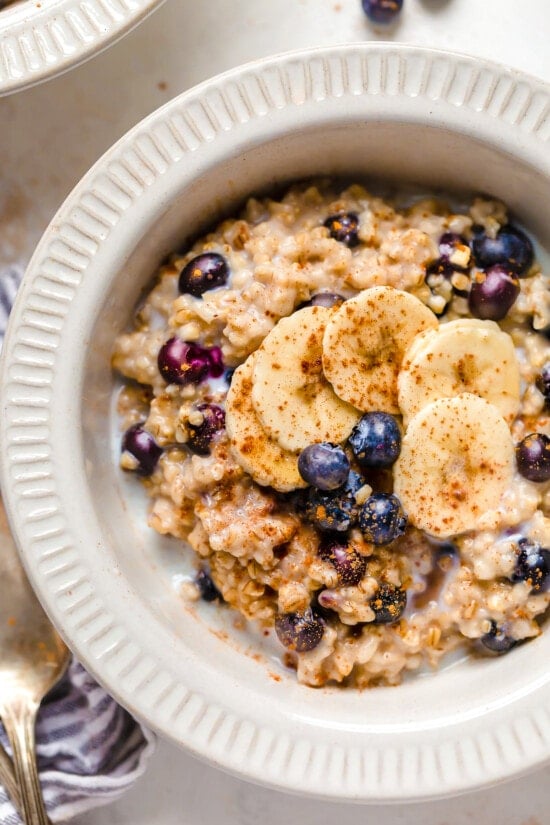
It was in Northern Europe, especially among Celtic and Germanic tribes, that oats found their true culinary calling. The Scots, in particular, embraced oats as a foundational food, transforming them into their national dish, porridge. The practical nature of oats, their ability to grow in less fertile soil, and their sustained energy release made them an invaluable resource for these populations. The introduction of oats to North America came with European settlers in the 17th century, where they quickly became a staple for both humans and animals.
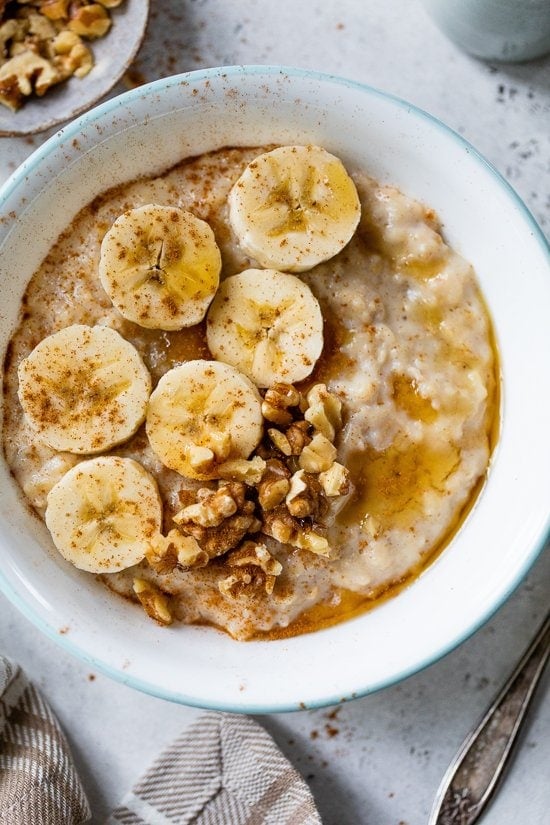
The 19th and 20th centuries saw the industrialization of oat processing, leading to the development of rolled oats and quick-cooking oats, which made preparation even more convenient. In recent decades, a renewed focus on whole foods and nutrient-dense diets has propelled oats back into the spotlight, not just as a breakfast cereal but as a versatile ingredient integral to contemporary healthy cooking.

Understanding Oat Varieties: A Guide to Selection
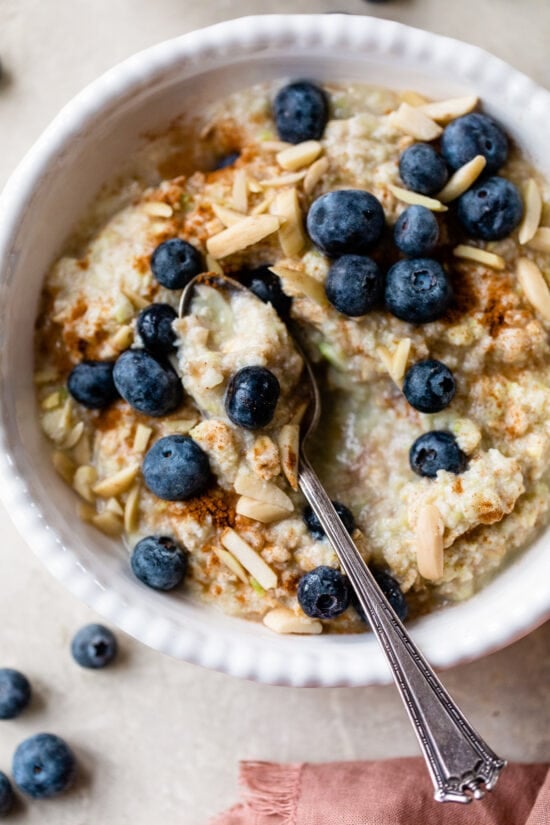
The world of oats offers several distinct types, each with unique characteristics that influence cooking time, texture, and suitability for different recipes. Understanding these differences is key to successful culinary application.
- Steel-Cut Oats (Irish Oats): These are whole oat groats (the hulled kernels) that have been cut into two or three pieces with a steel blade. They are the least processed form of oats, resulting in a chewy texture and nutty flavor. Steel-cut oats take the longest to cook, typically 20-30 minutes on the stovetop, but they can be efficiently prepared in a slow cooker or Instant Pot, reducing active cooking time significantly. Their robust texture makes them ideal for hearty porridges and savory applications.
- Rolled Oats (Old-Fashioned Oats): Produced by steaming and then rolling whole oat groats into flat flakes. This process stabilizes the oats, preventing spoilage, and also decreases cooking time compared to steel-cut oats, usually around 5-10 minutes. Rolled oats absorb more liquid and hold their shape well during cooking, making them incredibly versatile for traditional oatmeal, baked goods like cookies and muffins, granola, and overnight oats.
- Quick Oats (Instant Oats): These are rolled oats that have been further processed by being cut into smaller pieces, steamed longer, and rolled thinner. This extensive processing results in a very soft texture and the fastest cooking time, often just 1-2 minutes or simply by adding hot liquid. While convenient, quick oats may have a slightly higher glycemic index than steel-cut or rolled oats due to their finer texture, though they still retain the nutritional benefits of whole grain oats. They are best for instant porridges and recipes where a softer texture is desired.
- Oat Flour: Made by finely grinding whole rolled oats. When made from whole oats, oat flour retains all the fiber and nutrients of the original grain. It is a popular gluten-free alternative flour in baking, adding a slightly sweet, nutty flavor and a tender crumb to breads, muffins, and pancakes. It’s crucial to note that oat flour should be used as specified in recipes, as its absorption properties differ from wheat flour.
It is important to select the specific type of oat indicated in a recipe, as swapping them freely can significantly alter the liquid requirements, cooking time, and final texture of the dish.
Culinary Versatility: Beyond the Traditional Bowl
The expansive world of healthy oatmeal recipes truly showcases the grain’s versatility, moving beyond simple breakfast porridge into a realm of innovative and satisfying meals. From make-ahead solutions to savory concoctions and wholesome baked treats, oats offer a canvas for countless culinary explorations.

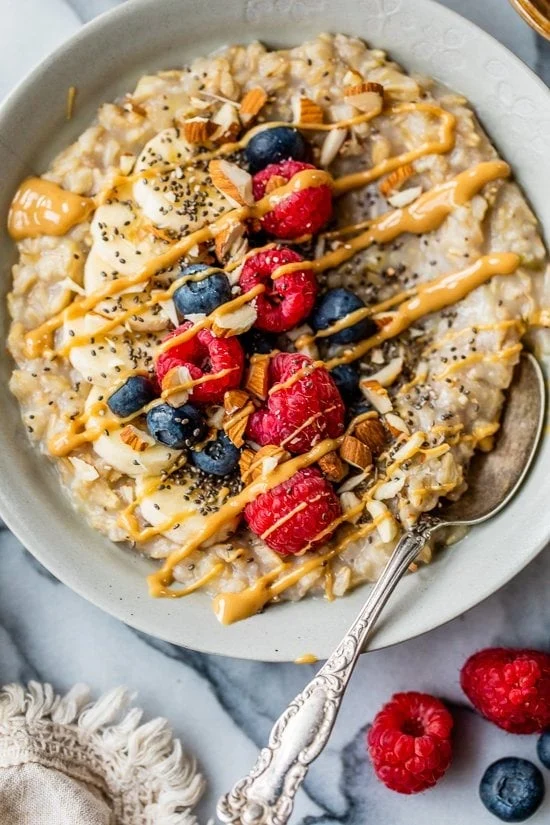
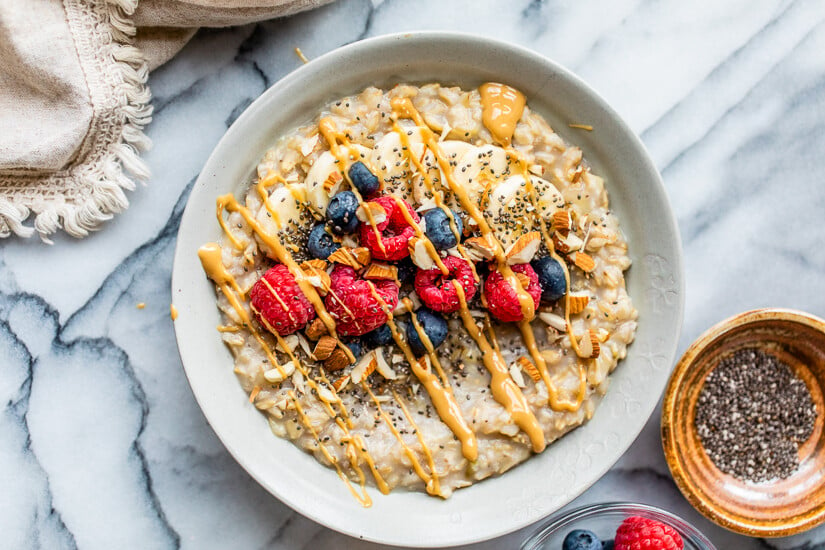
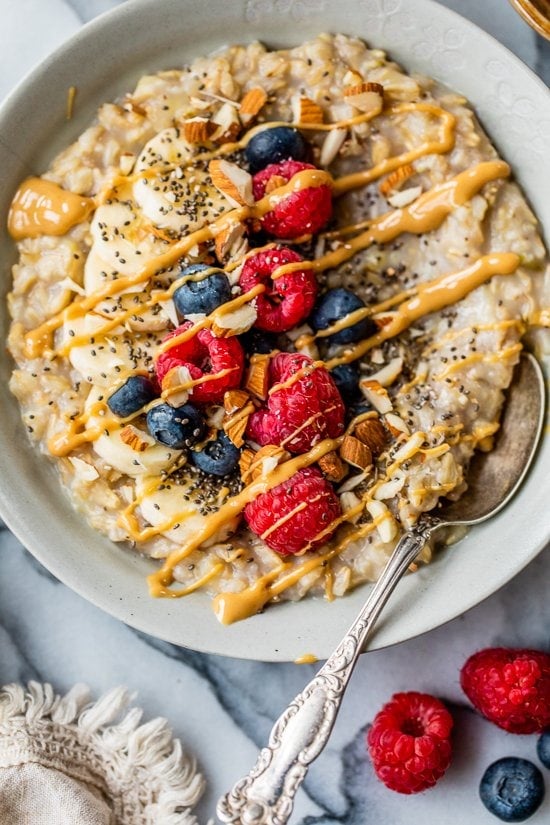
- The Classic Warm Bowl, Reimagined: While a traditional bowl of oatmeal remains a comforting and nourishing start to the day, modern interpretations abound. Recipes like Peanut Butter Breakfast Oatmeal offer a rich, protein-packed twist, while Banana Nut Protein Oats incorporate vanilla protein powder and egg whites for an extra boost, providing sustained energy. Using an Instant Pot or Slow Cooker for steel-cut oats transforms a lengthy cooking process into a hands-off affair, yielding perfectly tender grains ready for customization with fruits, nuts, and spices. These methods are particularly advantageous for meal prepping, allowing for multiple servings to be prepared simultaneously.
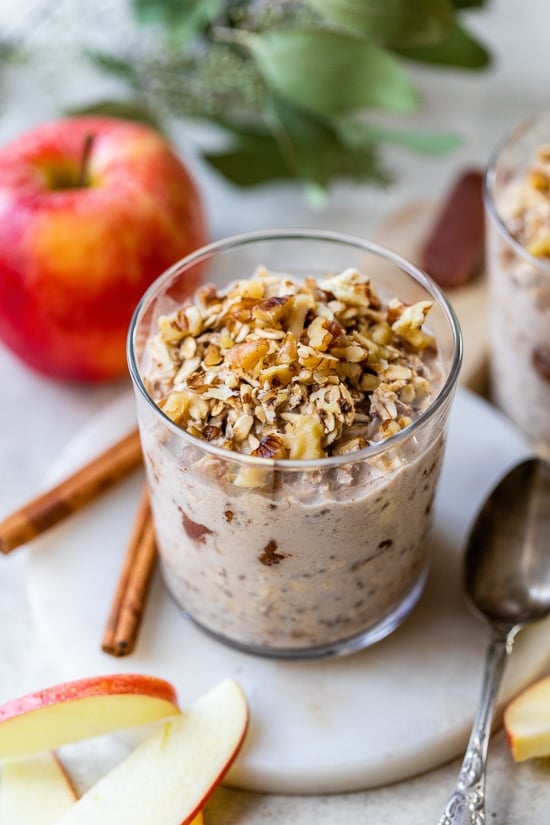
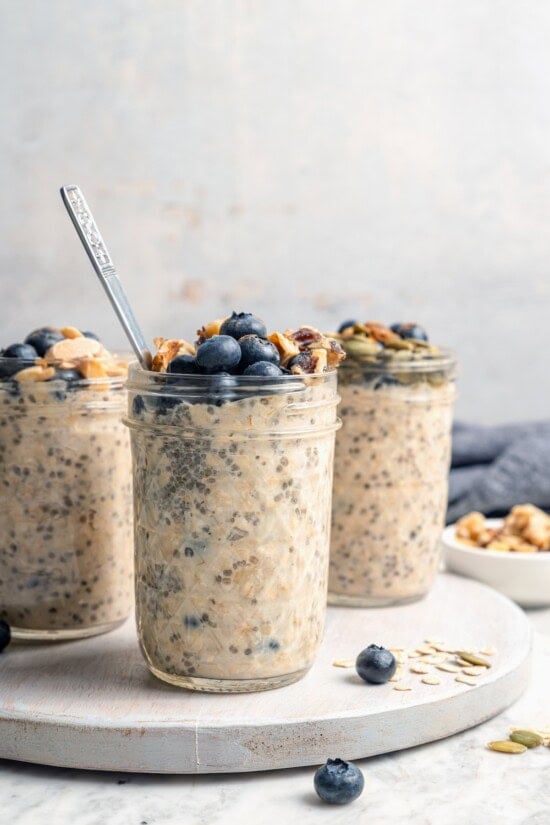
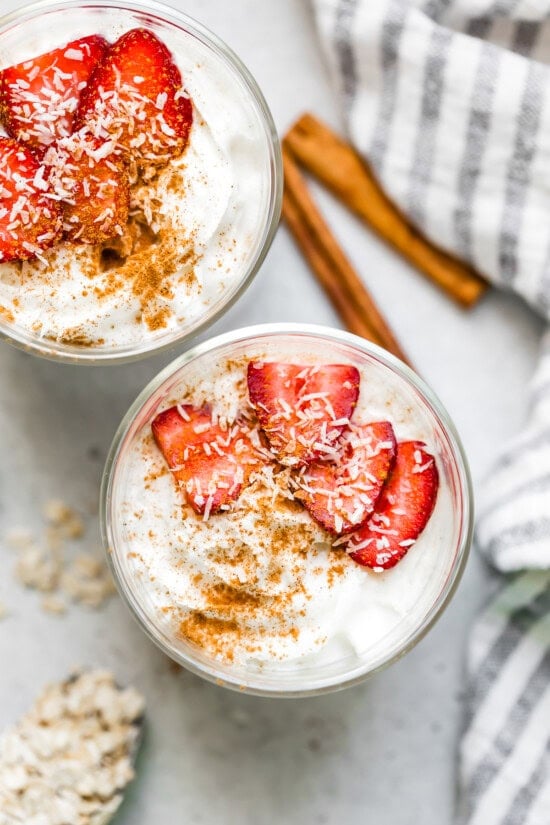
- Overnight Oats: The Epitome of Convenience: For those with busy mornings, overnight oats are an indispensable solution. By simply combining rolled oats with milk, yogurt, chia seeds, and desired flavorings, and allowing them to soak overnight in the refrigerator, a ready-to-eat, no-cook breakfast is waiting. Flavors can range from seasonal delights like Apple Pie Overnight Oats, bursting with spiced apples and maple syrup, to decadent yet healthy options such as Tres Leches Overnight Oats, mimicking the beloved cake with a trio of milks for a rich, creamy texture. The adaptability of this method allows for endless creativity, incorporating everything from berries and bananas to pumpkin puree for a Pumpkin Pie Overnight Oats experience.
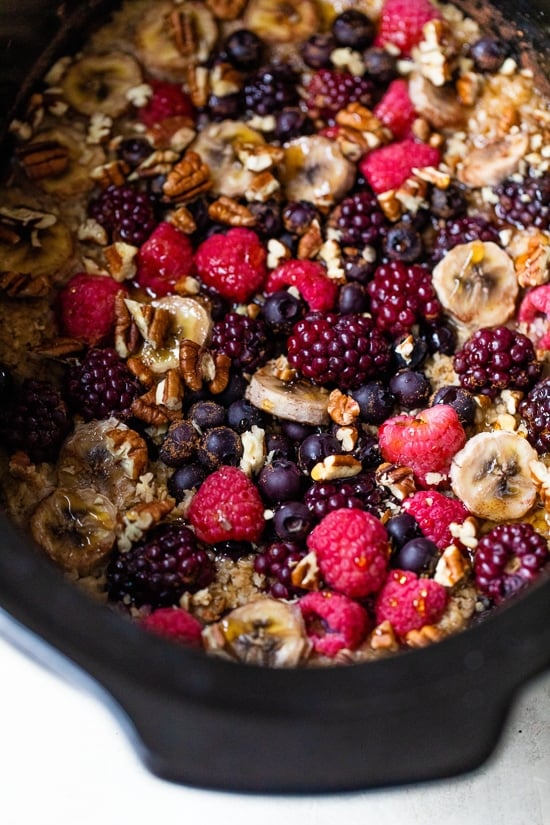
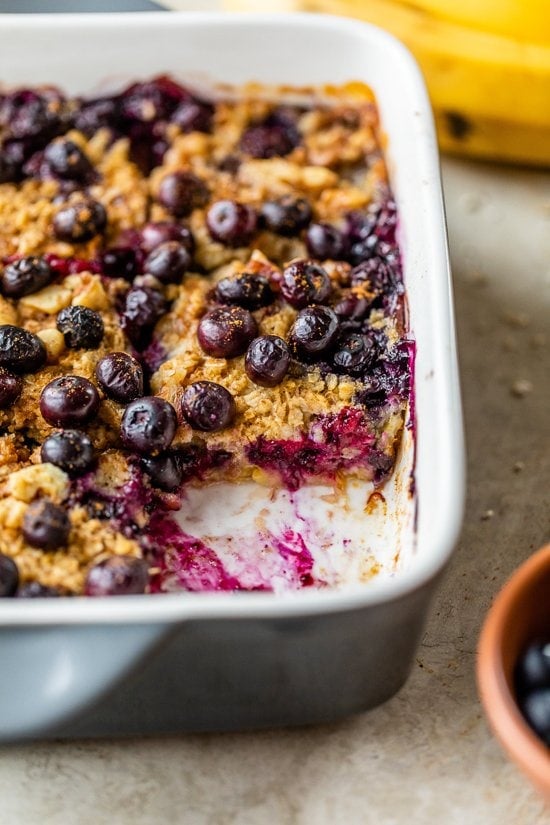
- Baked Oatmeal and Portable Treats: Oats lend themselves beautifully to baking, creating substantial and wholesome alternatives to traditional breakfast pastries. Baked Oatmeal with Blueberries and Bananas offers a comforting, casserole-style dish perfect for family breakfasts or brunch, providing a warm, cake-like texture. For grab-and-go convenience, Pumpkin Baked Oatmeal Cups or Instant Pot Oatmeal Banana Bars transform baked oatmeal into individual, portable portions, ideal for busy weekdays. These baked variations often integrate additional healthy ingredients like Greek yogurt, pumpkin puree, or mashed bananas, enhancing both flavor and nutritional value.
- Savory Oats: A Bold Culinary Frontier: Breaking from the sweet tradition, savory oatmeal is an emerging trend that highlights the grain’s potential as a hearty base for lunch or dinner. A Savory Steel Cut Oatmeal Bowl, for instance, might feature steel-cut oats simmered with chicken breakfast sausage, sautéed mushrooms, and Parmesan cheese, crowned with a fried egg. This unexpected combination delivers a protein-rich, satisfying meal that challenges conventional breakfast norms and offers a unique way to enjoy oats. Similarly, Zoats (Zucchini Oats) cleverly incorporate grated zucchini into a sweet oatmeal base, mimicking the flavor profile of zucchini bread while boosting vegetable intake and fiber.
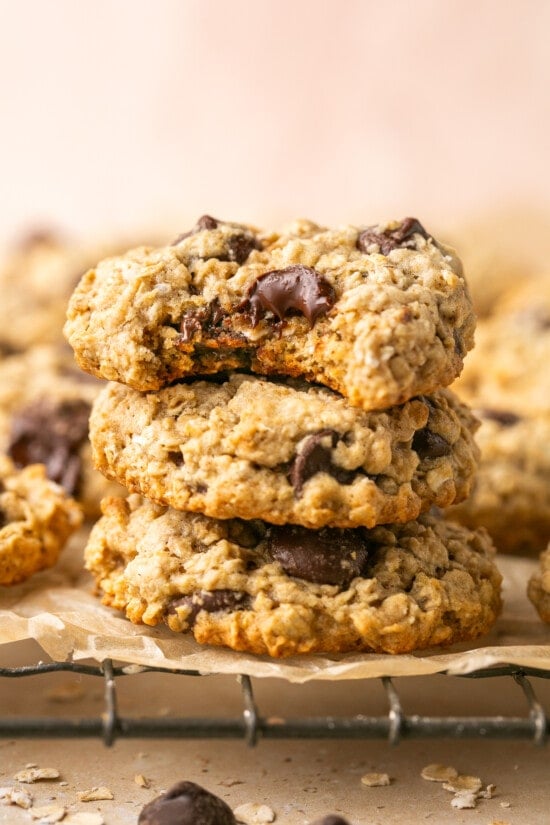
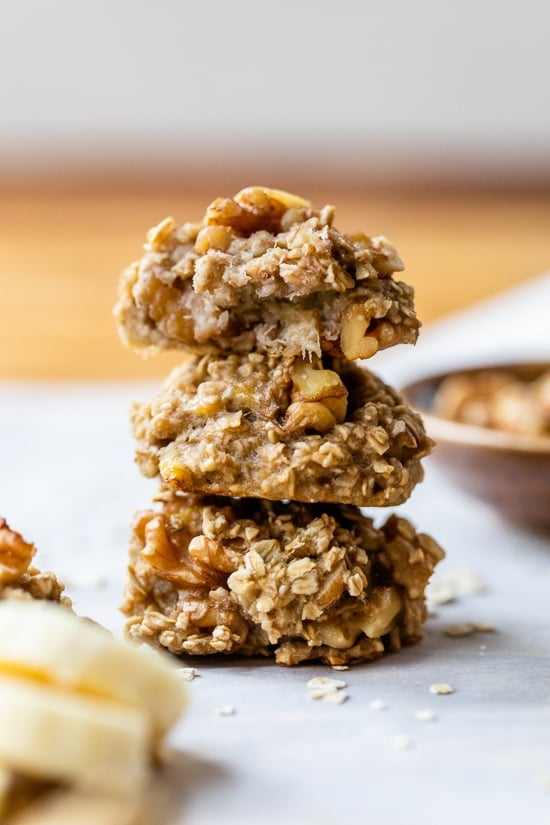
- Oats in Smoothies, Waffles, and Beyond: The utility of oats extends to thickening smoothies and acting as a base for protein-rich waffles. An Oatmeal Berry Smoothie Bowl provides a nutrient-dense breakfast that combines the creaminess of a smoothie with the textural appeal of oatmeal, often topped with fresh fruit and granola. For a substantial breakfast, High Protein Waffles made from oat flour, cottage cheese, and eggs offer a lighter yet filling alternative to traditional flour-based recipes. Even cookies, typically seen as indulgent treats, can be transformed into healthy, fiber-rich snacks or light breakfasts, such as Healthy Banana Oatmeal Cookies or Peanut Butter Oatmeal Protein Cookies, often made without traditional flour and packed with natural sweetness and protein. Chocolate Banana Oat Bread showcases oat flour’s ability to create moist, flavorful baked goods, offering a healthier take on a classic.
Dietary Considerations: Oats and Gluten-Free Diets
While oats are naturally gluten-free, their processing and cultivation methods can sometimes lead to cross-contamination with gluten-containing grains like wheat, barley, and rye. For individuals with celiac disease or gluten sensitivity, it is imperative to choose oats that are specifically labeled "gluten-free." These oats are typically processed in dedicated facilities to prevent contamination and ensure their safety for those adhering to a gluten-free diet. The Celiac Disease Foundation provides comprehensive guidance on selecting safe oat products, emphasizing the importance of certification. Oats are also a cornerstone of many plant-based and vegan diets, providing essential nutrients and versatility.

Expert Perspectives and Broader Implications

Nutrition experts consistently laud oats for their role in promoting overall health. Dietitians frequently recommend incorporating whole grains like oats into daily diets to improve fiber intake, support cardiovascular health, and aid in blood sugar management. The emphasis on whole, unprocessed foods in contemporary dietary guidelines further solidifies oats’ position as a "superfood."
The increasing consumer demand for healthy, convenient, and plant-based food options has propelled oats to the forefront of the food industry. Manufacturers are responding by offering a wider range of oat products, from various types of rolled oats to oat milk, oat-based snacks, and even oat-based meat alternatives. This trend reflects a broader societal shift towards health consciousness and a desire for foods that are both nourishing and sustainably produced. Oats are also recognized for their relatively low environmental impact compared to other crops, requiring less water and fewer pesticides, aligning with growing consumer interest in sustainable food systems.
In conclusion, oats represent more than just a breakfast cereal; they are a nutritional powerhouse and a culinary chameleon, capable of transforming into an array of delicious and healthful dishes. From their ancient origins to their modern resurgence, oats continue to prove their enduring value, offering a rich source of fiber, protein, vitamins, and minerals. As dietary trends continue to emphasize whole grains, plant-based eating, and convenient nutrition, oats are poised to remain a staple in healthy kitchens and an essential component of a balanced diet for years to come.
