

The corporate entity formerly known as Fat Brands, a prominent Los Angeles-based owner of a diverse portfolio of franchised restaurant chains, has undergone a significant rebranding and is now operating under the name OHG Brands. This strategic name change marks the first major action taken by the company’s new ownership following a tumultuous period that culminated in a Chapter 11 bankruptcy filing in January. The acronym OHG is intended to signify "Original, Honest, Good," reflecting a stated commitment to foundational values as the company navigates its post-bankruptcy landscape.
The transition to OHG Brands comes after Fat Brands filed for bankruptcy with an staggering $1.4 billion in debt. The majority of this debt was attributed to a series of complex whole business securitizations executed in 2021, a financial strategy that, while enabling rapid expansion, ultimately proved to be a significant burden. The bankruptcy proceedings led to the division and sale of the company’s extensive brand portfolio, impacting numerous well-known restaurant concepts.
A Fractured Portfolio: Brands Under New Ownership
The restructuring process saw several of Fat Brands’ most recognizable chains find new homes. Twin Peaks, a sports-themed restaurant chain, was acquired by a group of bondholders involved in the original securitizations. This entity appears poised for a subsequent sale to a consortium of its own franchisees, a move that could offer greater operational stability and alignment with the on-the-ground business experience.
Other brands were divested in separate transactions. Hot Dog on a Stick, a nostalgic fast-casual chain known for its distinctive hot dogs and lemonade, and Elevation Burger, a fast-casual burger chain emphasizing organic ingredients, were sold to different, independent operators. These sales represent a strategic unbundling of the former Fat Brands empire, with each acquired chain now charting its own course under new leadership.
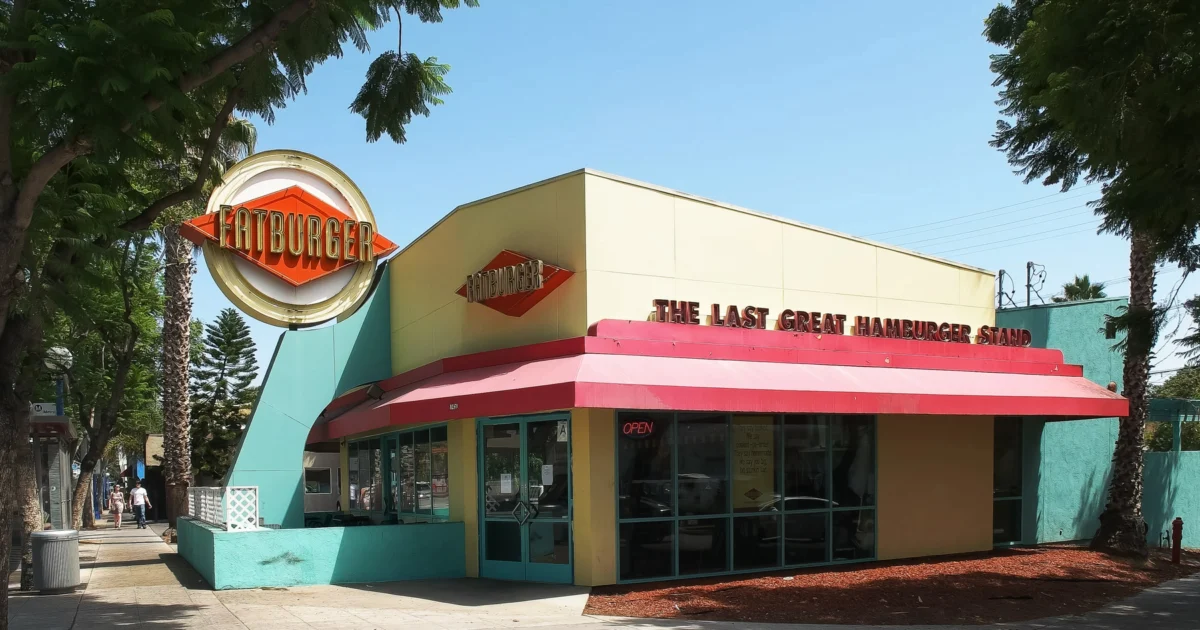
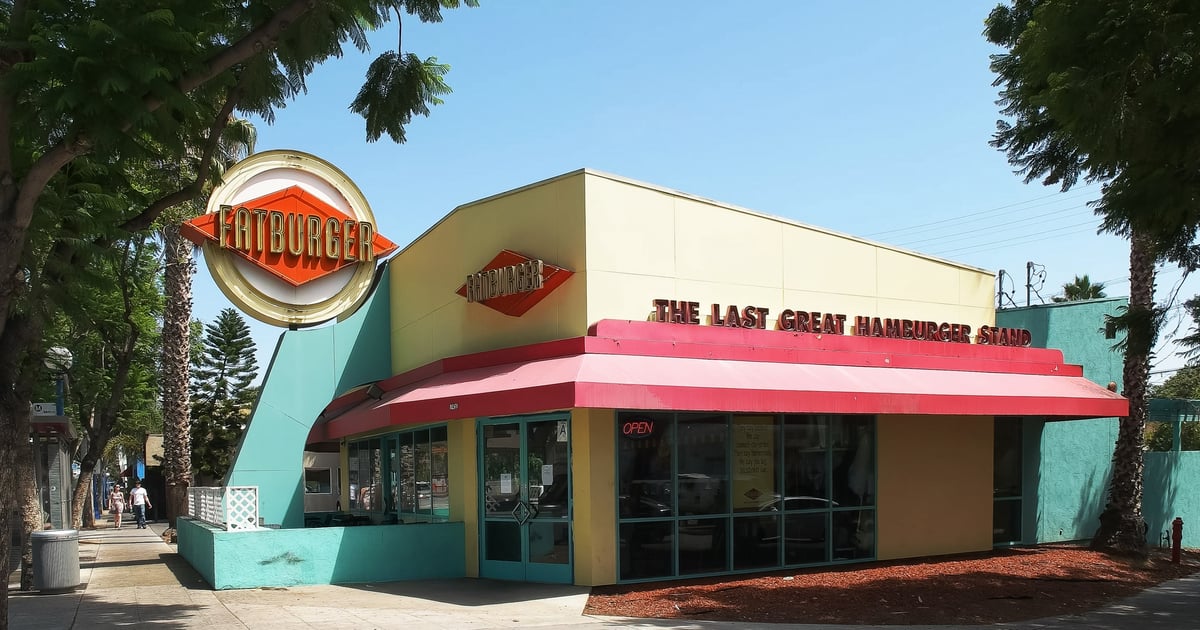
The core of the remaining brand portfolio, encompassing twelve distinct restaurant concepts, was acquired by an entity identified as FBG Bid Co. LLC. This acquisition was also driven by a group of bondholders who were part of the original whole business securitizations. This group comprises a wide array of investment firms and hedge funds, indicating a significant financial backing for the newly christened OHG Brands. The notable brands now under the OHG umbrella include Johnny Rockets, the iconic American diner-style burger chain; Fatburger, a globally recognized burger franchise; Ponderosa and Bonanza, steakhouse concepts; Marble Slab Creamery, an ice cream parlor; Pretzelmaker, a pretzel and beverage chain; Buffalo’s Cafe, a wing and comfort food restaurant; Native Grill & Wings and Hurricane Grill & Wings, both specializing in chicken wings; and Great American Cookies, a popular cookie bakery chain.
Challenges Ahead: Franchise Registrations and Operational Hurdles
While OHG Brands has launched a new website largely focused on franchise sales, a critical hurdle remains before the company can actively recruit new franchisees. A review of franchise registration records in several key states reveals that the franchise registrations for many of the company’s chains have expired. These registrations are a mandatory requirement for offering franchises in these jurisdictions. The lapse in renewal is attributed to the period of financial distress and bankruptcy under the previous ownership.
The re-establishment of these franchise registrations will be a priority for OHG Brands, necessitating renewed applications and adherence to state-specific regulations. This process can be time-consuming and may involve demonstrating financial stability and a clear business plan to regulatory bodies. The company’s ability to secure new franchise partners will be directly linked to its success in re-establishing these crucial legal authorizations.
A Glimpse into the Past: The Downfall of Fat Brands
The bankruptcy filing in January was the culmination of a period of significant financial strain for Fat Brands. The company’s aggressive growth strategy, fueled by debt financing, ultimately outpaced its ability to generate sufficient returns. The $1.4 billion debt load, primarily stemming from the 2021 securitizations, placed immense pressure on the company’s operations and cash flow.
Prior to the bankruptcy, reports indicated that Fat Brands was struggling to service its debt obligations. The complex financial instruments used for expansion, while initially enabling rapid acquisition of brands, created a heavy debt burden that proved unsustainable. The bankruptcy allowed for a restructuring of these liabilities and the divestiture of underperforming or non-core assets.
Notable Departures and Closures
The impact of Fat Brands’ financial difficulties was not limited to its corporate structure. One of its brands, Smokey Bones, a barbecue restaurant chain, was ultimately liquidated as part of the bankruptcy proceedings, signaling a complete cessation of operations.
Furthermore, Fazoli’s, a fast-casual Italian restaurant chain, has experienced a significant number of closures in recent months. Media reports indicate that dozens of Fazoli’s locations have shuttered since November, raising concerns about the brand’s future under the new ownership structure. This trend of store closures, even before the full transition to OHG Brands, underscores the operational challenges faced by some of the acquired entities.
The Significance of the Rebranding
The name change from Fat Brands to OHG Brands is more than just a cosmetic alteration; it signifies a deliberate effort to reset the company’s narrative and image. The chosen motto, "Original, Honest, Good," aims to convey a commitment to fundamental business principles and a renewed focus on quality and integrity. This rebranding is crucial for rebuilding trust with franchisees, employees, and consumers alike, especially following the negative publicity associated with the bankruptcy.
The success of OHG Brands will depend on its ability to not only stabilize the existing operations of its diverse brand portfolio but also to effectively implement a growth strategy that is financially sustainable. The new ownership group, composed of experienced investors, will need to leverage their financial acumen and operational understanding to revitalize these brands.
Analysis of Future Implications
The emergence of OHG Brands from the ashes of Fat Brands presents a compelling case study in corporate restructuring and the resilience of established restaurant concepts. The company now faces the dual challenge of managing a broad and varied portfolio of brands, each with its own unique market dynamics and operational needs, while simultaneously rebuilding its franchise development pipeline.
The financial backing of the bondholder group is a significant positive factor, providing the necessary capital for operational improvements, marketing initiatives, and the re-establishment of franchise operations. However, the long-term success will hinge on the leadership’s ability to implement effective strategies for each brand. This may involve modernizing store designs, enhancing menu offerings, optimizing supply chains, and providing robust support to franchisees.
The expired franchise registrations represent a clear and immediate obstacle. The speed and efficiency with which OHG Brands can navigate this regulatory landscape will be critical in demonstrating its renewed commitment to the franchise model. A prolonged delay in reinstating these registrations could lead to lost opportunities and further erode franchisee confidence.
The performance of individual brands within the OHG portfolio will also be a key indicator of the company’s overall health. Brands like Johnny Rockets and Fatburger, with their strong brand recognition, may offer a more straightforward path to recovery and growth. Others, like Fazoli’s, facing ongoing store closures, will require more intensive strategic intervention. The eventual sale of Twin Peaks to its franchisees could set a precedent for how OHG Brands approaches its relationship with its franchise partners, potentially fostering a more collaborative and supportive ecosystem.
Ultimately, OHG Brands inherits a complex legacy. The rebranding and restructuring are essential first steps, but sustained success will require astute management, strategic investment, and a steadfast commitment to the values encapsulated in its new name: Original, Honest, Good. The coming months will be crucial in determining whether OHG Brands can successfully transform the challenges of the past into a foundation for future growth and profitability across its diverse restaurant holdings.
