

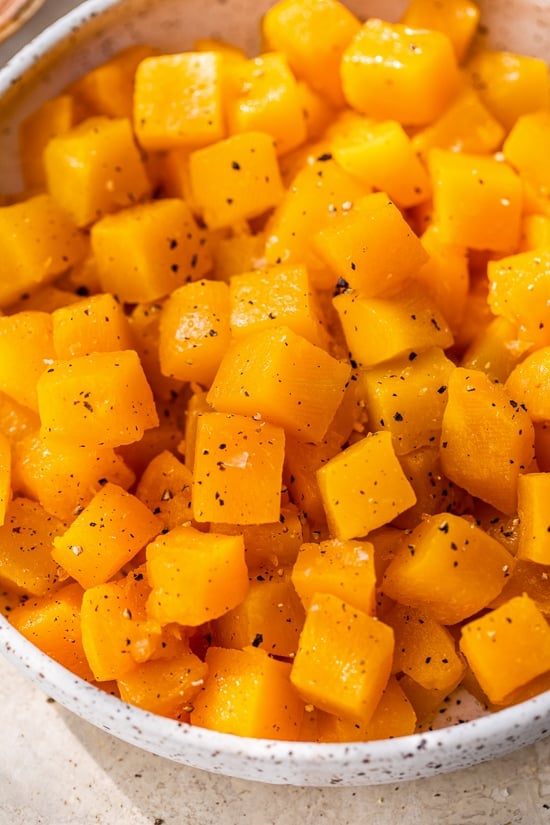
The simple yet profound appeal of maple roasted butternut squash has cemented its status as a quintessential autumn and winter side dish, effortlessly bridging the gap between elaborate holiday feasts and wholesome weeknight meals. This versatile preparation, requiring just a handful of ingredients—butternut squash, pure maple syrup, and olive oil—transforms humble produce into a caramelized, tender delight that resonates with seasonal flavors and offers significant nutritional benefits. Its ease of execution, combined with its comforting taste, positions it as a go-to recipe for home cooks seeking both convenience and culinary satisfaction.
The Star Ingredient: Butternut Squash – A Harvest Staple
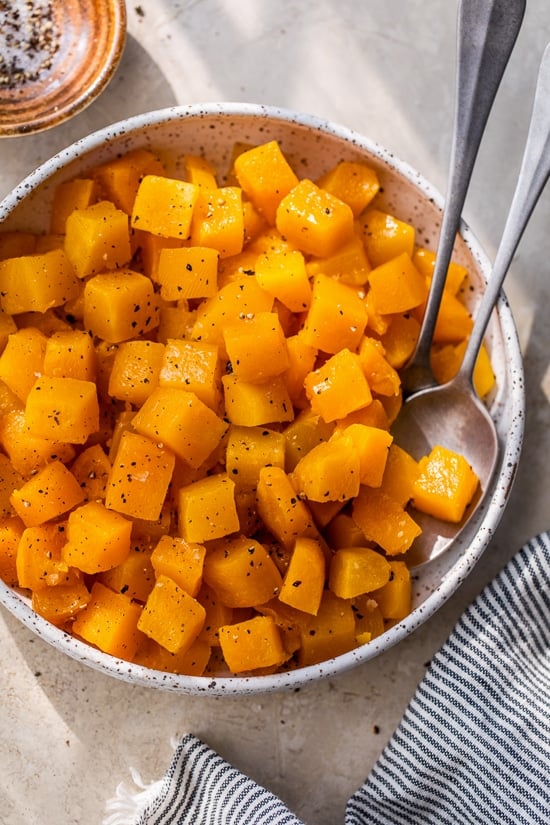
Butternut squash (Cucurbita moschata), easily identifiable by its distinctive bell shape and pale orange skin, is a cornerstone of fall and winter cuisine. Originating in the Americas, squash varieties have been cultivated for thousands of years, forming a vital part of indigenous diets. Butternut squash, specifically, was developed in the 20th century, praised for its sweet, nutty flavor and creamy texture when cooked. It boasts an impressive nutritional profile, making it a highly valued component of a balanced diet.
A single serving (approximately 3/4 cup) of maple roasted butternut squash, as detailed in popular recipes, typically provides around 104 calories, 23 grams of carbohydrates, 1 gram of protein, 2 grams of fat, 7 milligrams of sodium, 4 grams of fiber, and 7 grams of sugar. These figures highlight butternut squash’s role as a good source of dietary fiber, crucial for digestive health and satiety, and a relatively low-calorie vegetable. Beyond macronutrients, butternut squash is a powerhouse of micronutrients. It is exceptionally rich in Vitamin A, primarily in the form of beta-carotene, which is vital for vision, immune function, and skin health. It also supplies a significant amount of Vitamin C, an antioxidant that supports the immune system, and various B-vitamins, including B6 and folate, which are important for energy metabolism and cell function. Minerals such as potassium, essential for blood pressure regulation, and magnesium, involved in over 300 enzymatic reactions in the body, are also present. The vibrant orange hue of butternut squash is a direct indicator of its high carotenoid content, powerful antioxidants that combat oxidative stress and may reduce the risk of chronic diseases.
The Sweet Counterpart: Maple Syrup – Nature’s Golden Elixir

Maple syrup, the other key flavor component in this dish, is more than just a sweetener; it’s a natural product with a rich history and distinct characteristics. Produced primarily in Canada (which accounts for over 70% of the world’s production) and the northeastern United States, maple syrup is harvested from the sap of maple trees, predominantly the sugar maple, in late winter and early spring. The sap, clear and watery, is boiled down through an intricate process of evaporation, concentrating its natural sugars and developing its characteristic amber color and complex flavor profile.
Maple syrup is graded based on its color and flavor intensity. "Golden, Delicate Taste" is typically light and mild, often used for pancakes. "Amber, Rich Taste" is a popular all-purpose syrup with a more pronounced maple flavor. "Dark, Robust Taste" offers a stronger, more intense flavor, ideal for baking and cooking. Finally, "Very Dark, Strong Taste" is the most potent, often used in commercial food processing but also appreciated by gourmets for its profound depth. For roasting vegetables like butternut squash, an Amber or Dark grade is often preferred, as its robust flavor stands up well to the roasting process and caramelization.
From a nutritional perspective, pure maple syrup offers a slight advantage over refined sugars. While still high in sugar, it contains beneficial antioxidants and minerals such such as manganese and zinc, albeit in small amounts. Its distinctive flavor allows for less quantity to be used compared to other sweeteners to achieve a desired taste, making it a potentially healthier option when used in moderation. Its natural origin and unique taste profile have made it a favorite in clean eating and gourmet cooking circles.

The Art of Roasting: Unlocking Flavors and Textures
The roasting method is central to the success of this butternut squash dish. Roasting vegetables at high temperatures brings about the Maillard reaction and caramelization, processes that create a delectable depth of flavor and appealing texture. The natural sugars within the squash, amplified by the addition of maple syrup, caramelize beautifully in the oven, forming a slightly crisp, golden-brown exterior while the interior becomes incredibly tender and sweet. Olive oil plays a crucial role here, facilitating heat transfer, preventing sticking, and adding a subtle, fruity note while contributing healthy monounsaturated fats.
The preparation begins with the often-daunting task of peeling and cutting the butternut squash. Its thick, tough skin and dense flesh can present a challenge. Culinary experts often recommend a few practical techniques to simplify this step. One common method involves piercing the squash several times with a fork and microwaving it for 2-4 minutes, or briefly boiling it on the stovetop. This softens the skin just enough to make peeling and cutting significantly easier and safer, reducing the risk of accidental slips with a knife. Alternatively, pre-cut butternut squash, available in most grocery stores, offers a convenient shortcut for time-conscious cooks. Frozen butternut squash cubes can also be used, though it’s important to note they may yield a slightly softer texture due to their higher water content and prior blanching.
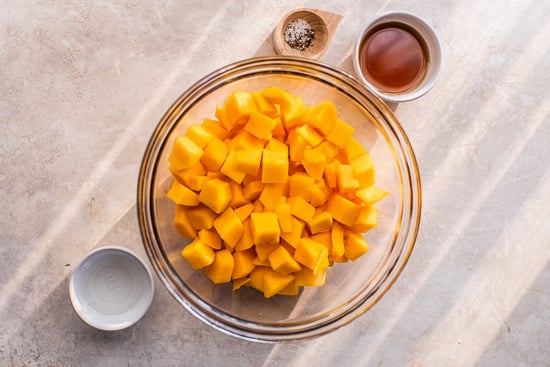
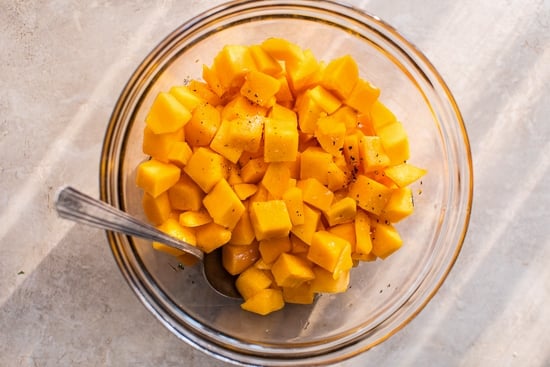
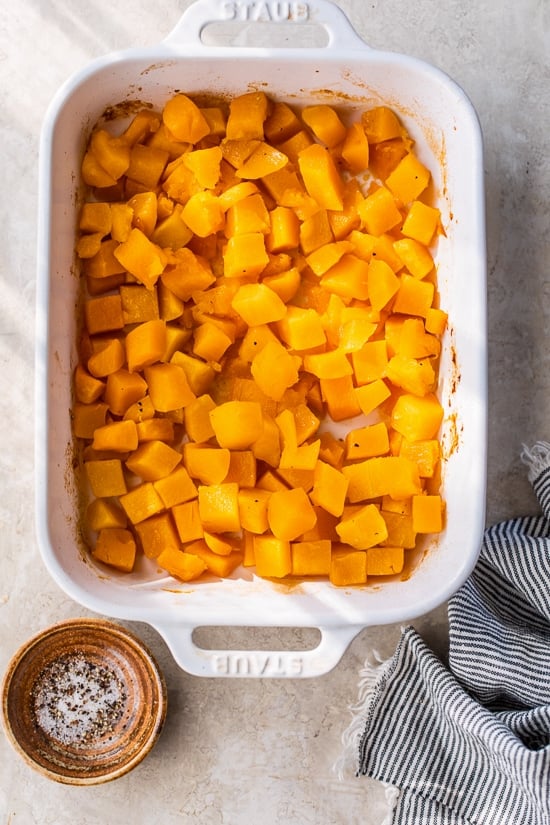
Once the squash is peeled and cubed, typically into uniform 1-inch pieces to ensure even cooking, it is tossed with the maple syrup and olive oil. A light seasoning of salt and black pepper further enhances the flavors. The mixture is then spread in a single layer on a baking sheet, allowing for optimal air circulation and browning. Roasting at temperatures around 400°F (200°C) for 30-40 minutes, with a mid-cook toss, ensures thorough cooking and perfect caramelization. This precise temperature and duration are critical for achieving the desired balance of tender interior and deliciously browned edges.
A Timeless Dish for Modern Tables: Versatility and Adaptability
The enduring popularity of maple roasted butternut squash lies in its remarkable versatility and adaptability to various culinary needs and dietary preferences. It seamlessly fits into holiday menus, providing a naturally sweet and vibrant counterpoint to savory roasts and gravies. For Thanksgiving, Christmas, or other autumnal celebrations, it adds a touch of elegance without demanding extensive preparation time, a significant advantage for hosts juggling multiple dishes. For everyday weeknight dinners, its quick prep and relatively short cooking time make it an accessible option for busy families seeking nutritious and flavorful sides.
Culinary professionals and food bloggers consistently laud the simplicity and wholesome nature of such seasonal preparations. Gina Homolka, founder of Skinnytaste.com, a prominent healthy food blog, frequently advocates for recipes that prioritize fresh, seasonal ingredients and straightforward cooking methods, aligning perfectly with the ethos of this dish. "Focusing on simple preparations allows the natural flavors of high-quality ingredients to shine," Homolka might suggest, underscoring the philosophy behind minimalist yet impactful recipes. Nutritionists often emphasize the importance of incorporating a wide array of colorful vegetables into one’s diet, and butternut squash, with its high nutrient density, is an excellent choice. "Dishes like maple roasted butternut squash not only taste fantastic but also deliver a substantial nutritional punch, contributing to overall well-being with minimal effort," a registered dietitian might comment, highlighting the health benefits.
The recipe’s inherent flexibility also encourages experimentation. While the classic three-ingredient version is delightful on its own, several variations can elevate the dish further. A sprinkle of fresh herbs like rosemary or sage adds an aromatic, savory depth that complements the sweetness. A dash of warming spices such as cinnamon, nutmeg, or a pinch of cayenne pepper can introduce a subtle heat and complexity. For added texture and richness, toasted pecans or walnuts can be folded in towards the end of cooking. A sprinkle of crumbled feta or goat cheese offers a tangy counterpoint, while a drizzle of balsamic glaze after roasting provides a sophisticated sweet-tart finish. Dried cranberries or chopped apples can also be added for extra sweetness and chewiness.
Beyond oven roasting, this dish can be adapted to other cooking methods. As suggested, an air fryer can achieve similar crispy, tender results in a shorter amount of time, catering to those seeking even faster preparation. The core concept also extends to other winter squashes like acorn, delicata, or even pumpkin, each offering its own subtle flavor nuances and requiring minor adjustments to cooking times based on density and size.
Integration into a Balanced Meal and Practical Considerations
Maple roasted butternut squash pairs exceptionally well with a wide array of main courses. It serves as a perfect accompaniment to roasted poultry, such as chicken or turkey, offering a sweet balance to savory meats. It complements pork loin, ham, or even grilled salmon beautifully. For vegetarian meals, it can be served alongside hearty grain bowls, lentil dishes, or robust salads, providing essential nutrients and satisfying flavors. Other complementary side dishes might include sautéed Brussels sprouts with pancetta for a savory crunch or roasted green beans with caramelized onions for an earthy sweetness, creating a cohesive and flavorful meal experience. For dessert, a light pear and cranberry crisp would echo the seasonal fruit flavors, completing the autumn feast.
From a practical standpoint, proper storage ensures the longevity and enjoyment of leftovers. Cooked maple roasted butternut squash can be stored in an airtight container in the refrigerator for 3-4 days. This makes it an excellent candidate for meal preppers, allowing for batch cooking on weekends to provide healthy sides throughout the week. Reheating can be done in the microwave for convenience or in the oven for a crisper texture. Freezing is also an option; once cooled, the squash can be frozen in an airtight container for up to 3 months, though thawing and reheating may result in a slightly softer consistency.
The cultivation of butternut squash and the production of maple syrup also carry broader implications, touching on local economies and environmental sustainability. Supporting local farmers who grow butternut squash contributes to local agricultural communities and reduces the carbon footprint associated with long-distance transportation. Similarly, responsible maple syrup production practices emphasize sustainable forest management, ensuring the health of maple groves for future generations. These considerations add another layer of appreciation for a dish that is not only delicious and nutritious but also aligns with conscious consumption.
In conclusion, the maple roasted butternut squash recipe stands as a testament to the power of simplicity in culinary arts. Its blend of historical significance, robust nutritional profile, ease of preparation, and remarkable versatility makes it a celebrated dish. From its humble origins as a vital crop to its modern incarnation as a beloved side, this dish encapsulates the comforting essence of autumn and winter, proving that truly great food often requires little more than quality ingredients and a straightforward approach. Its consistent appeal across diverse palates and occasions solidifies its position as an enduring culinary classic.
