

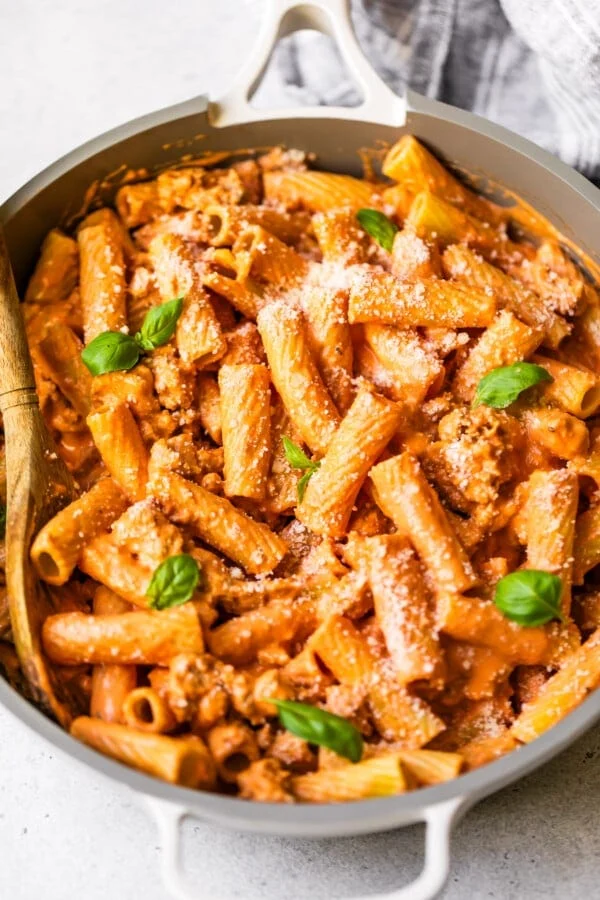
This innovative culinary development leverages the versatile properties of blended cottage cheese to replicate the luxurious texture and rich flavor of a traditional vodka sauce, while simultaneously boosting protein content and eliminating heavy cream and alcohol. The recipe, which has garnered attention for its surprising effectiveness, presents a healthier alternative to a beloved comfort food, aligning with contemporary dietary trends favoring increased protein intake and reduced saturated fat. The transformation of a humble dairy product into a sophisticated pasta sauce base underscores a broader movement within the food industry and home cooking towards ingredient optimization and "stealth health" modifications.
The Culinary Innovation: Redefining Creaminess
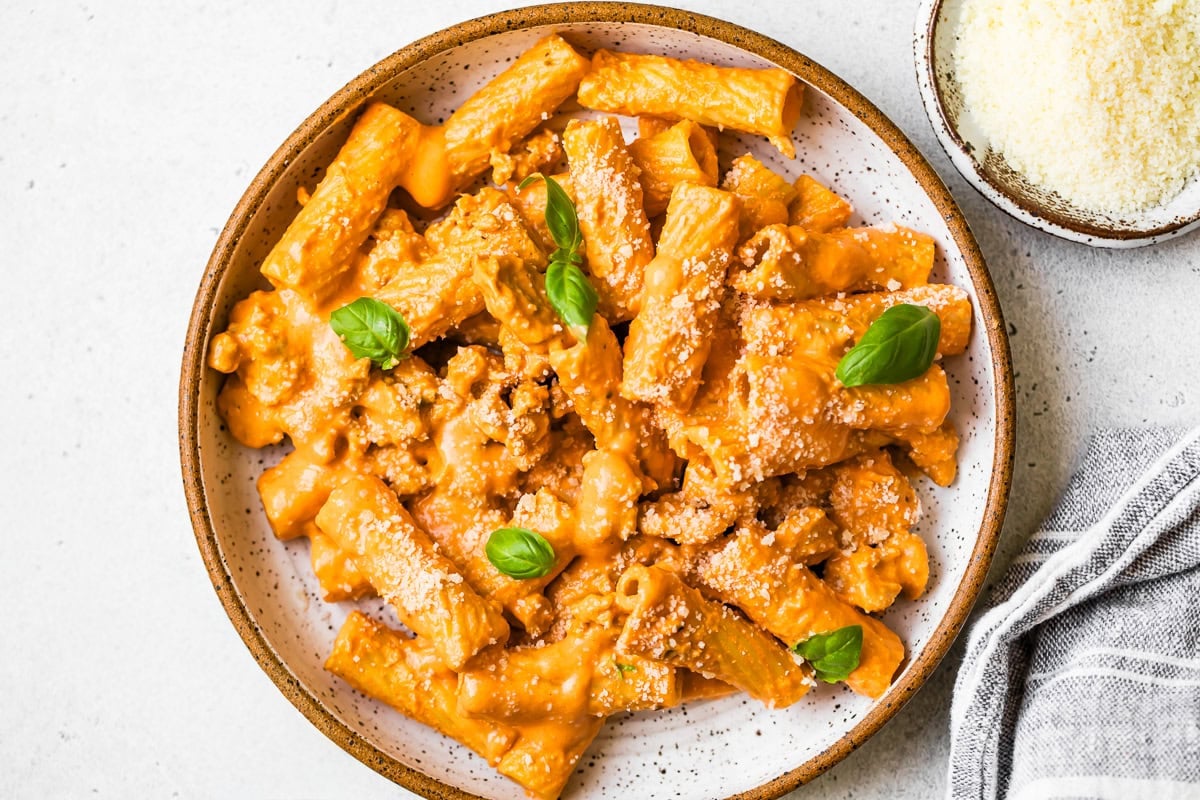
At the heart of this gastronomic reinterpretation is the strategic use of cottage cheese. Traditionally recognized for its lumpy texture and mild, slightly tangy flavor, cottage cheese has often been relegated to breakfast plates or as a simple side dish. However, by blending it until completely smooth, its granular structure is pulverized, yielding a remarkably velvety and homogenous liquid that mimics the mouthfeel of heavy cream. This technique allows for the creation of a sauce that is visually and texturally indistinguishable from its dairy-laden counterpart, yet boasts a significantly different nutritional profile. The resulting sauce offers a creamy, savory experience, characterized by the depth of caramelized onions and tomato paste, a hint of spice from red pepper, and the nutty undertones of Parmesan cheese, all rounded off with fresh basil. This combination effectively mirrors the complex flavor profile typically found in a classic vodka sauce, achieving a sophisticated taste without the caloric density.
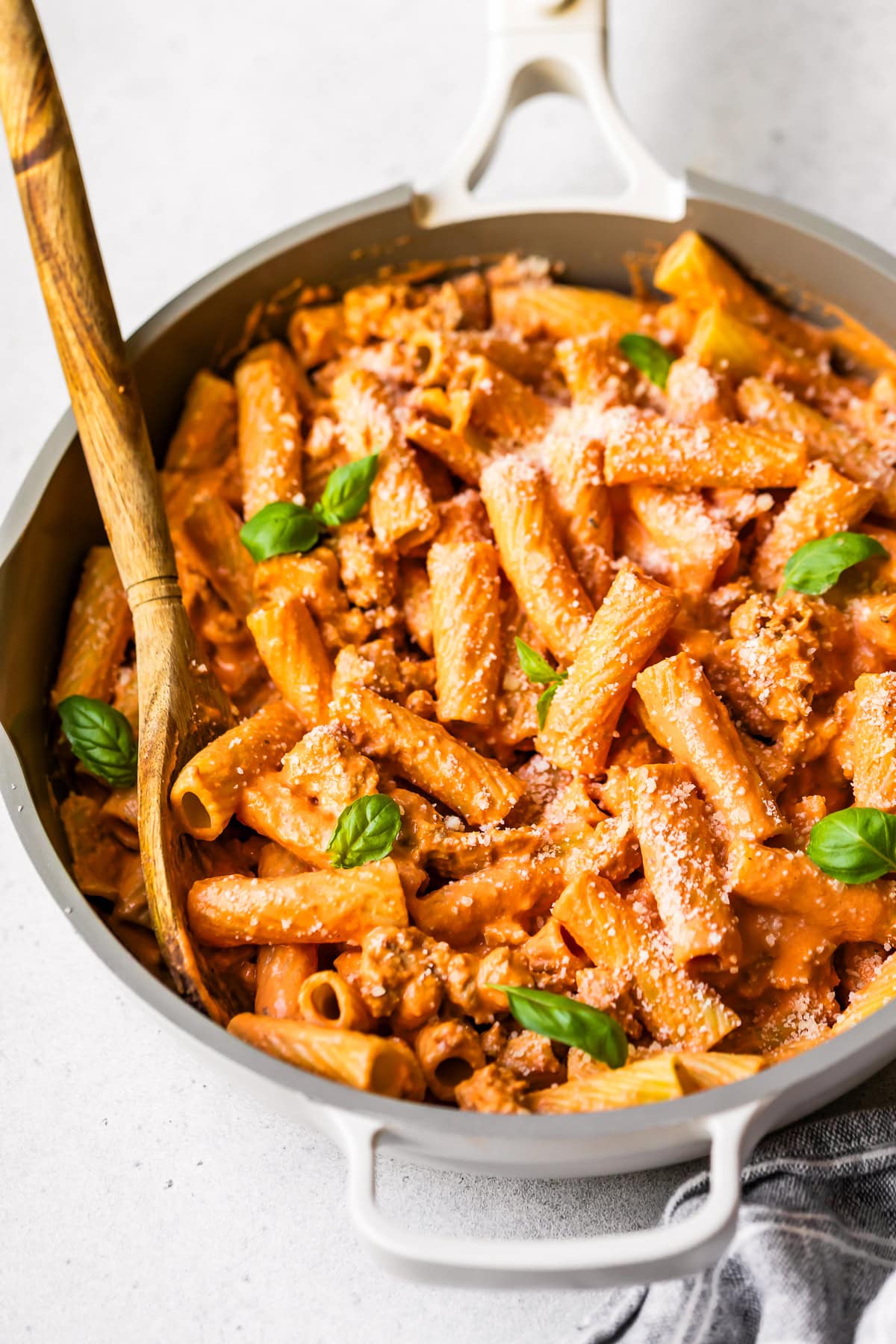
The concept initially faced skepticism, even from experienced home cooks, due to cottage cheese’s distinct reputation. However, the successful execution demonstrates its adaptability. For instance, reports indicate that even individuals wary of cottage cheese, such as one recipe developer’s husband, consumed entire portions without detecting the unconventional ingredient, attesting to the seamless integration and flavor masking achieved through blending and strategic seasoning. This anecdotal evidence highlights the recipe’s potential to appeal to a wider audience, including those who might otherwise avoid cottage cheese.
Nutritional Profile and Health Implications

The primary allure of the High-Protein Cottage Cheese Pasta lies in its enhanced nutritional value compared to traditional creamy pasta sauces. A standard serving (approximately 2 cups) of this cottage cheese-based pasta provides an impressive 34.5 grams of protein, alongside 497 kilocalories, 60 grams of carbohydrates, and 13 grams of fat, with only 4 grams of saturated fat. This contrasts sharply with conventional vodka sauces, which typically derive substantial calories and saturated fat from heavy cream. For context, a traditional vodka sauce can contain upwards of 20-30 grams of fat and 15-20 grams of saturated fat per serving, often contributing to a higher overall calorie count.
This significant protein boost is particularly relevant in the current dietary landscape, where there is a growing emphasis on protein intake for satiety, muscle maintenance, and overall metabolic health. Nutritionists frequently advocate for protein-rich meals to help manage weight, stabilize blood sugar levels, and support lean body mass. By substituting heavy cream with cottage cheese, this recipe transforms what is often considered an indulgent dish into a more functional food item that supports health and wellness goals without sacrificing flavor or satisfaction. Furthermore, the absence of alcohol makes it suitable for individuals who avoid alcohol for personal, religious, or health reasons, broadening its appeal and accessibility. The lower fat content, particularly saturated fat, also contributes to cardiovascular health benefits, offering a "heart-healthier" version of a beloved dish.

The Resurgence of Cottage Cheese: A Timeline of Transformation
Cottage cheese has experienced a remarkable renaissance in recent years, moving from a dated diet food to a versatile ingredient embraced by modern culinary trends.
- Mid-20th Century Popularity: Cottage cheese enjoyed widespread popularity in the mid-20th century, often associated with weight-loss diets and served plain or with fruit.
- Late 20th Century Decline: Its popularity waned in later decades, largely due to its perceived blandness and lumpy texture, overshadowed by the rise of Greek yogurt and other dairy products.
- Early 21st Century Niche: For a period, it remained a niche product, primarily consumed by bodybuilders and health enthusiasts for its high protein content.
- Mid-2010s Re-evaluation: Food bloggers and nutritionists began to re-evaluate cottage cheese, highlighting its nutritional density and versatility in savory applications.
- Early 2020s Mainstream Revival: A significant turning point occurred in the early 2020s, driven by social media platforms like TikTok, where innovative uses for cottage cheese, including blending it into creamy sauces, dips, and even desserts, went viral. This online exposure introduced cottage cheese to a new generation of consumers and showcased its untapped culinary potential. The trend was further fueled by an increased consumer focus on protein-rich diets and convenient, healthy meal solutions.
- Current Status: Today, cottage cheese is firmly re-established as a versatile, protein-packed ingredient, with various brands offering different fat percentages, lactose-free options, and even flavored varieties, catering to diverse consumer preferences. The High-Protein Cottage Cheese Pasta recipe is a direct beneficiary and a testament to this ingredient’s successful repositioning.
Ingredient Harmony and Preparation Simplicity
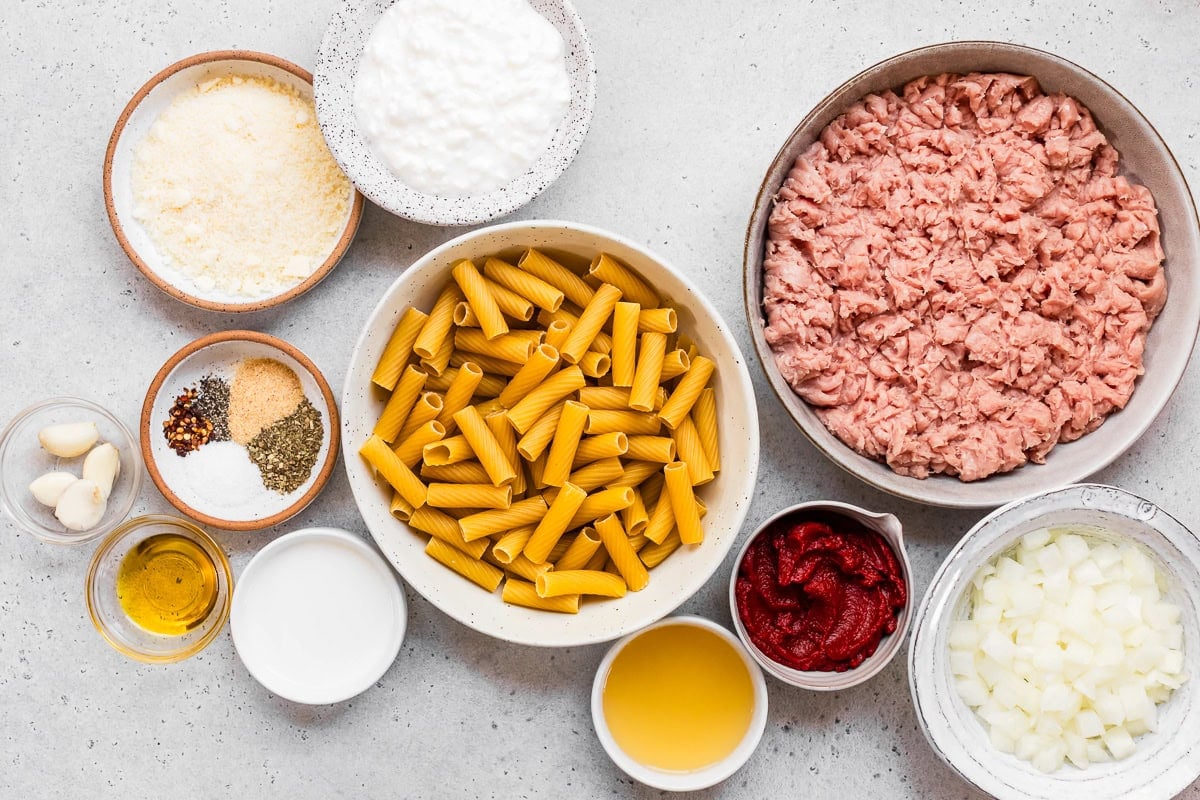
The success of this pasta sauce relies on a carefully selected array of ingredients that contribute to its complex flavor profile. Beyond the foundational cottage cheese, key components include:
- Caramelized Onions: Provide a sweet, savory depth through slow cooking, forming a crucial flavor base.
- Tomato Paste: Offers concentrated umami and rich tomato flavor, essential for a robust sauce.
- Garlic: Adds aromatic pungency, a cornerstone of Italian-American cuisine.
- Red Pepper Flakes: Introduce a subtle heat, characteristic of many vodka sauces.
- Parmesan Cheese: Contributes a salty, nutty, and savory dimension, enhancing the overall richness.
- Fresh Basil: Provides a fresh, herbaceous counterpoint, brightening the sauce.
- Pasta Water: A critical element for emulsification and achieving the desired sauce consistency, binding the blended ingredients seamlessly.
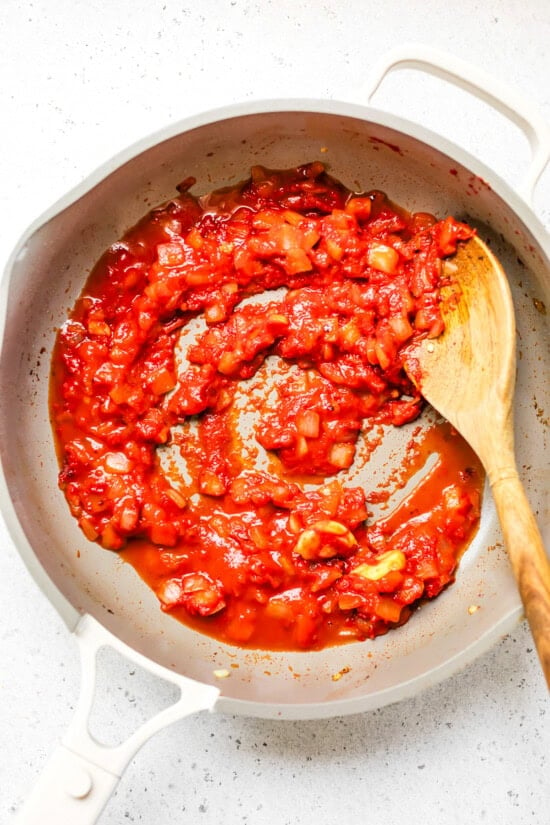
The preparation method is straightforward, making it accessible to home cooks of varying skill levels. It involves sautéing the aromatics (onions and garlic) and tomato paste to develop their flavors, followed by blending these cooked ingredients with the cottage cheese until the mixture achieves a perfectly smooth consistency. This blended sauce is then gently warmed, often with the addition of pasta water to adjust thickness, before being tossed with cooked pasta. The entire process, from preparation to cooking, is designed for efficiency, typically taking around 35 minutes, making it an ideal option for weeknight meals.
Expert Perspectives and Broader Market Implications
Food industry analysts and nutrition experts view recipes like the High-Protein Cottage Cheese Pasta as indicative of several overarching trends. Dr. Eleanor Vance, a food science researcher specializing in dairy applications, notes, "The innovation here isn’t just about swapping an ingredient; it’s about understanding the functional properties of food items. Blended cottage cheese emulsifies beautifully and provides a dairy base with a clean flavor profile that accepts other seasonings exceptionally well. This opens up avenues for other ‘hidden healthy’ adaptations in comfort food."
Dietitians praise the recipe for its ability to deliver satiety and nutritional density without compromising on taste. Ms. Sarah Chen, a registered dietitian, commented, "Patients often struggle to find satisfying, protein-rich alternatives to their favorite indulgent meals. This pasta is a perfect example of how to enjoy creamy dishes while meeting higher protein targets, which is crucial for blood sugar management and long-term weight maintenance. It also addresses the demand for meals that can be prepared relatively quickly."

The success of such recipes has broader implications for the food market:
- Ingredient Innovation: It encourages food manufacturers to explore novel applications for existing ingredients, potentially leading to new product lines featuring cottage cheese in unexpected forms.
- "Better-for-You" Products: The demand for "better-for-you" versions of classic foods continues to grow. This recipe exemplifies how to achieve this through smart ingredient choices rather than complex processing.
- Democratization of Healthy Eating: Simple, effective ingredient swaps make healthier eating more accessible and less intimidating for the average consumer, moving beyond niche health food stores into everyday kitchens.
- Sustainability: While not explicitly a sustainable food initiative, optimizing existing ingredients and reducing reliance on high-impact dairy products like heavy cream (which requires more resources to produce) can have a tangential positive effect.
Adaptability and Meal Planning
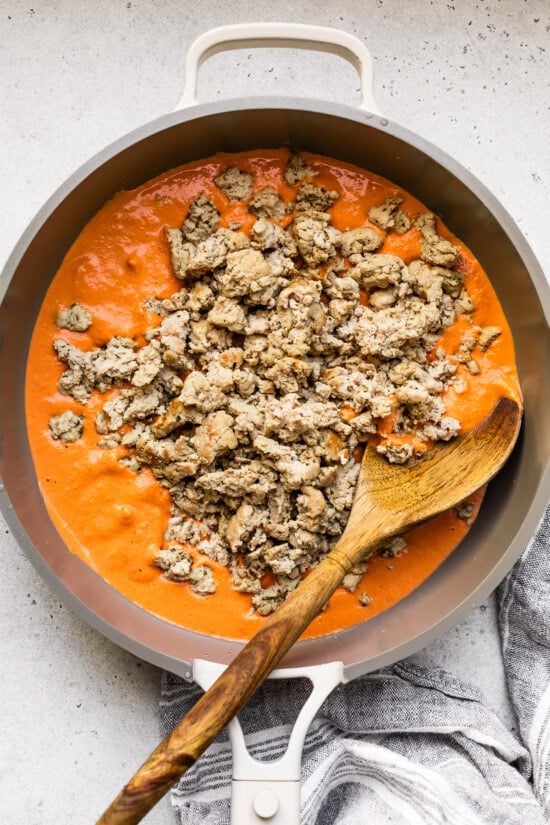
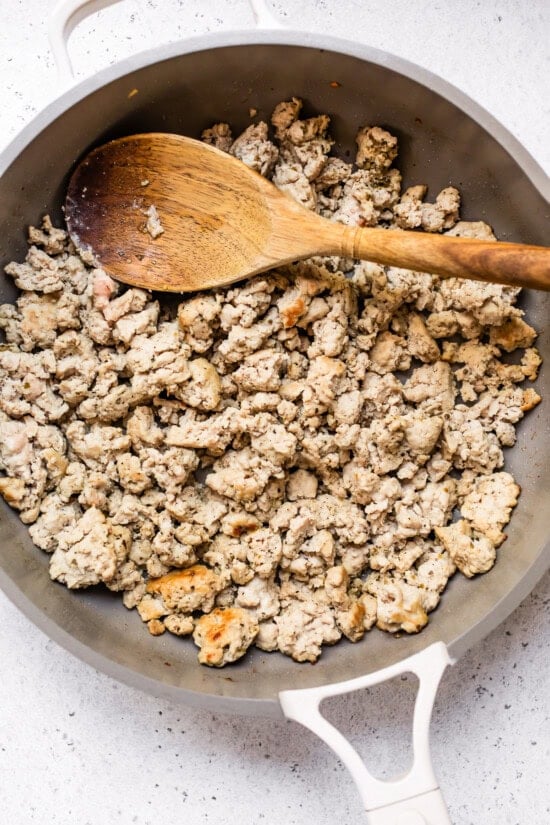
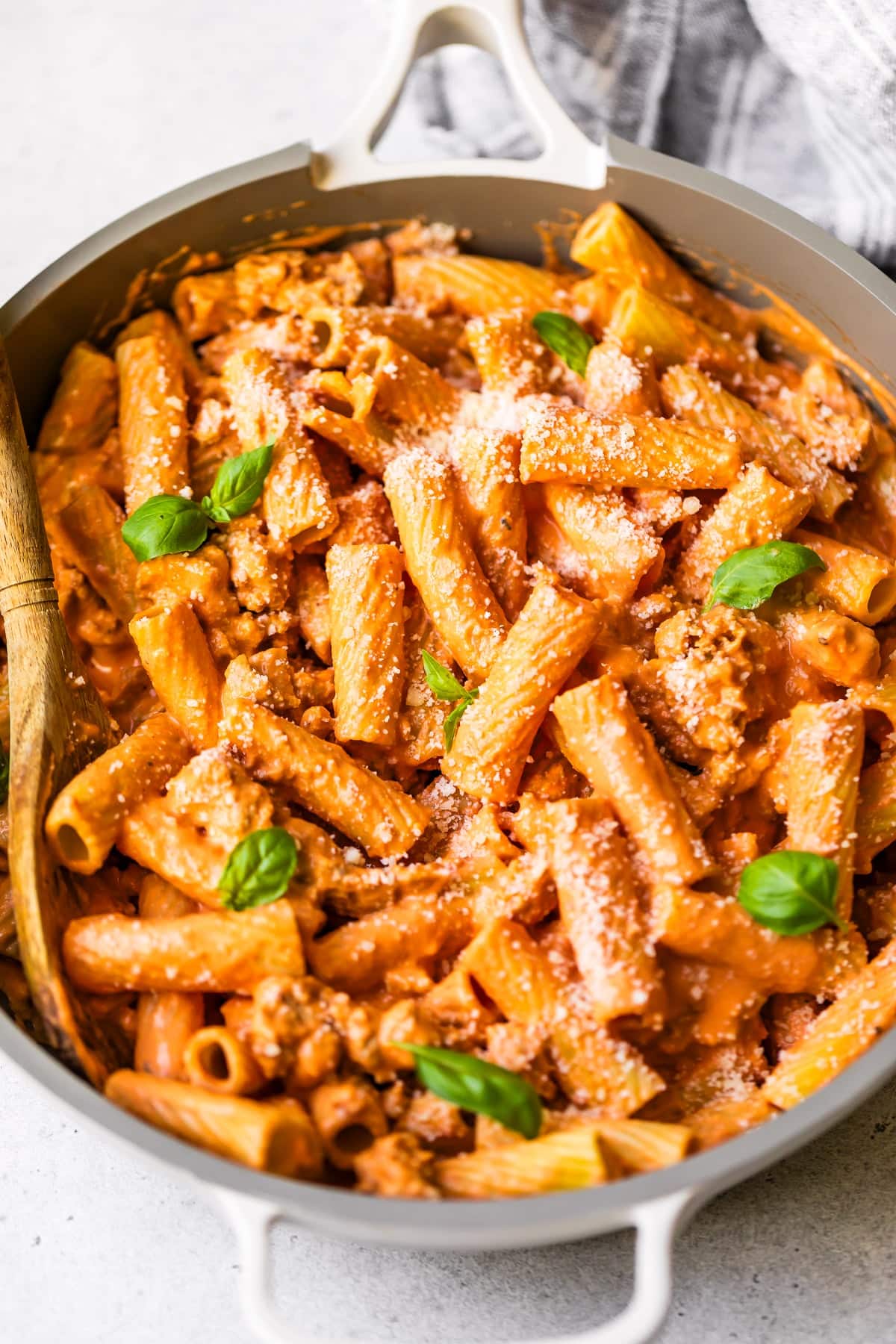
The versatility of this cottage cheese pasta sauce extends beyond its basic preparation. It can be easily customized to suit various palates and dietary preferences. For those seeking additional protein or a more complete meal, cooked lean ground meat (such as turkey or beef) or plant-based protein alternatives like lentils or chickpeas can be incorporated. Vegetable additions, such as spinach, mushrooms, or roasted bell peppers, can further enhance nutrient density and flavor. Different pasta shapes can also be used, with tubular or ridged varieties being particularly effective at holding the creamy sauce.
From a meal preparation standpoint, the cottage cheese pasta sauce is highly amenable to batch cooking. The sauce can be prepared in advance and stored separately for up to three months in the freezer, offering a convenient option for future meals. When ready to use, it can be thawed and gently reheated, with a splash of water or milk to restore its creamy consistency if needed. This makes it an excellent choice for individuals or families looking to streamline their meal routines while adhering to healthy eating principles. The ability to freeze the sauce, even with pasta, further enhances its practicality for busy households, minimizing food waste and maximizing convenience.
In conclusion, the High-Protein Cottage Cheese Pasta represents more than just a recipe; it embodies a significant trend in modern culinary practice. It showcases how simple, intelligent ingredient substitutions can transform beloved dishes into healthier, more functional meals without sacrificing the sensory pleasures of taste and texture. This innovation not only addresses evolving consumer demands for nutritious and convenient food options but also contributes to the ongoing redefinition of traditional ingredients within the contemporary kitchen, solidifying cottage cheese’s place as a versatile and valuable component in healthy gastronomy.
