

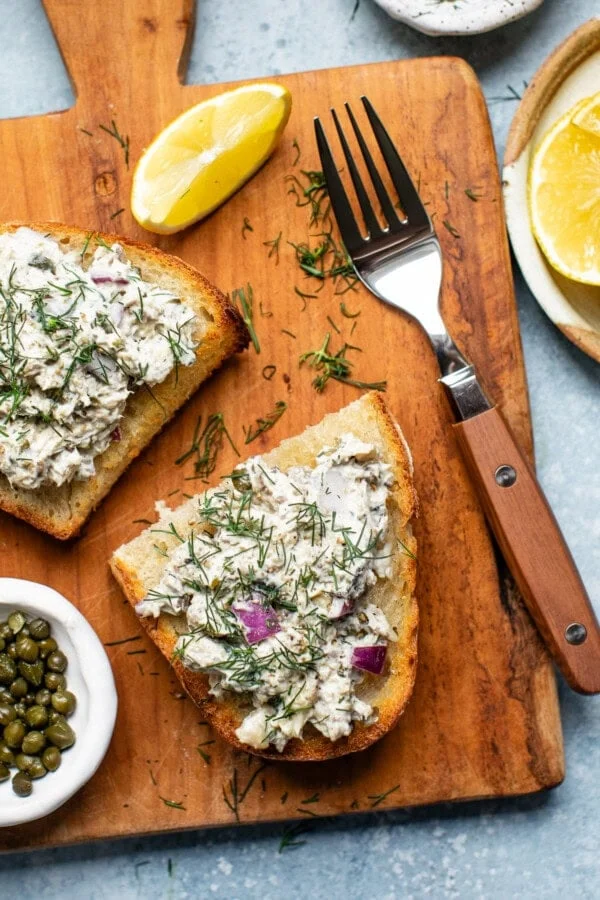
The humble sardine, once primarily regarded as a budget-friendly pantry staple, is experiencing a significant resurgence, positioning itself as a nutritional powerhouse and a versatile ingredient for modern, health-conscious diets. Spearheading this culinary revival are innovative and accessible recipes, such as the increasingly popular sardine salad, which offers a fresh, bright, and nutrient-dense alternative to traditional tuna or salmon preparations. This trend reflects a broader shift in consumer preferences towards sustainable, convenient, and highly beneficial protein sources.
The Nutritional Profile: A Deep Dive into Sardine Benefits
Sardines (Sardina pilchardus) are small, oily fish renowned for their exceptional nutritional density. Often overlooked in favor of larger fish, these tiny powerhouses pack a formidable punch of essential nutrients critical for human health. A single serving of sardines is an outstanding source of omega-3 fatty acids, specifically Eicosapentaenoic Acid (EPA) and Docosahexaenoic Acid (DHA). These polyunsaturated fats are widely recognized for their profound anti-inflammatory properties and their crucial role in cardiovascular health, brain function, and even mood regulation. Research published in journals like The American Journal of Clinical Nutrition consistently highlights the benefits of regular omega-3 intake in reducing the risk of chronic diseases.
Beyond their celebrated omega-3 content, sardines are a rare natural dietary source of Vitamin D, a nutrient vital for bone health, immune function, and hormone regulation, which many individuals are deficient in. They also provide significant amounts of Vitamin B12, essential for nerve function and red blood cell production, and calcium, particularly when consumed with their soft, edible bones. The protein content in sardines is also remarkably high, offering a complete amino acid profile that supports muscle repair, satiety, and overall metabolic health. For individuals seeking to diversify their protein intake beyond conventional sources, sardines present an compelling option that aligns with current dietary recommendations from health organizations worldwide.
Historical Context and Culinary Evolution
The consumption of sardines dates back centuries, with evidence suggesting their importance in coastal communities across the Mediterranean and Atlantic regions. Early fishing practices involved simple nets and immediate preservation methods, primarily salting. The advent of canning technology in the early 19th century, spurred by Napoleon Bonaparte’s need to feed his troops, revolutionized the accessibility and shelf-life of sardines. This innovation transformed them into a globally traded commodity, allowing populations far from the coast to enjoy this nutritious fish.
Historically, sardines were often perceived as a food of necessity, a resilient protein source for challenging times or a simple, inexpensive meal. In regions like Portugal, Spain, and parts of Italy, however, sardines have always held a revered place in culinary traditions, celebrated for their fresh flavor when grilled or preserved in high-quality olive oil. The "author’s note" in the original article, referencing a return from Portugal with renewed appreciation for sardines, underscores this deep cultural connection and hints at a global re-evaluation of the fish’s culinary potential. This rich history provides a strong foundation for their current re-emergence in contemporary cuisine.
Sardine Salad: A Case Study in Versatile Nutrition

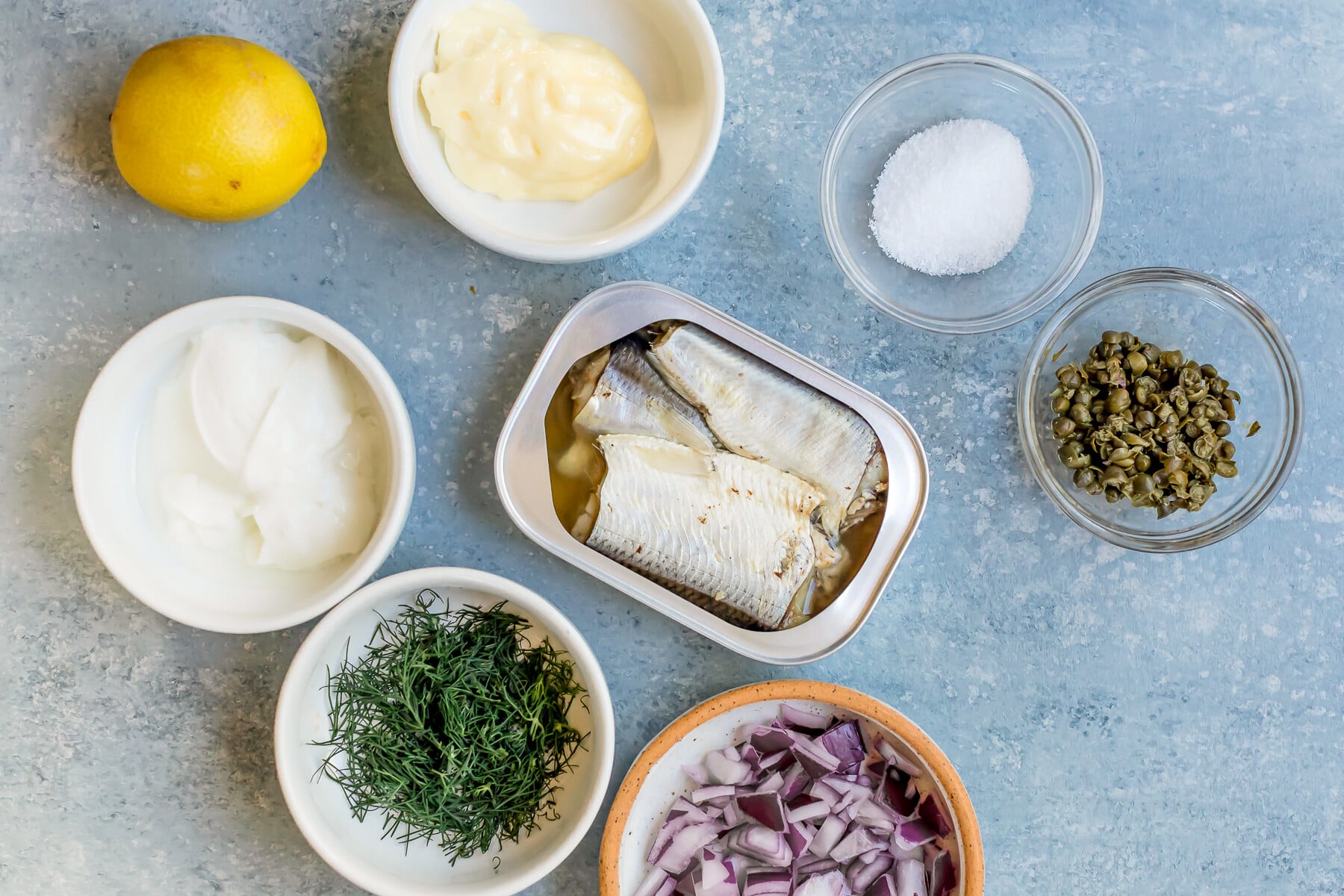
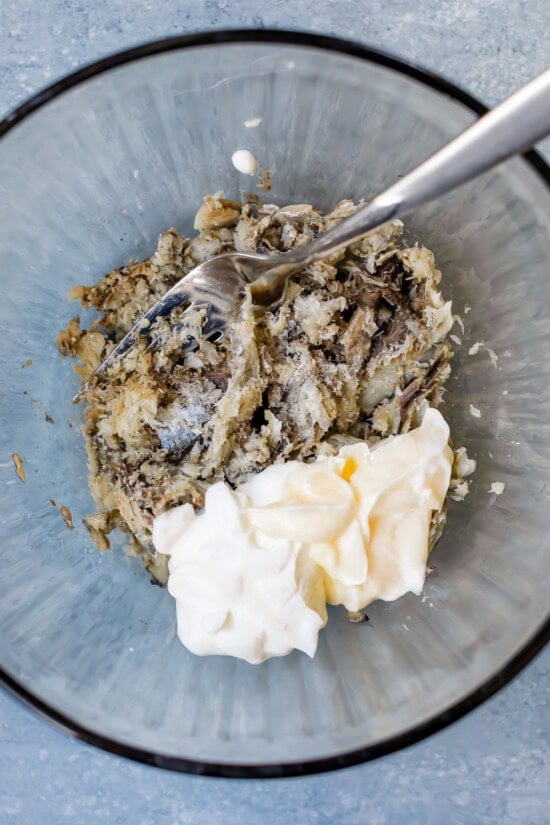
The modern sardine salad exemplifies how this humble fish can be transformed into a vibrant and appealing dish that caters to contemporary tastes and dietary requirements. Positioned as a "healthy twist on tuna salad," it leverages the convenience of canned fish while enhancing its natural flavors with fresh, zesty ingredients. The core components typically include well-drained sardines, often boneless or deboned to address textural preferences, combined with a creamy binder and an array of aromatic herbs and sharp elements.
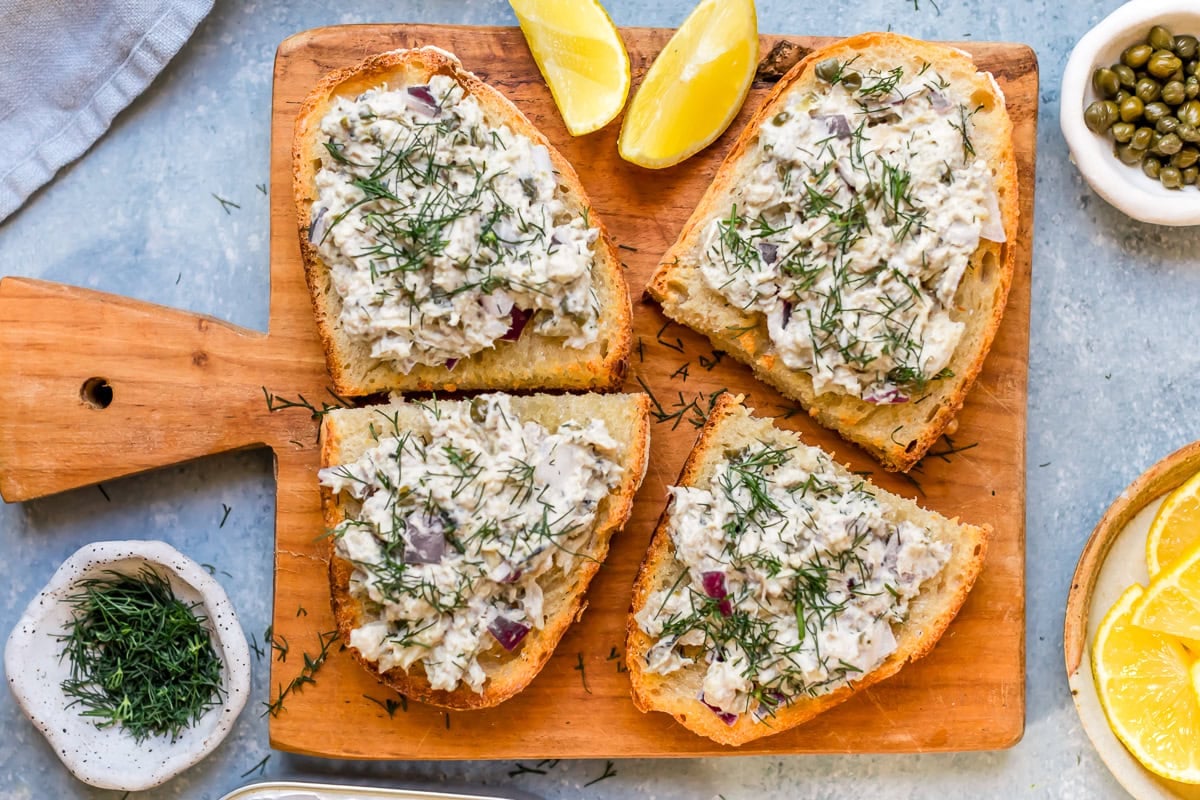
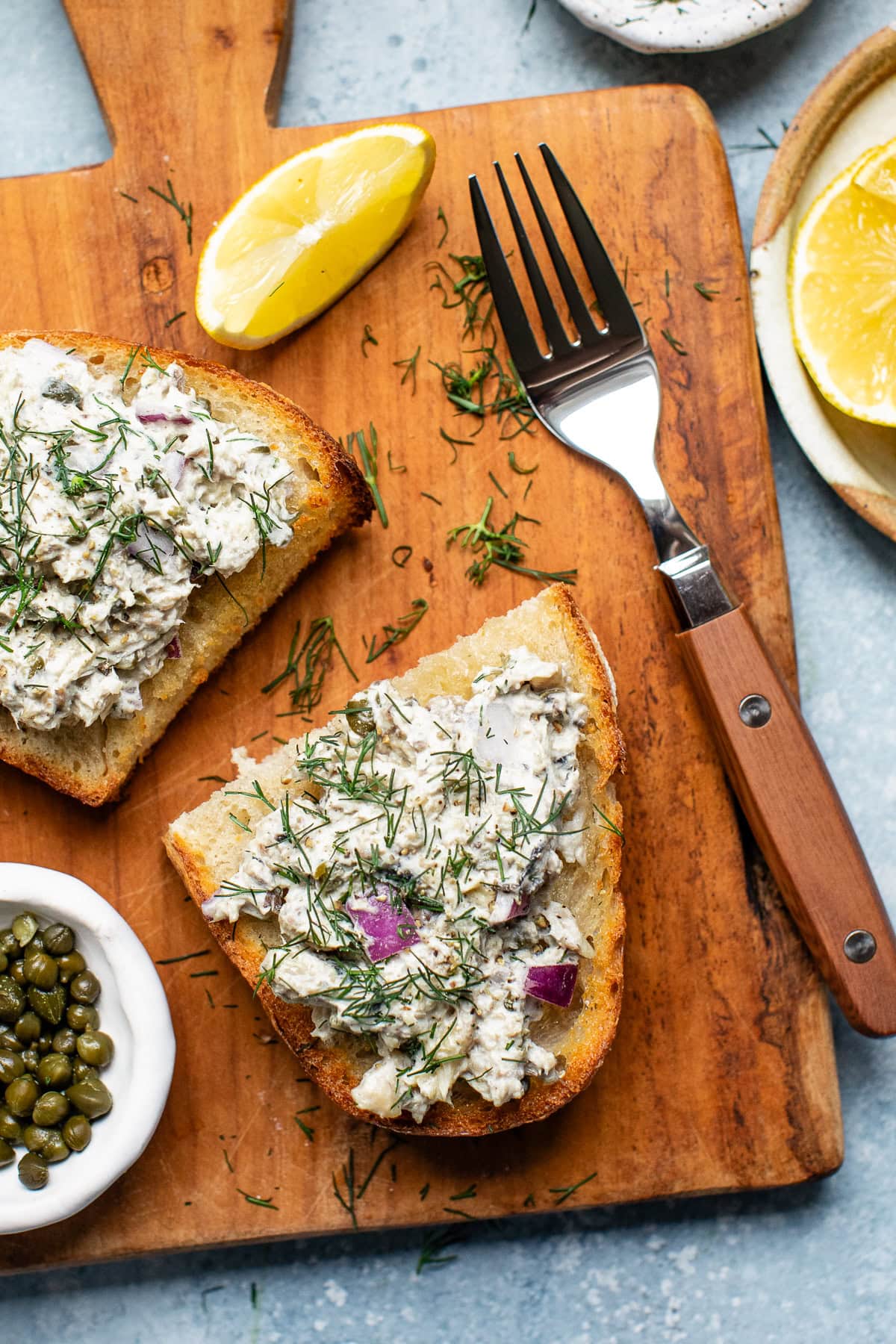
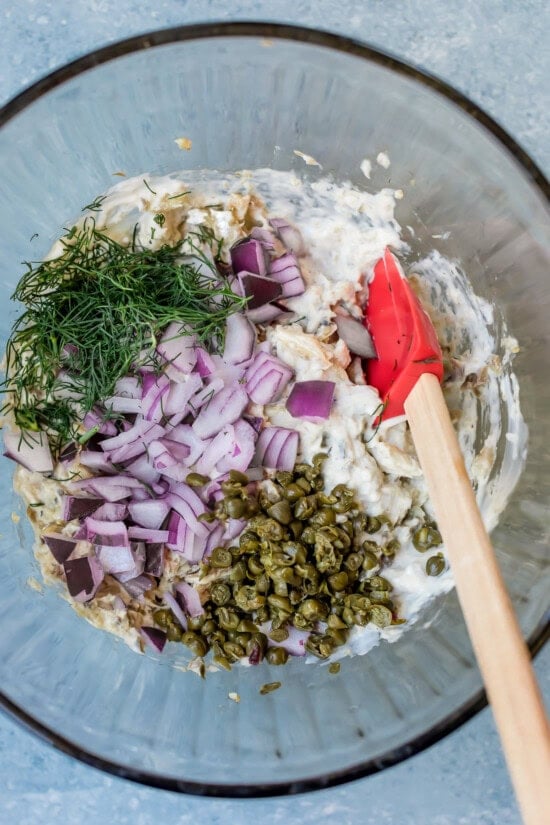
A typical preparation, as described, features lemon juice and zest, capers, fresh dill, and a touch of mayonnaise (often light mayonnaise or combined with Greek yogurt for added protein and reduced fat). This combination creates a profile that is "bright, briny, and fresh," effectively masking any perceived "fishiness" that might deter some consumers. The inclusion of red onions adds a desirable crunch and piquant note, contributing to a complex flavor and texture profile that elevates the dish beyond a simple spread. This method not only makes sardines more palatable for a wider audience but also integrates them seamlessly into familiar meal formats.
Expert Perspectives and Market Trends

The rising popularity of sardine-based dishes is not merely a culinary fad but is supported by nutritional science and evolving market dynamics. Dietitians and nutritionists increasingly champion small pelagic fish like sardines for their exceptional health benefits and their role in sustainable diets. Dr. Emily Green, a leading nutritionist, notes, "Sardines offer a powerful package of nutrients—omega-3s, vitamin D, B12, and calcium—that are often lacking in the average Western diet. Their versatility in recipes like a vibrant sardine salad makes them an accessible and delicious way for people to boost their intake of these vital compounds."
The sustainable seafood movement has also played a crucial role in elevating the status of sardines. As consumer awareness grows regarding overfishing and environmental impact, smaller, faster-reproducing fish like sardines are recognized as a more eco-friendly choice compared to larger, longer-lived species. Fisheries management bodies and environmental organizations often rate sardine populations as healthy and sustainably managed, making them an attractive option for environmentally conscious consumers.
Furthermore, the demand for convenient, healthy meal prep options has surged, particularly among busy professionals and families. Canned sardines fit perfectly into this lifestyle, offering a ready-to-use protein source that requires no cooking. The ability to prepare a sardine salad in mere minutes and store it for several days in the refrigerator positions it as an ideal solution for quick lunches or easy dinners, aligning with the "no-cook lunch or an easy meal prep idea" highlighted in the original content.
Practical Applications and Culinary Innovation
The sardine salad’s adaptability extends far beyond being merely a sandwich filling. Its robust flavor profile makes it suitable for a multitude of culinary applications. It can be served atop whole-grain toast or crackers for a quick snack or light lunch. For those seeking lower-carb alternatives, it pairs exceptionally well with crisp lettuce cups, cucumber slices, or bell pepper strips. Integrating it into a larger salad, perhaps with mixed greens, cherry tomatoes, and a light vinaigrette, transforms it into a more substantial meal.
Culinary innovations also include using sardine salad as a topping for baked potatoes, stuffing for avocados, or even as an ingredient in savory tarts or mini quiches. The flexibility to adjust ingredients—swapping mayo for Greek yogurt entirely, adding finely diced celery or pickles for extra crunch, incorporating different herbs like parsley or chives, or introducing a touch of spice with Dijon mustard or hot sauce—allows for endless customization. This adaptability ensures that the sardine salad remains exciting and prevents palate fatigue, encouraging regular consumption. The original article’s suggestions for variations, such as adding sun-dried tomatoes, roasted red peppers, olives, or even a different type of onion, underscore this inherent versatility, allowing consumers to tailor the recipe to their individual preferences and pantry availability.
Addressing Common Concerns and Debunking Myths
Despite their nutritional advantages, sardines sometimes face resistance due to perceptions of a strong "fishy" taste or the presence of bones. However, modern culinary techniques and careful selection of canned products can effectively mitigate these concerns. The acidic elements like lemon juice and capers, coupled with fresh herbs, are highly effective in brightening the flavor profile and neutralizing any overpowering notes.
Regarding bones, many brands offer boneless and skinless sardines, catering to those who prefer a smoother texture. For those consuming whole sardines, the bones are typically very small and soft, often dissolving into the salad unnoticed, providing an additional source of calcium. The choice between bone-in and boneless often comes down to personal preference, with both offering significant health benefits. Debunking these common myths is crucial for broader acceptance and appreciation of this remarkable fish.
The Broader Implications: Impact on Public Health and Food Systems
The increasing integration of sardines into mainstream diets, exemplified by the popularity of dishes like sardine salad, carries significant broader implications. From a public health perspective, it contributes to improved nutrient intake, particularly for omega-3s, Vitamin D, and B12, which are often under-consumed. Encouraging sardine consumption can help address nutritional gaps and support preventative health strategies against chronic diseases.
Economically, the growing demand for sardines could stimulate sustainable fishing practices and support coastal communities reliant on the industry. Environmentally, a shift towards consuming smaller, lower-trophic-level fish can alleviate pressure on larger, more vulnerable fish populations, contributing to healthier marine ecosystems. This trend underscores a move towards a more sustainable and nutritionally sound food system, where humble ingredients are rediscovered and celebrated for their immense value. The sardine salad, therefore, is more than just a recipe; it is a symbol of a conscious dietary evolution.
