

The Finnish Long Drink, known colloquially in its homeland as "lonkero," has transitioned from a pragmatic solution for Olympic-era hospitality into a cornerstone of Nordic beverage culture and a rapidly expanding global export. Historically rooted in the mid-20th century, this pre-mixed cocktail—traditionally a blend of gin and grapefruit soda—represents one of the earliest examples of the Ready-to-Drink (RTD) category, a segment that currently dominates the global spirits market. While once a localized phenomenon found primarily in Finnish state-controlled liquor stores and on draft in Helsinki saunas, the beverage is now navigating a significant international expansion, fueled by a combination of heritage branding and a modern consumer preference for refreshing, low-alcohol alternatives to traditional beer and wine.
The 1952 Helsinki Olympics: A Catalyst for Innovation
The genesis of the Finnish Long Drink is inextricably linked to the 1952 Summer Olympics held in Helsinki. As Finland prepared to host the world, the national beverage authority faced a logistical challenge: how to serve a massive influx of international tourists efficiently despite a shortage of trained bartending staff. The nation was still navigating the post-war era, and the state-owned alcohol monopoly, Alko, sought a product that could be served quickly without sacrificing quality or consistency.
In response to this need, the beverage company Hartwall was commissioned to create a pre-mixed drink. The result was the "Original Long Drink," a combination of Finnish gin and grapefruit soda. Originally intended to be a temporary product for the duration of the games, the drink proved so popular with both locals and visitors that production continued long after the Olympic flame was extinguished.
Interestingly, the 1952 Olympics also marked a significant turning point in the cultural history of the games. It was the first Summer Olympics since 1912 where medals were not awarded for art competitions. This shift in Olympic policy meant that while Finnish literary figures like Aale Tynni—who won gold in 1948 for her work Laurel of Hellas—could no longer compete for medals, the nation’s culinary and beverage innovations took center stage. The Long Drink, though ineligible for an Olympic podium, secured a permanent place in the Finnish social fabric.
Product Profile and Flavor Architecture
The standard Finnish Long Drink typically maintains an alcohol by volume (ABV) of between 5.5% and 7.5%, though "strong" versions and lighter variations exist to comply with varying international tax and distribution laws. The flavor profile is defined by the interaction between the botanical complexity of gin and the sharp, acidic brightness of white grapefruit.
Tasting notes for the "Hartwall Original" highlight a nose dominated by white grapefruit flesh. On the palate, the beverage is characterized by a restrained sweetness that distinguishes it from many contemporary soda-based mixers. The mid-palate reveals the gin’s influence, with crisp juniper and citrus depth providing a structured backbone. The finish is typically dry and refreshing, lacking the cloying aftertaste often associated with mass-produced RTD cocktails.
In contrast, competitors like Laitilan Gini Long Drink offer variations that lean more heavily into the fruit profile. Some iterations utilize ruby red grapefruit notes or fermented alcohol bases rather than distilled gin. However, for purists, the benchmark remains the gin-based "London Dry" style, which mimics the experience of a high-end cocktail served in a highball glass.
The Resilience of a National Icon: From Discontinuation to Revival
The trajectory of the Long Drink was not without interruption. In the 1970s, shifting market trends and regulatory changes led to a brief period where the original Hartwall product was discontinued. However, the cultural memory of the drink remained strong. A wave of nostalgia, coupled with a growing demand for traditional Finnish products, prompted its return to the market.
This revival coincided with a broader liberalization of Finnish alcohol laws. Historically, the sale of spirits was strictly regulated through the Alko monopoly. As regulations evolved to allow the sale of fermented beverages in grocery stores, the "lonkero" category expanded to include malt-based and cider-based versions. Despite these variations, the gin-based original retained its "cult" status, eventually becoming the most sold product in Alko stores, frequently outperforming international beer brands and vodka.
International Expansion and Global Market Dynamics
For decades, the Finnish Long Drink remained a well-kept secret, known to international travelers primarily through visits to Finland or duty-free shops on Baltic ferries. This changed in the mid-2010s as Hartwall and several startup brands began eyeing the global market.
In 2015, Hartwall secured distribution agreements to bring the beverage to the Netherlands, Sweden, and Belgium. The following year, the brand expanded into Asian markets, including Japan, where the consumer appetite for canned highballs and "chuhai" (shochu-based sodas) provided a receptive environment for the Finnish import.
The most significant shift occurred with the entry into the North American market. Unlike the European expansion, which focused on traditional retail, the push into the United States was marked by aggressive lifestyle marketing and celebrity endorsements. Brands such as "The Finnish Long Drink" (a US-based company inspired by the Finnish tradition) have utilized high-profile investors to position the drink as a premium alternative to hard seltzers.
Market data suggests that the global RTD category is expected to grow at a compound annual growth rate (CAGR) of over 12% through 2030. Within this space, the Long Drink occupies a unique niche. It appeals to the "craft" consumer who values heritage and distilled spirits, as well as the convenience-oriented consumer looking for a sophisticated, low-sugar alternative to malt-based beverages.
Comparative Analysis: The Challenge of Domestic Replication
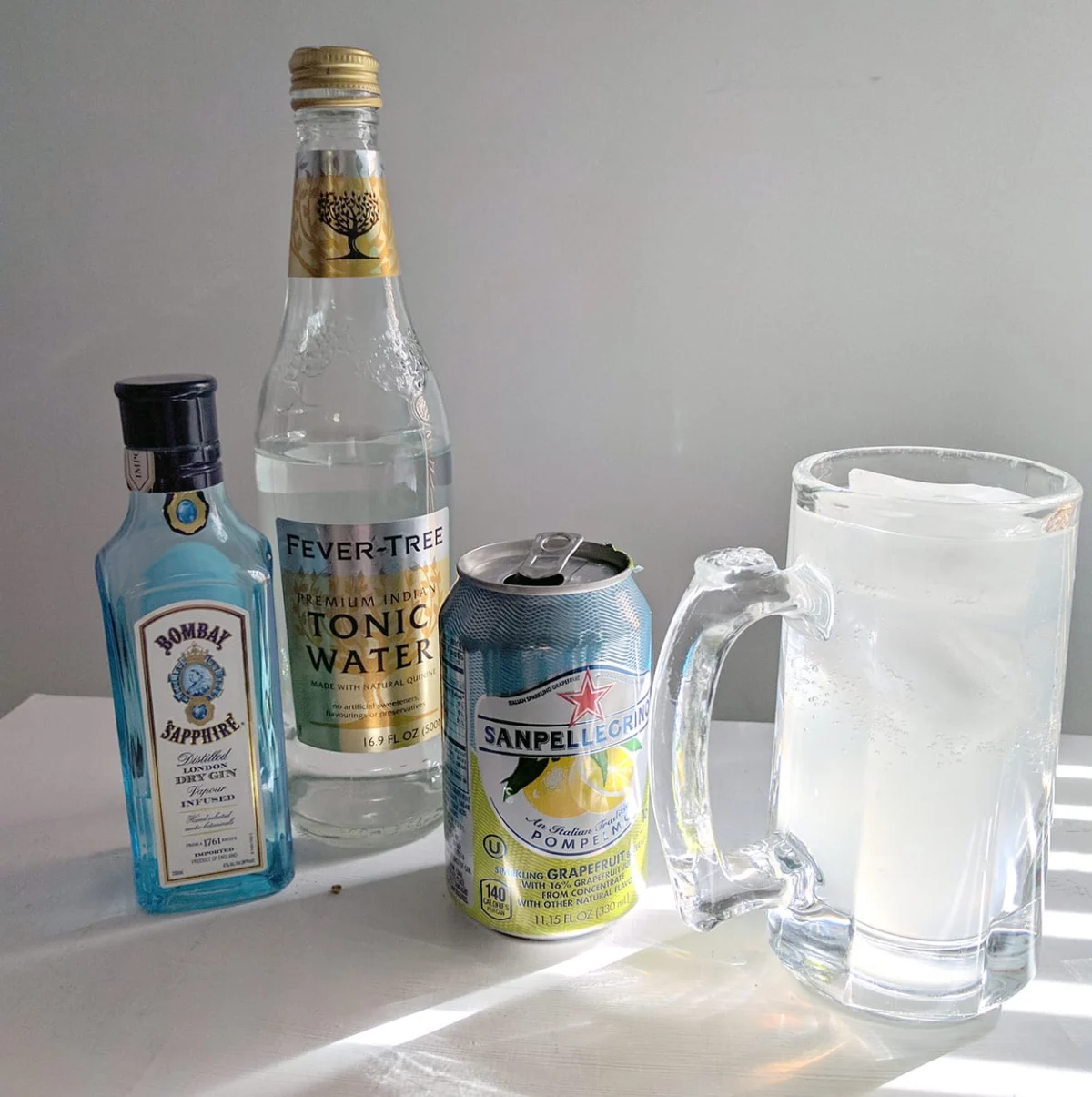
For consumers in regions where authentic Finnish imports are not yet available, the challenge remains how to replicate the "lonkero" experience using local ingredients. Journalistic evaluations and mixology trials suggest that the specific flavor profile of Finnish grapefruit soda is difficult to mimic with standard carbonated beverages.
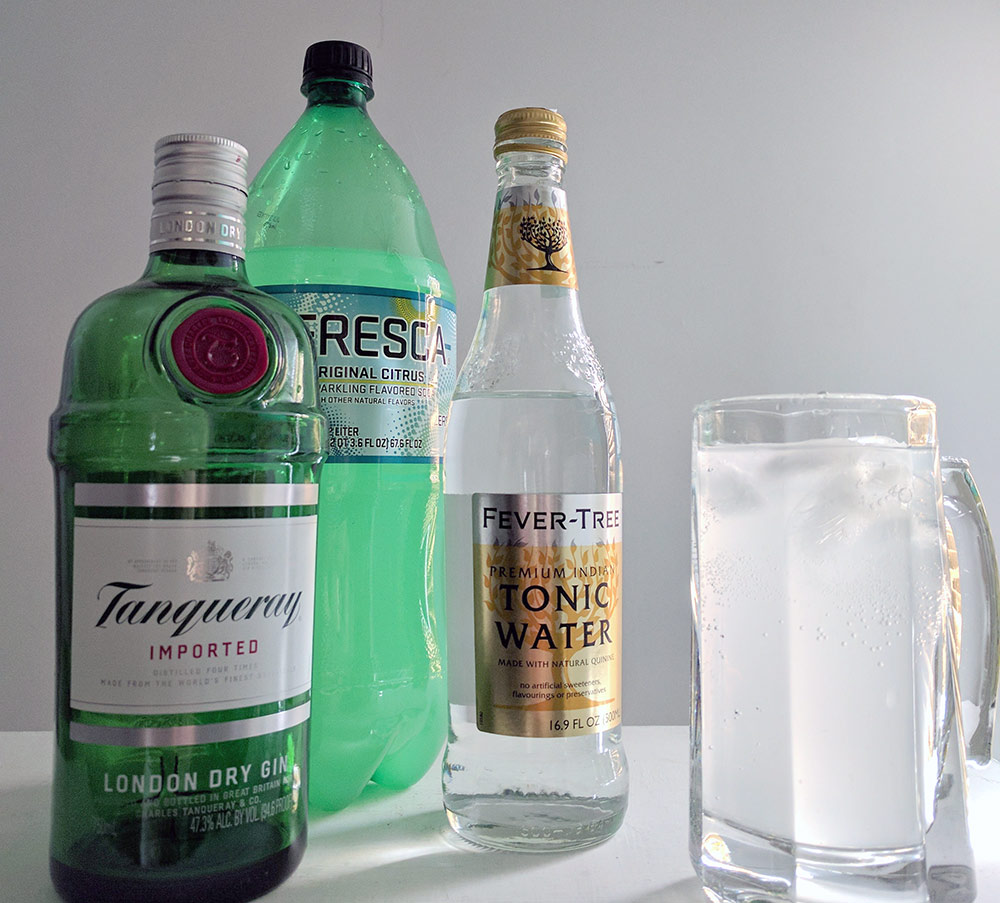
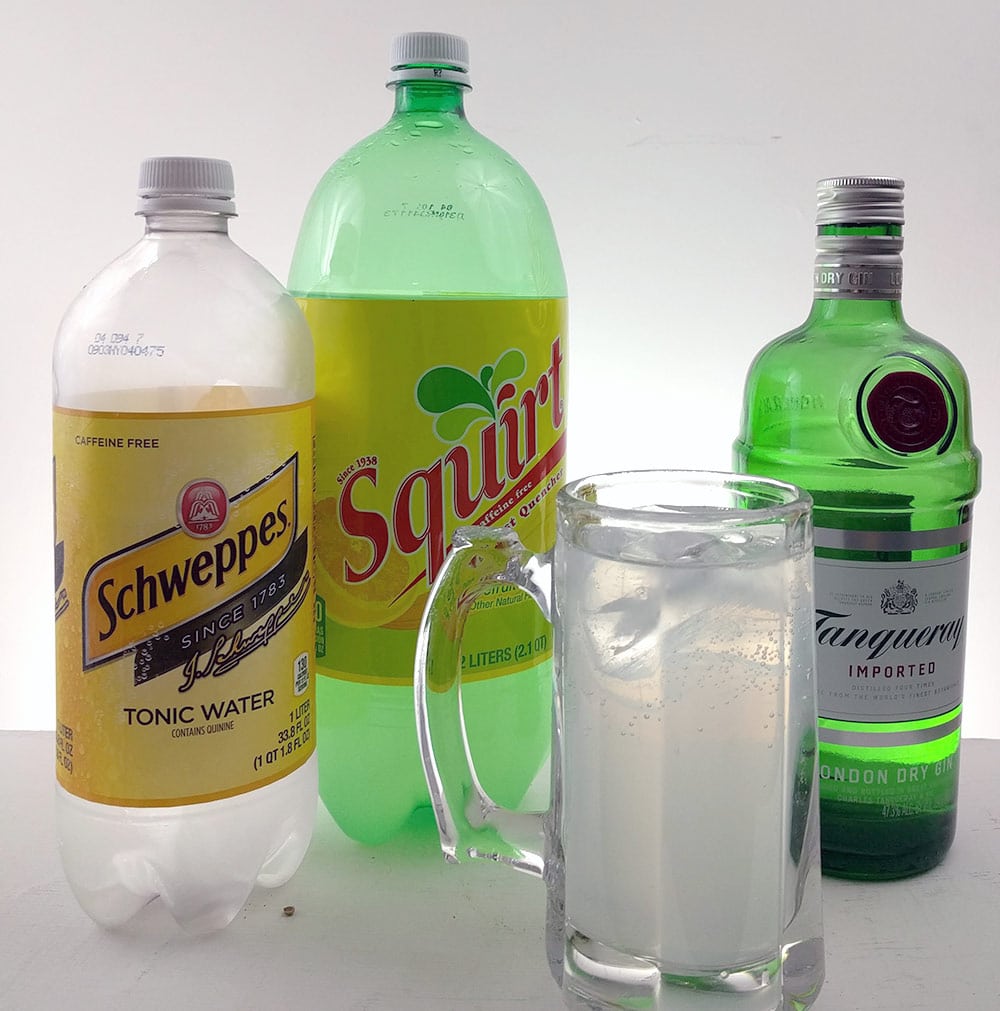
- The Synthetic vs. Natural Balance: Many North American grapefruit sodas, such as Squirt (a PepsiCo product), are often deemed too sweet for a true Long Drink replication. While they provide the necessary citrus notes, they lack the dry, slightly bitter finish characteristic of the Finnish original.
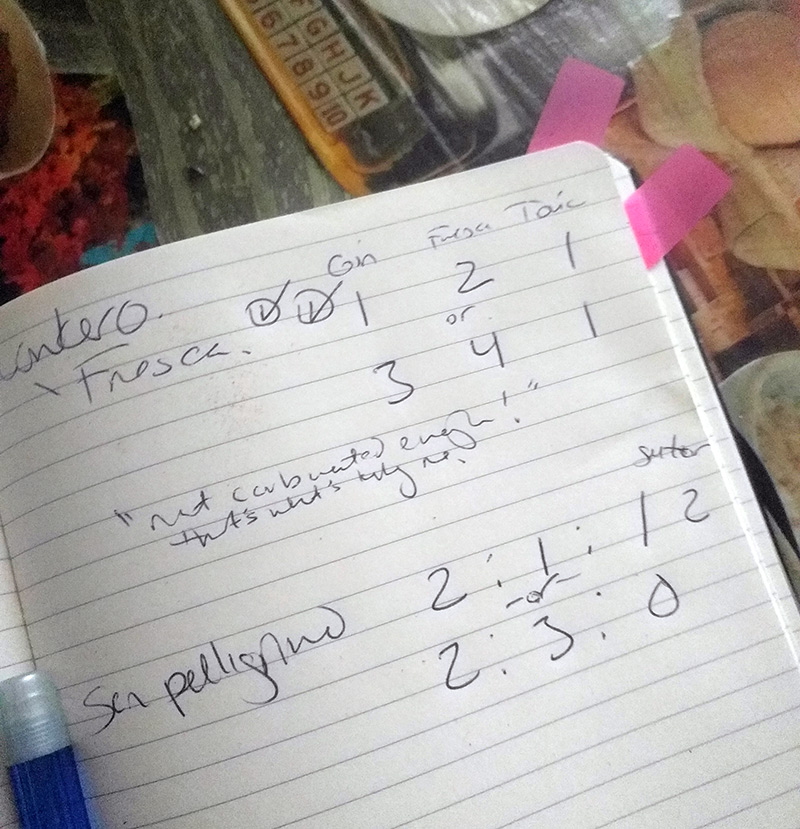
- The Fresca Alternative: Among mass-market sodas, Coca-Cola’s Fresca is frequently cited by enthusiasts as the closest approximation available in the United States. Its use of concentrated grapefruit juice and a lack of caffeine results in a profile that, when paired with a juniper-forward London Dry gin, closely mirrors the canned Hartwall experience.
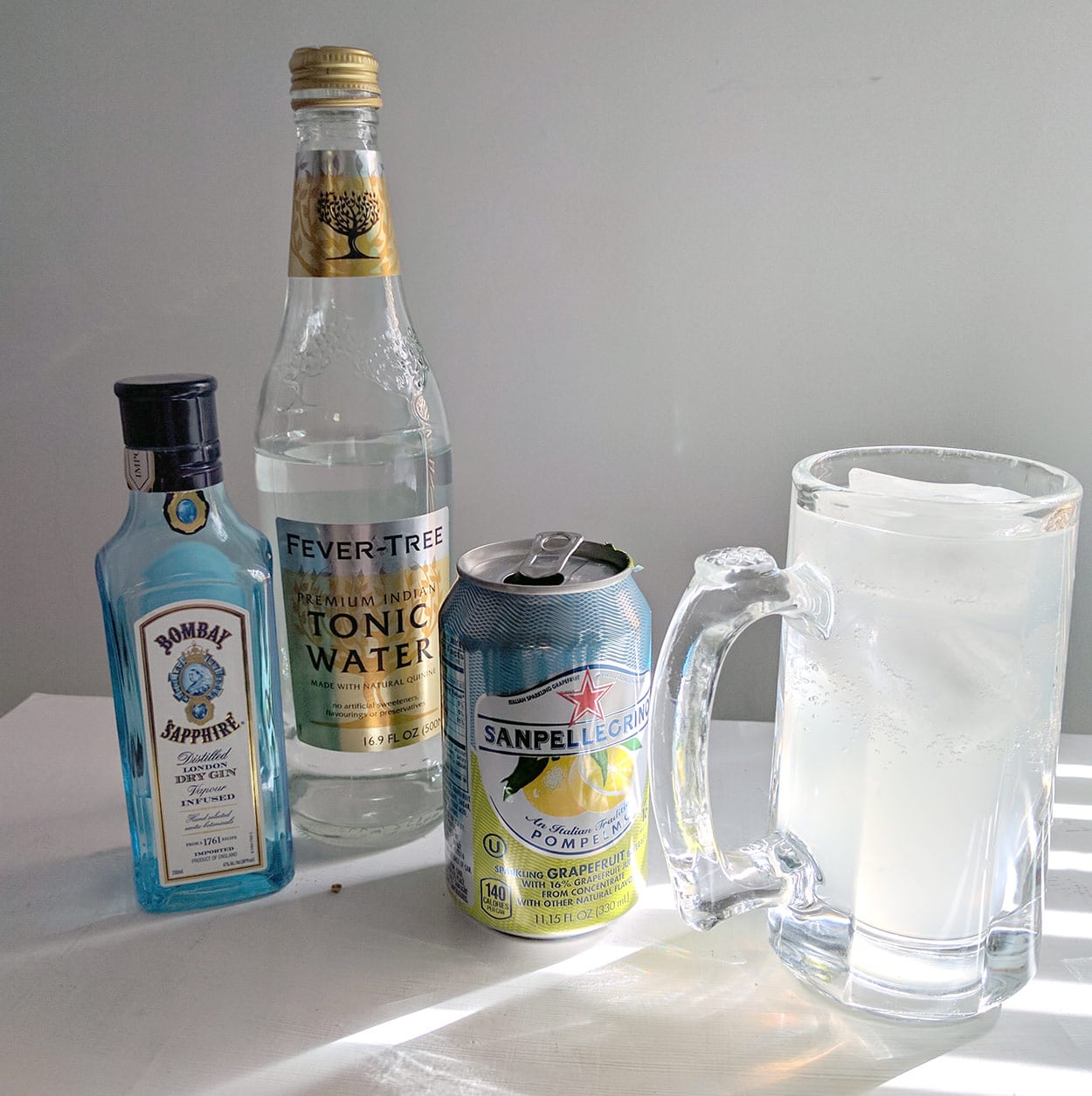
- The Role of Tonic Water: Some successful recreations involve the addition of a splash of tonic water. The quinine in the tonic provides the bitterness that is often missing from fruit sodas, bridging the gap between a Gin and Tonic and a Long Drink.
- Fresh Ingredient Limitations: Surprisingly, using fresh-squeezed grapefruit juice often moves the drink too far into "Greyhound" or "Paloma" territory. The Finnish Long Drink relies on a specific type of carbonated "grey" grapefruit soda that possesses a unique opacity and a sharp, acidic bite that fresh juice alone cannot provide without significant adjustment of simple syrups and acids.
Broader Cultural and Economic Implications
The rise of the Long Drink is a testament to the power of "soft power" in international trade. Much like the global spread of the Danish concept of "hygge" or the Swedish "fika," the Long Drink carries with it the imagery of the Finnish lifestyle: saunas, pristine nature, and a pragmatic, high-quality approach to leisure.
From an economic perspective, the success of the Long Drink has provided a blueprint for other Finnish spirit producers. It has demonstrated that a product born out of a specific historical necessity—hosting the 1952 Olympics—can be rebranded as a timeless classic. This has led to a surge in Finnish gin exports, with distilleries like Kyrö gaining international acclaim by leveraging the "lonkero" association.
Furthermore, the beverage’s expansion reflects a shift in global drinking habits. Modern consumers are increasingly "sober-curious" or "session drinkers," favoring beverages that allow for social interaction over an extended period without the high alcohol content of traditional cocktails. The Long Drink, with its refreshing profile and moderate ABV, is perfectly positioned to capitalize on this trend.
Conclusion
The Finnish Long Drink has come a long way from the temporary stalls of the Helsinki Summer Games. It has survived discontinuation, navigated strict state monopolies, and is now challenging the dominance of hard seltzers and beer in international markets. Whether enjoyed as a post-sauna tradition in a Finnish forest or as a premium canned cocktail in a New York bar, the "lonkero" remains a singular example of how a simple blend of gin and grapefruit can capture the spirit of a nation and export it to the world. As distribution networks continue to grow, the Long Drink is poised to move from a "cult" favorite to a permanent fixture in the global beverage landscape, proving that some Olympic legacies are best measured in liters rather than medals.
