

As autumn’s crisp embrace settles over the Northeast, bringing with it a palpable yearning for hearty fare like chili and the simple comfort of oversized mozzarella sticks, the culinary world and broader society are abuzz with significant developments. From a high-profile change in judging panels on a beloved baking show to a chef’s unexpected foray into footwear, and from intense community debates over health protocols to a landmark settlement in the gig economy and escalating international trade disputes, this week has unveiled a rich tapestry of stories reflecting contemporary challenges and evolving cultural landscapes.
Culinary and Cultural Currents: Fall Flavors, Familiar Faces, and Fashion Ventures
The arrival of fall in the northeastern United States is often marked by more than just changing leaves; it heralds a shift in culinary preferences, a collective leaning towards warmth and comfort. This seasonal transition frequently inspires a renewed appreciation for classic dishes. For many, this includes the hearty, warming qualities of chili, a dish that transcends mere sustenance to become a symbol of cozy evenings and communal gatherings. Beyond the home kitchen, local eateries are also tapping into this autumnal mood, offering indulgent delights. A recent visit to Floradora, for instance, unveiled a noteworthy culinary experience: mozzarella sticks of unprecedented scale, described as "the size of a gold bar." While the sheer volume of cheese might have induced a temporary sensory overload, their deliciousness underscores a continuing trend towards elevated comfort food experiences in urban dining scenes.
Nigella Lawson’s Debut on The Great British Baking Show
In a significant shake-up for one of television’s most cherished culinary competitions, The Great British Baking Show (known as The Great British Bake Off in the UK) welcomed Nigella Lawson as a new judge this week. Lawson steps into a role previously held by the esteemed Prue Leith, marking a notable shift in the show’s dynamic. Leith, with her vibrant jewelry and grandmotherly warmth, cultivated a persona that resonated with viewers, embodying a blend of expertise and approachable eccentricity. Lawson, conversely, brings a distinctively different aura to the tent. Renowned for her sophisticated yet sensual approach to cooking, her television presence is often described as elegant, authoritative, and subtly intimidating. This stylistic difference is anticipated to infuse the show with a fresh perspective, potentially shifting the tone of critiques and on-screen interactions. Viewers and critics alike will be observing closely to see if Lawson’s presence also influences the show’s characteristic double entendres, a humorous staple often attributed to her predecessor. Her extensive background as a celebrated food writer and television personality, with a career spanning decades, suggests she will bring a profound depth of culinary knowledge and a discerning palate to the judging panel, potentially elevating the show’s gastronomic discourse.
Allison Roman’s Expansion: From Kitchen to Closet
Celebrated chef and writer Allison Roman, known for her accessible recipes and distinctive culinary voice, is broadening her entrepreneurial horizons beyond the kitchen. In addition to preparing for the grand opening of her highly anticipated brick-and-mortar storefront in New York City – a move that signifies a strategic expansion of her brand into physical retail – Roman has ventured into the competitive world of footwear. This unexpected collaboration with Margaux, a brand known for its comfortable yet chic shoe designs, has yielded a new line of shoes. One particular design has drawn attention for its striking resemblance to a heeled evolution of the Dansko clog, a shoe famously favored by chefs for its ergonomic support during long hours on their feet. This innovative pivot highlights a growing trend among culinary figures to diversify their brands, leveraging their established personas and aesthetic sensibilities into broader lifestyle categories. Roman’s foray into footwear suggests a thoughtful integration of practicality and style, mirroring the pragmatic elegance often found in her recipes. The transition from designing recipes to designing shoes underscores the versatility of modern branding, proving that a chef’s influence can extend far beyond the plate.
Community Dynamics and Digital Divides: The "Lesbian Bar Meltdown"
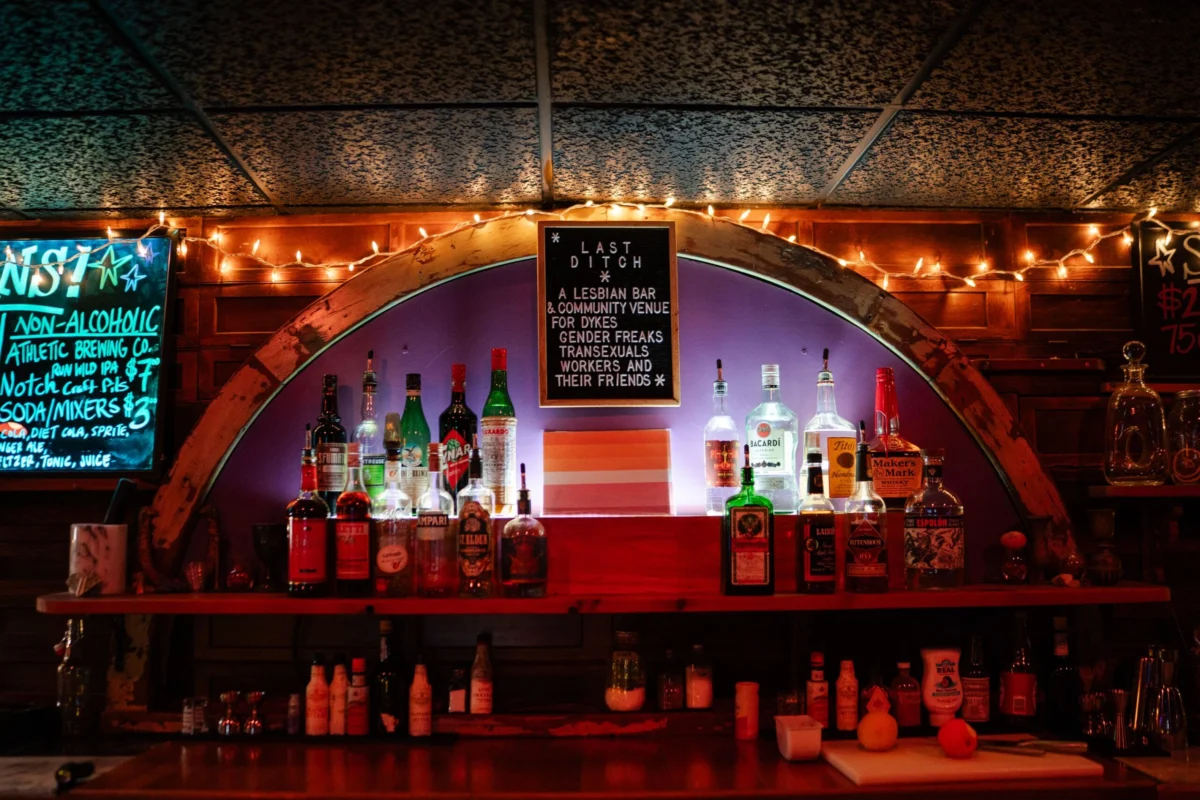
This week, a localized conflict in a small western Massachusetts town captivated national attention, becoming a poignant case study in the complexities of community spaces, financial viability, and the enduring debates surrounding public health measures. The incident, dubbed the "lesbian bar meltdown," unfolded at Last Ditch, a lesbian bar and arts venue in Greenfield, Massachusetts, which was struggling financially.
Chronology of a Community Conflict:
- Initial Policy: For an extended period, Last Ditch maintained a strict COVID-conscious masking policy, requiring masks seven nights a week to ensure a safe environment for all patrons, particularly those who are immunocompromised.
- Strategic Shift: Facing significant financial pressures and declining patronage, the bar’s operator announced via Instagram that Saturday nights would become mask-optional, a decision aimed at attracting a broader customer base and boosting revenue.
- Immediate Backlash: The announcement triggered an intense and swift backlash across social media platforms. Commenters expressed outrage, accusing the bar of abandoning its commitment to community safety and inclusivity. One particularly vitriolic comment wished for the venue to be "firebombed."
- Escalation and Mediation: The controversy escalated rapidly, leading to highly charged online discussions and, remarkably, Zoom-inclusive mediation meetings in an attempt to bridge the divide. These meetings, however, revealed deeper fissures, including the bar’s tens of thousands of dollars in debt and tangential, almost surreal, details involving "clown school."
- Wider Attention: The story, first reported by The Boston Globe, quickly went viral, attracting widespread media attention and becoming a point of discussion in both mainstream and conservative outlets, often framed as an example of internal ideological conflict within progressive communities.
Context and Broader Implications:
The incident at Last Ditch is not isolated. It echoes similar internal conflicts that have plagued other queer spaces. Philadelphia’s queer cafe, Mina’s World, experienced a similarly convoluted closure following internal disputes, and Doc Marie’s, a lesbian bar in Portland, famously closed after just one day of service due to what was broadly described as "more gay drama." These events highlight a troubling trend: queer spaces, particularly lesbian bars, are closing at an alarming rate across the United States. Data from the Lesbian Bar Project indicates that the number of lesbian bars in the U.S. has plummeted from around 200 in the 1980s to fewer than 30 today.
This situation presents a critical dilemma: while the imperative to dismantle systems of oppression and foster truly inclusive environments within communities is paramount, the question arises whether internal conflicts, amplified by social media, are inadvertently contributing to the demise of these vital spaces. The intensity of the reactions at Last Ditch underscores the profound emotional investment and high expectations placed upon community-centric venues, especially those serving marginalized groups. However, when these expectations clash with the harsh realities of economic sustainability and differing comfort levels with public health protocols, the resulting discord can be devastating for already fragile establishments. The episode at Last Ditch serves as a stark reminder of the delicate balance required to maintain safe, inclusive, and financially viable community spaces in an increasingly polarized world.
Accountability in the Gig Economy: DoorDash’s Historic Settlement
In a landmark development for labor rights in the gig economy, delivery platform DoorDash agreed to pay a record $131.5 million in a settlement this week. The agreement, one of the largest of its kind, addresses significant underpayment and late payment issues experienced by its delivery workers.
Key Details of the Settlement:
- Total Payout: $131.5 million, the largest settlement ever received by workers in New York City’s history.
- Worker Compensation:
- $12.3 million allocated to workers who were underpaid or paid late.
- Over $83 million designated for workers who spent time logged onto the app between deliveries, a critical aspect of "active time" often contested in gig economy compensation models.
- Civil Penalties: $16.7 million in civil penalties.
- Affected Workers: Approximately 264,000 delivery workers are covered by the settlement.
- Individual Payments: While the median payment is estimated at $48, city officials highlighted that the distribution is highly varied:
- About 700 workers are owed more than $10,000 each.
- More than 27,000 workers are owed over $1,000.
- More than 4,000 workers are owed over $5,000.
Company and Official Responses:
In a rare admission of culpability, DoorDash released a statement acknowledging, "We screwed up." This public apology signifies a recognition of past failures in adhering to labor regulations and fair compensation practices. The Mayor’s office in New York City hailed the settlement as a monumental victory for workers, underscoring the city’s commitment to protecting the rights of gig economy laborers.
Context and Broader Implications:
This settlement stems from the implementation of new New York City pay standards for delivery workers, which aimed to establish a minimum wage for the time workers spend "on call" and actively delivering. The gig economy, characterized by its reliance on independent contractors, has long been a battleground for labor rights, with debates centering on fair wages, benefits, and worker classification. This DoorDash settlement sets a significant precedent, particularly regarding compensation for "time on app" – the periods when drivers are available for work but not actively making deliveries.
The ruling underscores the increasing scrutiny faced by tech giants in the gig economy and could encourage similar legislative actions and legal challenges in other cities and states. For DoorDash, the settlement, while substantial, also represents an opportunity to rebuild trust with its workforce and demonstrate a commitment to ethical labor practices. It signals a potential shift towards greater accountability for gig economy platforms, forcing them to re-evaluate their operational models and ensure equitable treatment for the millions of individuals who form the backbone of their services. The broader impact could include a redefinition of gig worker rights, potentially leading to improved working conditions and compensation standards across the entire sector.
Geopolitical Spirits: The US-Canada Whiskey Trade War
International trade relations between the United States and Canada, typically characterized by strong economic ties, have been strained this week by an escalating dispute over alcoholic beverages. What began as regional protectionist measures has now evolved into a full-blown "whiskey" trade war.
Chronology of Escalation:
- Canadian Provinces’ Ban (Precursor): The conflict originated when certain Canadian provinces enacted bans on American-produced whiskey, primarily aimed at supporting local industries.
- US Retaliatory Tariff: In response to these perceived discriminatory practices, the Trump administration retaliated by imposing a 50% tariff on Canadian whisky imports into the United States.
- US Complete Ban: The dispute intensified this week, with the US government issuing a complete ban on the importation of Canadian whisky. This presidential action, outlined in a White House statement, signifies a significant hardening of trade policy.
Key Details and Loopholes:
The ban is set to take effect early next week, but it includes specific loopholes. Notably, Canadian whisky imported into the U.S. in bulk and subsequently bottled within the country will be exempt from both the ban and the existing 50% tariff. This provision suggests an attempt to mitigate the impact on US-based bottling and distribution operations while still exerting pressure on Canadian producers.
Context and Broader Implications:
This trade dispute is emblematic of the broader use of tariffs and trade restrictions as tools in international diplomacy and economic leverage. The distinction between "whiskey" (typically American and Irish spelling) and "whisky" (Canadian and Scottish spelling) highlights the specific nature of the products targeted. The spirits industry is a significant economic sector for both nations, with billions of dollars exchanged annually.
The implications of this escalating trade war are multifaceted. For consumers, it could lead to higher prices for Canadian whisky and potentially reduced availability, affecting popular brands. For distillers and distributors in both countries, it introduces significant market uncertainty, disrupted supply chains, and potential financial losses. The "loophole" for bulk imports, while offering some relief, also complicates the market by creating a two-tiered system for Canadian whisky. Furthermore, such disputes, even over seemingly niche products like spirits, can strain overall diplomatic relations, potentially impacting cooperation on other critical issues. The unpredictable nature of tariffs, which can be declared and revoked at short notice, leaves the future of Canadian whisky in the US market highly uncertain, underscoring the volatility of contemporary trade politics.
Professionalism in the Modern Age: The Iced Coffee Interview Debate
A seemingly innocuous question—whether it is appropriate to bring an iced coffee to a job interview—has sparked a surprisingly fervent debate across the internet this week, ignited by a viral TikTok video. This discussion delves into evolving notions of professionalism, workplace etiquette, and generational differences.
The Core of the Debate:
The debate centers on the subtle cues and unspoken rules that govern first impressions in professional settings. On one side, traditionalists argue that bringing a casual beverage like an iced coffee signals a lack of seriousness, preparedness, or respect for the formality of an interview. It might be perceived as a distraction, unprofessional, or even presumptuous. Proponents of this view emphasize the importance of presenting oneself as meticulously put-together and fully focused.
Conversely, others contend that in an increasingly casual and hybrid work environment, such an action is harmless, reflects authenticity, and might even be seen as a sign of confidence or comfort. They argue that focusing on a minor detail like a drink distracts from a candidate’s qualifications and skills, suggesting that companies should prioritize substance over superficiality. Some also highlight that for many, coffee is an integral part of their daily routine, and bringing one might simply be a practical necessity to stay alert.
Context and Broader Implications:
This discussion transcends the simple act of carrying a drink; it touches upon broader societal shifts in professional norms. The COVID-19 pandemic accelerated a move towards more flexible and informal work environments, blurring the lines between personal and professional life. This has led to a re-evaluation of what constitutes "professionalism" in various contexts.
Career experts often advise candidates to err on the side of caution when it comes to interviews. While a small bottle of water might be acceptable, anything that could be perceived as a distraction or too casual is generally discouraged. The consensus among many HR professionals leans towards presenting a polished and focused image, free from potential distractions. The "iced coffee debate" thus serves as a microcosm for the larger conversation about adapting to new workplace realities while still respecting foundational principles of professional conduct. It highlights the generational divide in interpreting these unwritten rules and underscores the need for candidates to carefully consider their audience and the culture of the company they are interviewing with.
