

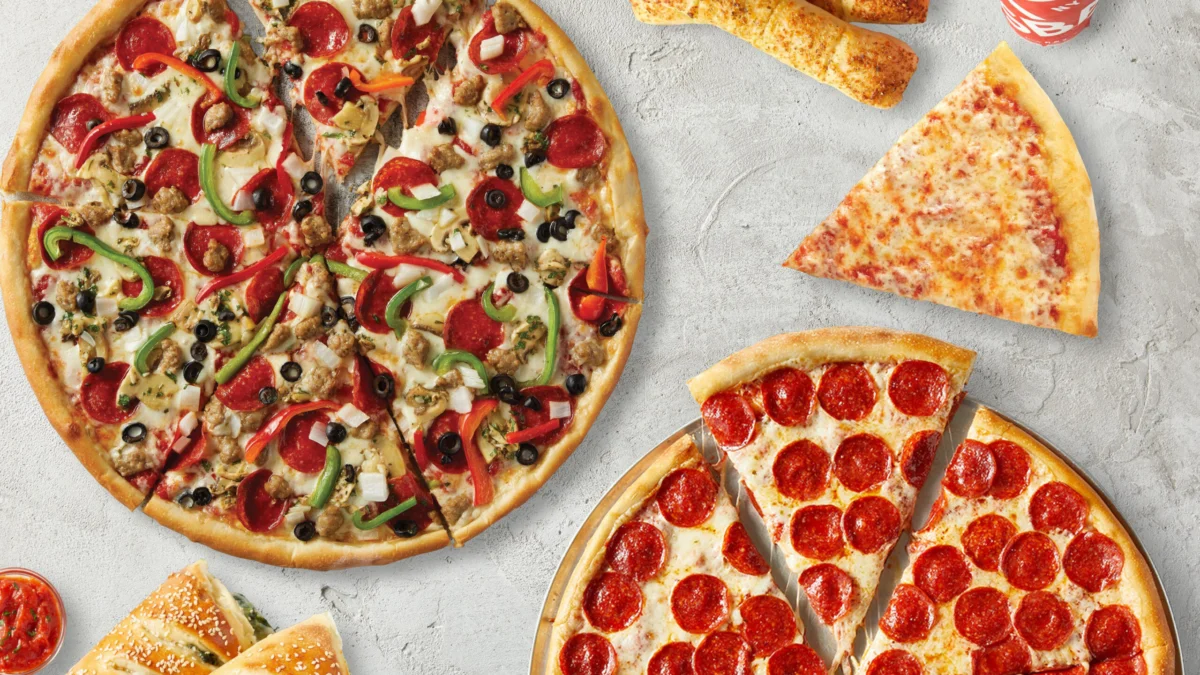
As Sbarro, the iconic New York-style pizza chain, celebrates its 70th anniversary this fall, it is marking the milestone not just with a special customer offer, but with a robust narrative of resilience and strategic reinvention. The company is inviting guests to add an extra-large New York slice to any combo purchase for a mere $2, a nod to its heritage and a testament to its current momentum. This celebratory offer coincides with a period of significant expansion for Sbarro, which has consistently opened at least 100 new locations annually for the past four years and is on track to achieve this feat for a fifth consecutive year in 2026. With a global footprint now exceeding 850 locations, Sbarro’s recent growth trajectory is heavily influenced by its strategic penetration into international markets and innovative partnerships with convenience store operators.
A Tumultuous Journey from Mall Icon to Modern Operator
Sbarro’s journey to its 70th anniversary is a compelling case study in brand evolution, marked by periods of immense popularity and significant adversity. The brand enjoyed a golden era during the 1980s and 1990s, becoming a ubiquitous fixture in shopping malls across America, synonymous with quick, accessible, and satisfying pizza. However, the changing retail landscape and evolving consumer preferences presented formidable challenges. By the early 2010s, Sbarro found itself in a precarious position, grappling with declining mall traffic and an outdated business model. This culminated in the company filing for bankruptcy twice within a three-year span, a period that tested the very survival of the brand.
The turning point for Sbarro arrived in 2014. Emerging from its last bankruptcy, the brand was acquired by a group that included David Karam, a seasoned foodservice executive. Karam, who previously served as the president of Wendy’s from 2008 to 2011, spearheaded a significant strategic shift. This included relocating the company’s headquarters from its ancestral home in New York to Columbus, Ohio, a move that signaled a departure from its past and a commitment to a new operational philosophy.
The "Impulse Buy" Pivot: Reimagining Sbarro’s Market Niche
Under Karam’s leadership, and in collaboration with his sons, Sbarro has undergone a profound transformation, strategically repositioning itself to dominate the "impulse buy" segment of the pizza market. This pivot has been instrumental in its recent growth and diversification. The brand’s new operational model focuses on high-traffic, non-traditional locations where consumers often seek convenient and familiar food options.
This includes a significant presence in:
- Convenience Stores (C-stores): Recognizing the evolving role of c-stores as dining destinations, Sbarro has forged numerous partnerships to offer its signature pizzas and Italian specialties to a captive audience seeking quick meals on the go. This segment has proven to be a key driver of new unit development.
- Hospitals: Providing convenient and comforting food options for patients, visitors, and healthcare professionals has become another strategic avenue for Sbarro. These locations often benefit from the brand’s established recognition and appeal.
- Military Bases: Sbarro’s presence on military installations offers service members a taste of home and a reliable, affordable dining option, contributing to its global reach and community engagement.
- Travel Hubs and Entertainment Venues: From airports to stadiums and the vibrant Las Vegas Strip, Sbarro’s accessible format and universally appealing product make it a natural fit for locations with high foot traffic and a demand for immediate gratification.
This strategic focus on "impulse buy" locations allows Sbarro to bypass the traditional challenges associated with standalone restaurants and capitalize on existing infrastructure and customer flow. The brand’s ability to adapt its footprint and operational model to these diverse environments has been critical to its resurgence.
Data-Driven Growth and International Expansion
Sbarro’s recent expansion figures underscore the success of its revitalized strategy. The consistent opening of over 100 new locations per year is a testament to the demand for its product in its chosen market segments. This growth is not confined to domestic markets; international expansion has been a significant pillar of Sbarro’s growth strategy.
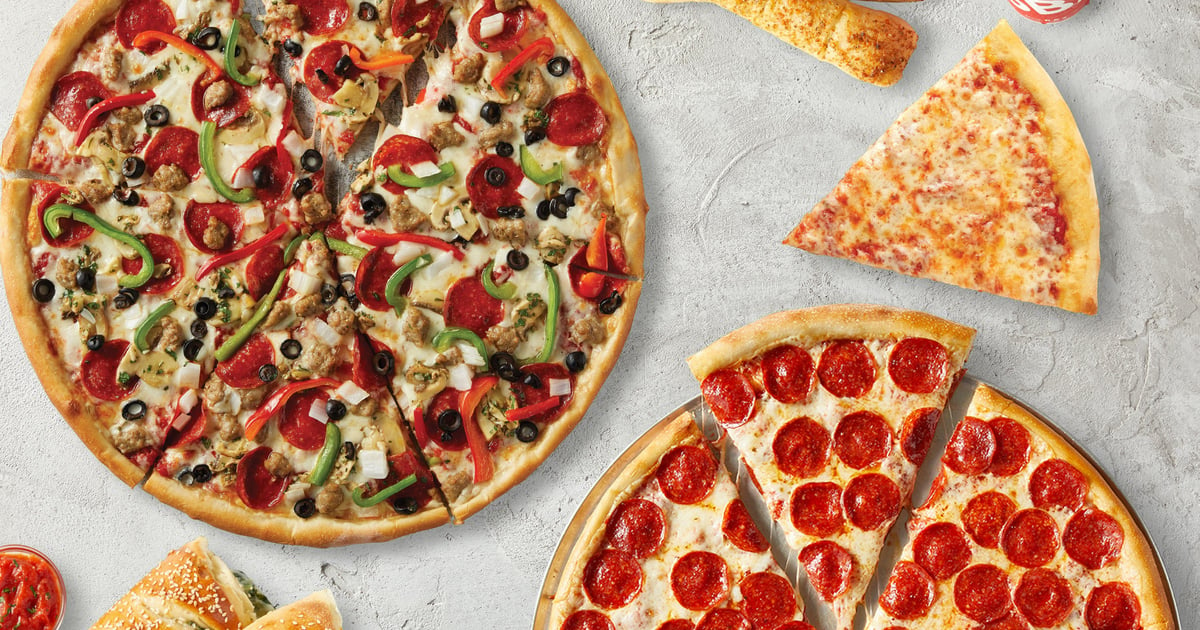
- Global Footprint: The current total of over 850 locations worldwide indicates a strong international presence, with new markets continuously being explored and penetrated. This global reach diversifies revenue streams and mitigates risks associated with reliance on any single market.
- International Market Penetration: While specific details on individual international markets are often proprietary, the consistent focus on global growth suggests successful adaptation of Sbarro’s offerings to local tastes and preferences, alongside leveraging its brand recognition.
- C-store Partnerships as a Growth Engine: The symbiotic relationship with convenience store operators has proven to be a highly scalable model. This allows Sbarro to enter new markets and expand its reach with lower capital investment compared to traditional brick-and-mortar setups. Industry analysts have noted that the c-store channel is increasingly becoming a significant battleground for quick-service brands seeking to capture convenience-oriented consumers.
The company’s ability to maintain this rapid pace of expansion speaks to the operational efficiency and adaptability of its franchise model and corporate strategy.
A Deeper Dive into Brand Rejuvenation and Market Insights
David Karam, a central figure in Sbarro’s turnaround, recently shared his insights on the brand’s journey and his perspective on the broader pizza industry during an appearance on the podcast "Take-Away with Sam Oches." This conversation offered a unique window into the strategic decisions that have revitalized a brand many had considered past its prime.
Karam discussed the critical steps taken to emerge from bankruptcy, emphasizing the importance of a clear strategic vision and a willingness to make difficult but necessary changes. His experience as a veteran of the quick-service restaurant industry, particularly his tenure at Wendy’s, provided him with the operational expertise and leadership acumen required to steer Sbarro towards a sustainable future.
The discussion also delved into Karam’s assessment of the current pizza landscape. While Sbarro has carved out its niche, the broader pizza market remains highly competitive, with established giants and emerging players vying for consumer attention. Karam’s observations likely touched upon the challenges of differentiation, the impact of evolving consumer dining habits, and the opportunities that still exist for well-positioned brands. His insights on what he believes is "wrong with the pizza category today" could offer valuable perspectives for industry observers and competitors alike, potentially highlighting areas of over-saturation, a lack of innovation in certain segments, or an underestimation of specific consumer needs.
The 70th Anniversary: A Symbol of Endurance and Future Promise
The 70th anniversary of Sbarro is more than just a celebration of longevity; it is a testament to the brand’s ability to adapt, innovate, and thrive in a dynamic marketplace. The $2 XL NY Slice offer is a fitting tribute, allowing customers to experience a core element of Sbarro’s identity at an accessible price. This gesture not only rewards loyal patrons but also serves as an invitation to a new generation of consumers to discover or rediscover the brand.
The company’s remarkable growth in recent years, coupled with its strategic focus on high-traffic, non-traditional locations, positions Sbarro for continued success. As it looks beyond its 70th year, Sbarro appears poised to build upon its revitalized foundation, further solidifying its presence in existing markets and exploring new avenues for expansion. The journey from mall staple to a dominant force in the impulse-buy pizza segment is a compelling narrative of brand resilience and strategic foresight, demonstrating that even iconic brands can reinvent themselves for a new era.
The success of Sbarro’s transformation offers a valuable lesson for the broader foodservice industry: brands that can adapt to changing consumer behaviors and market dynamics, while staying true to their core strengths, are best positioned for long-term survival and growth. The company’s future will likely be shaped by its continued ability to identify and capitalize on opportunities in evolving retail and foodservice environments, particularly in the burgeoning convenience sector and in underserved international markets.
