

The landscape of contemporary dining is undergoing a significant transformation, marked by a growing demographic shift towards solo living and a corresponding evolution in culinary practices. Far from being a niche preference, the act of preparing and enjoying a meal for one has become a prominent feature of modern lifestyles, prompting a re-evaluation of traditional recipe formats. Initiatives such as Bon Appétit’s "Me, Myself, and Dinner" series are at the forefront of this movement, specifically curating dishes designed to serve a singular individual, challenging the long-held assumption that most recipes inherently cater to multiple diners. This cultural pivot reflects a broader societal trend where nearly 30% of Americans now live alone, a figure that underscores a profound demographic shift with wide-ranging implications for the food industry, culinary media, and personal well-being. The emphasis on making solo dining an anticipated and enjoyable experience, rather than a solitary chore, highlights a conscious effort to imbue personal meals with significance and pleasure.
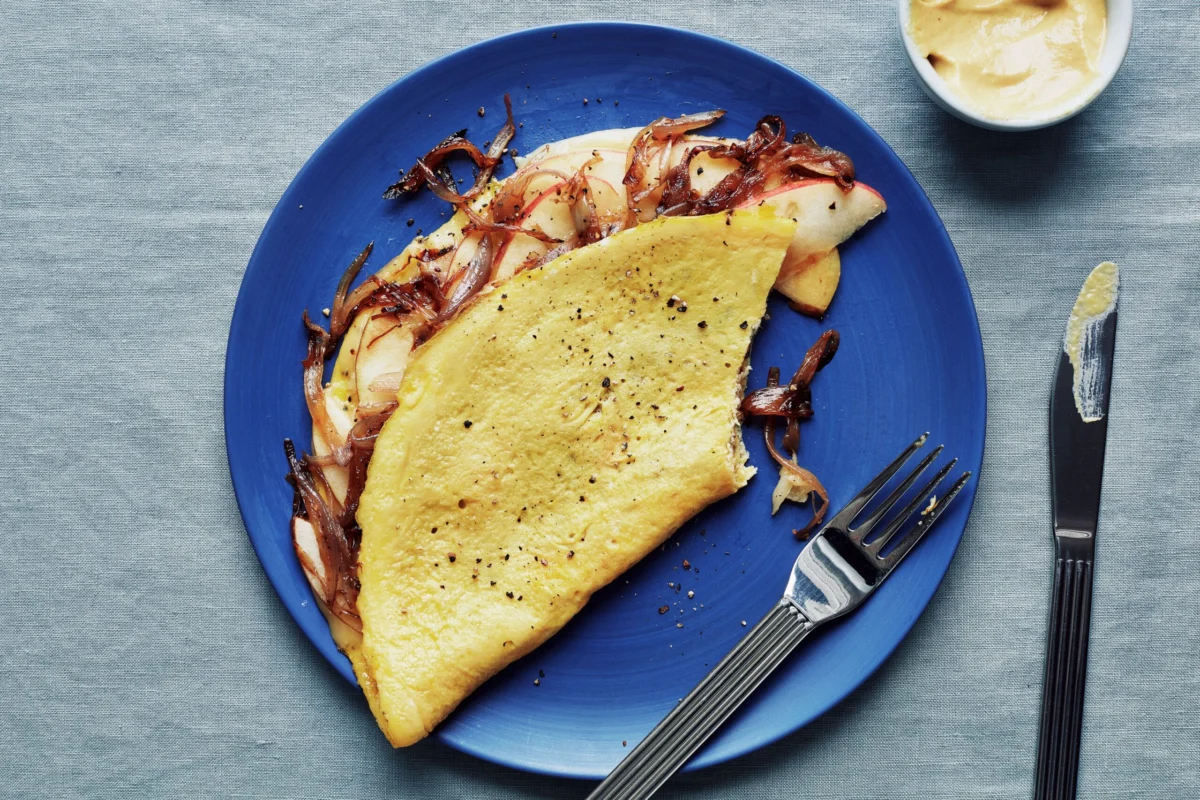
Central to this emerging culinary philosophy is the humble yet versatile omelet, which is rapidly gaining recognition as the ideal dish for an individual dinner. While traditionally associated with breakfast or brunch alongside classic accompaniments like bacon and hash browns, its intrinsic characteristics make it exceptionally well-suited for an evening meal prepared for and by oneself. The manageability of omelet preparation—typically made one at a time and best consumed immediately—aligns perfectly with the requirements of a solo diner seeking efficiency without compromising on taste or quality. This approach diverges from complex, multi-serving recipes, offering a swift, satisfying, and customizable option that caters precisely to the needs of a single individual at the end of a demanding day. The preference for heartier, "diner-style" fillings and a straightforward fold, rather than a meticulously rolled, delicate French omelet, further underscores its practicality and appeal as a comforting and substantial dinner.
The Demographic Imperative: A Deep Dive into Solo Living
The rise of solo dining is inextricably linked to profound demographic and sociological shifts observed over the past half-century. The statistic that nearly 30% of Americans live alone represents a significant increase from previous generations. In the 1970s, single-person households constituted roughly 17% of all households in the United States. This percentage has steadily climbed, reflecting a confluence of factors including later marriages, increased divorce rates, longer life expectancies, and a growing preference for independent living, particularly among younger adults and older populations. Data from the U.S. Census Bureau consistently illustrates this trend, showing single-person households as the second most common household type, trailing only two-person households.
Globally, this phenomenon is even more pronounced in some regions. Scandinavian countries, for instance, have long reported higher percentages of solo living, with Stockholm often cited as a city where more than 50% of households are single-person. Urbanization plays a crucial role, as metropolitan areas often attract individuals seeking career opportunities and cultural experiences, frequently leading to delays in partnership formation or a preference for independent living arrangements. Economic independence, particularly among women, has also empowered more individuals to choose to live alone, fostering self-reliance and personal autonomy. Sociologists note that the stigma once associated with living alone has largely dissipated, replaced by a recognition of personal choice and a desire for individual space and freedom. This cultural acceptance further fuels the growth of single-person households, establishing it not as a temporary phase but often as a sustained lifestyle choice. The implications of this demographic shift extend beyond housing and social structures, fundamentally reshaping consumer markets, including the culinary sector.
The Culinary Industry’s Adaptation: From Family Portions to Individual Plates
For decades, the culinary world, from cookbooks to restaurant menus, primarily operated on the assumption of group dining. Recipes were standardized for families of four or more, and dining establishments designed experiences around couples or larger parties. The burgeoning solo living trend, however, has necessitated a significant recalibration. Food manufacturers, grocers, and meal kit services have begun to respond by offering smaller portion sizes, single-serve packaging, and more convenient, ready-to-eat options tailored for individuals. This shift is not merely about convenience; it’s about acknowledging and validating the solo diner’s experience.
Culinary media outlets, such as Bon Appétit with its "Me, Myself, and Dinner" initiative, are playing a vital role in normalizing and celebrating solo cooking. This series specifically addresses the challenge of scaling down recipes, reducing food waste, and making the act of cooking for one as enjoyable and inspiring as preparing a feast for many. Culinary experts and lifestyle coaches emphasize that a meal prepared for oneself should be an act of self-care, a moment of intentional pleasure rather than a concession to solitude. This perspective is transforming how food is marketed and consumed, moving beyond bulk buying and family-sized meals to embrace precision portions and personalized culinary experiences. The demand for compact kitchen appliances, smaller cookware, and specialized ingredients in more modest quantities further illustrates this evolving market.
The Omelet: A Historical and Culinary Blueprint for Solo Suppers
The omelet’s journey through culinary history positions it perfectly for its contemporary role as the quintessential solo dinner. Its origins can be traced back centuries, with variations appearing in diverse cultures. Ancient Persians reportedly made dishes akin to omelets, while early French versions were simpler, rustic preparations. The omelet gained prominence in French haute cuisine during the 18th and 19th centuries, evolving into a delicate, rolled creation championed by legendary chefs who emphasized technique and precision. Simultaneously, simpler, more robust versions emerged in popular diners and cafes, particularly in America, where they became a staple for quick, customizable meals.
What makes the omelet uniquely suited for a solo dinner lies in several key attributes. Firstly, its inherent design as a single-serving dish. Unlike stews or casseroles that require batch cooking, an omelet is prepared individually, ensuring optimal freshness and temperature upon serving. Secondly, its speed of preparation is unparalleled. From cracking eggs to plate, a well-executed omelet can be ready in under ten minutes, a crucial factor for busy individuals. Thirdly, its incredible versatility allows for endless customization with readily available ingredients. Cheese, vegetables, herbs, cooked meats, or even leftovers can be incorporated, transforming a basic egg dish into a complete and balanced meal tailored to individual preferences and pantry contents. This adaptability minimizes food waste and maximizes culinary creativity, making it an economically and environmentally conscious choice for solo diners.
Nutritionally, eggs are a powerhouse, offering high-quality protein, essential vitamins (A, D, E, B12), and minerals (iron, selenium, choline). Paired with various fillings, an omelet can easily meet diverse dietary requirements, from vegetarian to low-carb. The "diner-style" approach, advocating for heartier fillings and a simple half-fold, further enhances its appeal as a substantial evening meal. This pragmatism eschews the pressure of mastering intricate rolling techniques, prioritizing comfort and satiety after a long day.
Mastering the Solo Omelet: Technique, Tools, and Customization
Achieving the perfect solo omelet, particularly one intended for dinner, hinges on a few fundamental principles: the right pan, proper heat management, and an understanding of egg coagulation. For the solo diner, a 10-inch pan is often ideal for a three-egg omelet, providing ample surface area for the eggs to cook evenly without being too crowded or too spread out. If only a larger pan is available, adjusting the number of eggs to four, potentially with a little extra cheese, can compensate, inadvertently turning it into a light meal for two if shared, or a more substantial single portion.
The choice of cookware is paramount. A well-seasoned carbon steel pan is often lauded by professional chefs for its exceptional nonstick properties when properly heated and its durability, allowing the use of metal spatulas without concern for scratching. Carbon steel also boasts excellent heat retention and distribution, contributing to an evenly cooked omelet. Alternatively, a high-quality nonstick pan offers a reliable and user-friendly option, particularly for those less familiar with carbon steel seasoning. The key is to ensure the pan is sufficiently hot before adding the eggs, allowing them to set quickly on the bottom while remaining moist on top.
For dinner omelets, the emphasis shifts towards more robust and satisfying fillings. Beyond the classic cheese and ham, options include sautéed mushrooms and spinach, caramelized onions and goat cheese, diced roasted vegetables, or even small amounts of cooked chicken or sausage. The process involves pouring the whisked eggs into the hot, buttered pan, allowing the edges to set, then gently pushing the cooked egg towards the center while tilting the pan to let uncooked egg flow underneath. Once the eggs are mostly set but still slightly moist on top, the chosen fillings are added to one half, and the omelet is simply folded over. This diner-style approach prioritizes flavor and substance over aesthetic perfection, making it highly accessible for home cooks.
To round out the meal, simple accompaniments can elevate the solo dining experience. A quick green salad dressed with a vinaigrette provides freshness and crunch. Frozen sweet potato fries, conveniently heated in a toaster oven or air fryer, offer a comforting side. However, the beauty of the dinner omelet lies in its self-sufficiency. Often, simply sliding the hot omelet onto a plate and adding a dollop of mustard or a dash of hot sauce is sufficient, embodying the ease and efficiency desired after a long day. This minimalist approach underscores the philosophy of "Me, Myself, and Dinner"—making a satisfying meal without unnecessary fuss.
Beyond the Plate: The Broader Implications and Future of Solo Dining
The burgeoning trend of solo dining and the specific embrace of dishes like the omelet carry significant broader implications across economic, social, and psychological dimensions. Economically, the food industry is witnessing a sustained demand for products and services catering to single-person households. This includes the proliferation of single-serving packaged goods, smaller produce items, and specialized meal kits that minimize waste for solo cooks. Restaurants are also adapting, with more establishments incorporating counter seating, communal tables, or even dedicated "single diner" menus to accommodate this growing segment. The market for compact kitchen appliances and cookware is expanding, reflecting the needs of smaller living spaces and individual culinary practices.
Socially, the normalization of solo dining challenges traditional views of meals as inherently communal events. While shared meals remain vital for social bonding, the acceptance of dining alone, both at home and in public, signifies a shift towards greater individual autonomy and reduced social stigma. It encourages a more mindful approach to eating, allowing individuals to focus on flavors, textures, and the act of consumption without the distractions of group dynamics.
Psychologically, making a solo dinner "something to look forward to" is crucial for well-being. For those living alone, particularly the elderly or those new to a city, the ritual of preparing a comforting meal can combat feelings of isolation and foster a sense of routine and self-care. It transforms a potentially solitary activity into an empowering act of personal indulgence. Culinary experts often suggest treating solo meals with the same care and attention one would give to entertaining guests, using good dinnerware, setting a pleasant ambiance, and truly savoring the experience. This mindset promotes mental health and positive self-perception, turning a necessity into a cherished habit.
Looking ahead, the trajectory of solo living appears set to continue its upward trend, propelled by ongoing demographic shifts and evolving societal values. This will inevitably drive further innovation in the culinary sector, from new product development to creative gastronomic experiences tailored for the individual. The simple, customizable, and satisfying omelet, therefore, stands not merely as a convenient meal but as a symbol of this broader culinary and societal evolution—a testament to the fact that a meal for one can be as rich, fulfilling, and celebrated as any grand communal feast. It represents an acknowledgment of individual preferences and the enduring pleasure found in the art of cooking, even when the only diner is oneself.
