

As the vibrant produce of summer recedes, a discernible and anticipated shift in culinary focus takes hold, ushering in the robust and comforting flavors characteristic of autumn. This seasonal transition, deeply rooted in agricultural cycles and cultural traditions, heralds a pivot towards heartier fare, featuring ingredients like butternut squash, sweet potatoes, mushrooms, figs, apples, and pears. These staples begin to dominate farmers’ markets and grocery aisles, inspiring a wave of recipes that prioritize warmth, depth, and nourishment as days shorten and temperatures cool. Culinary publications and home cooks alike anticipate this period, marking it with a curated selection of dishes designed to embrace the unique bounty of the season, from savory main courses to spiced baked goods.

The Inevitable Transition: From Light Fare to Hearty Harvest

The culinary landscape undergoes a profound transformation as the calendar pages turn from late summer to early autumn. Gone are the days of light, refreshing salads dominated by heirloom tomatoes, crisp cucumbers, and tender berries. Instead, the focus shifts to ingredients capable of sustaining and comforting through cooler weather. This transition is not merely a preference but a reflection of the agricultural cycle, where summer’s peak abundance gives way to the harvest of root vegetables, cruciferous greens, and a diverse array of fruits that thrive in temperate climates. Farmers’ markets, once brimming with delicate greens and sun-ripened stone fruits, now showcase sturdy squash, earthy mushrooms, and bushels of apples and pears, signaling the culinary recalibration.

Historically, this shift was a matter of survival, as communities prepared for leaner winter months by preserving and cooking with the more robust yields of autumn. Today, while modern food systems allow for year-round availability of many ingredients, the cultural inclination towards seasonal eating persists, driven by flavor, freshness, and a connection to tradition. Culinary experts often point to this period as one of the most creatively stimulating for chefs and home cooks, offering a rich palette of flavors and textures to explore.

Key Autumnal Ingredients: A Deep Dive into Seasonal Staples

The autumn pantry is characterized by a specific set of ingredients that form the backbone of seasonal cooking. Understanding their unique properties and versatility is key to appreciating the depth of fall cuisine.

-
Squash (Butternut, Pumpkin, Acorn): Perhaps the most iconic autumn vegetable, squash varieties are celebrated for their sweet, earthy flavor and creamy texture. Nutritionally, they are powerhouses, rich in vitamins A and C, fiber, and various antioxidants. Beyond the ubiquitous pumpkin spice latte, pumpkins and other winter squashes are incredibly versatile in savory applications, from hearty soups and stews to roasted side dishes and, notably, chili. The ability of squash to absorb flavors makes it an excellent base for dishes that require slow simmering, contributing both substance and a subtle sweetness.

-
Sweet Potatoes: A vibrant orange hue signals the nutritional richness of sweet potatoes, packed with beta-carotene, vitamin C, manganese, and fiber. Their natural sweetness makes them a favorite in both savory and sweet preparations. Roasted sweet potatoes, mashed sweet potato casseroles, and even sweet potato fries are common fixtures on autumn tables. Their dense texture and ability to caramelize beautifully make them ideal for roasting, adding a comforting depth to any meal.

-
Mushrooms: As the humidity increases and leaves begin to fall, mushroom foraging enters its prime, bringing an array of fungi to the culinary forefront. From delicate oyster mushrooms to robust portobellos and elusive wild varieties like chanterelles and porcinis, mushrooms lend an unparalleled umami depth to dishes. They are low in calories but rich in B vitamins, selenium, and copper. In autumn cuisine, mushrooms often feature in risottos, gravies, stuffings, and standalone dishes like "Mushrooms au Poivre," showcasing their earthy complexity.

-
Orchard Fruits (Apples, Pears, Figs): While often associated with desserts, autumn fruits play a significant role in savory dishes as well. Apples, with their crisp texture and balance of sweetness and tartness, pair wonderfully with pork, poultry, and cheeses. Pears offer a softer, more delicate sweetness, ideal for salads, tarts, and alongside game meats. Figs, though a shorter season, provide a luxurious, honeyed sweetness that complements salty cheeses, prosciutto, and rich braises. These fruits are not only delicious but also sources of fiber and antioxidants, adding a fresh counterpoint to heavier autumn meals. The economic impact of apple and pear harvests, in particular, is substantial in many agricultural regions, supporting local economies through direct sales and processing.

-
Cruciferous Vegetables (Cauliflower, Brussels Sprouts, Kale): While not highlighted in the original snippet, these vegetables become prominent in autumn. Roasting transforms their flavors, bringing out sweetness and nuttiness. They are rich in vitamins K and C, and provide significant fiber, making them excellent, robust additions to salads and roasted vegetable platters.
The Allure of Comfort Food: A Psychological and Culinary Phenomenon

The turn of the season invariably leads to a collective craving for "comfort food." This phenomenon is more than just a preference for certain flavors; it’s a deeply ingrained psychological response. Comfort foods often evoke nostalgia, connecting individuals to childhood memories, family gatherings, and a sense of security. As the external environment becomes colder and darker, people naturally seek warmth and reassurance, which food can provide.

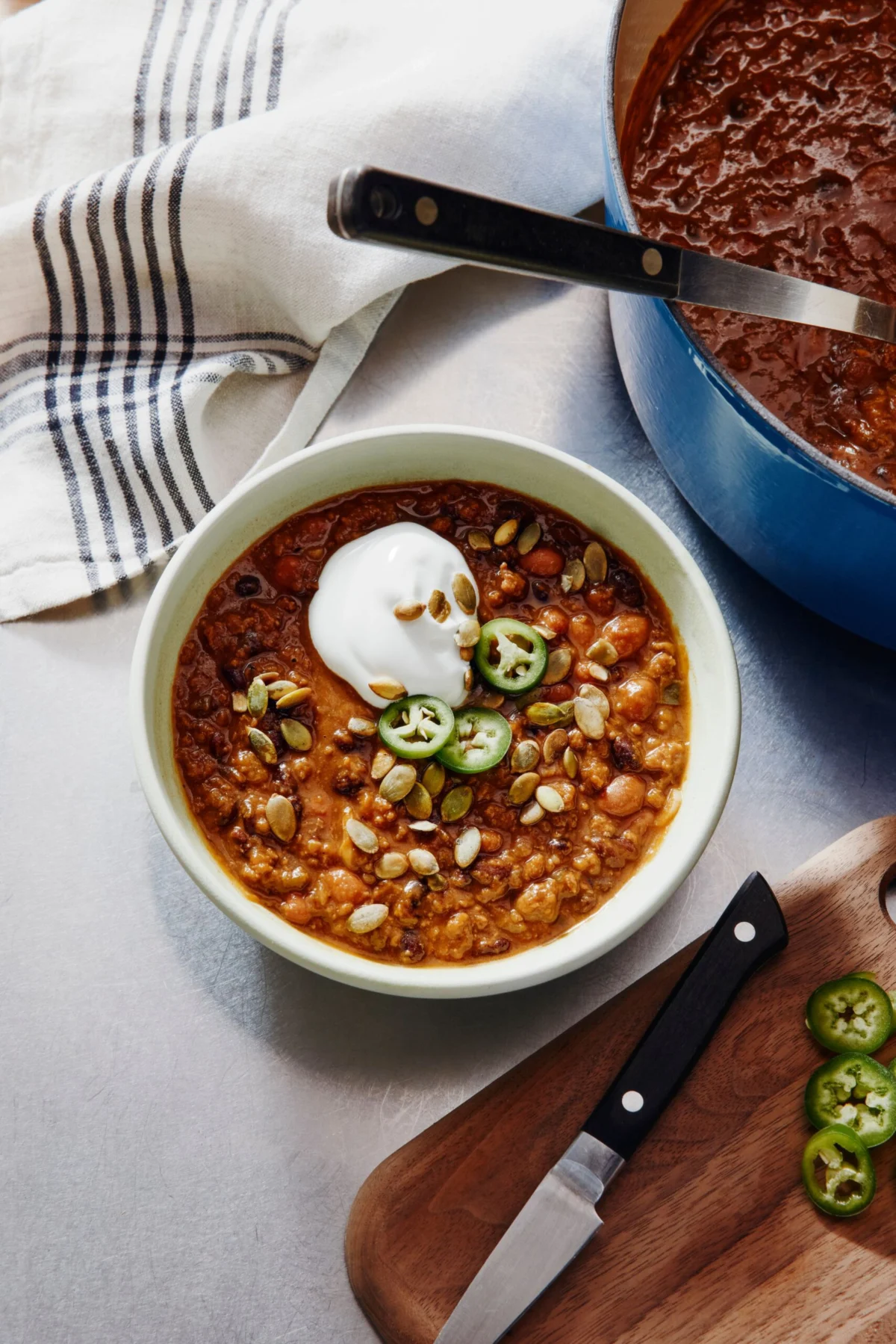
Dishes like chicken pot pie soup, pumpkin chili, and braised pot roast perfectly embody this concept. They are often slow-cooked, creating aromatic kitchens and tender, flavorful results. The act of preparing these meals can be meditative, and the consumption offers a sensory experience that satisfies both hunger and emotional needs. The "hygge" trend, originating from Denmark, encapsulates this desire for coziness and contentment, often centered around warm food and drink in a comfortable setting.

This trend is also reflected in the increased use of kitchen tools designed for longer cooking times, such as Dutch ovens and slow cookers. A Dutch oven, for instance, becomes an indispensable tool for autumn cooking, ideal for everything from braises and stews to baking artisanal breads. Its ability to retain and distribute heat evenly is crucial for developing deep flavors and tender textures, making it a cornerstone of the fall kitchen.

Culinary Trends and Media Influence

Food publications and media outlets play a significant role in shaping and popularizing autumn culinary trends. Through curated recipe collections, photography, and editorial features, they guide consumers through the seasonal shift, offering inspiration and practical guidance. The article’s original context, highlighting "Maple-bacon chopped salad, chicken pot pie soup, pumpkin chili, and more recipes on our autumn bucket list," exemplifies this editorial approach. These "bucket lists" or "wishlists" become aspirational guides for home cooks eager to embrace the season.

Social media further amplifies these trends. Hashtags like #AutumnRecipes, #FallFoods, and even more specific ones like #PumpkinChili or #AppleCider become popular, showcasing a global community sharing their seasonal creations. This digital engagement creates a feedback loop, influencing both home cooks and professional chefs to explore new interpretations of classic autumn dishes.

Culinary experts, such as Chef Maria Rodriguez, a renowned food stylist and consultant, observe, "The autumn season is a chef’s dream. The ingredients are robust, forgiving, and incredibly versatile. Publications like Bon Appétit, by highlighting diverse recipes from a maple-bacon salad to a sophisticated ‘Mushrooms au Poivre,’ encourage a broader exploration of what fall cooking can be, moving beyond just heavy stews to include lighter, yet equally flavorful, options." This emphasis on variety ensures that seasonal eating remains exciting and accessible to different palates.

Economic Implications of the Autumn Harvest

The autumn harvest holds significant economic importance. For agricultural communities, it represents the culmination of months of labor and often determines the financial health of farms for the year. The demand for seasonal produce directly impacts farmers’ incomes, supports local economies through farmers’ markets, and influences the supply chain for larger grocery retailers.

Beyond raw ingredients, the demand for specific comfort foods boosts various sectors. For example, the popularity of baking in autumn leads to increased sales of flour, sugar, spices, and baking equipment. The rise of dishes like braised pot roast can stimulate sales in the meat industry. Restaurants adapt their menus to incorporate seasonal ingredients, offering specials that cater to the public’s desire for fall flavors, thereby driving patronage and revenue. Food processors and manufacturers also capitalize on the season, releasing limited-edition products featuring pumpkin, apple, and other fall-inspired flavors.

The "Caramel Apple Snacking Cake" mentioned in the original article, for instance, is not just a recipe but a reflection of a thriving home baking culture, which contributes to the sales of baking ingredients, specialized bakeware, and even culinary workshops. This collective engagement with seasonal cooking fosters a vibrant food economy.

Health and Wellness in Autumn Eating

While comfort food can sometimes be associated with indulgence, autumn produce offers substantial health benefits. The abundance of fiber in squash, sweet potatoes, and apples supports digestive health. Vitamins A and C, prevalent in many fall vegetables, bolster the immune system, a crucial benefit as cold and flu season approaches. Antioxidants found in various fruits and vegetables help combat oxidative stress.

The trend towards "warmly-spiced breakfasts," as noted, often incorporates ingredients like cinnamon, nutmeg, and ginger, which not only add flavor but also possess anti-inflammatory properties. Dishes like the "10-Minute Bone Broth Soup" align with wellness trends emphasizing gut health and nutrient density, providing a fortifying start or end to the day.

However, a balance is key. Nutritionists often advise incorporating a variety of fall vegetables into meals, alongside lean proteins and whole grains, to ensure a well-rounded diet that leverages the season’s nutritional gifts without over-indulging in heavier options. The "Maple-bacon chopped salad" exemplifies a dish that can bridge the gap between light and hearty, offering robust flavors while still providing fresh vegetables.

A Culinary Timeline: Embracing the Full Spectrum of Autumn Flavors

The progression of autumn cooking can be viewed chronologically, mirroring the changing weather and ingredient availability:

-
Early Autumn (September-Early October): This period sees a blend of late summer and early fall produce. Think crisp apples and pears alongside the last of the tomatoes. Recipes might lean towards lighter preparations that still acknowledge the shift, such as the "Maple-bacon chopped salad" which combines fresh greens with rich, savory elements. The first pumpkins and squashes begin to appear, inspiring initial forays into soups and chilis.

-
Mid-Autumn (Mid-October-November): This is the heart of comfort food season. Root vegetables, hearty squashes, and robust meats take center stage. This is when dishes like "Chicken pot pie soup," "Pumpkin chili," and "Dark and Stormy–Braised Pot Roast" become staples. Baking also ramps up, with spiced cakes and pies dominating the kitchen. The mention of "Caramel Apple Snacking Cake" perfectly fits this timeframe, offering a comforting treat.

-
Late Autumn (Late November-Early December, pre-winter): As winter approaches, the focus might shift slightly towards festive meals and holiday preparations, often building on the same comfort food principles but with an elevated touch. The "Radicchio Salad With Blue Cheese Dressing" and "Mushrooms au Poivre" could fit into more sophisticated, candlelit dinners, setting the stage for holiday feasting. This period emphasizes rich, deep flavors that truly warm from within before the first snow.

The Enduring Appeal and Future of Seasonal Eating

The emphasis on autumn cooking is more than just a fleeting trend; it’s a testament to the enduring appeal of seasonal eating and a deeper connection to our food sources. As consumers become increasingly conscious of sustainability and local sourcing, the practice of cooking with what’s available seasonally gains further momentum. It encourages creativity, reduces food miles, and often results in more flavorful dishes because ingredients are at their peak.

The culinary journey through autumn, from the first hint of crisp air to the final fallen leaf, is a celebration of abundance, warmth, and tradition. It’s an invitation to slow down, engage with the process of cooking, and savor meals that nourish both body and soul. The diverse array of recipes, from fortifying bone broth soups to decadent snacking cakes, ensures that there is something to satisfy every craving and occasion. As the original article eloquently states, "Autumn only lasts so long," serving as a gentle reminder to fully embrace and indulge in the unique culinary offerings before the winter snow transforms the landscape once more. This annual ritual underscores the timeless human connection to food, seasonality, and the comforting rhythms of nature.
