

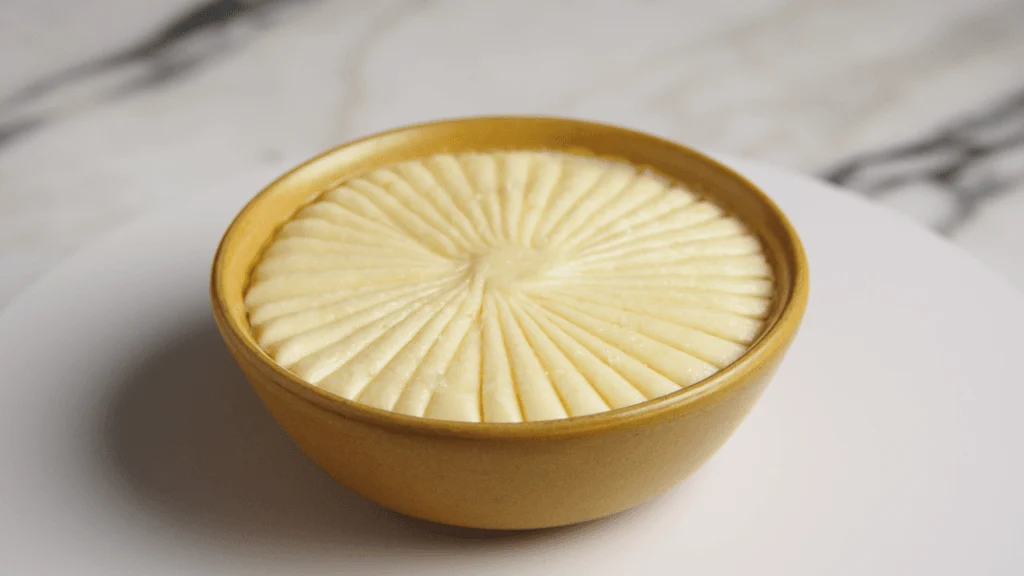
New York City’s culinary landscape is once again buzzing with discussions surrounding the elevation of classic French techniques, spurred by Chef Alexia Duchêne’s masterful rendition of pommes purée at her acclaimed restaurant, Le Chêne. Far from a mere side dish, Duchêne’s interpretation of this seemingly humble potato preparation has garnered significant attention, cementing its status as a benchmark for culinary excellence and reigniting a broader conversation about the legacy of French gastronomy and its place in contemporary fine dining. This re-imagining pays homage to the legendary Chef Joël Robuchon’s iconic version, characterized by an unparalleled smoothness and a rich, luxurious texture achieved through meticulous preparation and generous additions of milk and butter. The dish serves as a testament to the enduring power of classic techniques when executed with precision and passion, proving that simplicity, when perfected, can be the ultimate sophistication.
The Historical Context: From Humble Spud to Culinary Icon
The journey of the potato from a utilitarian staple to a symbol of haute cuisine is a fascinating one, deeply intertwined with French culinary history. While mashed potatoes, in various forms, have existed across cultures for centuries, their elevation to an art form is largely attributed to French chefs. The concept of "pommes purée"—a distinctly refined version—began to take shape in the 18th and 19th centuries, as French cuisine itself became codified and celebrated globally. Early versions focused on smooth textures, often achieved through manual mashing and sieving.
However, the true apotheosis of pommes purée arrived in the late 20th century with Chef Joël Robuchon. Robuchon, often hailed as the "Chef of the Century," famously declared that the quality of a chef could be judged by their mashed potatoes. His recipe, known for its extraordinary richness and silken texture, became a global phenomenon. Robuchon’s method involved using specific potato varieties, meticulously cooking them, and then passing them through a food mill and subsequently a fine-mesh tamis—a drum sieve—to eliminate even the slightest lump. Crucially, his recipe called for an astonishing ratio of butter to potato, often up to 2:1, along with whole milk, transforming the dish into an emulsion of unparalleled decadence. This approach wasn’t just about taste; it was about texture, a sensory experience that redefined expectations for a simple vegetable side. Robuchon’s commitment to perfection in every dish, even the most basic, set a new standard for the industry and left an indelible mark on generations of chefs, including Alexia Duchêne.
Chef Alexia Duchêne and Le Chêne: A Modern Homage
Chef Alexia Duchêne, a rising star in the global culinary scene, brings a unique blend of classical training and modern sensibility to her New York City establishment, Le Chêne. Having trained in some of France’s most prestigious kitchens before venturing across the Atlantic, Duchêne possesses a deep respect for culinary tradition, coupled with a desire to present it in a way that resonates with contemporary diners. Her decision to feature a meticulously crafted pommes purée, directly inspired by Robuchon’s legacy, is not merely an act of homage but a statement of culinary philosophy.
Le Chêne, which opened its doors in late 2022, quickly established itself as a beacon for modern French bistro dining, emphasizing seasonal ingredients and impeccable technique. The restaurant’s menu showcases a range of French classics, from Bistro-Style Croque Monsieur and Poulet Rôti to Ratatouille, each executed with precision and a refined touch. Duchêne’s pommes purée, however, has emerged as a particular highlight, frequently cited by critics and diners alike as a "must-try." Her version utilizes large Yukon gold potatoes, known for their creamy texture and low starch content, making them ideal for achieving the desired smoothness. Following Robuchon’s exacting standards, the potatoes are boiled until tender, then passed through a food mill to break them down gently, preserving their structure and flavor. The critical next step involves pushing the purée through a fine-mesh tamis, a labor-intensive process that ensures every last fiber is refined, resulting in a texture described by many as "satin-like" or "velvet." The incorporation of a full cup of whole milk and two sticks (one cup) of chilled unsalted butter per two pounds of potatoes elevates the dish to a level of richness that is both indulgent and perfectly balanced.
The Technical Mastery: Deconstructing the Silkiness
The distinction between everyday mashed potatoes and pommes purée lies in several critical technical details, which Duchêne rigorously adheres to. The choice of potato is paramount: Yukon Golds are preferred over russets because their waxy, lower-starch composition allows them to become creamy without becoming gluey when overworked. The cooking method is equally important; boiling with skin on can help retain flavor and prevent waterlogging.
The sequence of mechanical processing is where the magic truly happens. A food mill, unlike a traditional masher or a food processor, gently separates the potato flesh without rupturing too many starch cells. This is crucial because ruptured starch cells release amylose, which, when mixed with water and agitated, can lead to a gummy, unpleasant texture. The food mill ensures a uniform texture while preserving the potato’s inherent creaminess. The subsequent passage through a tamis is the ultimate refining step. This fine-mesh drum acts as a sieve, forcing the potato through tiny openings, eradicating any remaining lumps or fibrous bits. The result is an incredibly smooth, almost ethereal consistency that coats the palate.
The final stage involves the meticulous incorporation of dairy. Chilled butter is gradually whisked into the warm potato purée, creating an emulsion. The fat molecules from the butter encapsulate the potato starch granules, contributing to the dish’s incredible richness and preventing them from binding together too tightly. Simultaneously, whole milk adds further moisture and a delicate sweetness, balancing the butter’s intensity. The key is to incorporate these ingredients gradually and whisk vigorously, but not excessively, to maintain the desired texture without overworking the starch. This precise methodology is what transforms a simple root vegetable into a dish worthy of a Michelin star, capable of elevating any meal, from a classic roast chicken to a perfectly seared steak, into a bistro-worthy affair.
Industry Reactions and Broader Implications
The renewed spotlight on pommes purée, particularly Duchêne’s rendition, has elicited considerable discussion within the culinary community. Food critics have lauded Le Chêne’s commitment to classical excellence. Renowned food critic Eleanor Vance of The Gastronome Daily recently penned, "Duchêne’s pommes purée is a revelation—a profound reminder that true luxury often lies in the perfection of simplicity. It’s a dish that demands attention, respect, and a deep understanding of its heritage." Chef Julian Moreau, a peer in the NYC fine dining scene, commented, "Alexia is doing vital work by reminding us that the foundations of French cuisine are timeless. Robuchon’s purée was more than just a recipe; it was a philosophy, and Le Chêne is embodying that spirit beautifully."
Beyond critical acclaim, the phenomenon has broader implications for the culinary industry. The emphasis on high-quality ingredients has seen a slight uptick in demand for premium Yukon gold potatoes and artisanal unsalted butter, influencing supply chains and local producers. Retailers of specialized kitchen equipment, such as food mills and tamis, have also reported increased interest from home cooks eager to replicate the restaurant experience. This trend suggests a growing appreciation among consumers for the technical aspects of cooking and a willingness to invest in tools and ingredients that promise superior results.
Furthermore, Duchêne’s success with such a foundational dish highlights a significant shift in dining preferences. While avant-garde molecular gastronomy continues to have its place, there is a discernible return to refined comfort food—dishes that evoke nostalgia and provide profound satisfaction through impeccable execution rather than novelty. This movement signifies a maturity in the culinary landscape, where diners increasingly value authenticity, quality, and a deep respect for tradition.
A Timeline of Culinary Elevation
- 18th-19th Century: Early forms of mashed potatoes gain popularity in European kitchens, gradually becoming more refined in France.
- Early 20th Century: French culinary schools begin to standardize techniques for potato preparations, including purées.
- 1980s: Chef Joël Robuchon popularizes his signature, intensely buttery and smooth pommes purée, transforming it into a global culinary icon and a benchmark for chefs worldwide.
- 2000s-2010s: Robuchon’s influence solidifies, with his purée becoming a staple in high-end French restaurants and a training essential for aspiring chefs.
- Late 2010s: Chef Alexia Duchêne begins to make a name for herself in prestigious kitchens, honing her classical French techniques.
- Late 2022: Le Chêne opens in New York City under Chef Duchêne’s direction, featuring a menu deeply rooted in French classics, including her Robuchon-inspired pommes purée.
- Early-Mid 2023: Critical acclaim for Le Chêne’s pommes purée begins to mount, sparking renewed interest in the dish and its historical significance. Food critics and industry experts praise Duchêne’s masterful execution, positioning the dish as a testament to the enduring power of classic French cuisine.
- Present: The dish continues to drive conversations about culinary tradition, technique, and the evolution of fine dining, influencing both professional kitchens and home cooks.
The Enduring Appeal and Future Outlook
The enduring appeal of a perfectly executed pommes purée lies in its ability to transcend its simple ingredients. It is a dish that speaks to the soul, offering both comfort and luxury. In an era often characterized by culinary experimentation and fusion, the success of Duchêne’s traditional yet elevated pommes purée at Le Chêne serves as a powerful reminder that sometimes, the most profound culinary experiences are found in the meticulous perfection of the familiar.
The implications for the future of French cuisine, particularly in global culinary hubs like New York City, are significant. It suggests a strong market for restaurants that prioritize impeccable technique and high-quality ingredients over fleeting trends. This movement encourages chefs to delve deeper into the roots of classical cooking, to master fundamental skills, and to find innovation not just in new ingredients or exotic combinations, but in the exquisite refinement of existing traditions. For home cooks, it provides inspiration to elevate their everyday meals, demonstrating that with the right tools, ingredients, and a touch of patience, extraordinary results are achievable even with seemingly simple dishes.
As Le Chêne continues to draw crowds and critical praise, Chef Alexia Duchêne’s pommes purée stands not just as a delicious side dish, but as a cultural touchstone—a symbol of the ongoing dialogue between culinary heritage and modern interpretation, ensuring that the legacy of French gastronomy remains vibrant and relevant for generations to come. The subtle art of turning potatoes, butter, and milk into a silken dream continues to captivate, proving that true culinary genius often lies in making the ordinary extraordinary.
