

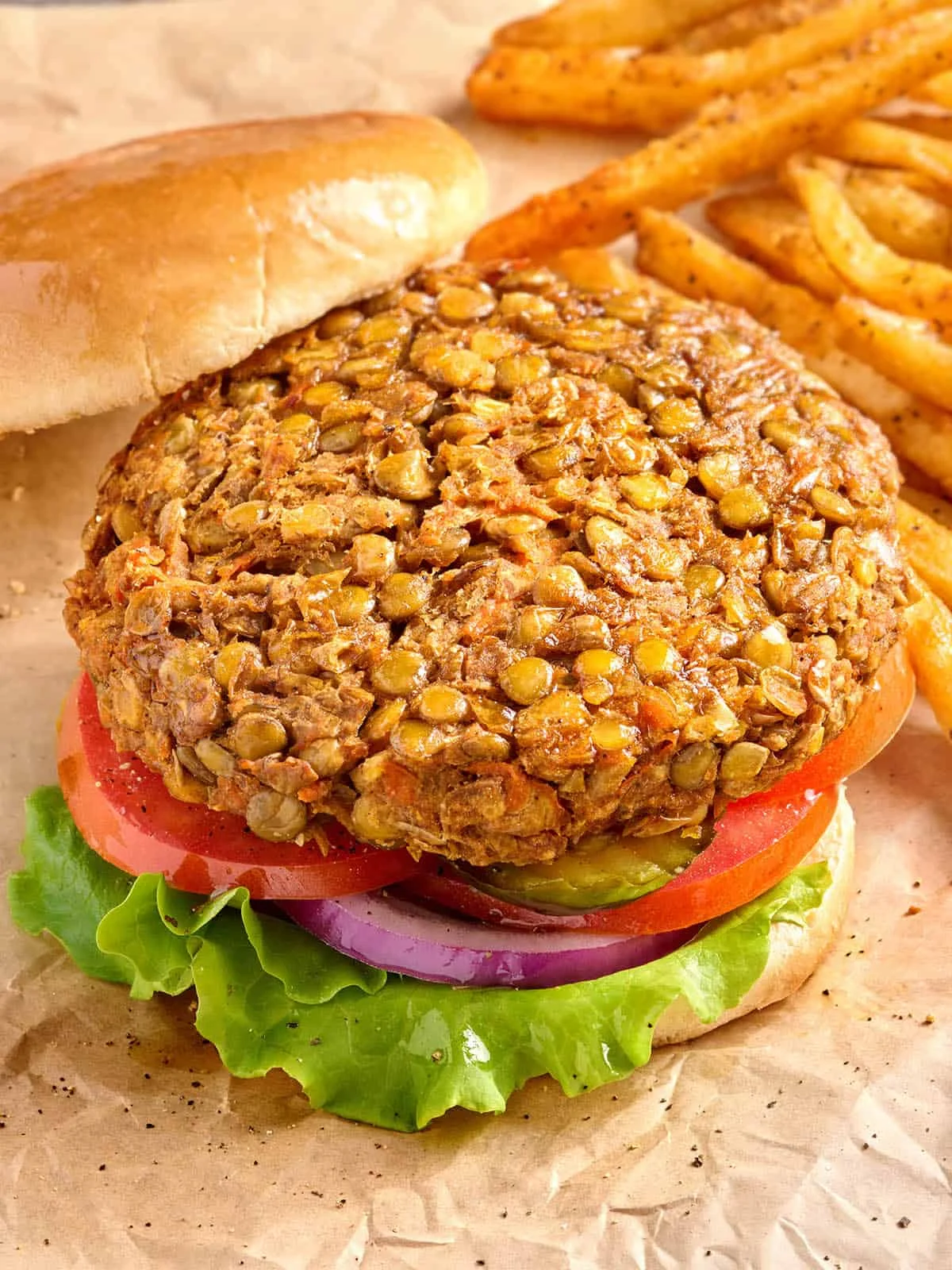
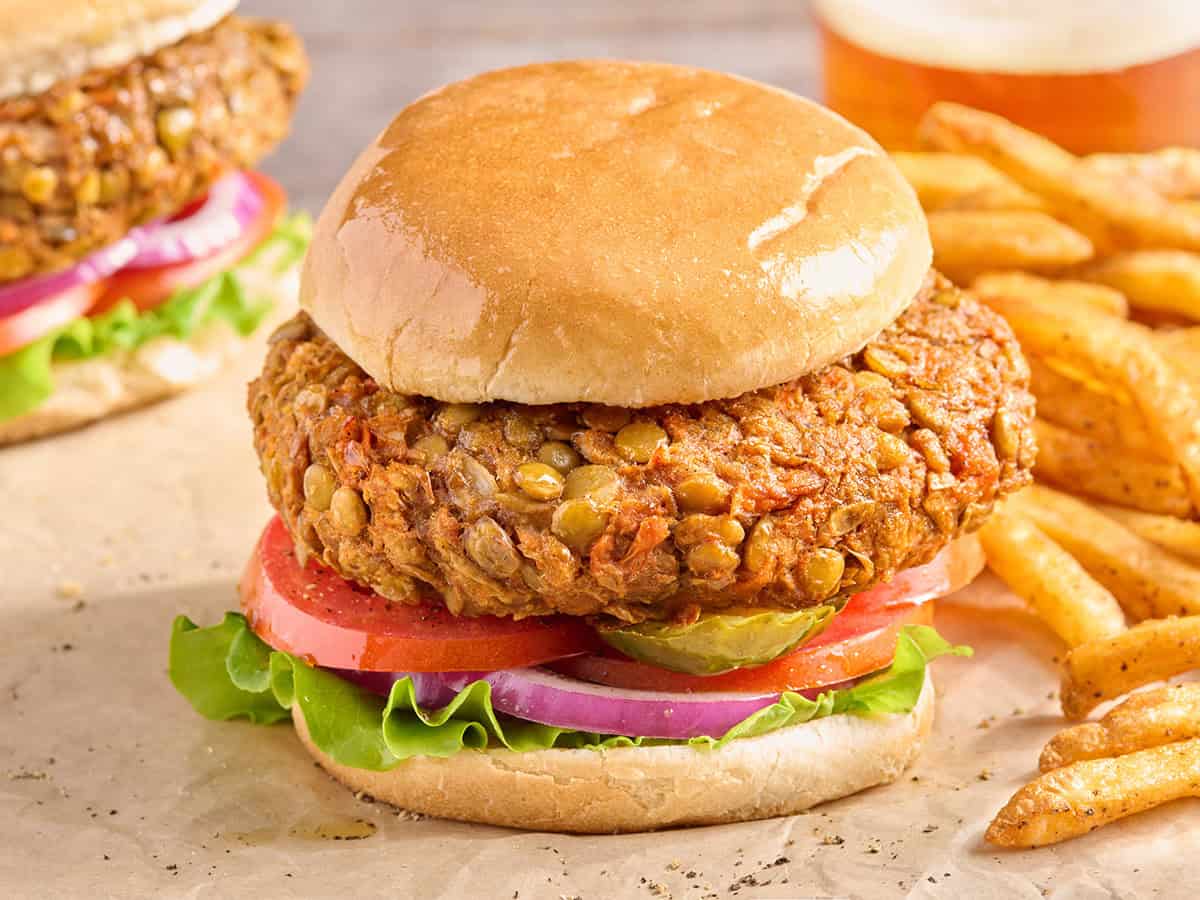
The intersection of culinary innovation and economic necessity has reached a new milestone with the development of a high-protein, plant-based burger that costs significantly less than its meat-based counterparts. Developed and refined within the Nashville Test Kitchen by recipe developer Melissa Nolan, the "Lentil Burger" represents a strategic approach to affordable nutrition, coming in at a calculated cost of just $0.64 per serving, including the bun. This development comes at a critical time for American consumers, as grocery inflation continues to impact household budgets, particularly in the protein sector. By utilizing brown lentils—a staple legume known for its shelf stability and nutrient density—the recipe provides a viable alternative to both expensive ground beef and highly processed, premium-priced commercial meat substitutes.
The Economic Context of Plant-Based Proteins
The primary driver behind the development of the lentil burger is the stark price disparity between animal proteins and legumes. According to recent data from the Bureau of Labor Statistics, the average price of ground beef in the United States has seen significant fluctuations, often hovering between $5.00 and $6.00 per pound. In contrast, dried lentils can be purchased in bulk for approximately $1.14 for the quantity required to produce four substantial patties. When calculated as a total meal cost, including secondary ingredients such as carrots, onions, and buns, the total recipe cost of $2.57 positions this dish as a leader in the "under $1 per serving" category.
This economic efficiency does not merely appeal to low-income demographics but also to "flexitarian" consumers looking to reduce their grocery overhead without sacrificing satiety. The Nashville Test Kitchen’s findings suggest that the use of whole-food ingredients—rather than lab-grown proteins—allows for a price point that commercial meat-alternative brands like Beyond Meat or Impossible Foods cannot currently match.
Chronology of Recipe Development and Testing
The development of the lentil burger followed a rigorous testing phase designed to solve the two most common failures in veggie burger construction: lack of structural integrity and poor textural mouthfeel. Many homemade plant-based patties suffer from being "mushy" or falling apart during the cooking process. The Nashville team addressed these issues through a specific mechanical process and a dual-textured approach.
The timeline of the recipe’s refinement involved several stages:

- Selection of the Base Ingredient: Brown lentils were chosen over red or green varieties due to their ability to hold their shape after boiling. Red lentils were found to break down too quickly, while green lentils remained too firm for a cohesive patty.
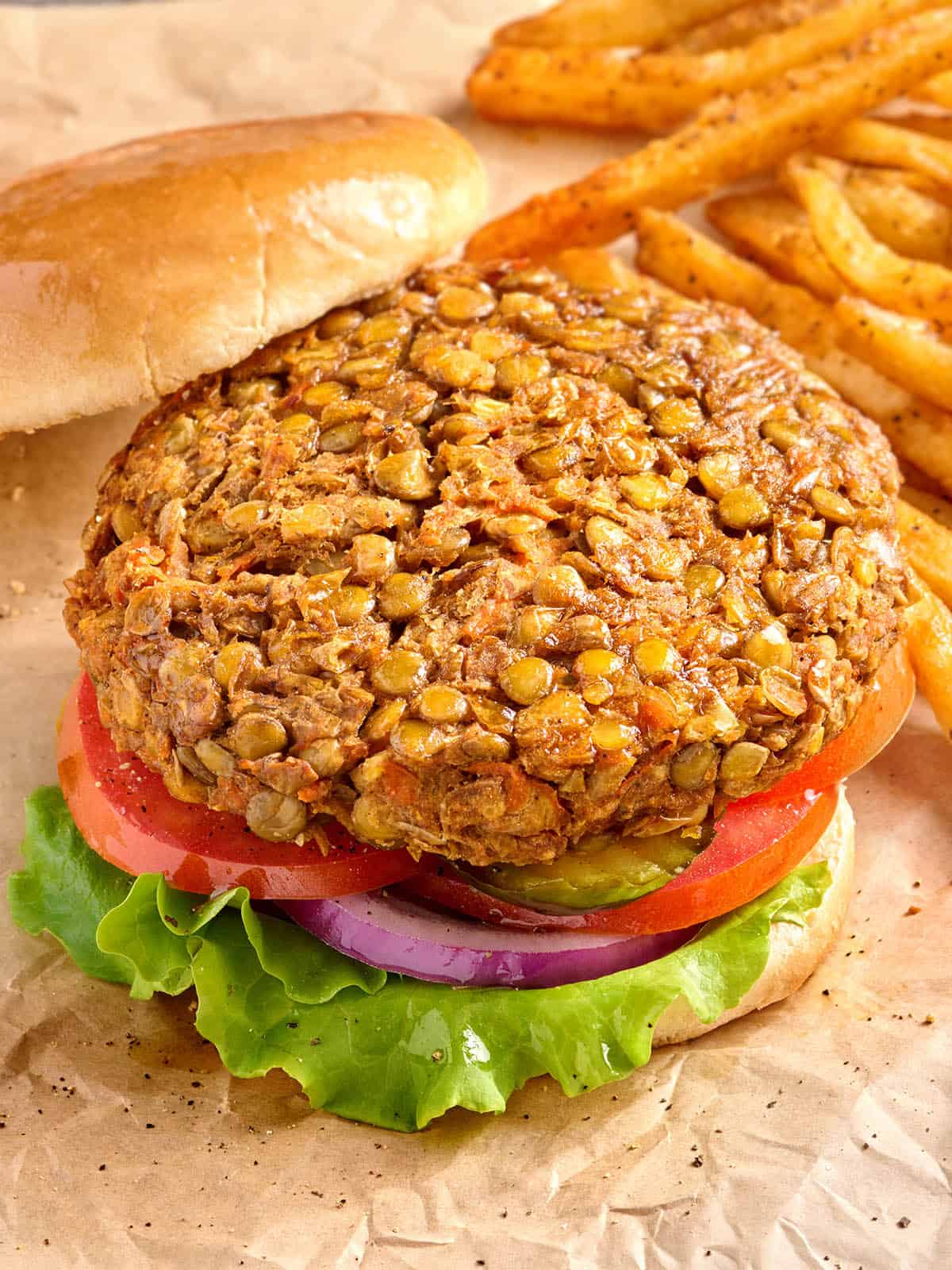
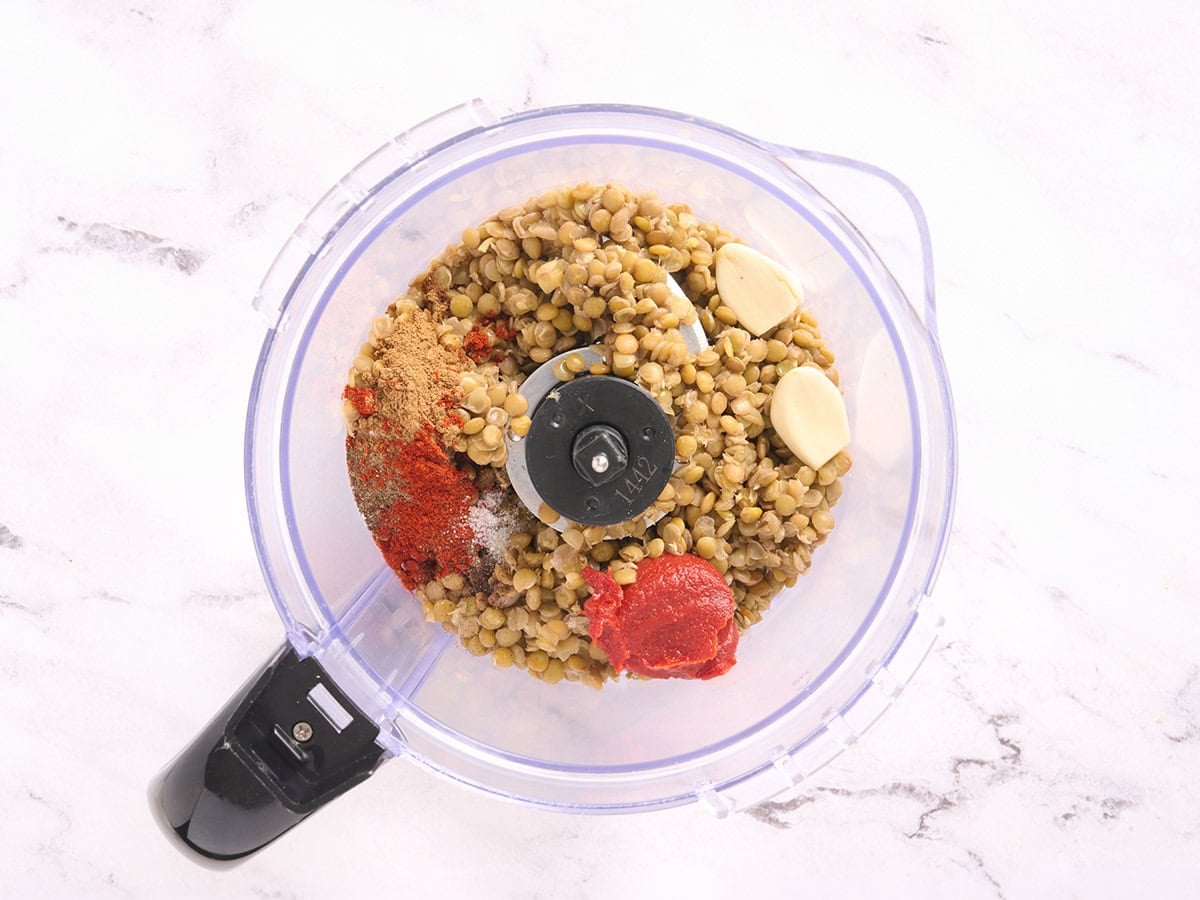
- Structural Engineering: The team implemented a "pulse and fold" method. One-third of the cooked lentils are processed into a sticky paste with aromatics, providing the "glue" for the patty. The remaining two-thirds are folded in whole to mimic the variegated texture of ground meat.
- Binding Optimization: Traditional recipes often use eggs as a binder. To ensure the product remained 100% vegan and accessible to those with allergies, the developers tested various starches. All-purpose flour was selected for its cost-effectiveness and its ability to absorb excess moisture from the grated vegetables.
- Thermal Processing: While pan-frying is common for burgers, the Nashville Test Kitchen opted for a 400°F (204°C) oven-bake method. This allows for even dehydration of the patty’s exterior, creating a "crust" that stabilizes the burger without the need for excessive oil or constant handling.
Nutritional Profile and Health Implications
From a public health perspective, the lentil burger offers a profile that exceeds the nutritional value of standard beef patties in several key areas. A single serving provides 24 grams of protein and 24 grams of dietary fiber. The fiber content is particularly noteworthy, as it represents 100% of the recommended daily value for many adults, a metric that traditional meat burgers cannot satisfy.
Medical professionals and dietitians have long advocated for the "legume-forward" diet to combat cardiovascular disease and obesity. The lentil burger contains only 3 grams of fat per serving and zero cholesterol, making it a "heart-healthy" alternative. Furthermore, the inclusion of grated carrots and onions adds essential vitamins (A and C) and minerals without significantly increasing the caloric load, which stands at approximately 410 calories per burger (including the bun).
Preparation and Standardized Procedure
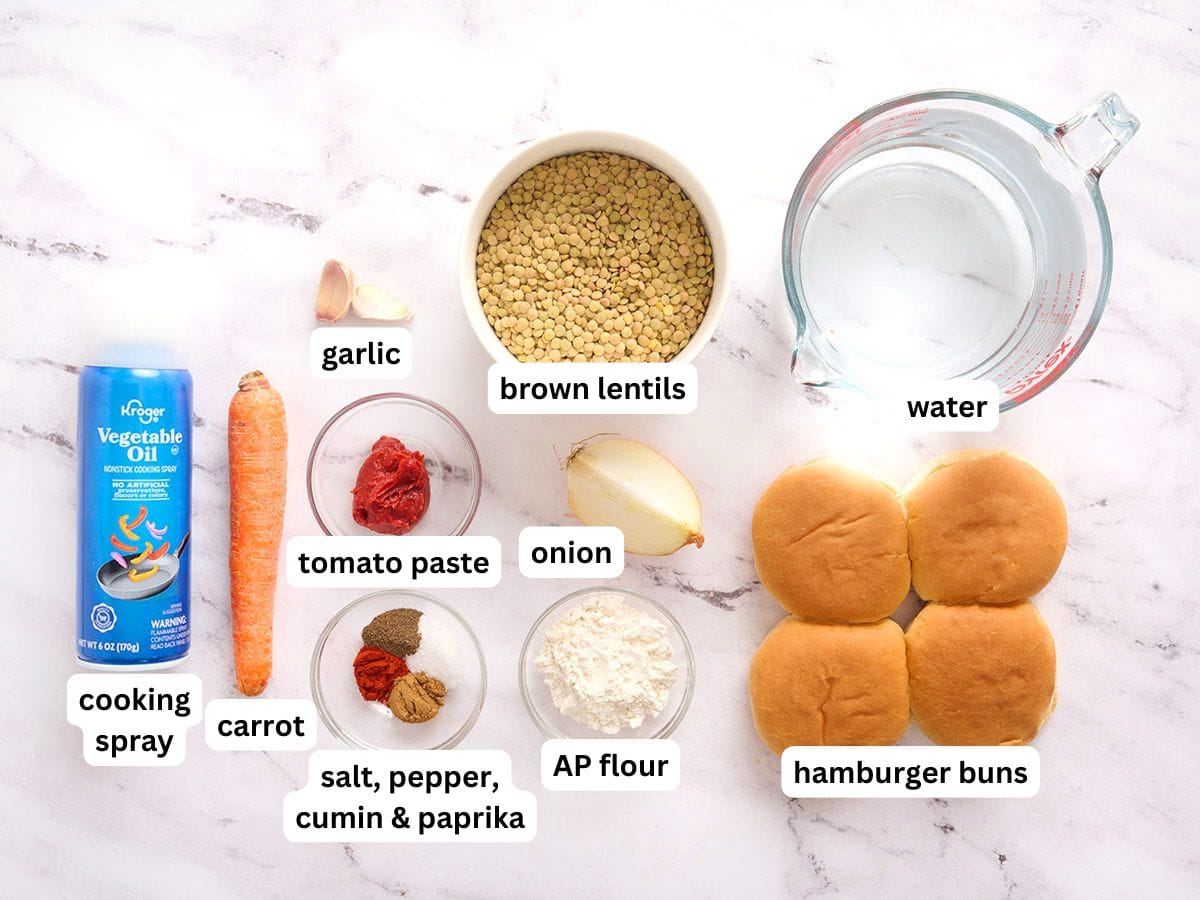
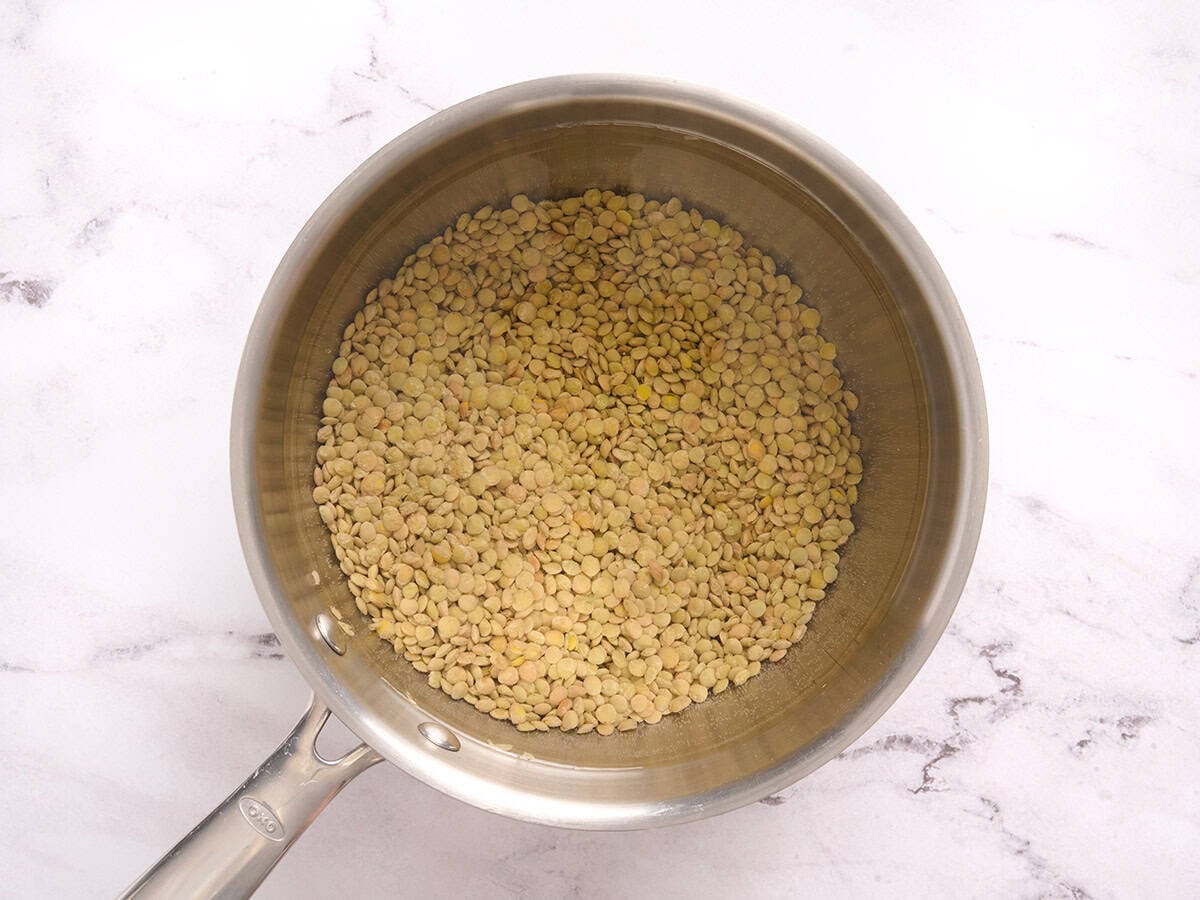
The methodology for producing these burgers has been standardized to ensure consistency for home cooks and small-scale food service providers. The process begins with simmering 1.5 cups of dry brown lentils in 4.5 cups of water for approximately 20 minutes. Following a cold-water rinse to arrest the cooking process, the lentils are drained thoroughly.
The flavoring profile is built using a combination of garlic, tomato paste, paprika, cumin, salt, and pepper. These ingredients are pulsed with a portion of the lentils in a food processor until a thick paste forms. This paste is then combined in a large mixing bowl with the remaining whole lentils, 0.5 cups of grated carrots, and 0.25 cups of grated onion. The addition of 3 tablespoons of flour acts as the final stabilizing agent.
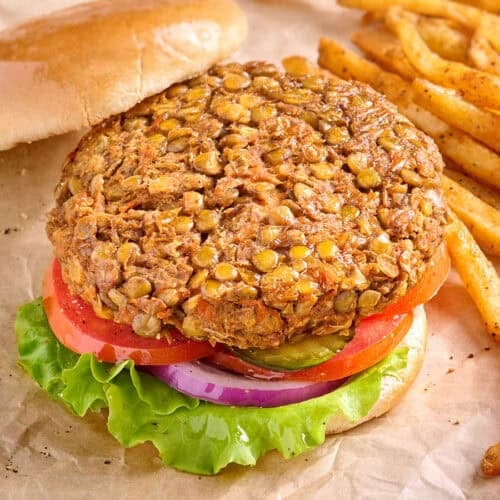
The patties are shaped to a 0.5-inch thickness and baked on parchment paper. A crucial step in the protocol is the "mid-point flip" at the 15-minute mark, followed by a light application of non-stick spray to facilitate browning. The total cooking time of 30 minutes ensures that the interior is set while the edges achieve a lightly crispy texture.
Market Reactions and Culinary Versatility
While official statements from large-scale meat producers were not available, the culinary community has reacted positively to the transparency of the "Budget Bytes" costing model. Analysts suggest that recipes like these empower consumers to navigate food insecurity through culinary literacy.
The versatility of the lentil burger has also been highlighted as a key selling point. The base mixture allows for various regional flavor profiles:
- Southwestern: Substituting cumin and paprika with chili powder and adding corn.
- Mediterranean: Incorporating fresh herbs and serving with a cucumber-based sauce.
- High-Protein/Low-Carb: Serving the patty as a "burger salad" to cater to those avoiding grains.
Additionally, the recipe’s compatibility with long-term storage—remaining viable in a freezer for up to three months—addresses the needs of the "meal prep" movement, which seeks to minimize daily labor through bulk cooking.

Environmental Impact and Sustainability
The broader implications of transitioning from beef to lentil-based proteins extend to environmental sustainability. The production of lentils requires a fraction of the water and land used in cattle ranching. According to data from the Water Footprint Network, it takes approximately 1,800 gallons of water to produce one pound of beef, whereas pulses like lentils require only about 43 gallons per pound.
Furthermore, lentils are nitrogen-fixing crops, meaning they improve soil health by pumping nitrogen back into the earth, reducing the need for synthetic fertilizers. By promoting a recipe that is both affordable and environmentally responsible, the Nashville Test Kitchen is contributing to a larger global effort to create a more sustainable food system.
Conclusion and Future Outlook
The $0.64 lentil burger is more than a budget-friendly recipe; it is a proof-of-concept for the future of domestic dining. As global supply chains face continued pressure and the environmental cost of meat production becomes increasingly unsustainable, whole-food plant-based solutions offer a path forward. The success of this recipe lies in its refusal to rely on expensive technology or rare ingredients, instead finding "BIG burger flavor" in the humble pantry staple of the dried lentil.
As consumers continue to seek ways to balance health, cost, and taste, the lentil burger stands as a benchmark for what is possible when culinary expertise is applied to the challenge of modern food economics. The Nashville Test Kitchen’s commitment to rigorous testing and cost transparency ensures that this dish is not only a viable meal today but a template for the affordable, plant-forward kitchen of the future.
