

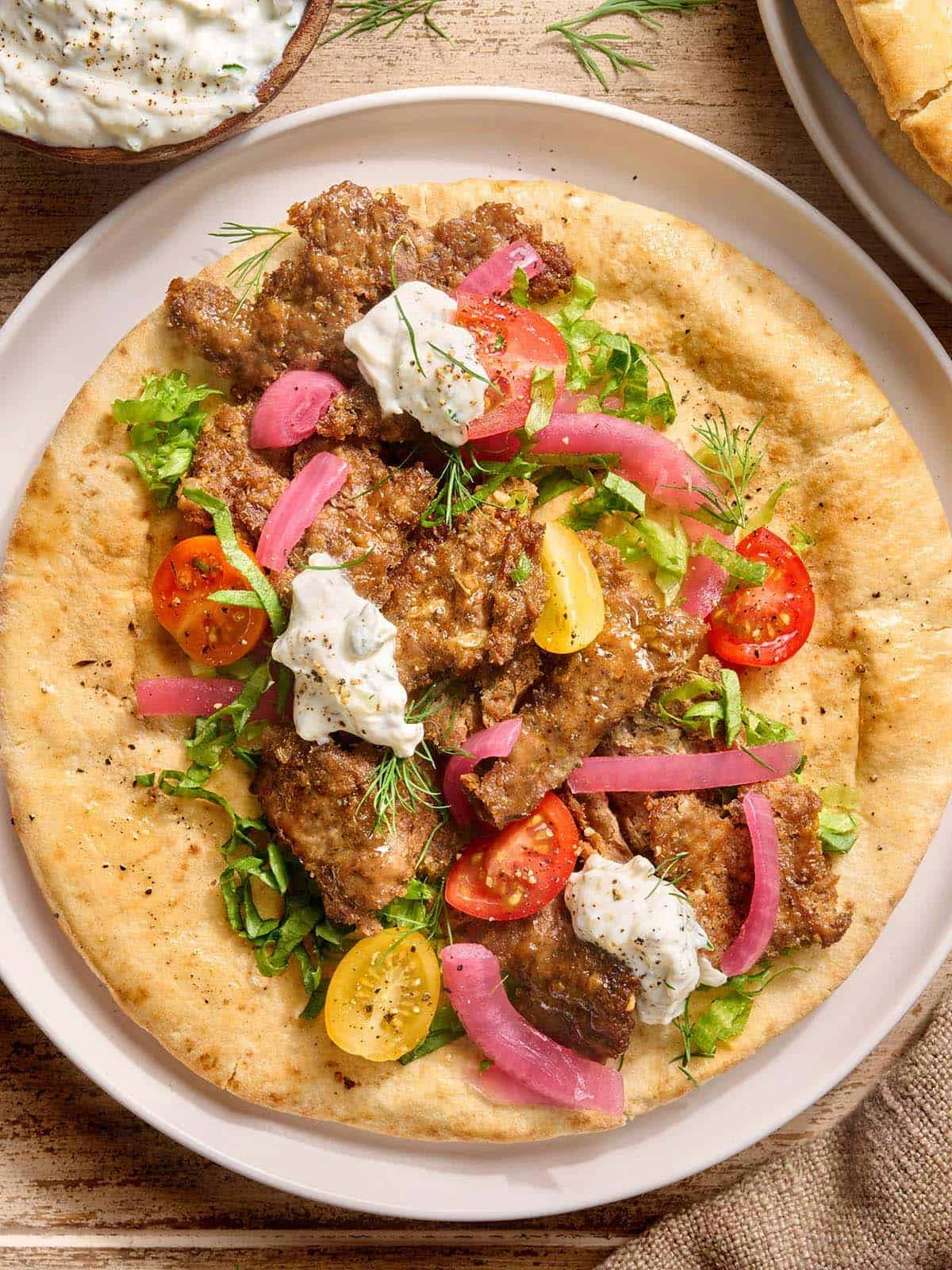
The culinary landscape of 2024 continues to be shaped by the intersection of viral social media trends and the economic necessity of home-based meal preparation. A prominent example of this evolution is the recent release of a streamlined "Sheet Pan Doner Kebab" recipe by the Nashville-based culinary organization Budget Bytes. Developed by recipe developer Melissa Nolan, the method seeks to replicate the complex textures and flavors of traditional Turkish street food using standard domestic appliances and a cost-effective ingredient list. The project, which successfully transitioned from a viral Instagram concept to a rigorously tested kitchen staple, highlights a broader shift in consumer behavior toward "takeout-style" home cooking as a response to rising food-away-from-home costs.
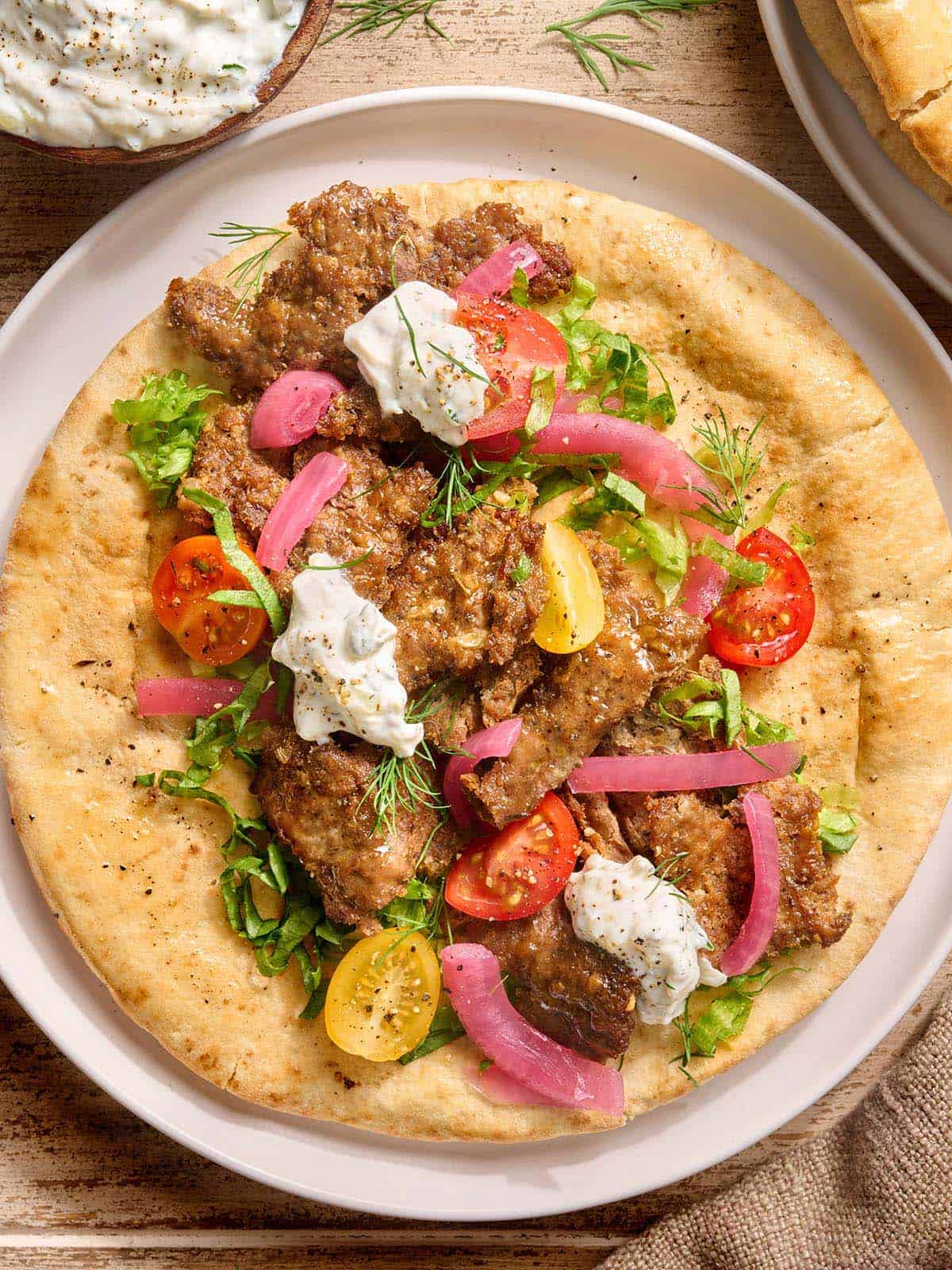
The Evolution of Doner Kebab: From Bursa to the Modern Sheet Pan
To understand the significance of the sheet pan adaptation, one must examine the historical context of the doner kebab. Originating in the Ottoman Empire during the 19th century, specifically attributed to the city of Bursa, the traditional doner (meaning "turning" or "rotating") involves stacking seasoned meat—historically lamb, though now frequently beef or chicken—on a vertical rotisserie. As the outer layer of the meat cone roasts, it is shaved off in thin, succulent ribbons.
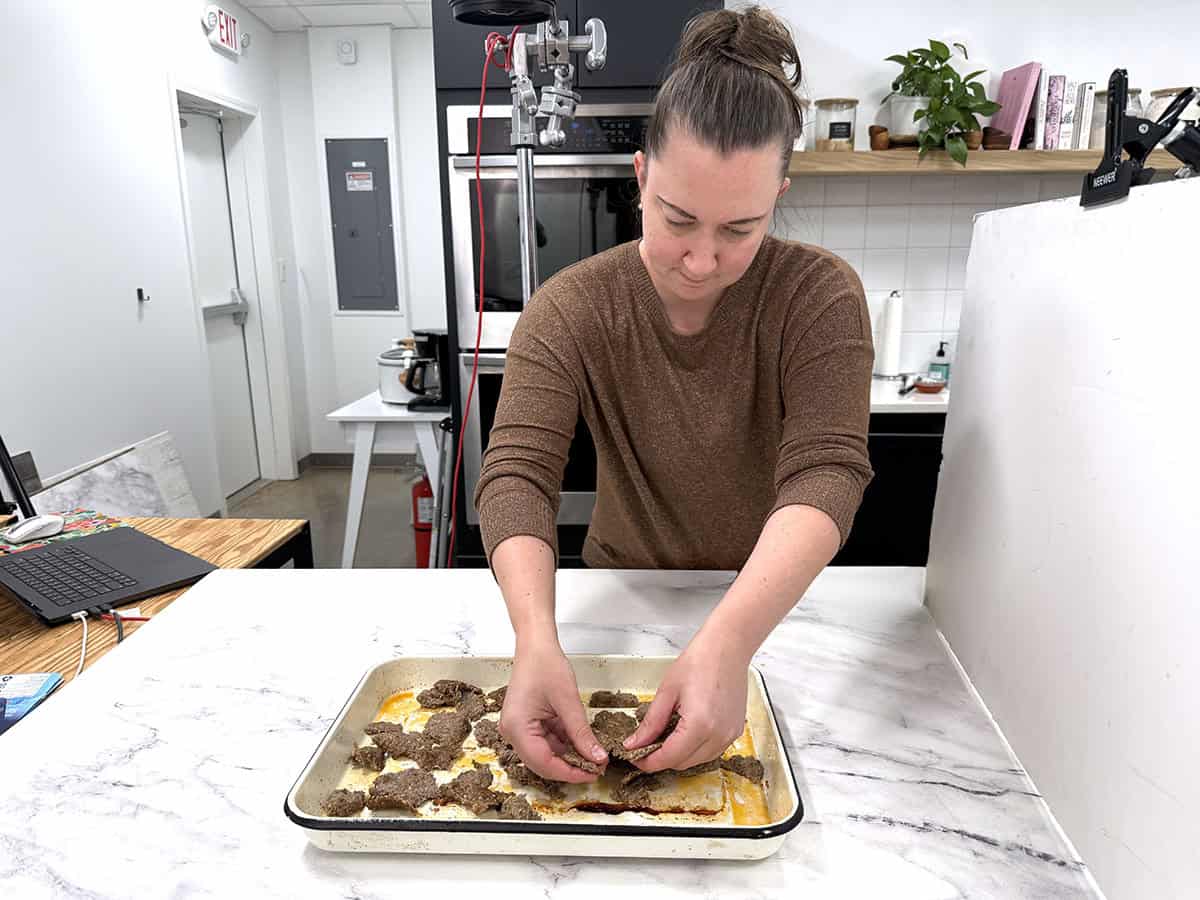
The challenge for home cooks has long been the lack of specialized vertical roasting equipment. While various "loaf" style recipes have attempted to mimic the texture, they often result in a dense, meatloaf-like consistency that lacks the signature "crispy edges" of street-vended kebabs. The Budget Bytes methodology addresses this technical hurdle through a specific rolling and folding technique. By compressing seasoned ground beef between sheets of parchment paper and baking it in thin layers, the recipe maximizes surface area. This allows for a two-stage cooking process: an initial steam-bake to set the proteins, followed by a high-heat broil that triggers the Maillard reaction across a larger percentage of the meat’s surface than traditional methods allow.
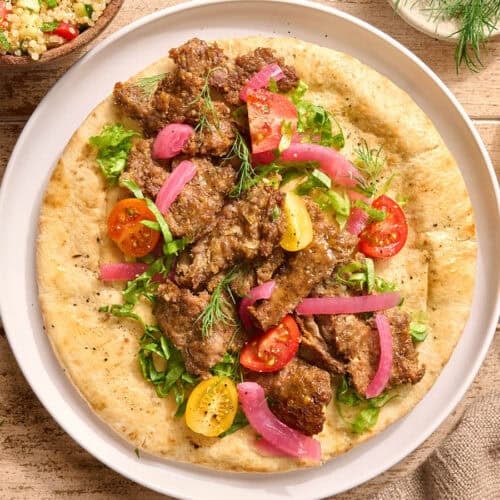
Technical Chronology of the Nashville Test Kitchen Development
The development of the Sheet Pan Doner Kebab followed a structured timeline of discovery, adaptation, and empirical testing. The process began with the identification of a viral trend circulating on digital platforms, where home cooks were experimenting with unconventional ways to flatten ground meats for quicker cooking and better texture.
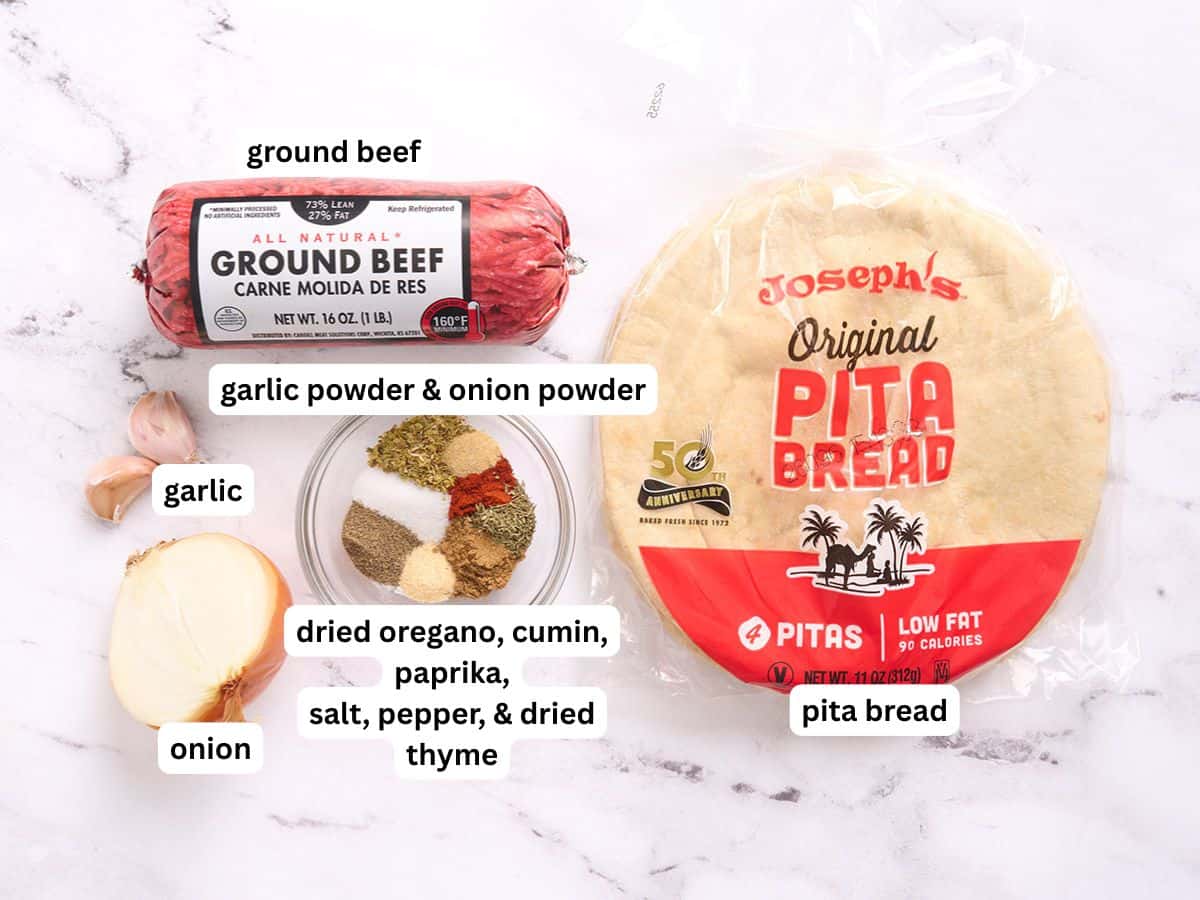
- Phase One: Conceptualization (Early 2024): The Budget Bytes team identified the demand for a low-cost Mediterranean-inspired meal. Initial tests focused on a blend of beef and lamb, the traditional choice for doner meat.
- Phase Two: Economic Optimization: Following internal reviews, the team transitioned to a 100% ground beef base. Data from the Bureau of Labor Statistics (BLS) indicated that while all meat prices have fluctuated, ground beef remains more accessible and versatile for the average household than ground lamb. Specifically, the developers utilized 73/27 ground beef, noting that the higher fat content was essential for maintaining moisture in the ultra-thin sheets during the high-heat broiling phase.
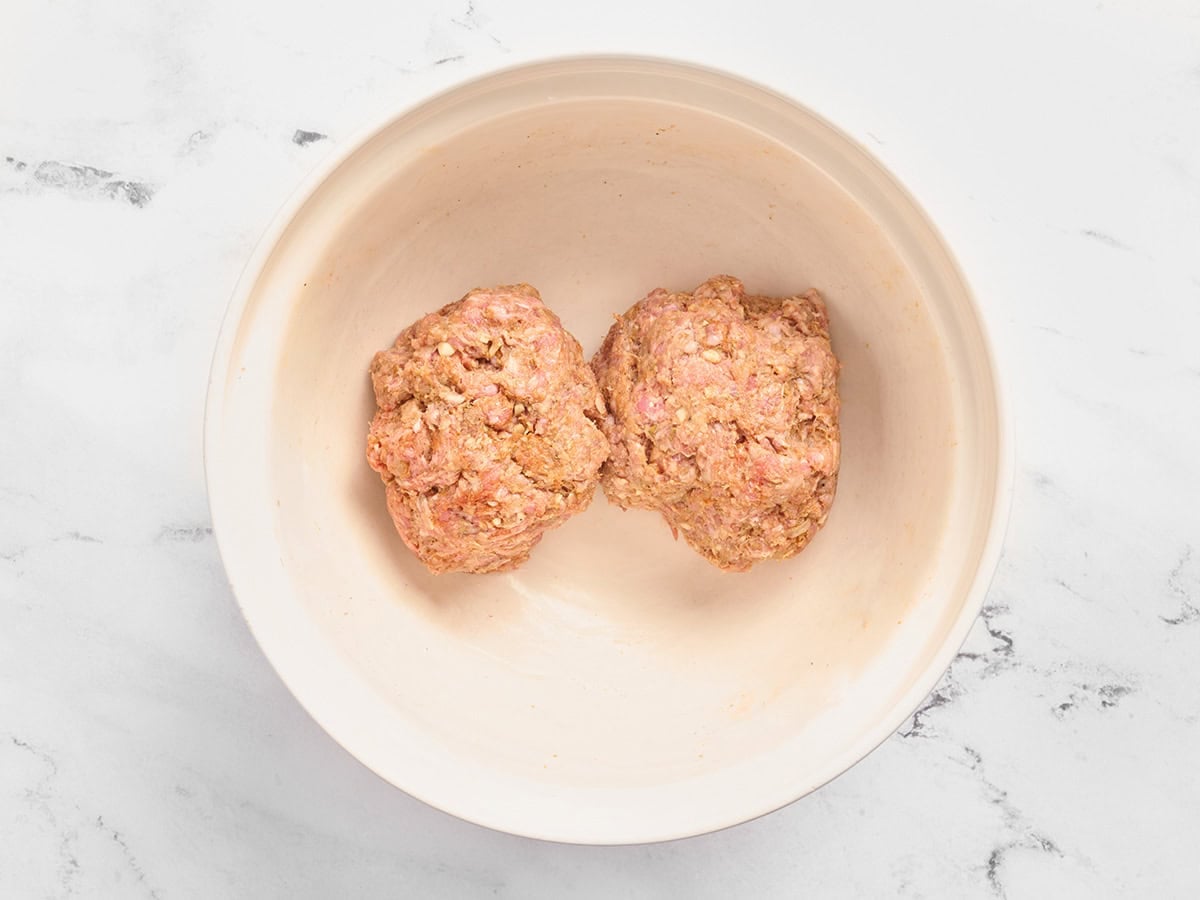
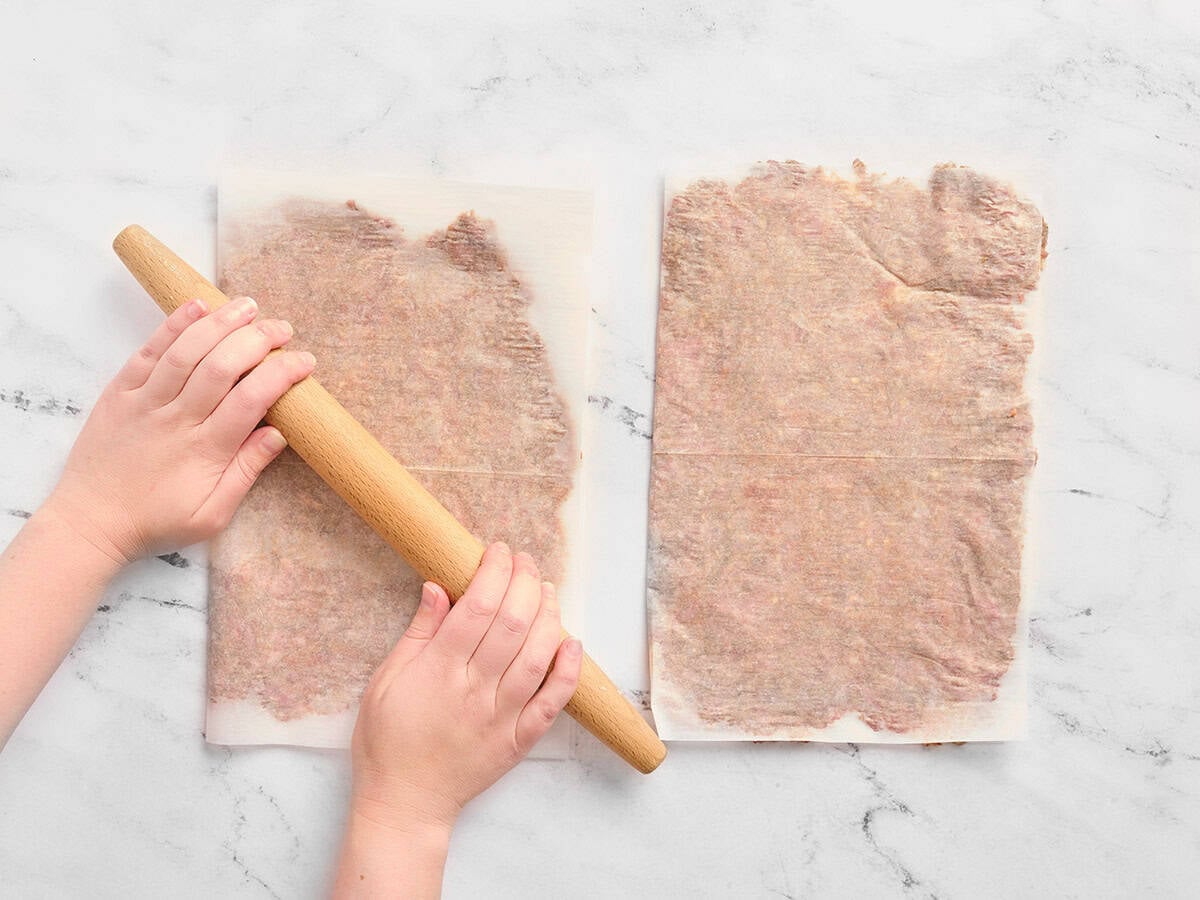
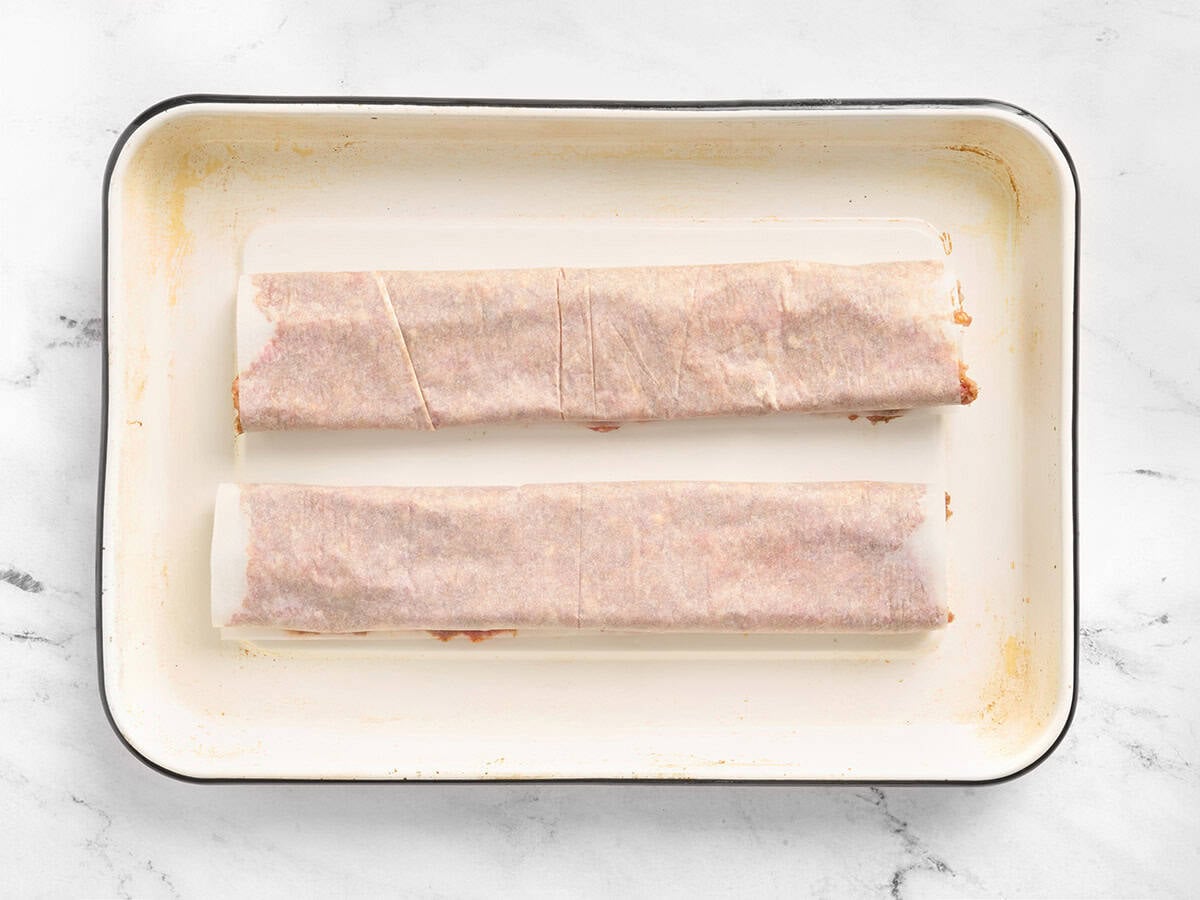
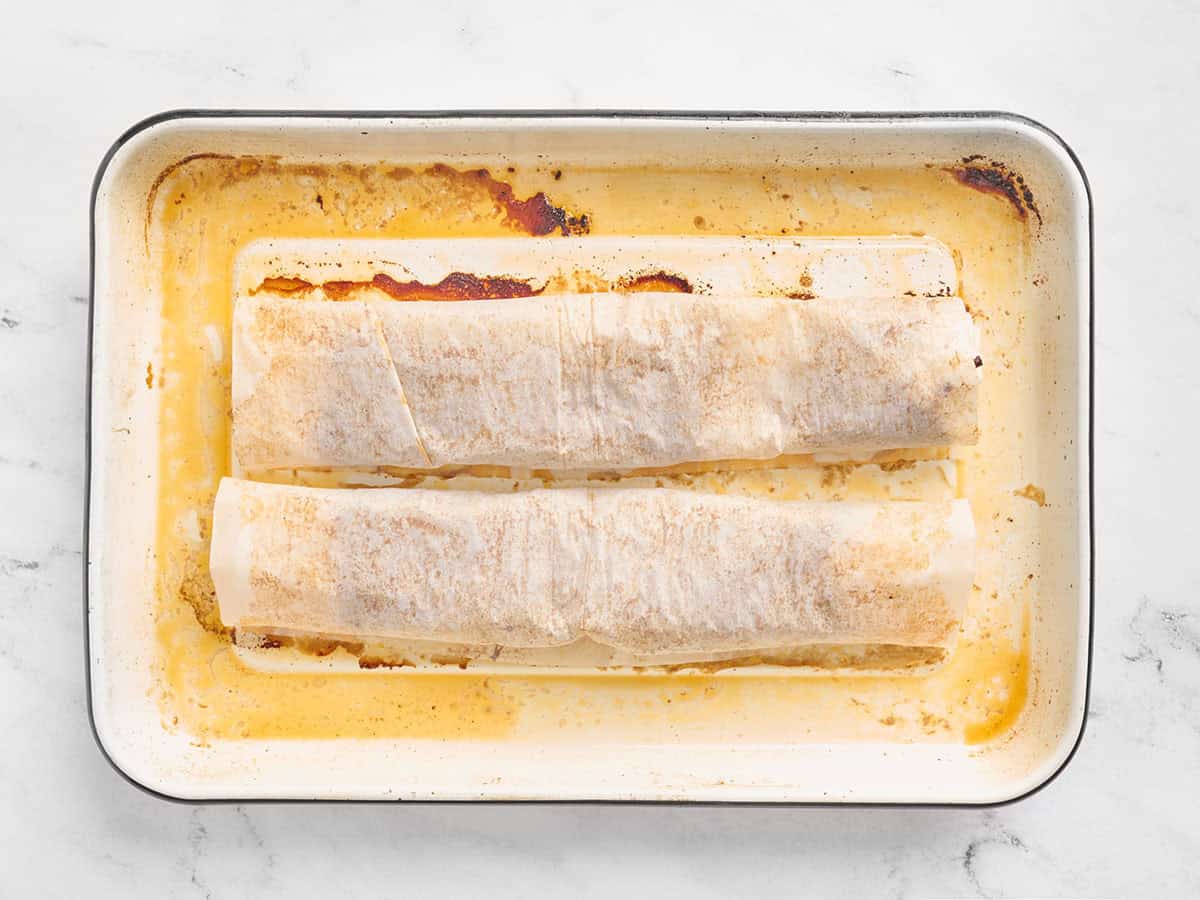
- Phase Three: Structural Testing: The pivotal "rolling method" was refined during this stage. Developers found that splitting the meat into two portions made it easier for home cooks to achieve the necessary thinness. The folding of the parchment into thirds was implemented to trap steam during the first 15 minutes of baking at 400°F, ensuring the meat reached a safe internal temperature of 160°F without drying out.
- Phase Four: Finalization and Social Media Launch: After successful testing in the Nashville Test Kitchen, the recipe was shared via a reel on Instagram. The high engagement rates and positive user feedback prompted the formal publication of the full recipe and nutritional analysis on the Budget Bytes website.
Economic Analysis: The $2.76 Benchmark
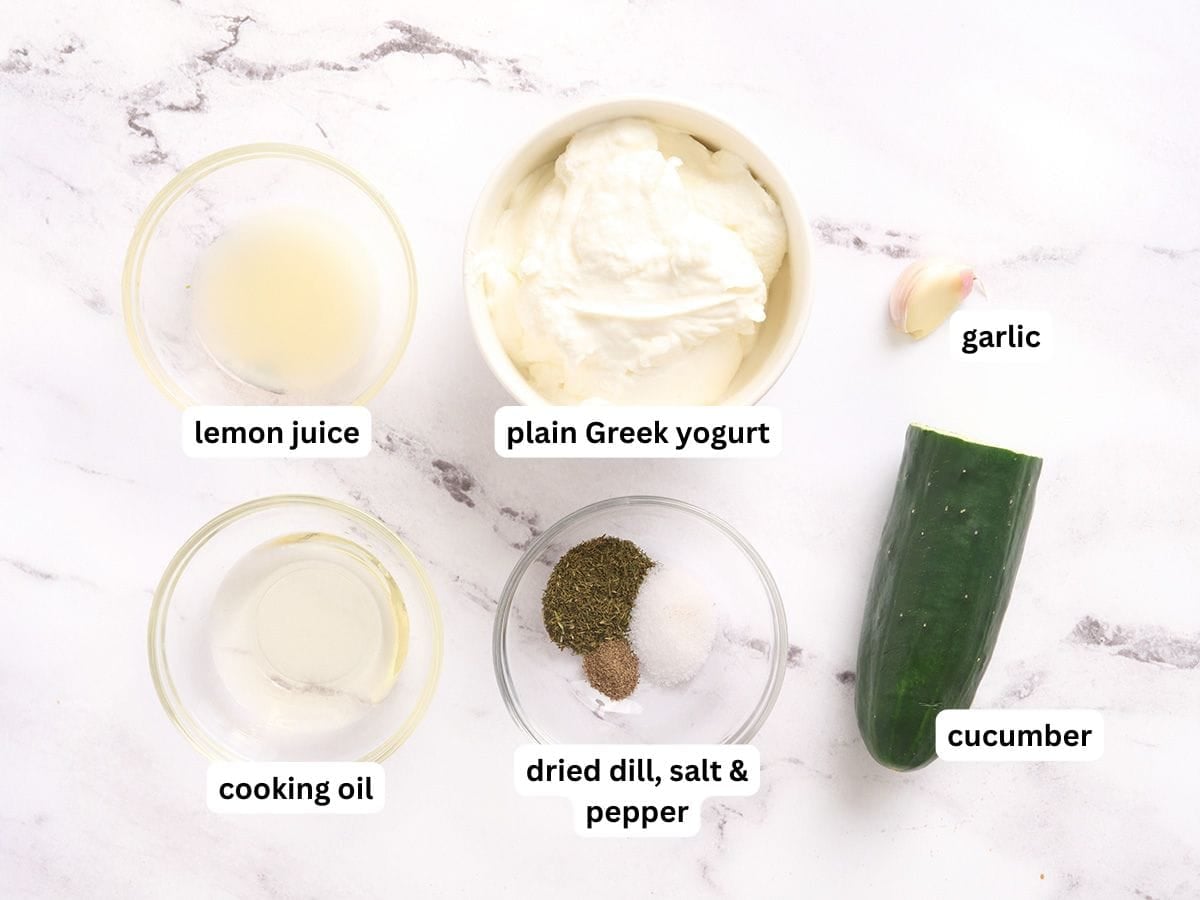
A core component of the recipe’s release is its detailed cost breakdown, which serves as a data point in the ongoing discussion regarding food inflation. According to Budget Bytes, the total cost for the recipe—which yields four servings—is $11.05, or approximately $2.76 per serving. This figure includes the beef, pita bread, and homemade tzatziki sauce.
To put this in a broader economic context, the average cost of a commercially prepared doner kebab or gyro in major U.S. metropolitan areas typically ranges from $9.00 to $14.00, depending on the region and establishment type. By producing the meal at home, consumers achieve a cost reduction of approximately 70% to 80% per portion.
Supporting data from the Nashville Test Kitchen suggests several cost-saving strategies integrated into the recipe:
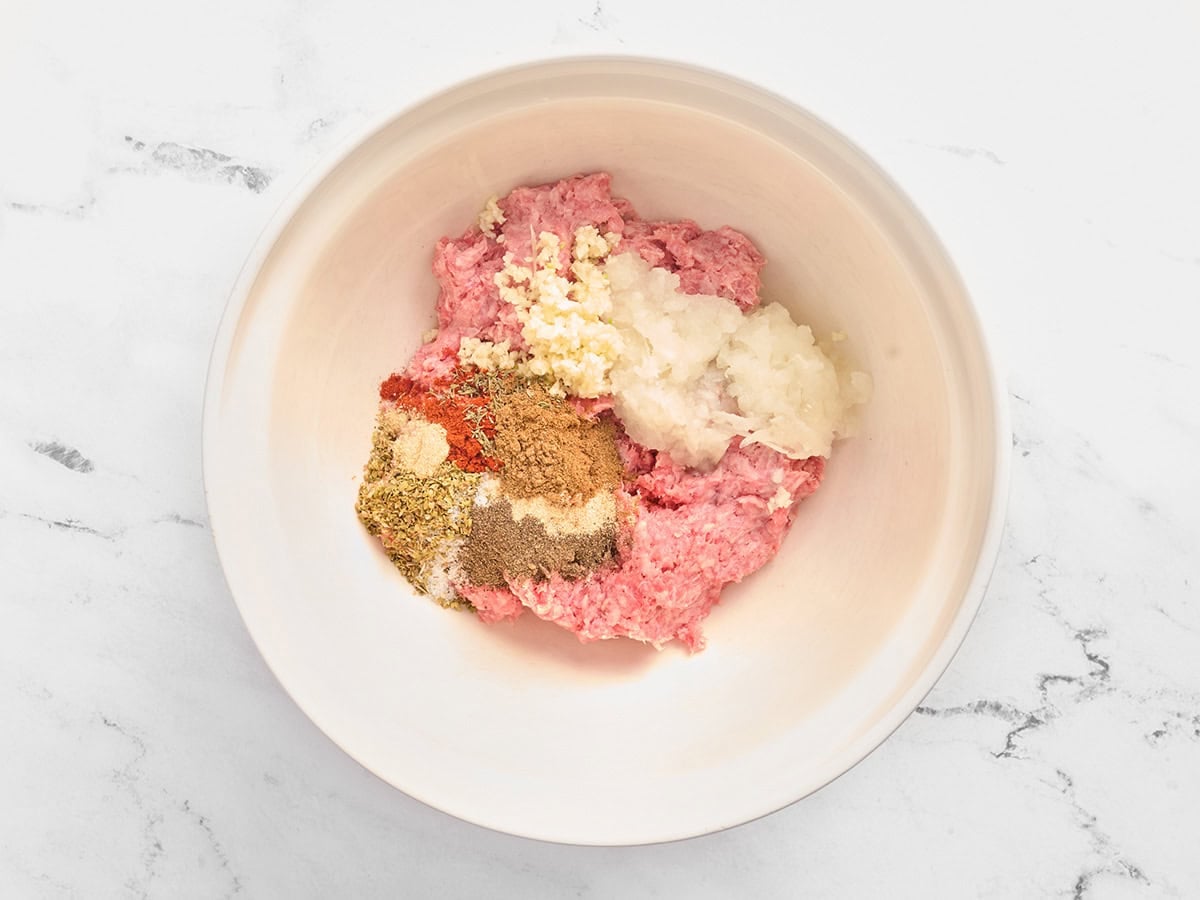
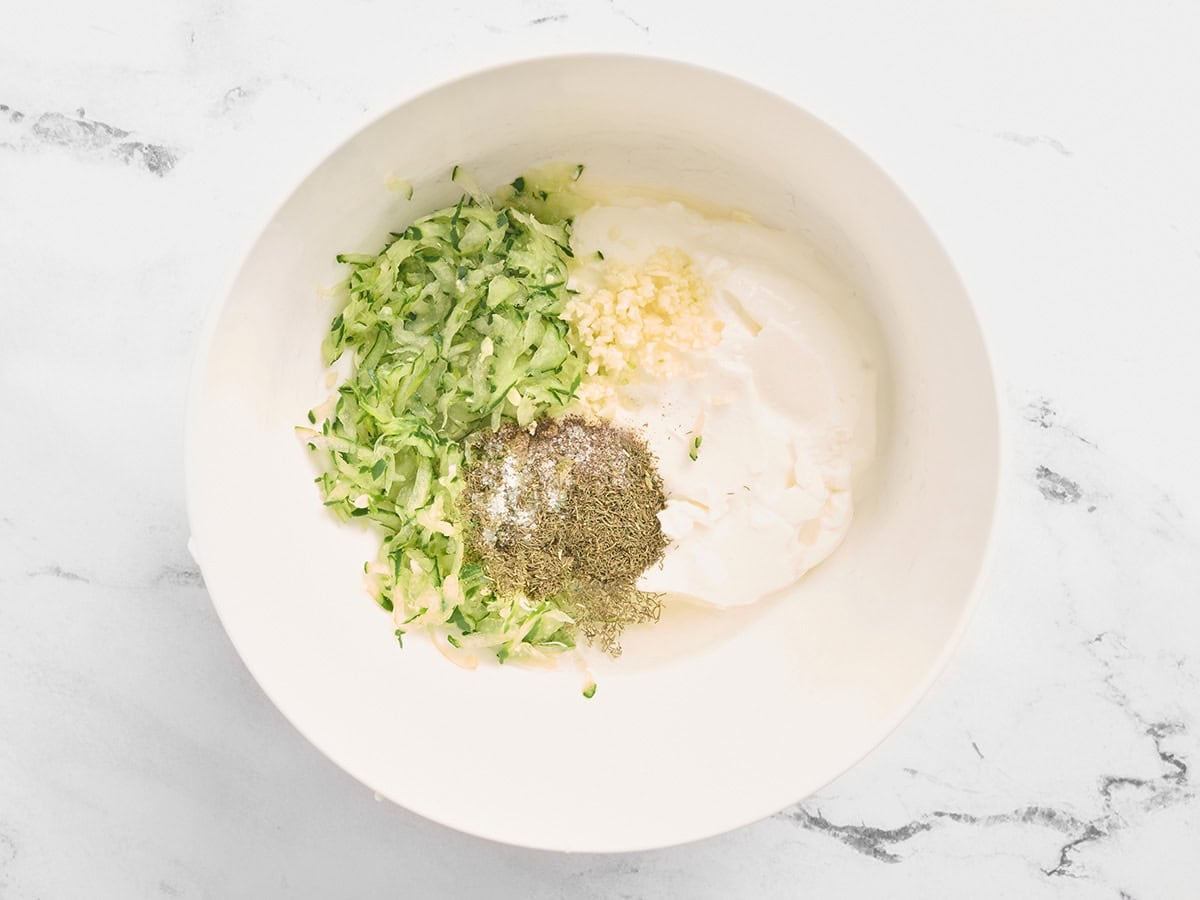
- Pantry-Centric Spices: The flavor profile relies on common staples such as oregano, cumin, paprika, garlic powder, and onion powder, reducing the need for specialty purchases.
- Oil Substitutions: While traditional tzatziki utilizes extra virgin olive oil, the test kitchen verified that any neutral cooking oil (such as vegetable or avocado oil) produces a comparable result, allowing consumers to use what they already have in stock.
- Ingredient Stretching: One pound of beef is successfully stretched to four servings through the addition of high-volume, low-cost toppings like shredded lettuce, tomatoes, and cucumbers.
Nutritional Profile and Ingredient Integrity
The Sheet Pan Doner Kebab provides a balanced macronutrient profile, catering to a wide demographic of health-conscious consumers. According to the automated nutritional data provided by the Budget Bytes platform, one serving (consisting of one filled pita and 1/4 cup of tzatziki) contains:
- Calories: 525 kcal
- Protein: 31g (62% of Daily Value)
- Fat: 27g
- Carbohydrates: 38g
- Sodium: 1270mg
The high protein content, primarily derived from the ground beef and Greek yogurt-based tzatziki, aligns with current dietary trends favoring satiety-inducing meals. However, the report notes that sodium levels are relatively high, largely due to the salt in the seasoning blend and store-bought pita bread. Consumers monitoring sodium intake are advised to adjust the added salt or utilize homemade, low-sodium pita options.
Statements from the Culinary Development Team
Melissa Nolan, the primary recipe developer behind the project, emphasized the accessibility of the method in her post-release commentary. Nolan, whose background includes an internship at Thomas Keller’s Per Se and years as a chef instructor at JAX Cooking Studio, brought professional-grade technique to a budget-friendly format.
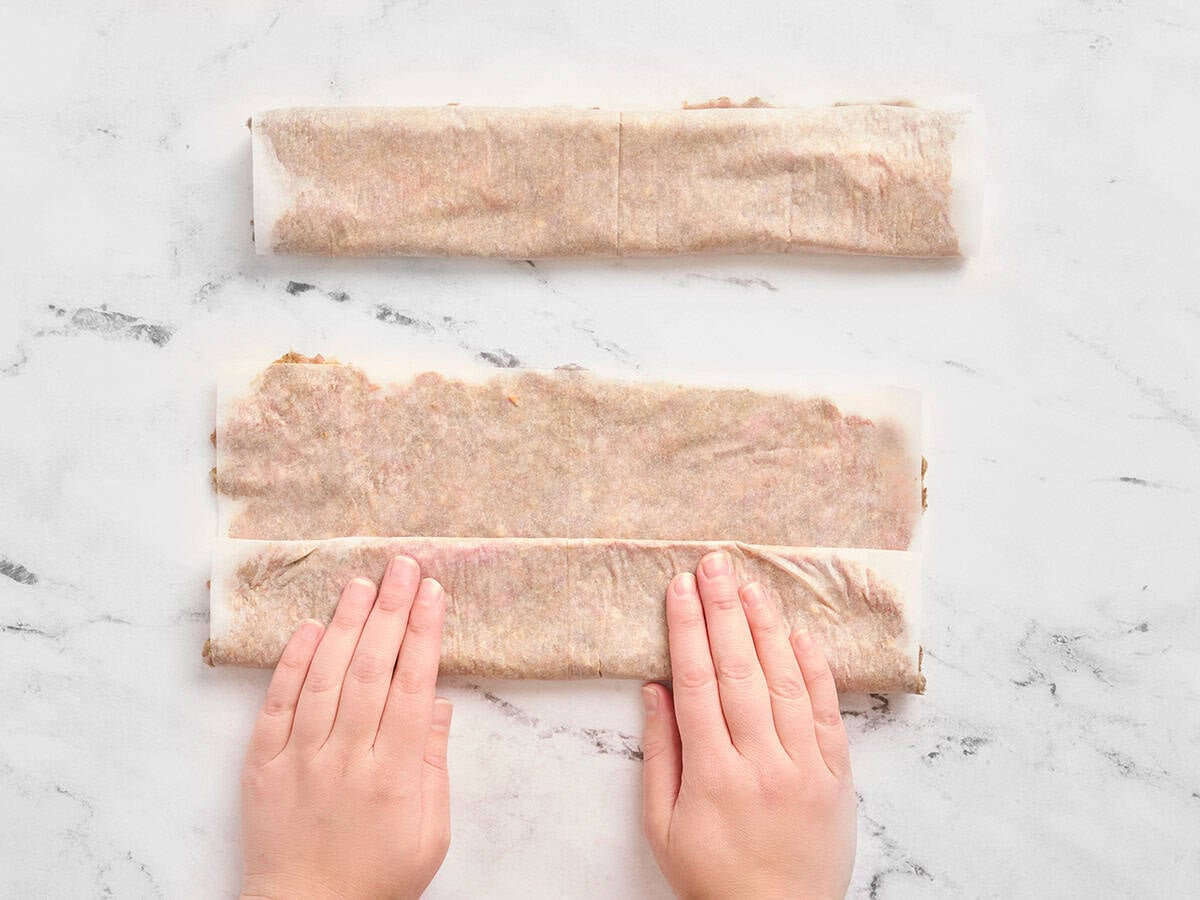
"This isn’t the traditional method of slicing doner meat from a vertical spit," Nolan stated during the recipe’s rollout. "It’s a quick oven version for home cooks that mimics those thin layers of meat with browned, crispy edges." She further noted that the "unusual" rolling method was the result of extensive testing to ensure that even novice cooks could achieve professional results. "The thinner it is, the more of those crispy edges you get under the broiler at the end," she added, highlighting the technical focus on texture.
The Budget Bytes organization corroborated these findings, stating that all recipes are "rigorously tested" in their Nashville facility to ensure they meet the criteria of being "easy, affordable, and delicious."
Broader Impact and Industry Implications
The success of the Sheet Pan Doner Kebab reflects a larger movement within the digital food media industry. As consumers face "subscription fatigue" and the rising costs of delivery apps, there is a renewed interest in "fakeaway" recipes—home-cooked versions of popular takeout dishes.
Industry analysts suggest that recipes like this one impact the grocery sector by driving demand for specific staples. The use of parchment paper, rolling pins, and specific ground meat fat ratios indicates a more technical approach to home cooking that was once reserved for professional kitchens. Furthermore, the emphasis on meal prep—recommending that components be stored separately to maintain texture—aligns with the lifestyle of the modern workforce, which increasingly seeks "grab-and-go" options that do not sacrifice quality for convenience.
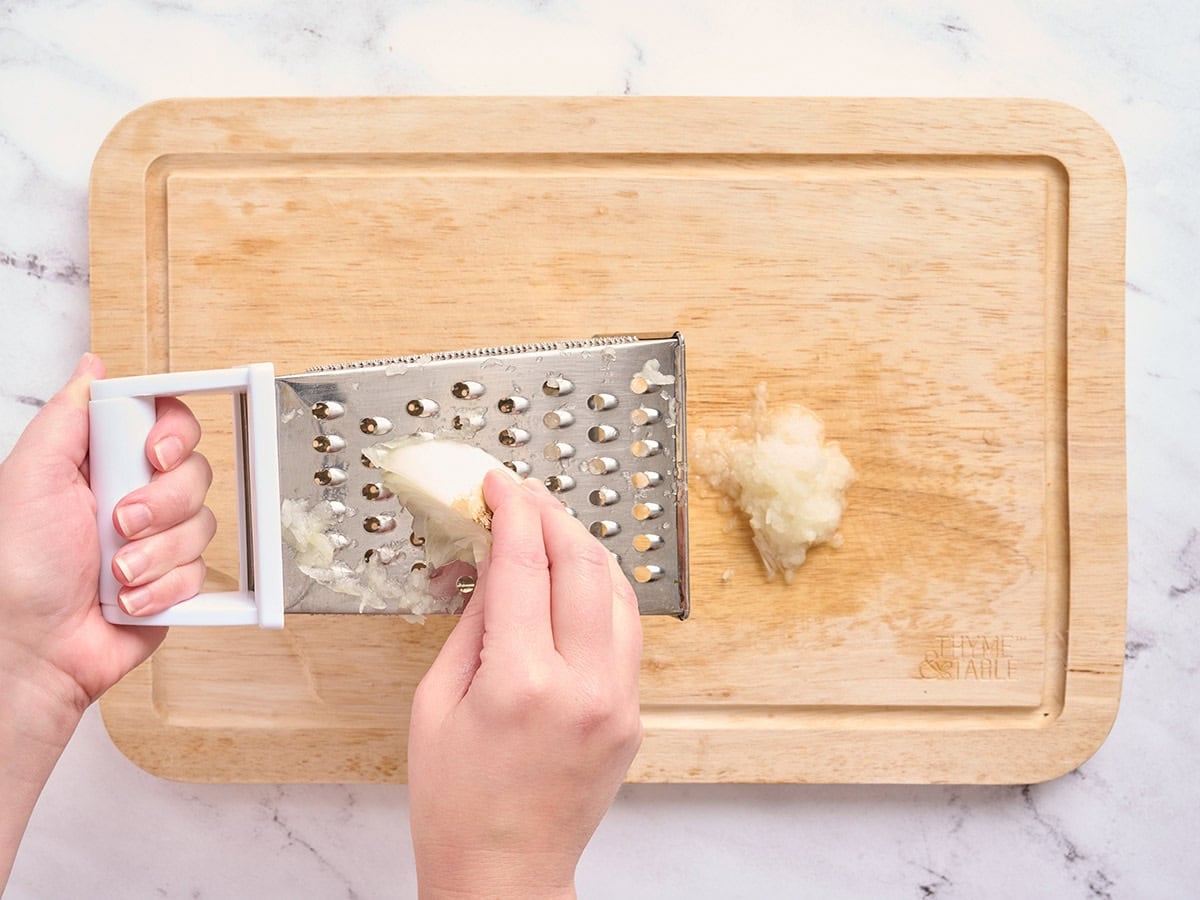
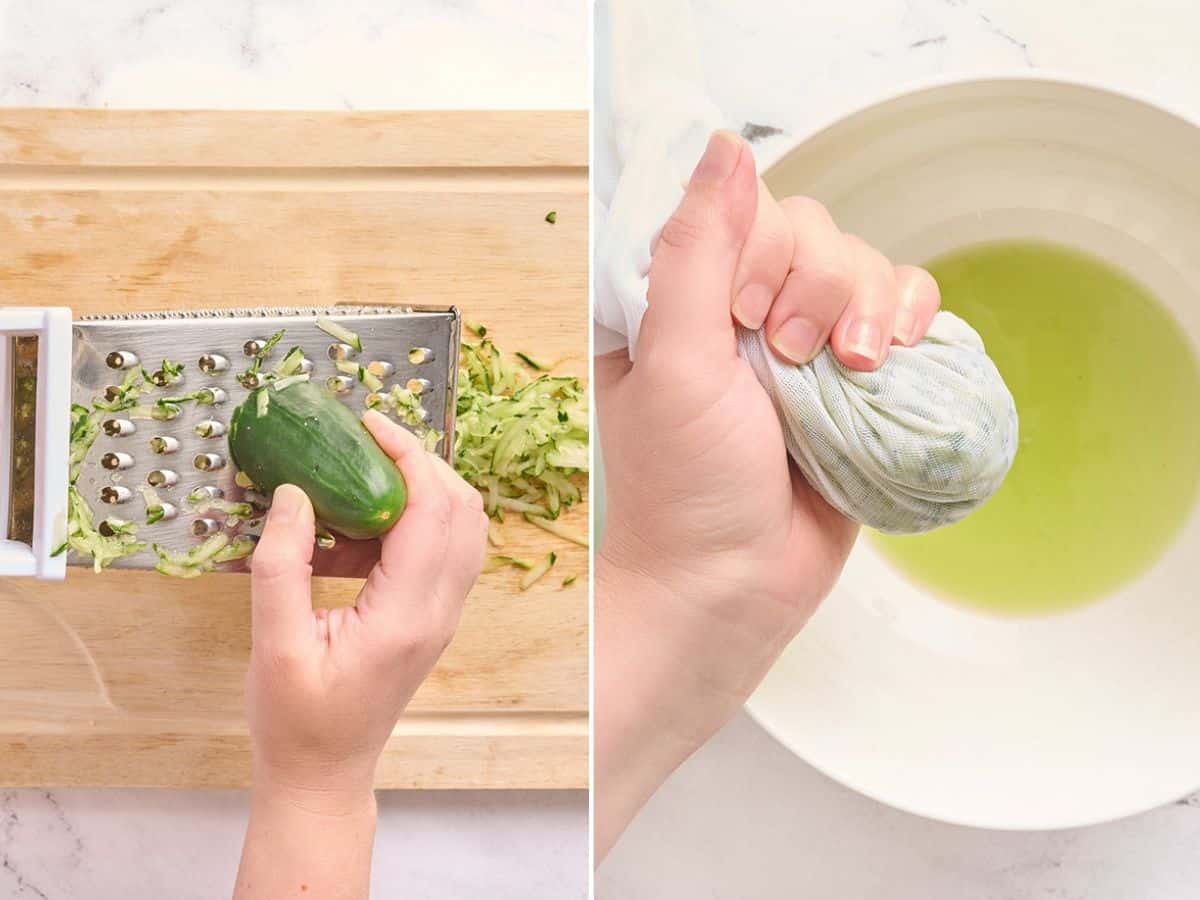
The "viral" nature of the recipe also underscores the power of social media as a testing ground for culinary innovation. By observing how users interacted with the initial Instagram reel, Budget Bytes was able to tailor the final written instructions to address common user questions, such as how to handle the hot steam when opening the parchment packets and how to properly strain cucumber for the tzatziki.
Conclusion and Future Outlook
The Sheet Pan Doner Kebab stands as a testament to the viability of high-quality, globally inspired cooking within a strict budgetary framework. By combining historical culinary concepts with modern kitchen shortcuts, the Nashville Test Kitchen has provided a blueprint for affordable meal preparation that rivals the convenience and flavor of professional food service. As economic pressures continue to influence household spending, the trend toward technical, budget-conscious home cooking is expected to expand, with more traditional international dishes being reimagined for the domestic sheet pan. For now, the $2.76 per serving benchmark remains a formidable challenge to the traditional takeout model, offering a sustainable alternative for consumers looking to balance their palates and their pocketbooks.
