


The 2023 holiday retail landscape has witnessed a significant shift in consumer preferences, moving away from mass-produced commodities toward artisanal, purpose-driven, and accessibility-focused products. This transition reflects a broader societal emphasis on wellness, inclusivity, and the support of small-scale creator economies. As international travel patterns stabilize following years of disruption, the demand for specialized tools—ranging from medical-grade translation aids for the health-conscious traveler to ergonomically designed household implements—has reached a new peak. This report analyzes a selection of high-performing products across the lifestyle, stationery, and wellness sectors, highlighting the innovation and craftsmanship defining this year’s gift-giving season.

Innovation in Accessibility and Ergonomic Design
The intersection of fashion and functional accessibility has become a focal point for footwear manufacturers. Leading this charge is Kizik, a company that has revolutionized the sneaker industry through patented hands-free technology. Originally designed to assist individuals with limited mobility, the brand has seen widespread adoption among a diverse demographic, including pregnant women, seniors, and travelers.

The core of Kizik’s innovation lies in its titanium arc or internal cage, which allows the wearer to step into the shoe without using their hands or bending over. This "step-in" mechanism is particularly beneficial for patients managing chronic conditions, such as spinal cerebrospinal fluid (CSF) leaks, where bending, lifting, or twisting is medically contraindicated. For the current season, the company has expanded its portfolio to include winter boots and Chelsea-style ankle boots, indicating a strategic move to capture the seasonal utility market.

In the culinary sector, ergonomic considerations are similarly influencing high-end cutlery. Nakano Knives, a Japanese brand, has gained traction for its "Classic Chef Knife," which prioritizes a lightweight profile without compromising structural integrity. Weighing approximately 185 grams (6.5 oz), the blade is designed to reduce wrist strain, making it an essential tool for home cooks with neurological or musculoskeletal challenges. Market analysis suggests that the demand for lightweight, high-performance kitchen tools is growing as more consumers seek to maintain independence in the kitchen despite physical limitations.
The Resurgence of Analog Tools and High-End Stationery
Despite the ubiquity of digital productivity tools, the premium stationery market is experiencing a notable renaissance. The history of the Blackwing 602 pencil serves as a case study in brand loyalty and the enduring appeal of analog craftsmanship. Originally introduced in the 1930s by the Eberhard Faber Pencil Company, the Blackwing became the preferred instrument for luminaries such as John Steinbeck and Looney Tunes creator Chuck Jones.

Following its discontinuation in 1998, the pencil attained cult status, with individual units occasionally retailing for as much as $40 on secondary markets. In 2010, California-based Palomino revived the brand, reintroducing the signature rectangular replaceable eraser and Japanese graphite. This revival tapped into a growing "slow living" movement, where writers and artists prioritize tactile experiences. Similarly, Joytop notebooks have carved a niche in the international market by focusing on paper texture and binding durability, catering to a demographic that views journaling as a therapeutic practice rather than a mere utilitarian task.

Specialized Support for Medical and Dietary Travel
Travel safety for individuals with chronic health conditions remains a critical area of market development. The Legal Nomads Gluten-Free Translation Cards represent a vital intersection of medical necessity and global tourism. Designed specifically for individuals with Celiac disease, these cards go beyond simple translation; they incorporate localized ingredient names and emphasize cross-contact risks.

Current data indicates that the global gluten-free product market is projected to grow significantly, driven by increased diagnosis rates. However, the service sector—specifically dining out during international travel—often lags behind. By utilizing a double-translation process involving medical professionals and native speakers, these digital resources provide a level of accuracy that automated translation software currently cannot replicate. To date, over 12,000 cards have been distributed across 15 languages, including recent additions such as Bahasa Indonesia and Croatian, illustrating the global demand for reliable medical communication tools.

Sustainable Luxury and Ethical Stewardship
The jewelry and home décor sectors are increasingly defined by their environmental and social impact. Kamoka Pearls, based in the Ahe Atoll of Tahiti, has set a global benchmark for sustainable aquaculture. Unlike traditional pearl farming, which can disrupt local ecosystems, Kamoka utilizes wind and solar power and maintains farming methods that actively increase local fish populations.

A study cited by National Geographic highlighted the ecological benefits of Kamoka’s practices, noting that their oysters provide a habitat that supports marine biodiversity. Their "Mana Bracelet," constructed from sustainably sourced kangaroo leather and Tahitian pearls, exemplifies the "slow fashion" ethos. This approach resonates with a consumer base that increasingly scrutinizes the supply chain of luxury goods.

In the realm of interior design, Plantstraws from Sweden offers a solution to the "urban jungle" trend. Founded by Elin Fyhr, the company utilizes a capillary-action watering system involving brass tubes and cotton cords. This design-led approach to plant care allows for the maintenance of high-moisture tropical plants alongside arid-climate succulents, appealing to the aesthetic and practical needs of modern apartment dwellers.

Art, Satire, and Psychological Resilience
The current cultural zeitgeist is reflected in the popularity of art that combines natural beauty with sharp, often satirical, commentary. Birdstrips and Effin Birds have both built significant followings by using avian illustrations to explore themes of existential dread and modern frustration.

- Birdstrips: Created by Montreal artist Jess, these illustrations use "the eyes of the flighted" to comment on the human condition. The brand’s expansion into vintage-style posters and therapeutic "before and after" prints demonstrates the commercial viability of relatable, whimsical art.
- Effin Birds: Aaron Reynolds’ brand has become a digital phenomenon by pairing classical ornithological illustrations with profanity-laced captions. This juxtaposition serves as a form of psychological catharsis for a public navigating a complex socio-political landscape. The brand’s "Shitmas" collection specifically targets the demographic of consumers who feel alienated by traditional holiday sentimentality.
In a more traditional vein, the Ottawa-based studio Sadie and June has popularized hand-embroidered heart maps. By physically stitching connections between geographical locations on vintage maps, founders Steve and Kendall tap into the nostalgia and emotional weight of the immigrant and traveler experience. Their business model, which transitioned from a "side hustle" to a full-time enterprise, reflects the strength of the artisanal market in North America.

Gamification of the Travel Experience
The board game industry has seen a 21st-century revival, with niche games offering more complex and themed experiences. "Trip Chaser," developed by veteran travelers Dalene and Pete Heck, gamifies the logistics of international travel. Players must navigate the challenges of budgeting, bartering, and destination accessibility.

The game’s success—evidenced by it selling out in the Canadian market—points to a desire for "edutainment" that reflects real-world experiences. By assigning higher point values to destinations that are logistically difficult to reach from North America, the game serves as both a leisure activity and a subtle educational tool regarding global geography and travel economics.

Broader Market Implications
The curated products discussed herein represent a move toward "intentional gifting." Consumers are no longer satisfied with generic items; they seek products that align with their values, support independent creators, and solve specific life challenges.

Data and Trends Analysis
- Direct-to-Consumer (DTC) Growth: Many of these brands, such as Little Rooms and OTOTO Design, bypass traditional big-box retailers, utilizing social media platforms like Instagram to build direct relationships with their audience.
- Accessibility as a Standard: The success of Kizik and Nakano suggests that "universal design"—design that is usable by all people to the greatest extent possible—is moving from the periphery to the mainstream.
- Sustainability as a Luxury Metric: For brands like Kamoka Pearls, environmental stewardship is no longer just a "bonus" but a core component of the brand’s luxury status.
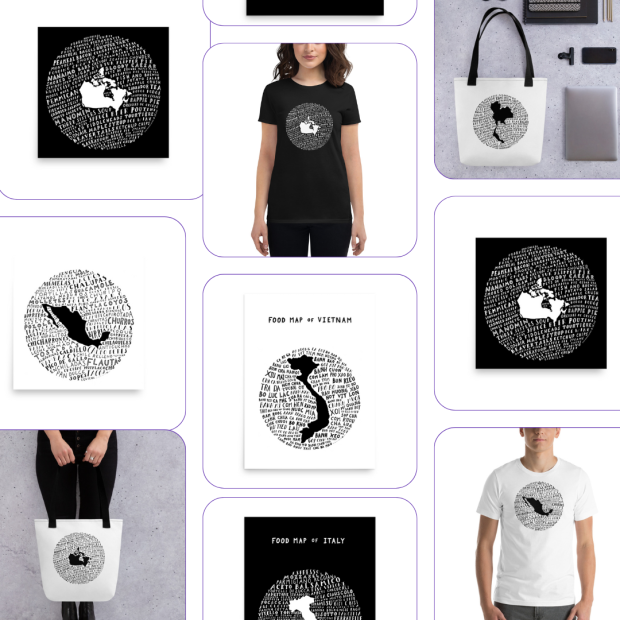
As the holiday season progresses, the success of these niche, high-quality, and ethically conscious brands suggests a permanent shift in the retail paradigm. The focus is no longer merely on the act of consumption, but on the story, the utility, and the impact of the gift itself. Whether through a hand-drawn food map of Japan or a portable red-light therapy device for pain management, the 2023 season is defined by products that offer genuine value to the recipient’s quality of life.
