

The second episode of the Food Network’s latest competitive culinary series, Pitmasters, intensified the pressure on its remaining contestants as the production moved deeper into the logistical and environmental challenges of the Southern Utah desert. Following a grueling opening round, the competition transitioned immediately into a high-stakes test of endurance and technical versatility. Contestants Susie Bulloch, founder of Hey Grill Hey, and Christie Vanover of Girls Can Grill, successfully advanced to this second stage, where they were tasked with mastering the "Trifecta of Live Fire." This episode underscored the evolution of outdoor cooking competitions, shifting away from traditional low-and-slow barbecue toward a broader, more primitive interpretation of fire management and heat control.
The Chronology of the Big Burn Challenge
The transition between the first and second episodes was designed to simulate the relentless nature of professional outdoor catering and competition circuits. Host and lead judge Andrew Zimmern, known for his expertise in global culinary traditions and primitive cooking methods, announced the "Big Burn" challenge seconds after the conclusion of the previous round’s judging. This immediate start-time removed the opportunity for recovery, forcing teams to manage physical exhaustion alongside complex culinary requirements.

The "Big Burn" allotted teams a 10-hour window to execute three distinct live-fire techniques: direct flame (grilling), underground (pit cooking), and hanging (asado-style or suspended heat). The requirement to utilize all three methods simultaneously necessitated a high degree of fire management skill, as each technique requires different fuel types, oxygen flow, and temperature ranges. For Bulloch and Vanover, the challenge began with manual labor; the underground portion of the cook required the excavation of a pit, a task that added a significant physical burden to an already taxing schedule.
Technical Execution: The Italian Summer Theme
In a strategic move to differentiate themselves from the heavy, smoke-laden profiles common in traditional American barbecue, Bulloch and Vanover opted for an "Italian Summer" thematic menu. This choice allowed for the integration of lighter flavors and complex textures that could still benefit from the char and depth provided by live fire.
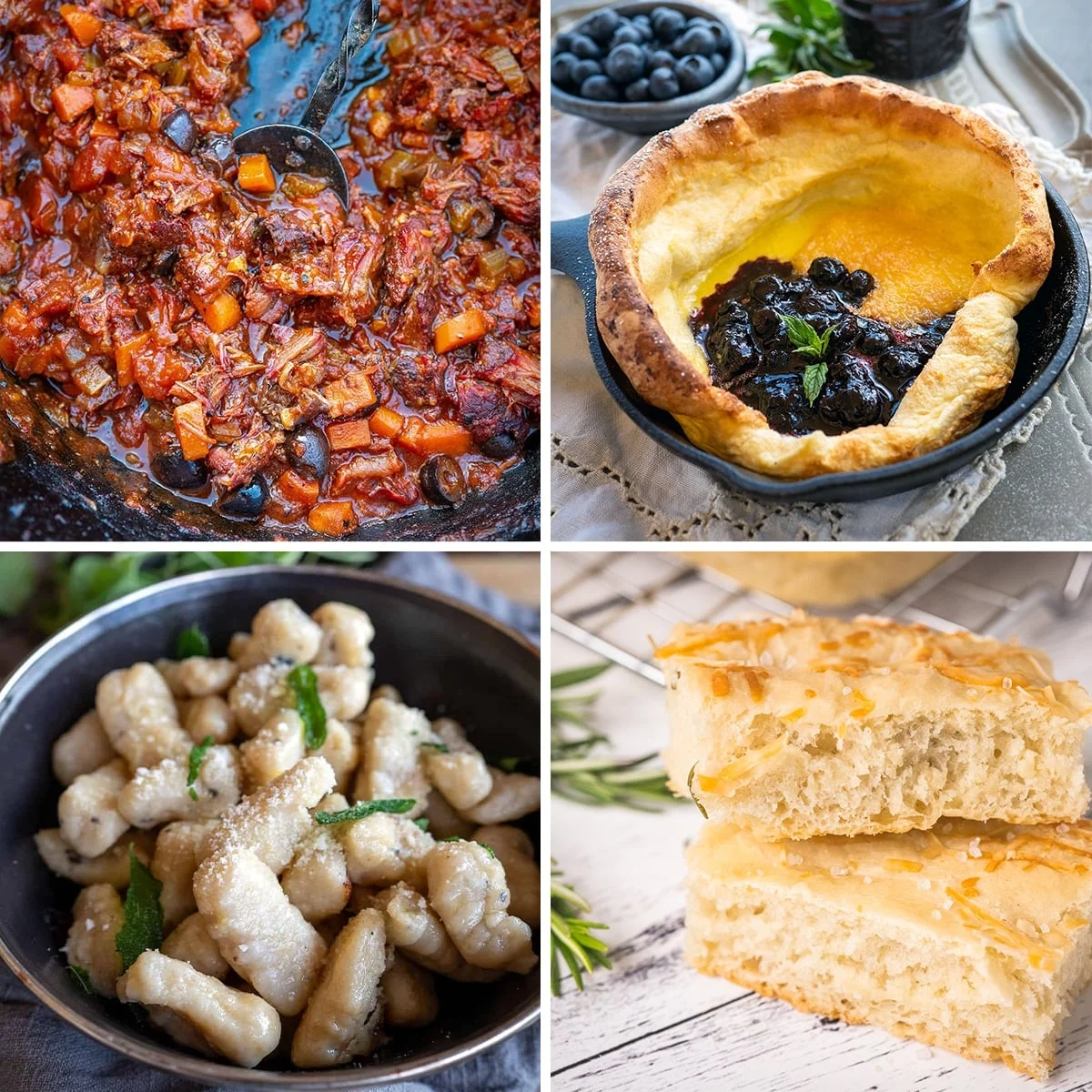
For the "Direct Flame" component, the team prepared grilled gnocchi. Unlike the traditional boiling method, grilling potato dumplings requires precise timing to achieve a crisp exterior while maintaining a pillowy internal texture. This technique utilizes the Maillard reaction to enhance the earthy notes of the potato, a method gaining popularity in modern wood-fired bistros.

The "Underground" technique was applied to a Smoked Osso Buco. This dish, traditionally a braised veal shank, was adapted using beef chuck roast and oxtail to provide a richer collagen breakdown during the long, subterranean cook. The meat was seasoned with a specialized brisket rub and placed in a Dutch oven before being buried. Underground cooking, or "pit roasting," relies on the thermal mass of the earth to maintain a steady, insulating heat, effectively turning the ground into a slow cooker. This method is historically significant in Utah, where the Dutch oven is recognized as the official state cooking pot, tracing back to the pioneer era.
The "Hanging" technique provided the most room for creative engineering. Bulloch designed a "swinging" Rosemary Parmesan Focaccia, utilizing a suspended baking sheet system over an open flame. This setup mimicked the convection currents of a wood-fired oven. By suspending the dough, the team was able to control the distance from the heat source, allowing the bread to rise and crust without burning. To complement this, they prepared grilled artichoke hearts with a lemon garlic aioli, leveraging the hanging flame to provide a subtle smokiness to the vegetable’s natural sweetness.
The Flash Burn: An Interruption in Logistics
Midway through the 10-hour Big Burn, the competition was interrupted by a "Flash Burn" challenge. This segment is designed to test a chef’s ability to pivot under pressure and manage multiple timelines. The judges issued a surprise requirement: a full "BBQ Breakfast" to be completed in 45 minutes, with a $2,000 cash prize on the line.

The timing of the Flash Burn was particularly strategic, occurring during the early morning hours when contestants were at their lowest point of alertness. Bulloch and Vanover divided the task into savory and sweet components. Vanover prepared "German Pancakes," also known as Dutch Babies, cooked over live fire in cast iron. The high, immediate heat of the fire is ideal for achieving the signature "puff" of the batter. This was finished with a maple blueberry syrup, where fresh berries were reduced until jammy, providing an acidic balance to the rich batter.
Bulloch focused on a savory Jalapeño Bacon Breakfast Sausage, built from scratch using ground pork, minced bacon, and fresh jalapeños. The patties were smoked over cherry wood, which offers a mild, fruity smoke profile that does not overwhelm the delicate flavors of breakfast proteins. This quick-fire round highlighted the contestants’ ability to maintain flavor integrity while operating on a drastically compressed timeline.
Environmental Factors and Geographical Challenges
The Southern Utah desert served as a formidable antagonist throughout the episode. The "High Desert" climate is characterized by extreme temperature fluctuations, high winds, and low humidity, all of which affect the combustion of wood and the moisture retention of meat.

- Wind Management: Sustained winds in the desert can cause "hot spots" in open fire pits by forcing oxygen into the coals at inconsistent rates. Contestants had to constantly adjust their shielding and fuel placement to prevent the fire from burning too hot or unevenly.
- Temperature Fluctuations: The transition from the heat of the day to the "unforgiving cold" of the night impacts the proofing of doughs (like the focaccia) and the resting period of meats. Maintaining a consistent temperature in an underground pit becomes more difficult as the surface soil cools.
- Altitude: The elevation of Southern Utah affects the boiling point of liquids and the internal pressure of cells in the food, often requiring longer cooking times for braised items like the Osso Buco.
Analysis of the Judging Format Shift
The judging for Episode 2 deviated from the communal "family-style" table seen in the series premiere. Instead, teams were required to transport their finished dishes up a steep incline to a hilltop dining station for one-on-one presentations with the judges. This logistical hurdle added a final layer of physical exhaustion before the high-pressure critique.
The move to one-on-one judging fundamentally changed the psychological dynamic of the show. In a group setting, contestants can gauge their performance relative to their peers by observing the judges’ reactions to other dishes. The private hilltop sessions created an information vacuum, leaving teams in a state of uncertainty until the final results were announced back at the base camp. This format emphasizes the "pure" quality of the food, as judges are not influenced by the immediate comparison of one plate to another in real-time.
Broader Impact and Industry Context
The participation of high-profile female pitmasters like Bulloch and Vanover in a show of this magnitude reflects a broader shift in the outdoor cooking industry. Historically dominated by male figures, the competitive barbecue and live-fire circuit has seen a surge in female leadership. Bulloch’s "Hey Grill Hey" and Vanover’s "Girls Can Grill" represent two of the most influential digital platforms in the niche, focusing on making outdoor cooking accessible to a wider demographic.

Furthermore, the show’s emphasis on "Live Fire" rather than traditional "Barbecue" aligns with current culinary trends. According to industry data, wood-fired cooking has seen a significant increase in popularity in both the restaurant sector and the home-cooking market. The versatility demonstrated in this episode—moving from gnocchi to breakfast sausages to artisan bread—showcases that live fire is a legitimate, multi-faceted culinary discipline rather than just a method for smoking brisket or ribs.
Conclusion and Future Implications
As Pitmasters moves into its subsequent episodes, the stakes continue to rise. The combination of environmental adversity and complex technical requirements in Episode 2 served to winnow the field, testing not just the recipes of the contestants, but their fundamental understanding of thermodynamics and fire science.
While the specific results of the episode remain under wraps for those who have not yet viewed the broadcast, the technical proficiency displayed by the Bulloch-Vanover team set a high bar for the remaining competitors. The "Italian Summer" menu proved that elegance and sophistication are possible even in the harshest of environments, provided the chefs possess the endurance to withstand the elements. Viewers can continue to follow the series on Food Network and Discovery+, where new episodes air weekly, further exploring the intersection of primitive cooking and modern gastronomy.
