

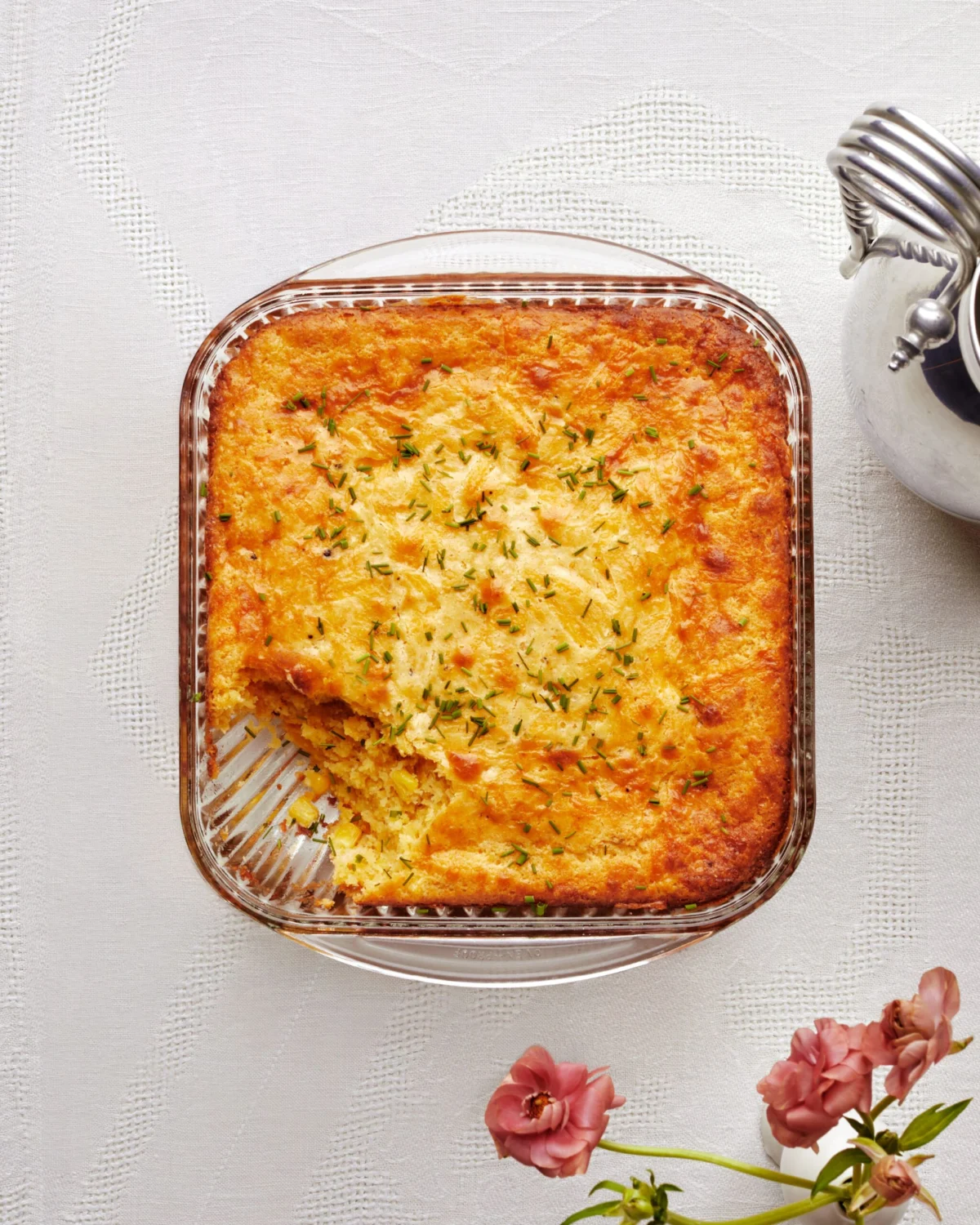
In the intricate tapestry of American comfort food, certain dishes stand out not just for their flavor but for their ability to evoke nostalgia and serve as culinary anchors for gatherings. Among these, corn pudding holds a venerable position, particularly versions that masterfully blend the creamy richness of a cheesy corn casserole with the comforting structure of traditional cornbread. A recent culinary spotlight has illuminated a specific rendition of this classic, one that leverages a box of Jiffy corn muffin mix to achieve a uniquely satisfying texture—crisp golden edges yielding to a soft, custardy center—making it a versatile and reliable crowd-pleaser for any occasion, from festive holiday feasts to casual weeknight dinners.
The Historical Roots and Evolution of Corn Pudding
The narrative of corn pudding is deeply intertwined with the history of corn itself, a staple crop domesticated thousands of years ago in Mesoamerica before making its way to North America. Indigenous peoples cultivated diverse varieties of corn, which became a cornerstone of their diet and culture. With the arrival of European settlers, corn was adopted into colonial cuisine, particularly in the Southern United States, where it flourished. Early versions of corn pudding, often referred to as "corn pone" or "corn custards," were simple preparations, typically combining fresh or dried corn with milk, eggs, and sometimes a touch of sweetener, then baked until set. These dishes provided sustenance and warmth, reflecting the agricultural bounty and resourcefulness of the era.
Over centuries, corn pudding evolved, adapting to regional tastes and available ingredients. The post-Civil War era saw a further entrenchment of corn-based dishes in Southern culinary traditions, with recipes becoming more refined. The introduction of dairy products like cream and butter, alongside the gradual commercialization of processed ingredients, contributed to a diversification of recipes. By the early to mid-20th century, corn pudding had cemented its place as a beloved side dish, especially during harvest festivals and holiday celebrations, embodying a sense of communal feasting and agricultural gratitude. Its transition from a rustic staple to a sophisticated side dish mirrors broader trends in American culinary development.
The Innovation of a Hybrid: Bridging Two Comfort Classics
The particular corn pudding formulation gaining attention represents a modern culinary innovation, adeptly navigating the beloved characteristics of two distinct dishes: the cheesy corn casserole and the classic cornbread. This approach caters to a contemporary palate that often seeks the best of both worlds—the indulgent creaminess of a casserole combined with the comforting, slightly structured bite of cornbread. The dish’s appeal lies in this very hybrid nature, delivering a rich, spoonable texture that avoids the sometimes overly dense quality of pure cornbread or the overly liquid consistency of some casseroles.
Key to this balance is the strategic inclusion of a box of Jiffy corn muffin mix. This seemingly simple ingredient serves multiple critical functions. Historically, convenience food products like Jiffy, introduced in the 1930s, revolutionized home cooking, offering consistent results and reducing preparation time. For this corn pudding, the mix provides not only a reliable structure without the need for precise measurements of cornmeal, flour, and leavening agents but also imparts a subtle sweetness that complements the savory components. This "semi-homemade" approach is a testament to the enduring influence of convenience products in American kitchens, where efficiency often meets a desire for homemade quality.
The supporting cast of ingredients further defines its rich character: canned corn offers year-round accessibility and a consistent texture, sharp cheddar cheese introduces a piquant, savory depth that contrasts beautifully with the corn’s inherent sweetness, while sour cream and heavy cream contribute an unparalleled richness and creamy mouthfeel. These dairy components, when baked, undergo a transformation, creating that desirable custardy center that is the hallmark of a truly exceptional corn pudding. The resulting dish is a textural and flavor masterpiece, designed to satisfy a wide range of preferences.
Versatility and Culinary Pairings: A Dish for All Seasons
One of the most compelling attributes of this corn pudding is its remarkable versatility, positioning it as a culinary chameleon capable of enhancing a diverse array of meals. While its inherent richness and comforting profile make it an obvious choice for traditional holiday feasts, such as Thanksgiving or Christmas, its adaptability extends far beyond seasonal celebrations.
For Thanksgiving, where side dishes often compete for star status, this corn pudding stands out as a luxurious accompaniment to roast turkey. The moist, savory pudding offers a delightful counterpoint to the lean poultry, enriching the overall plate. Similarly, when paired with glazed ham, the sharp cheddar and creamy corn cut through the ham’s sweetness and saltiness, creating a harmonious balance. For other grand occasions, such as a prime rib dinner, its robust flavor profile complements the rich beef, adding a comforting, familiar element to an elegant meal.
Beyond the formal holiday table, the corn pudding proves equally adept in more casual settings. Its hearty nature makes it an excellent partner for barbecue ribs, where its creaminess can soothe the palate against smoky and tangy sauces. With grilled chicken, it offers a substantial and flavorful side that elevates a simple weeknight meal. Even with a bowl of chili, it serves as a comforting, starchy counterpoint, absorbing the spice and adding a textural dimension.
Moreover, the dish’s fundamental components—corn, dairy, and a subtle sweetness—lend themselves to adaptation. When prepared with fresh corn during the summer months, it can even transition into a delightful stand-alone dinner, particularly when served alongside a crisp green salad. This ability to morph from a robust holiday staple to a light summer meal underscores its profound utility in the modern kitchen. Consumer surveys consistently indicate a preference for dishes that offer both comfort and adaptability, reflecting a lifestyle that balances tradition with practicality.
The Broader Implications: Convenience, Tradition, and Culinary Identity
The popularity of this specific corn pudding recipe, and similar "semi-homemade" dishes, highlights several broader trends in contemporary culinary culture. Firstly, it underscores the enduring appeal of convenience. In an increasingly fast-paced world, home cooks often seek shortcuts that do not compromise on flavor or quality. Products like Jiffy mix enable individuals to create dishes that taste homemade with significantly less effort, a crucial factor for busy families and individuals. This trend aligns with market data showing sustained growth in sales of convenience food items that facilitate home cooking without requiring extensive culinary expertise.
Secondly, it speaks to the ongoing dialogue between tradition and innovation in food. While deeply rooted in historical American cuisine, this corn pudding embraces modern ingredients and techniques to refresh a classic. It respects the core essence of the dish while allowing for practical updates, a strategy that resonates with a generation of cooks who value both heritage and efficiency. Food critics and culinary historians often observe that the most enduring recipes are those that can evolve while retaining their fundamental appeal.
Finally, the dish contributes to the concept of culinary identity and comfort. Corn pudding, in its various forms, represents more than just sustenance; it is a symbol of gathering, warmth, and shared experiences. Its ability to evoke feelings of nostalgia and comfort solidifies its place as a cornerstone of communal meals. In a world often characterized by fragmentation, shared food experiences, particularly those rooted in familiar tastes, play a vital role in fostering connection and well-being. The consistent high demand for comfort foods, particularly during times of economic or social uncertainty, is a well-documented phenomenon across global markets.
Preparing the Dish: Simplicity Meets Sophistication
The preparation of this corn pudding is remarkably straightforward, a testament to its design for accessibility. The batter typically comes together in a single bowl, minimizing cleanup—a significant advantage in any kitchen. The combination of wet and dry ingredients is whisked until just combined, ensuring a tender crumb rather than a tough one. Baked in under an hour, the process is efficient, making it feasible for even impromptu gatherings or busy weeknights. The visual appeal of the finished dish, with its crisp golden edges and creamy interior, further enhances its allure, proving that culinary sophistication does not always necessitate complex methods.
Future Outlook: Sustaining Culinary Traditions through Adaptation
As culinary landscapes continue to shift, the trajectory of classic side dishes like corn pudding will likely involve further adaptation and innovation. The demand for gluten-free options, plant-based alternatives, and healthier ingredient substitutions will undoubtedly influence future iterations. However, the core appeal—the comforting blend of corn, dairy, and a subtle sweetness—is likely to remain. The story of this hybrid corn pudding serves as a micro-example of a macro trend: how traditional foods can be sustained and celebrated across generations by embracing thoughtful evolution, ensuring that the flavors of the past continue to enrich the tables of the future. It underscores the dynamic nature of food culture, where every dish, no matter how humble, can tell a compelling story of history, innovation, and enduring human connection.
