

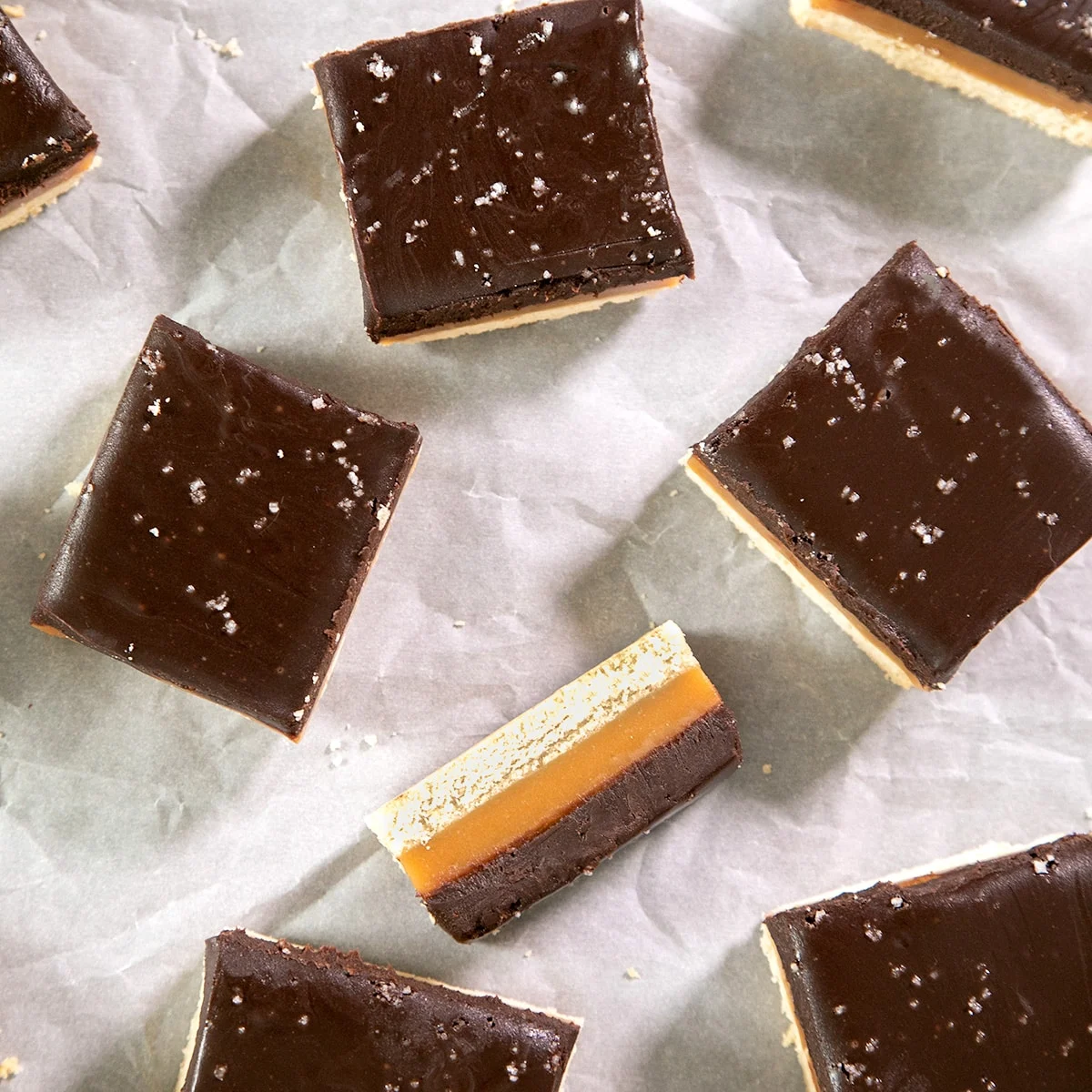
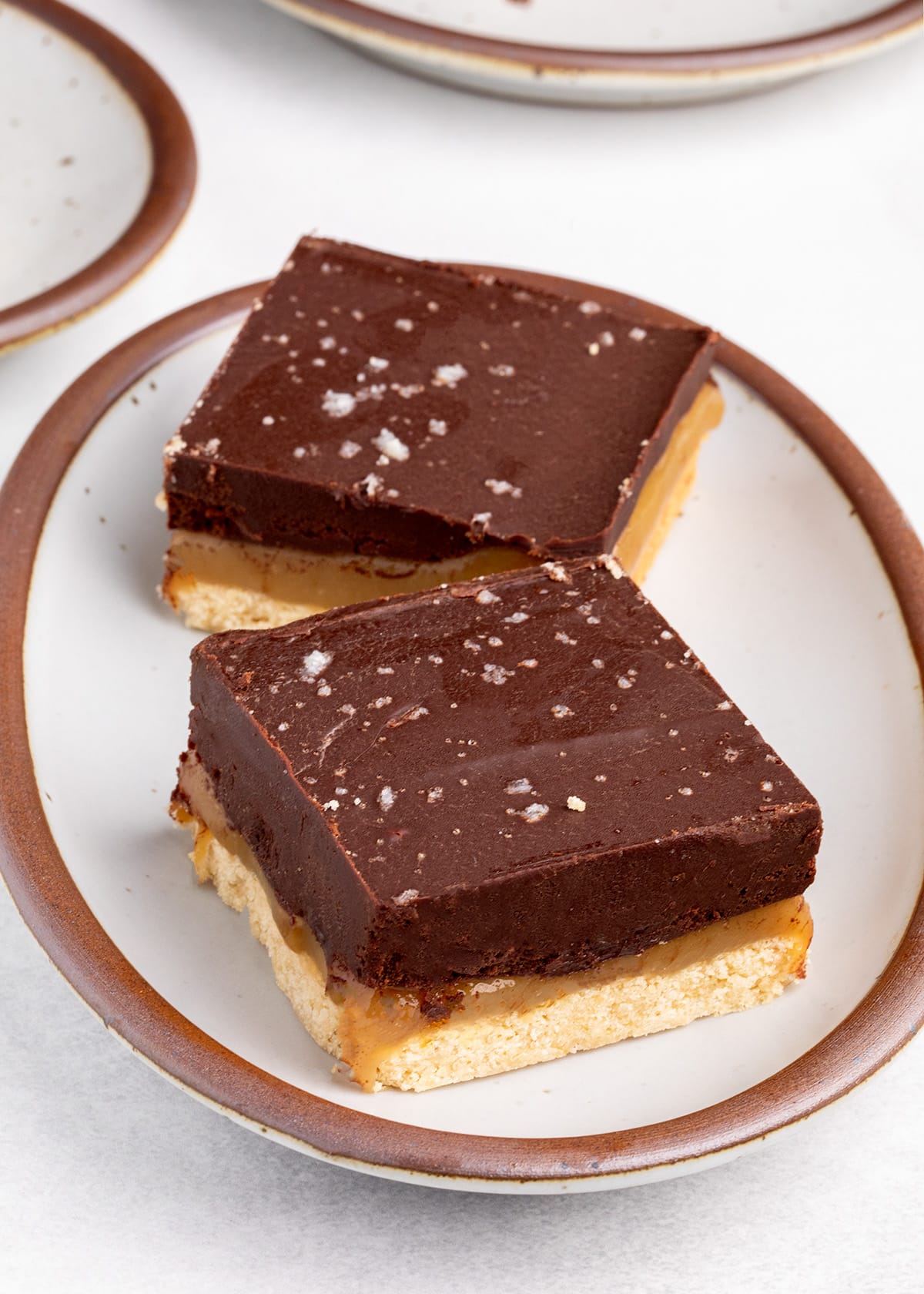
This gluten-free millionaire’s shortbread, also known as caramel shortbread, offers a luxurious three-tiered dessert experience: a tender brown sugar shortbread base, a rich and chewy caramel center, and a smooth, decadent chocolate ganache topping. While appearing as a sophisticated bakery creation, this recipe demystifies the process, guiding bakers through each simple layer with an emphasis on streamlined techniques without compromising on exceptional flavor.
Unpacking the Layers of Gluten-Free Indulgence
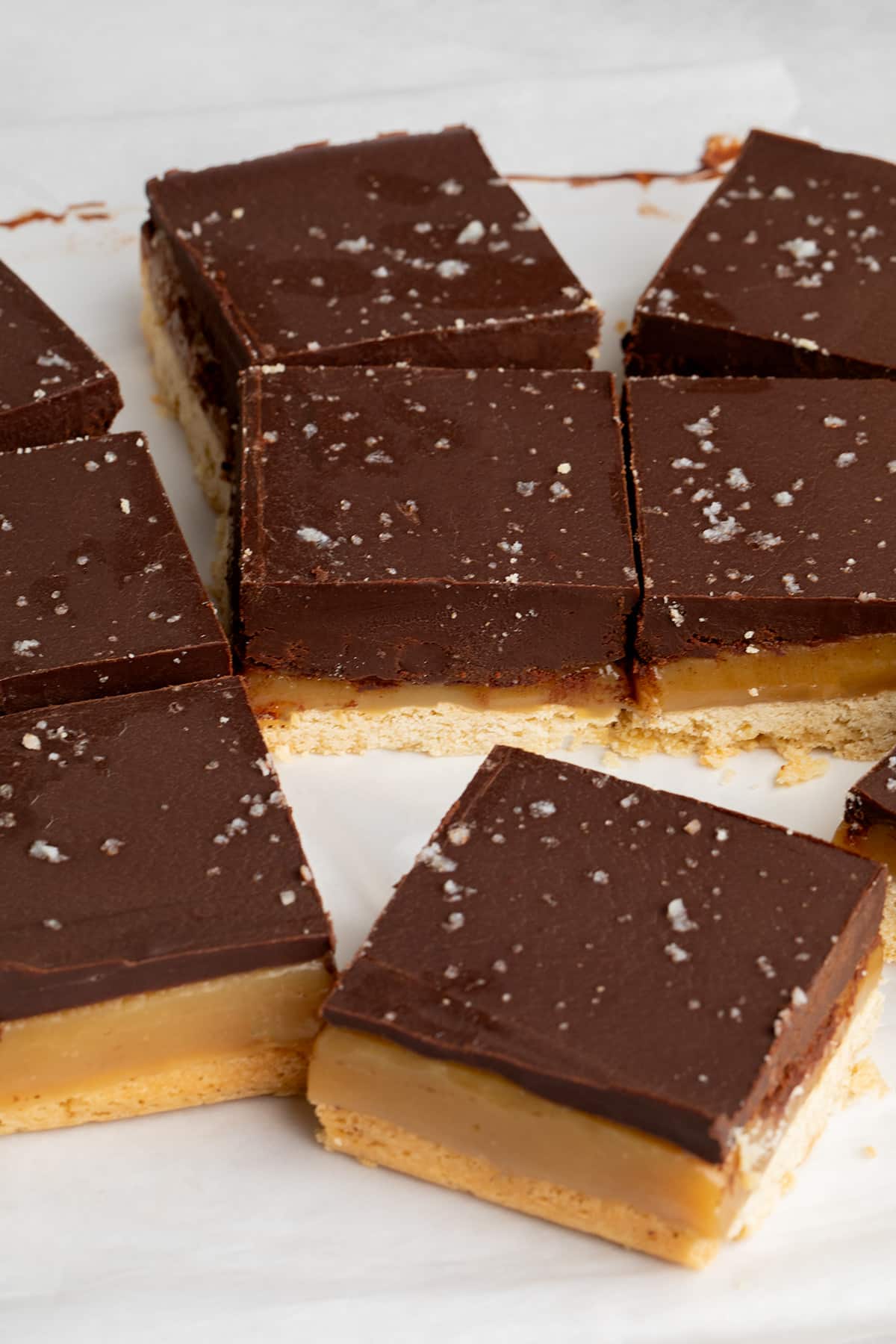
The allure of millionaire’s shortbread lies in its harmonious combination of textures and tastes. The foundation of this gluten-free rendition is a buttery, crumbly shortbread, providing a stable and satisfying base. This is followed by a luscious caramel layer, often the most intimidating component for home bakers. However, this recipe simplifies the caramel-making process significantly, utilizing microwave cooking with clear visual and textural cues to ensure perfect results. The final flourish is a smooth chocolate ganache, meticulously crafted to be firm enough to hold its shape at room temperature yet yielding enough to prevent cracking when sliced or enjoyed.
The recipe’s design prioritizes accessibility, offering flexibility for bakers of all skill levels. While the full recipe involves crafting each layer from scratch, convenient shortcuts are integrated. These include the option of using a no-bake gluten-free cookie crust for the base or employing melted Kraft caramels for the middle layer, demonstrating a commitment to adaptability without sacrificing the authentic taste and texture of this classic confection.
The Art and Science Behind the Perfect Gluten-Free Caramel Shortbread
At the heart of this recipe’s success is the innovative approach to caramel preparation. Traditionally, achieving the ideal caramel consistency can be a delicate balancing act, often requiring precise temperature control and constant vigilance. This gluten-free version leverages the microwave for a more manageable and less intimidating caramel-making experience. By employing specific cooking times and encouraging bakers to observe visual and textural changes, the recipe aims to eliminate the common pitfalls associated with caramelization. The goal is to achieve a "soft ball" stage, approximately 235°F (113°C), which yields a chewy yet toothsome caramel that is neither too hard nor too runny.

The ganache layer is equally thoughtfully designed. The ratio of chocolate to cream is carefully calibrated to produce a ganache that sets firmly enough to maintain its integrity during slicing and serving, yet remains delightfully smooth and melt-in-your-mouth. This balance ensures that the dessert is not only visually appealing but also a pleasure to eat, avoiding the brittle texture that can sometimes plague chocolate toppings.
Essential Ingredients for a Superior Gluten-Free Shortbread Experience
Crafting this exquisite gluten-free millionaire’s shortbread requires a selection of key ingredients, each playing a crucial role in achieving the desired texture and flavor profile across its three distinct layers.
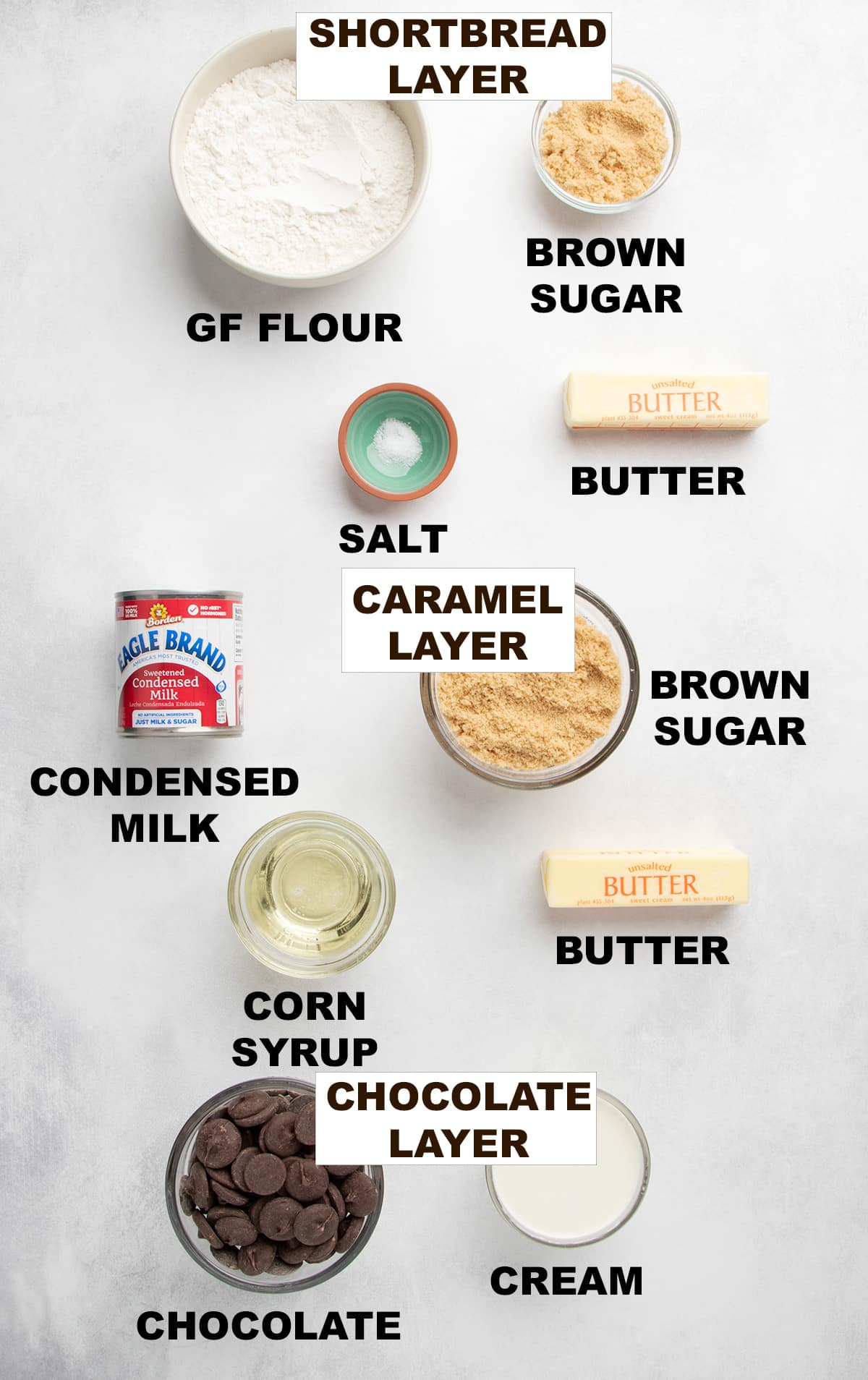
Shortbread Layer: The Foundation of Flavor
The base of this delightful treat is a simple yet essential shortbread. The primary components include:
- Gluten-Free Flour Blend: A high-quality, all-purpose gluten-free flour blend is paramount. Recommendations include Better Batter’s Original All-Purpose Gluten-Free Flour Blend, Nicole’s Best Multipurpose with added xanthan gum, or Bob’s Red Mill 1-to-1 Baking Flour (in the blue bag). For those who prefer to create their own blends, a well-formulated gluten-free all-purpose flour recipe can be a valuable resource, ensuring optimal texture and binding properties.
- Unsalted Butter: Softened to room temperature, unsalted butter is essential for creating a tender and flavorful shortbread. Its fat content contributes to the crumbly texture and rich taste.
- Brown Sugar: Packed brown sugar provides moisture and a subtle molasses flavor, contributing to the characteristic taste and tender crumb of shortbread.
- Salt: A pinch of salt enhances the overall flavor profile, balancing the sweetness.
Caramel Layer: The Chewy Heart
The luxurious caramel center is achieved through a combination of carefully selected ingredients:
- Unsalted Butter: Contributes to the smooth texture and richness of the caramel.
- Brown Sugar: The primary sweetener, providing the characteristic caramel flavor and color.
- Sweetened Condensed Milk: This ingredient is crucial for achieving the creamy, chewy consistency of the caramel. Its high sugar and milk solids content contribute to both flavor and texture.
- Light Corn Syrup: This acts as a stabilizer, preventing sugar crystallization and ensuring a smooth, consistent caramel. It plays a vital role in achieving the desired chewy texture.
Chocolate Ganache Layer: The Elegant Finish
The crowning glory of this shortbread is a rich chocolate ganache:
- Semi-Sweet or Dark Chocolate: High-quality chocolate, preferably in bar form and finely chopped, is recommended. Chocolate chips can be used, but they often contain stabilizers that may hinder proper melting in ganache.
- Heavy Whipping Cream: Heated to a gentle simmer, the cream melts the chocolate and emulsifies to create a smooth, glossy ganache.
Step-by-Step Guide to Crafting Gluten-Free Millionaire’s Shortbread
The creation of this multi-layered dessert is broken down into three manageable stages, ensuring clarity and ease for the home baker.
Crafting the Shortbread Base
- Creaming Butter and Sugar: Begin by creaming softened unsalted butter and packed brown sugar in a bowl until the mixture is very light and fluffy, typically for about three minutes. This process aerates the butter, which helps to dissolve the sugar and create a tender crumb.
- Incorporating Flour: Gradually add the gluten-free flour blend to the creamed butter and sugar mixture. Mix until just combined and the dough begins to come together. This can be done with a mixer or by hand, gently pressing the mixture until it forms a cohesive dough.
- Preparing the Pan: Grease and line a baking pan with parchment paper. Ensure the parchment paper extends slightly up the sides of the pan for easier removal of the finished bars.
- Spreading the Dough: Scatter the shortbread dough evenly across the bottom of the prepared pan. Use your fingers or an offset spatula to press it into a uniform layer. Running a knife around the perimeter at this stage can aid in separating the parchment paper later.
- Baking the Shortbread: Bake the shortbread layer in a preheated oven at 325°F (163°C) for approximately 18 minutes, or until it is set and appears matte, not shiny. Allow the shortbread to cool completely before proceeding to the next layer.
Perfecting the Caramel Center
- Microwave Caramel Method: Combine the butter, brown sugar, sweetened condensed milk, and light corn syrup in a large, microwave-safe bowl. The bowl should be generously sized to accommodate the mixture’s expansion during cooking. Microwave on high power for approximately 1 minute to melt the butter, then stir until smooth.
- Initial Cooking: Microwave the mixture again on high power for 5 minutes. This is the primary cooking stage where the sugar begins to break down and the mixture darkens slightly. Stir the mixture periodically to ensure even heating.
- Second Cooking Stage: Continue microwaving in increments, stirring every two minutes, until the caramel achieves a more pronounced amber color. The objective is to reach the "soft ball" stage (approximately 235°F/113°C), indicative of a chewy caramel. Overcooking can result in a hard, brittle caramel.
- Pouring the Caramel: Once the caramel reaches the desired consistency, stir it to ensure even cooking and then pour it immediately over the cooled shortbread layer in the baking pan. Allow the caramel to set slightly before preparing the chocolate ganache.
Creating the Silky Chocolate Ganache
- Heating the Cream: Gently heat the heavy whipping cream in a small saucepan over low heat until it just begins to simmer. Avoid boiling, as this can affect the ganache’s texture.
- Melting the Chocolate: Place the finely chopped chocolate in a heat-safe bowl. Pour the hot cream over the chocolate, ensuring all the chocolate pieces are submerged. Let it sit undisturbed for about 5 minutes to allow the heat to melt the cocoa butter.
- Emulsifying the Ganache: Stir the chocolate and cream mixture gently, starting from the center and working outwards, until a smooth, glossy, and emulsified ganache forms. An immersion blender can be used for an ultra-smooth finish, though it is not strictly necessary.
- Pouring the Ganache: Pour the prepared ganache over the partially set caramel layer. Spread it evenly with an offset spatula to create a smooth, uniform chocolate topping.
- Optional Salt Finish: For an enhanced flavor profile, lightly sprinkle the surface of the ganache with coarse sea salt before it sets completely. This adds a delightful salty-sweet contrast.
Setting and Slicing for Perfect Presentation
- Room Temperature Setting: Allow the bars to set at room temperature initially. This helps to ensure the layers meld properly without excessive heat transfer to the refrigerator.
- Chilling for Slicing: While the bars can be served at room temperature, chilling them in the refrigerator for at least an hour before slicing significantly simplifies the process. A chilled dessert holds its shape better, allowing for clean, precise cuts.
- Serving: Once chilled, use a sharp knife to cut the millionaire’s shortbread into desired bar or square portions.
Expert Insights and Adaptations for Gluten-Free Baking
This recipe offers several avenues for customization and troubleshooting, ensuring a successful outcome for a wide range of bakers.
Embracing Culinary Shortcuts
For bakers seeking to expedite the process, strategic shortcuts are readily available. The shortbread layer can be adapted by crushing approximately 8 ounces of pre-made gluten-free shortbread cookies (such as Schar or Walkers) into fine crumbs and combining them with 8 tablespoons of melted butter, similar to the method used for gluten-free graham cracker crusts. Similarly, the caramel layer can be simplified by melting an 11-ounce bag of unwrapped Kraft caramels with 1/4 cup (2 fluid ounces) of milk and 4 tablespoons (56 grams) of butter, whisking frequently until smooth. These shortcuts maintain the essence of the dessert while significantly reducing preparation time.
Stovetop Caramel Alternative
For those without access to a microwave or who prefer traditional stovetop methods, the caramel layer can be prepared using a heavy-bottomed saucepan. Dice the butter and combine all caramel ingredients in the saucepan. Bring the mixture to a gentle boil over low heat until the butter is melted. Increase the heat to medium and continue to cook the mixture without stirring for 8 to 10 minutes, or until it reaches 235°F (113°C) on an instant-read candy thermometer. Achieving the correct temperature is crucial for the caramel’s consistency.
The Nuances of Chocolate Selection
While chocolate chips are a convenient option, their composition can impact the final ganache. Chocolate chips often contain stabilizers designed to prevent melting during baking. In ganache, where the primary melting agent is the heat from simmered cream, these stabilizers can lead to incomplete melting and a less smooth texture. Opting for high-quality chocolate bars, finely chopped, is generally recommended for the silkiest ganache.
Addressing Dietary Needs: Dairy-Free and Syrup Substitutions
The recipe accommodates common dietary restrictions with thoughtful substitutions.
Dairy-Free Adaptations
For a dairy-free version, the butter in both the shortbread and caramel layers can be replaced with block-style vegan butter alternatives, such as Melt or Miyoko’s Kitchen brands. A combination of butter-flavored shortening and Earth Balance buttery sticks can also be used, potentially with a slight reduction or omission of added salt. Dairy-free sweetened condensed milk, available from brands like Nature’s Charm or Let’s Do Organic, serves as a suitable substitute. For the chocolate ganache, dairy-free whipping cream or full-fat coconut cream can be used, ensuring that the chocolate selected is also dairy-free.
Navigating Corn Syrup Alternatives
Light corn syrup is a functional ingredient that prevents sugar crystallization. If avoidance is necessary, glucose syrup or Lyle’s Golden Syrup can be used as alternatives. It is important to note that Lyle’s Golden Syrup possesses a distinct flavor that may not be preferred by all. While honey can be considered, its effectiveness in preventing sugar crystallization is less reliable, potentially impacting the final texture of the caramel.
Storage and Preservation of Gluten-Free Millionaire’s Shortbread
Proper storage ensures the continued enjoyment of these delectable treats.
Refrigerator Storage
When stored in an airtight container in the refrigerator, gluten-free millionaire’s shortbread can maintain its quality for over a week. For optimal freshness and ease of handling, individual bars can be wrapped tightly in plastic wrap before being placed in the container.
Freezing for Extended Preservation
For longer storage, wrap the bars securely in freezer-safe wrap and freeze for up to three months. To serve, allow the bars to defrost either in the refrigerator overnight or at room temperature for a few hours. The texture and flavor will remain remarkably well-preserved, offering a convenient treat option.
This comprehensive guide to gluten-free millionaire’s shortbread aims to empower home bakers with the knowledge and techniques to create this classic dessert with confidence and ease. From understanding the role of each ingredient to mastering simple yet effective preparation methods, the journey to a perfectly layered, decadent treat is now within reach.
