

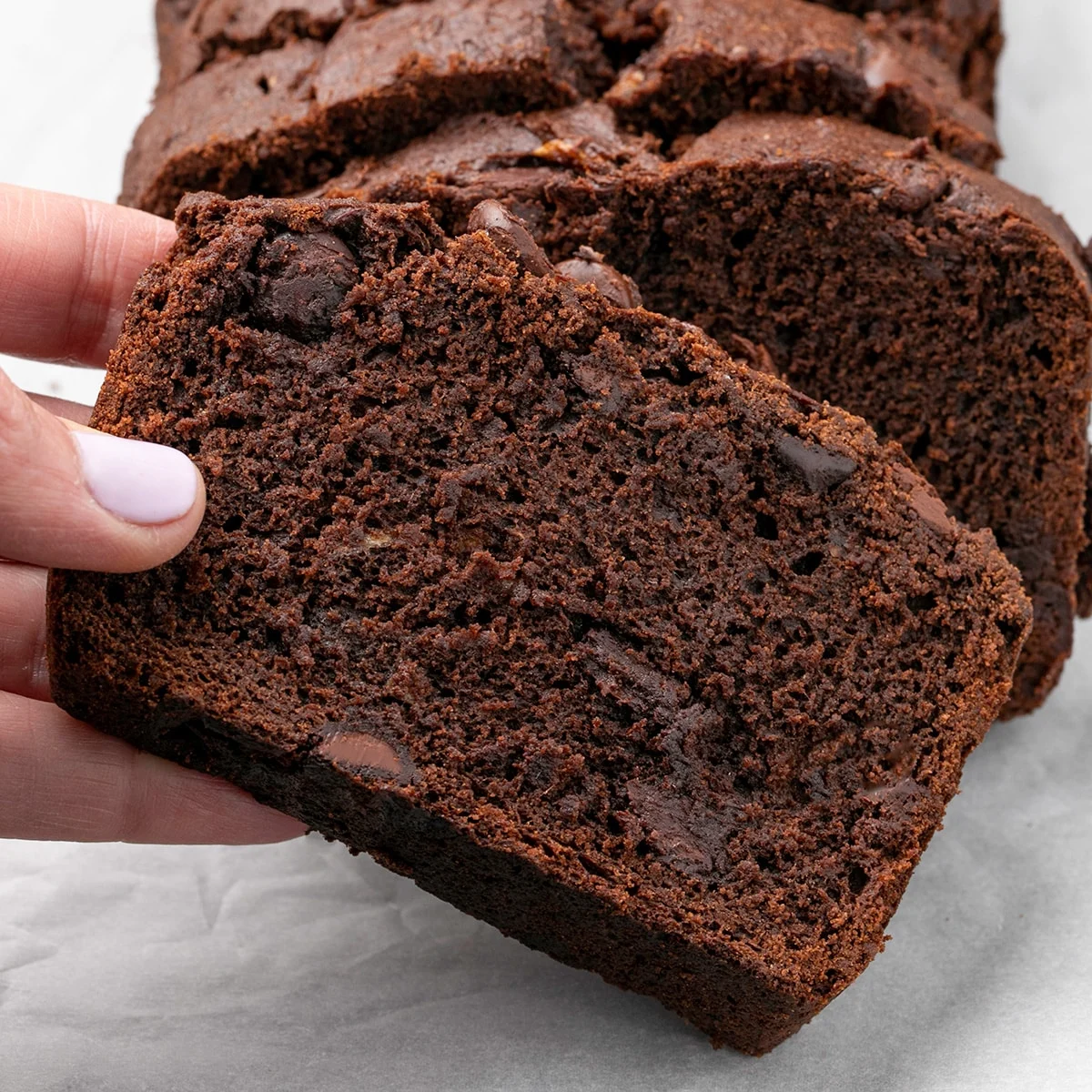
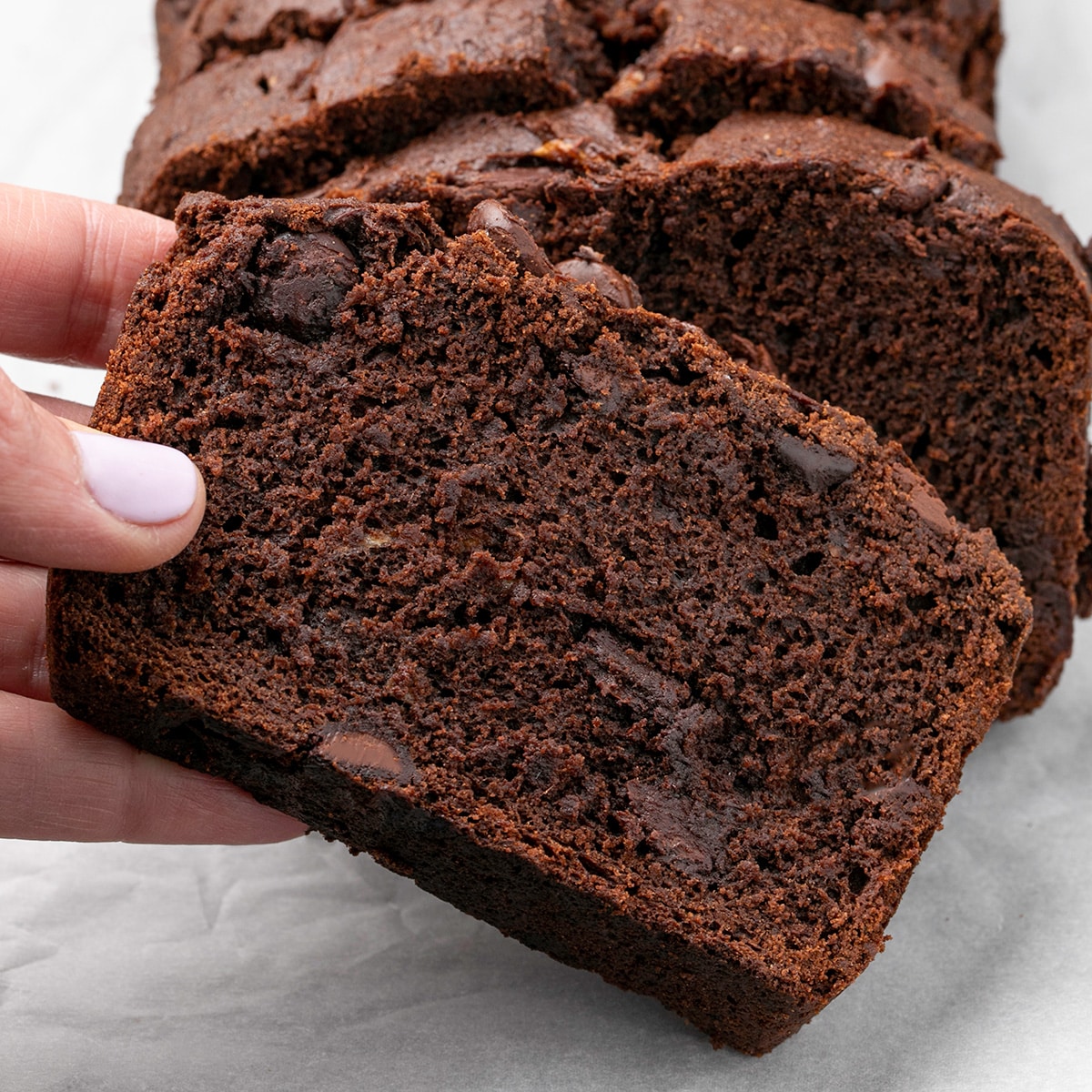
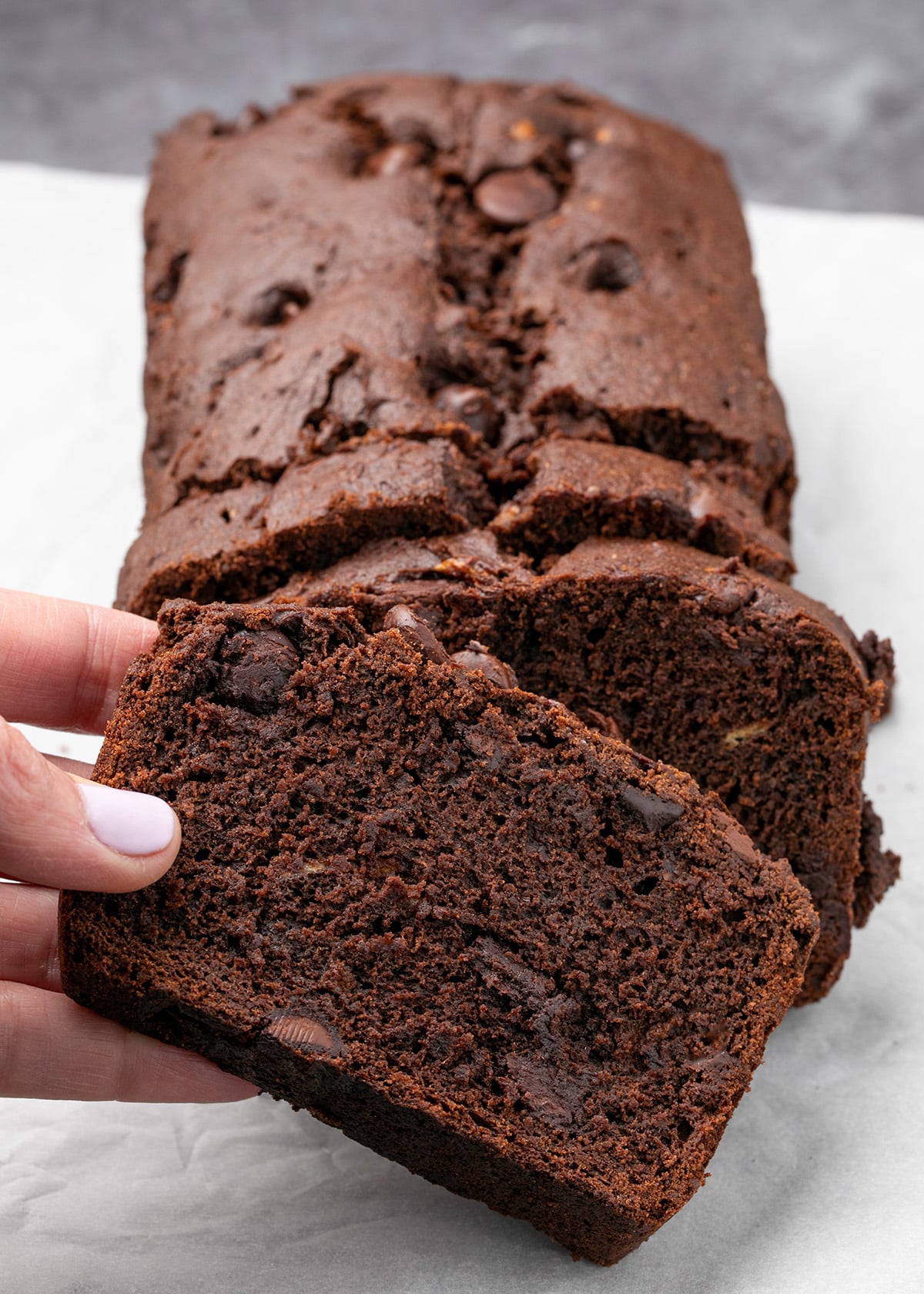
This gluten-free chocolate banana bread offers a decadent fusion of rich chocolate and ripe banana, delivering a soft, tender, and fudgy texture with an abundance of chocolate chips in every bite. Far from a simple modification of traditional banana bread, this recipe distinguishes itself through a sophisticated combination of cocoa powder and melted chocolate, which imbues the loaf with a profound chocolate essence and a satisfyingly dense crumb. The careful incorporation of mashed bananas into the wet ingredients ensures ample moisture, enriching the thick chocolate batter. To further enhance both flavor and texture, small chunks of banana and additional chocolate chips are folded in at the end, preventing the banana notes from being overshadowed by the dominant chocolate.
The Science Behind the Flavor and Texture
The success of this gluten-free chocolate banana bread lies in its strategic ingredient pairings and preparation methods. The use of both cocoa powder and melted chocolate is key to achieving a complex chocolate profile. Cocoa powder provides a foundational bitterness and deep color, while melted chocolate contributes richness and a smoother mouthfeel. This dual approach ensures that the chocolate flavor is not merely superficial but integrated throughout the loaf.
The role of ripe bananas extends beyond mere flavoring. When mashed and beaten into the wet ingredients, they release natural sugars and moisture. This inherent moisture is crucial in gluten-free baking, which can sometimes result in a drier texture. The bananas act as a natural humectant, helping to keep the bread tender and moist for an extended period. Furthermore, the recipe’s approach of beating the mashed bananas into the wet ingredients, rather than simply folding them in, ensures a more thorough emulsification and distribution of their moisture.
The addition of small banana chunks and chocolate chips in the final stage serves a dual purpose. Texturally, they provide delightful bursts of chewiness and meltiness against the soft crumb. Flavor-wise, these inclusions ensure that pockets of distinct banana and intense chocolate are present in every slice, offering a varied sensory experience with each bite. This contrasts with recipes where the banana flavor might become diluted or masked entirely by the chocolate.
Essential Ingredients and Their Roles
Crafting this gluten-free chocolate banana bread requires a specific set of ingredients, each contributing to the final outcome:
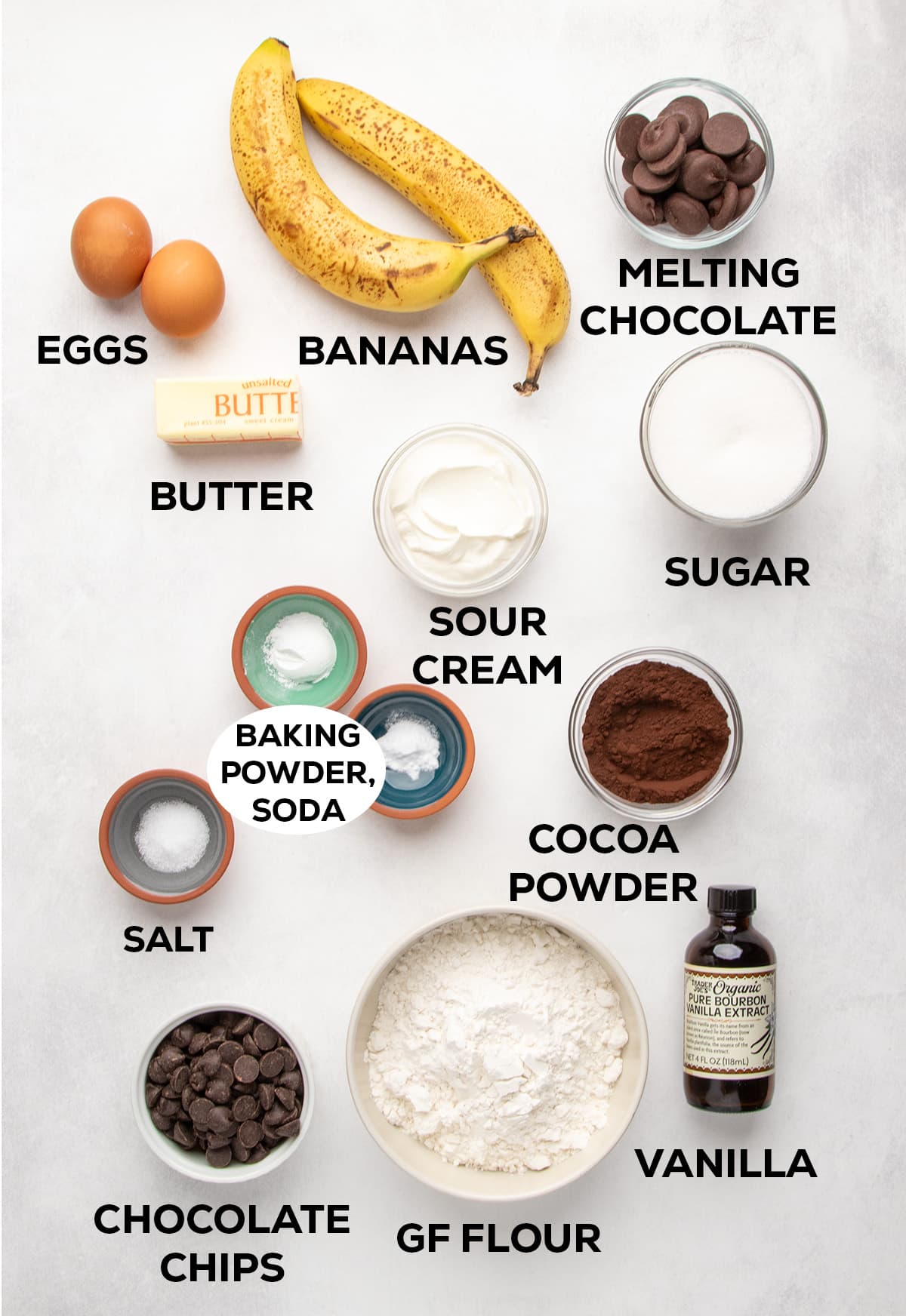
- Ripe Bananas: The foundation of the bread’s moisture, sweetness, and characteristic flavor. Overripe bananas, with their softened texture and heightened sugar content, are ideal.
- Cocoa Powder: Provides the deep chocolate flavor and contributes to the loaf’s rich color. Unsweetened cocoa powder is generally preferred for better control over sweetness.
- Melted Chocolate: Enhances the chocolate intensity and adds a fudgy richness. Dark or unsweetened melting chocolate, ideally with a high cacao butter content (around 65%), is recommended for optimal melting and integration.
- Gluten-Free Flour Blend: A high-quality blend containing xanthan gum is essential for structure and binding in the absence of gluten. Specific recommendations include Better Batter’s original blend (without added xanthan gum, requiring an additional ½ teaspoon if using), Nicole’s Best multipurpose blend, or Bob’s Red Mill 1-to-1 Gluten Free Baking Flour (with an additional ½ teaspoon xanthan gum).
- Sugar: Granulated sugar provides sweetness and contributes to the bread’s tender crumb.
- Eggs: Act as binders and leavening agents, contributing to the structure and richness of the loaf. The recipe notes that using two eggs can result in a taller loaf with improved structure and a cleaner slice compared to using just one.
- Sour Cream: Adds moisture, richness, and a subtle tang that balances the sweetness and chocolate. Plain Greek-style yogurt can be used as a substitute.
- Butter: Provides richness and tenderness. For dairy-free adaptations, a block-style vegan butter is recommended over tub varieties.
- Leavening Agents (Baking Powder and Baking Soda): Work together to provide lift and ensure a well-risen loaf. Baking soda, in particular, reacts with acidic ingredients to create carbon dioxide bubbles.
- Salt: Enhances all the other flavors in the bread, preventing it from tasting flat.
- Vanilla Extract: A classic flavor enhancer that complements both chocolate and banana.
Step-by-Step Creation: A Culinary Journey
The process of creating this gluten-free chocolate banana bread is designed for clarity and success:
- Melting the Chocolate: Unsweetened or dark melting chocolate is gently melted, typically in a microwave on reduced power in 30-second intervals, with stirring between each. This careful melting process ensures an emulsified, smooth consistency ready to be incorporated into the batter.
- Combining Dry Ingredients: In a separate bowl, cocoa powder, gluten-free flour blend (with xanthan gum if not already included), baking powder, baking soda, and salt are whisked together. This pre-mixing step is crucial as cocoa powder can be difficult to incorporate smoothly into wet ingredients, and this ensures even distribution.
- Beating Wet Ingredients: Mashed ripe bananas, granulated sugar, vanilla extract, sour cream, eggs, and the melted chocolate and butter mixture are combined in a large mixing bowl. A handheld or stand mixer is used to beat these ingredients until well incorporated. The objective here is to fully integrate the mashed bananas, allowing them to release their moisture effectively.
- Integrating Wet and Dry Components: The whisked dry ingredients are gradually added to the wet ingredients and beaten until a relatively smooth batter forms. The batter will be thick at this stage.
- Folding in Mix-Ins: Chocolate chips and approximately ¼ cup of chopped ripe bananas are carefully folded into the batter using a silicone spatula. The goal is to incorporate these additions without mashing the banana pieces, while also ensuring any dry ingredients clinging to the sides of the bowl are integrated.
- Preparing the Loaf Pan: The thick batter is transferred to a greased and lined standard loaf pan. A moist spatula is used to spread the batter into an even layer for uniform baking. A lengthwise score, about ¼ inch deep, is made down the center of the loaf. This scoring helps to control steam release during baking, promoting an even rise.
- Baking to Perfection: The loaf is baked on the center rack of a preheated oven at 350°F (175°C). After 30 minutes, the pan is rotated to ensure even browning. Baking continues for approximately another 25 minutes, or until the loaf is firm to the touch and a toothpick inserted into the center comes out clean. Due to the dark color of the bread, visual cues for doneness can be misleading, making the toothpick test essential.
- Cooling and Setting: The bread is allowed to cool in the pan for 10 minutes before being carefully lifted out by its liner and placed on a wire rack to cool completely. Removing the paper liner allows for adequate air circulation. The cooling process can take about 45 minutes, as the dense batter requires time for the starches to set. Slicing too early can lead to a collapsed loaf.
Expert Insights for Optimal Results
To elevate the gluten-free chocolate banana bread experience, several expert tips can be applied:
- The Egg Factor: While the recipe functions successfully with one egg, using two eggs is recommended for a loftier loaf with enhanced structure and a cleaner slicing experience. The additional egg also contributes to the bread’s moisture retention.
- Loaf Pan Selection: Light-colored, non-stick loaf pans, particularly those made of cast aluminum, are advised. Darker pans absorb more heat, increasing the risk of the bread’s exterior burning before the interior is fully cooked. This is especially pertinent for dark-colored baked goods where visual cues for doneness are less apparent.
- The Art of Banana Ripening: Naturally ripened bananas are paramount. While bananas can be hastened to ripen by placing them in a paper bag with an apple, oven-baking to ripen them is ineffective; it blackens the peel without developing the necessary sugars.
Addressing Dietary Needs: Substitutions and Adaptations
This recipe offers flexibility for those with specific dietary requirements:
- Egg-Free Adaptation: For an egg-free version, a "chia egg" (1 tablespoon ground white chia seeds mixed with 2 tablespoons lukewarm water, allowed to gel) can be substituted for each egg. Alternatively, given the recipe’s viability with one egg, a combination of 1 teaspoon xanthan gum plus 2 tablespoons of plain Greek yogurt can be used.
- Dairy-Free Adaptation: To make the bread dairy-free, substitute sour cream with a non-dairy sour cream alternative and use a block-style vegan butter (such as Melt or Miyoko’s Kitchen brands). Avoid vegan butter from tubs, as its higher oil content makes it unsuitable as a direct butter substitute.
Storage and Refreshment
Proper storage ensures the longevity and quality of the gluten-free chocolate banana bread. Stored tightly wrapped at room temperature, it remains fresh for two to three days. Refrigeration is discouraged, as it can dry out the bread. For longer preservation, individual slices can be wrapped and frozen for up to three months. To refresh frozen slices, they can be gently defrosted in a microwave on low power or at room temperature. A light sprinkle of lukewarm water followed by warming in a 300°F (150°C) toaster oven can restore their texture and warmth.
Frequently Asked Questions
Can I substitute milk for sour cream?
While milk cannot be directly substituted for sour cream in this recipe, plain Greek-style yogurt serves as an excellent alternative. If Greek yogurt is unavailable, regular plain yogurt can be strained in a fine-mesh sieve until it achieves a consistency similar to Greek yogurt or sour cream.
Why did my bread sink during cooling?
A common cause for baked goods sinking as they cool is insufficient baking. If the exterior cooks too quickly before the interior is fully set, the internal structure cannot support the loaf’s weight as it cools, leading to collapse. Using an oven thermometer to ensure accurate oven temperatures is recommended, as many ovens tend to run hotter than indicated.
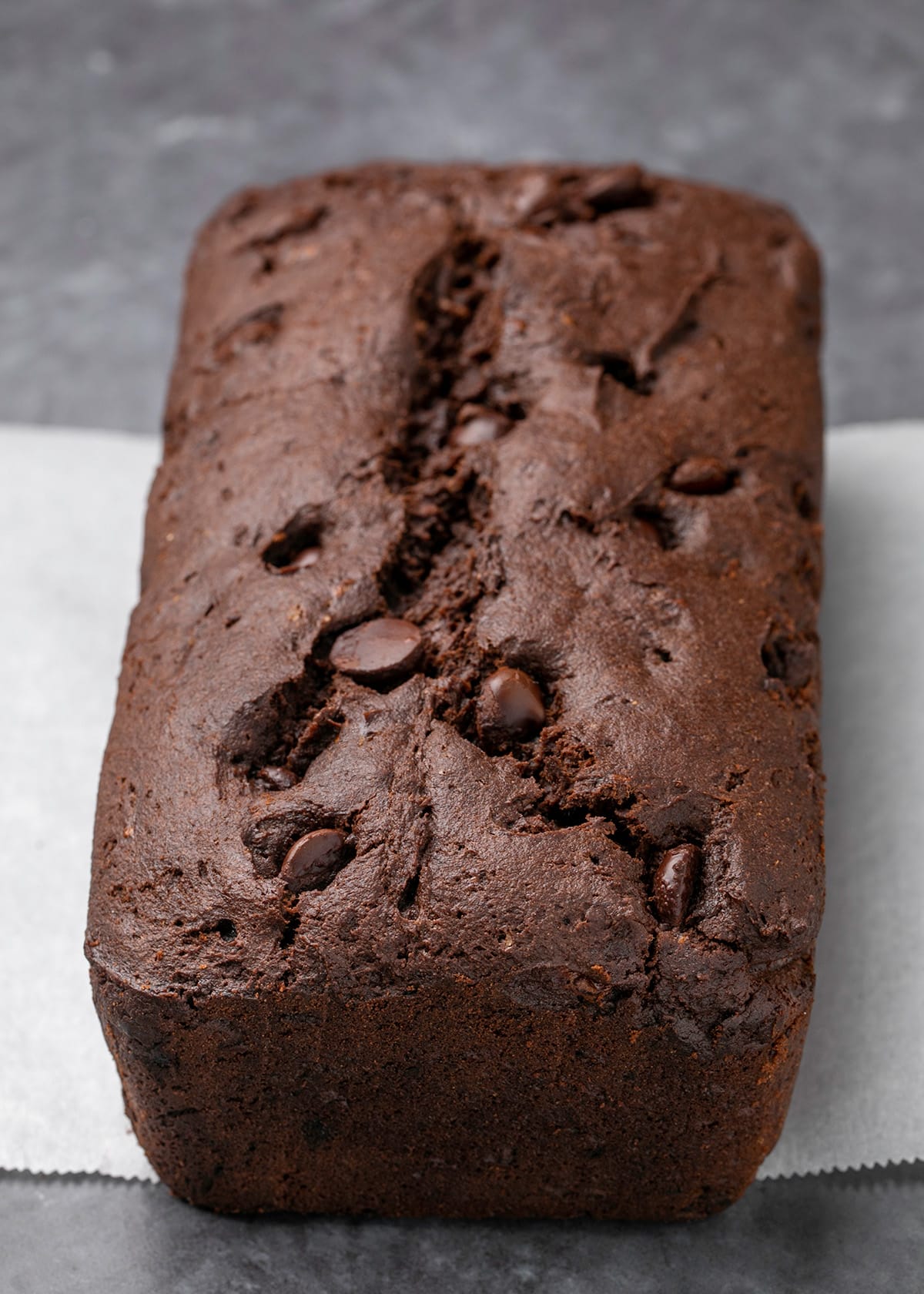
This meticulously crafted gluten-free chocolate banana bread stands as a testament to thoughtful recipe development, offering a deeply satisfying and accessible treat for those seeking decadent gluten-free indulgence.
