

The Finnish Long Drink, known domestically as "lonkero," represents a unique intersection of mid-century logistics, national heritage, and the modern global trend toward ready-to-drink (RTD) alcoholic beverages. Originally conceived as a temporary solution to a logistical challenge during the 1952 Summer Olympics in Helsinki, the blend of gin and grapefruit soda has evolved into Finland’s most popular category of alcoholic beverage. Today, what was once a localized cultural staple is undergoing a significant international expansion, capturing the attention of markets across Europe, Asia, and North America.
The 1952 Helsinki Olympics: A Catalyst for Innovation
To understand the prominence of the Finnish Long Drink, one must examine the socio-economic climate of post-war Finland. In 1952, Helsinki was preparing to host the Summer Olympics, an event seen as a symbol of the nation’s recovery and reintegration into the international community following the Second World War. With an estimated 4,925 athletes from 69 nations and tens of thousands of international spectators expected to descend upon the capital, the Finnish government faced a significant challenge: the nation’s service industry was not equipped to handle the sudden surge in demand for refreshments.
At the time, the sale of alcohol in Finland was strictly regulated by the state monopoly, Alko. To alleviate the pressure on bartenders and ensure efficient service in high-traffic venues, Alko commissioned the beverage company Hartwall to create a pre-mixed, bottled cocktail. The resulting product was the "Original Long Drink." While the 1952 Games are often remembered in academic circles for being the first Olympics where the Soviet Union participated and the last to exclude art competitions—preventing figures like Finnish poet Aale Tynni from defending previous medals—the enduring legacy for the general public was the birth of lonkero.
The drink was initially intended to be a seasonal offering, to be discontinued once the closing ceremonies concluded. However, the combination of crisp London Dry Gin and refreshing grapefruit soda proved so popular with the Finnish public that production continued, eventually cementing the drink as a permanent fixture of Finnish social life.
Product Profile and Sensory Characteristics
The traditional Finnish Long Drink typically maintains an alcohol by volume (ABV) of between 5% and 8%. While modern variations exist, the gold standard remains the gin-and-grapefruit profile established by Hartwall.
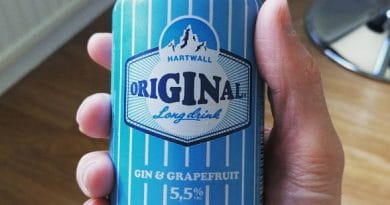
Technical analysis of the "Hartwall Original" reveals a sophisticated balance of flavors. The aroma is characterized by the bright, acidic notes of white grapefruit flesh. On the palate, the beverage is notably less saccharine than contemporary American fruit-flavored malt beverages. It begins with an acidic citrus punch, followed by the mid-palate emergence of gin botanicals. The presence of juniper provides a dry, crisp finish that mimics the experience of a high-quality Gin and Tonic but with a fuller citrus body.
In contrast, competitors such as Laitilan Gini Long Drink offer a different profile. Market reviews indicate that Laitilan’s version leans more heavily into the "ruby red" grapefruit spectrum, resulting in a sweeter, more juice-forward experience where the juniper notes of the gin are more subdued. This diversity within the category has allowed the "lonkero" name to expand from a single product into a broad classification of beverages, including naturally fermented versions and those using alternative spirits.
Chronology of Global Expansion
For decades, the Finnish Long Drink remained a well-kept secret, primarily consumed within the Nordic region. The 1970s saw a brief period where the original Hartwall recipe was discontinued, but it was reinstated following a massive wave of consumer nostalgia and demand. The true internationalization of the brand began in the mid-2010s, driven by a global shift in consumer preferences toward convenient, high-quality canned cocktails.
2015: European Market Entry
Hartwall initiated an aggressive export strategy, signing distribution agreements to place the Original Long Drink on shelves in the Netherlands, Sweden, and Belgium. This move targeted the "sophisticated RTD" segment, appealing to European consumers who were moving away from beer toward lighter, spirit-based alternatives.
2016: Asian Market Penetration
Recognizing the growing demand for premium European products in Asia, Hartwall expanded into Japan and other regional markets. The clean, minimalist branding of the Finnish product resonated with Japanese aesthetic preferences, and the flavor profile complemented the regional palate, which often favors citrus-based alcoholic refreshments.
2017–Present: The Cult Following and North American Arrival
Outside of official distribution channels, the drink inspired a cult-like following. Travelers returning from Finland frequently shared their experiences on platforms like TripAdvisor, highlighting "quirky bars" in places like Brighton, UK, that served the authentic beverage. This grassroots enthusiasm paved the way for the drink’s entry into the United States and Canada. In North America, the category has been bolstered by new brands founded by Finnish expats and entrepreneurs who have leveraged celebrity endorsements to introduce the "Finnish Long Drink" concept to a massive new audience.
The Chemistry of Recreation: The DIY Phenomenon
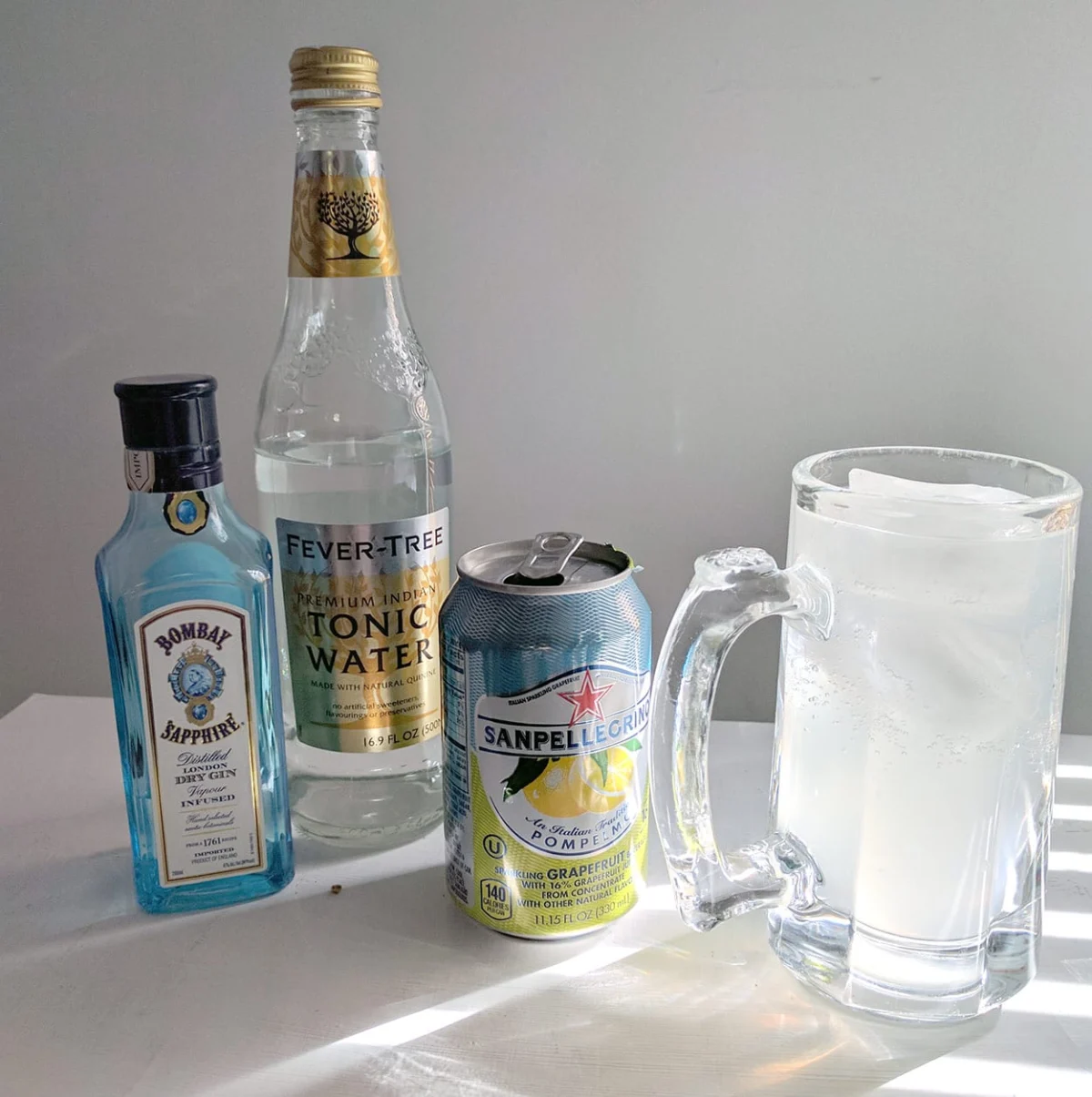
The scarcity of the authentic Finnish Long Drink in certain regions led to a significant "home-brew" or DIY movement among cocktail enthusiasts. Because the traditional drink relies on a specific type of grapefruit soda—one that is tart rather than overly sweet—reproducing it requires careful ingredient selection.
Market analysis of substitute ingredients in North America reveals several tiers of compatibility:
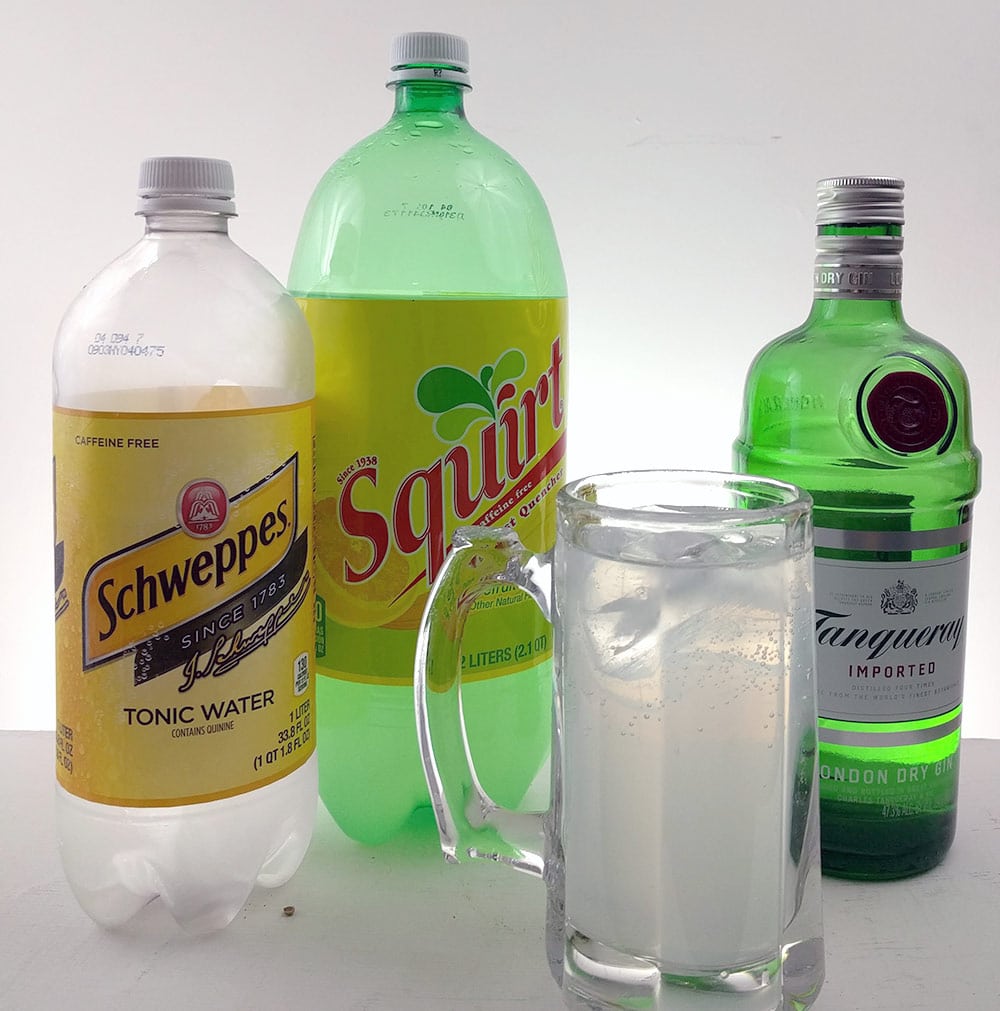
- The High-Sugar Substitutes: Early attempts often utilized common sodas like Squirt. However, consumer feedback generally indicates that the high sugar content in these sodas overpowers the gin, failing to replicate the dry, crisp finish of the Finnish original.
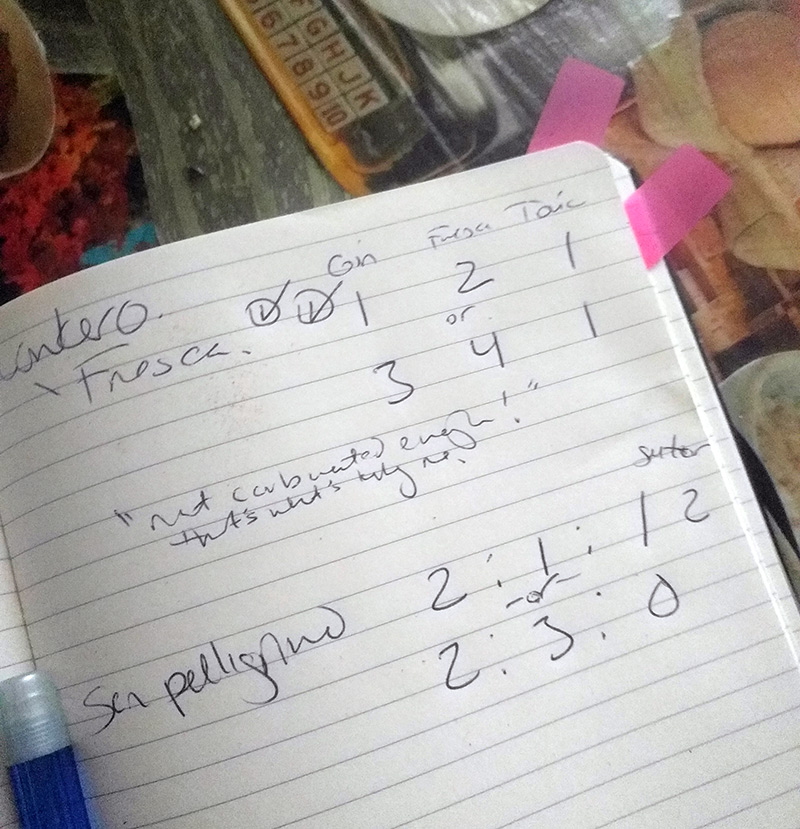
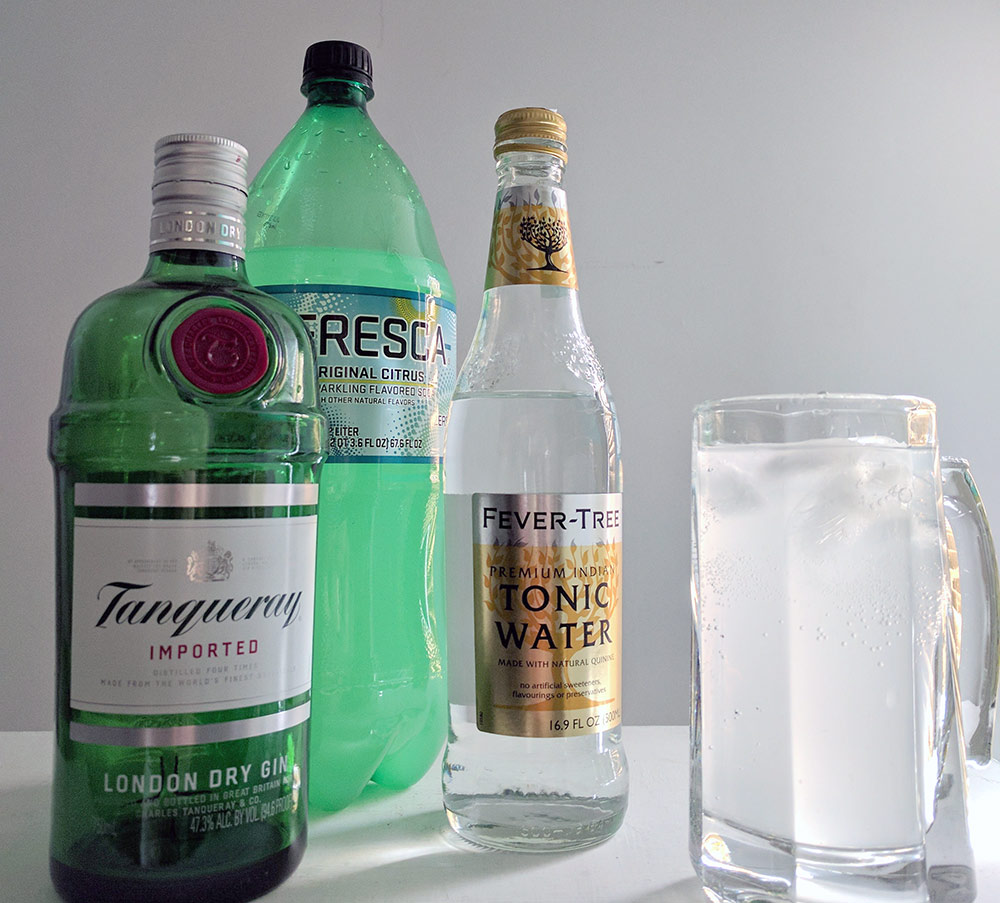
- The "Fresca" Method: Many enthusiasts have found that zero-calorie or low-sugar grapefruit sodas, such as Fresca, provide a closer approximation. The lack of heavy corn syrup allows the juniper and botanical notes of the gin (often Tanqueray or a similar London Dry) to remain prominent.
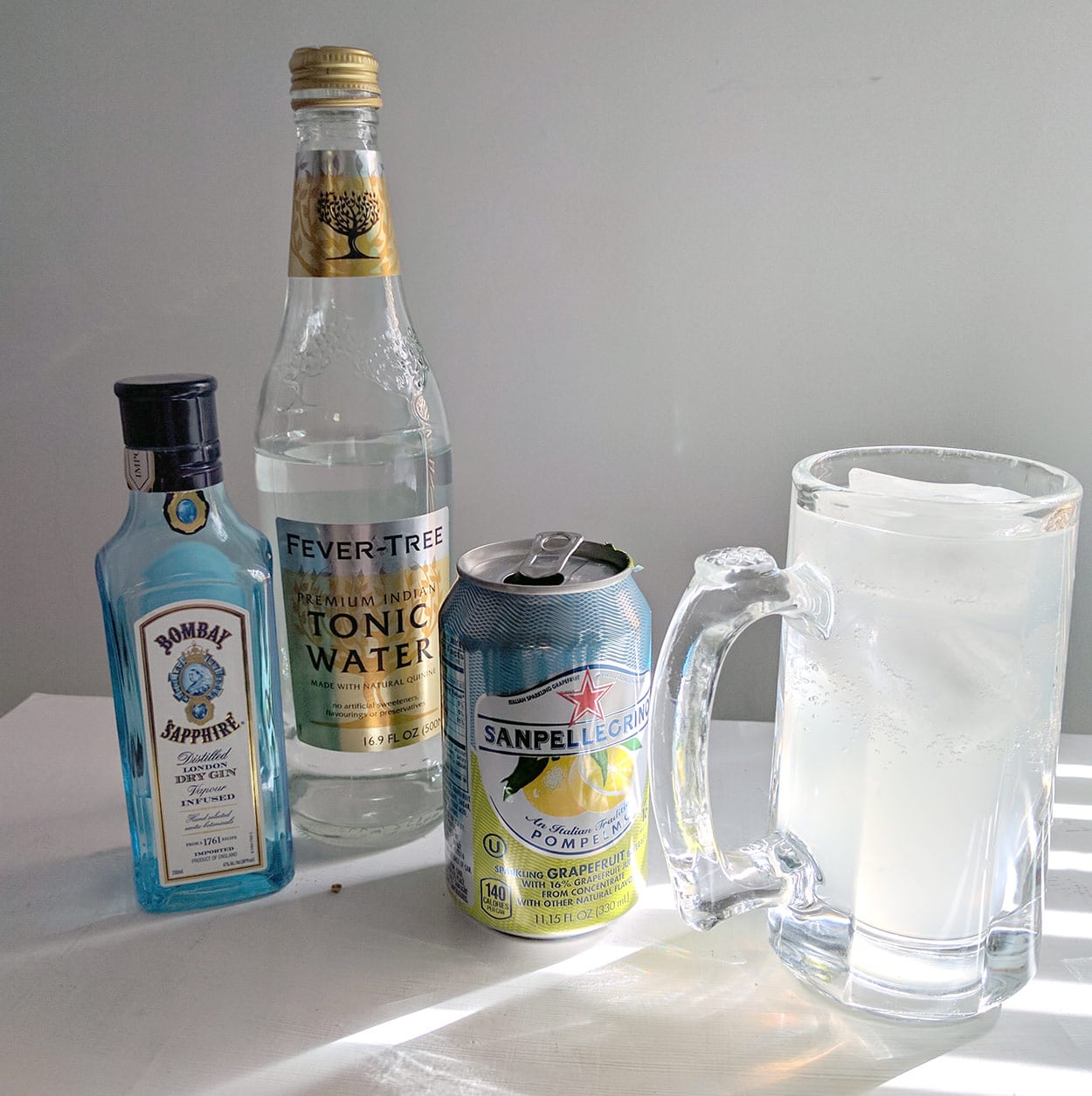
- The Artisanal Approach: Higher-end recreations involve the use of sparkling grapefruit juices (such as Izze) or Italian citrus sodas (such as San Pellegrino Pompelmo). While these offer a more "natural" flavor, they often deviate from the specific color and mouthfeel of the Helsinki original.
- Fresh Botanical Mixing: The most complex recreations involve fresh-squeezed white grapefruit juice, a splash of lemon for acidity, simple syrup, and a top-off of high-quality tonic water. This method, while delicious, is often viewed as a separate cocktail entirely, as it lacks the specific carbonation profile of the canned lonkero.
Economic Impact and Market Implications
The rise of the Finnish Long Drink coincides with the explosive growth of the global Ready-to-Drink (RTD) market. According to industry reports from IWSR Drinks Market Analysis, the RTD category is expected to grow by 12% in volume between 2022 and 2027. Finland’s lonkero is positioned as a "heritage brand" within this space, allowing it to command a premium price point compared to generic hard seltzers.
The economic implications for Finland are substantial. Exporting cultural heritage in a bottle has become a key component of the Finnish food and beverage export strategy. The "Original Long Drink" serves as a liquid ambassador, promoting Finnish design, efficiency, and the "sauna culture" with which the drink is so closely associated.
Furthermore, the success of lonkero has forced a re-evaluation of alcohol legislation in Finland. For years, the sale of stronger lonkeros was restricted to state-run Alko stores. However, recent legislative shifts have allowed for the sale of higher-ABV fermented beverages in grocery stores, reflecting the drink’s status as a staple of modern Finnish life rather than a specialty luxury item.
Broader Cultural Significance
Beyond the metrics of sales and exports, the Finnish Long Drink remains a symbol of national identity. It is the beverage of the Finnish summer, the traditional accompaniment to the post-sauna cool-down, and a reminder of a time when the world gathered in Helsinki to celebrate peace and athletic excellence.
As the beverage continues its journey across two continents, it carries with it the story of 1952—a story of a small nation innovating under pressure. Whether consumed from a can on a Finnish terrace or ordered in a trendy bar in Tokyo or New York, the Finnish Long Drink stands as a testament to the enduring appeal of a simple, well-executed idea. The transition from a temporary Olympic solution to a global beverage powerhouse highlights a fundamental truth in the spirits industry: authenticity and a strong origin story are as vital as the flavor profile itself.
For the international consumer, the arrival of the Finnish Long Drink offers more than just a new flavor; it offers a taste of Finnish history, refined over seven decades and finally ready for the global stage. As distribution networks continue to expand, the ubiquity that the author once found only in the saunas and restaurants of Finland is fast becoming a worldwide reality.
