

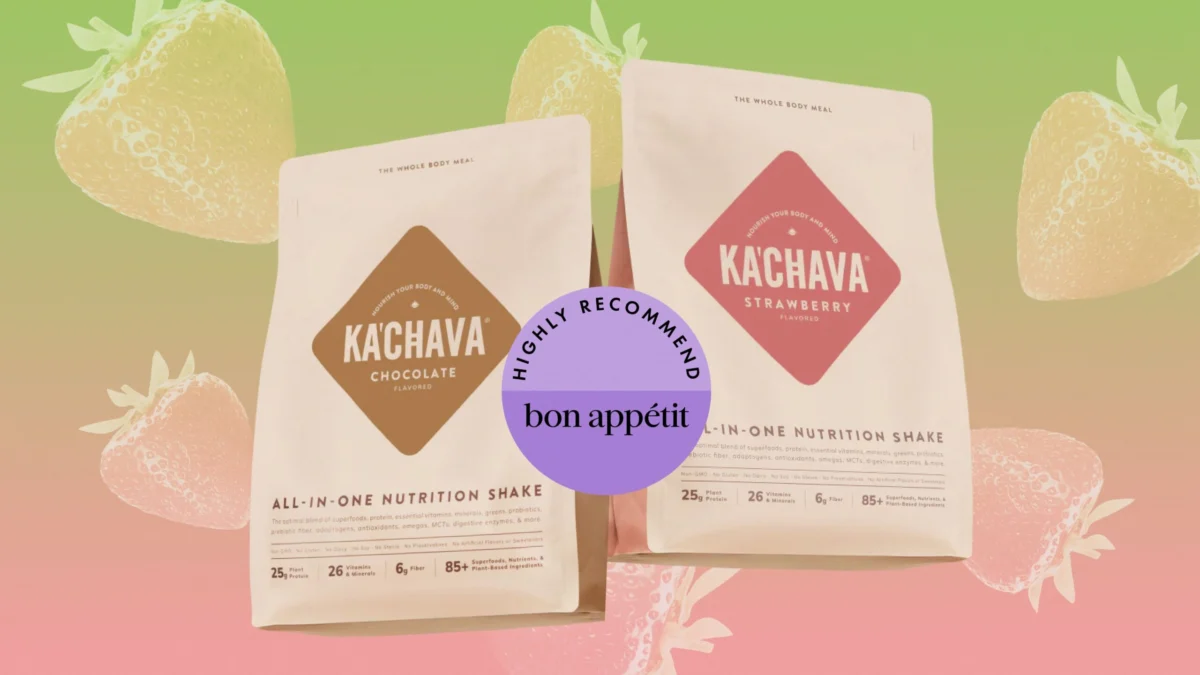
The demanding pace of modern life has increasingly challenged individuals to maintain consistent, nutritious eating habits, particularly during the critical morning hours. For many professionals and active individuals, the period between waking and commencing the workday is a race against the clock, often leaving little room for a balanced breakfast. This prevailing dynamic has fueled a significant demand for convenient, yet nutritionally robust, solutions. Among the burgeoning array of functional foods designed to address this challenge, comprehensive superblend shakes have emerged as a notable contender, exemplified by products like the Ka’Chava shake, which consolidates various dietary components into a single, easily prepared beverage. This category of products aims to bridge the gap between time constraints and nutritional requirements, offering a practical alternative to traditional morning meals.
The Modern Morning Rush: A Societal Context
The traditional image of a leisurely breakfast has largely faded for a significant portion of the global workforce. Surveys consistently indicate a trend towards shorter morning routines and an increased propensity to skip breakfast or opt for highly processed, less nutritious alternatives. According to a 2023 study by the International Food Information Council (IFIC), approximately 25% of American adults regularly skip breakfast, citing lack of time as the primary reason. For those who do eat, convenience often trumps nutritional density, leading to reliance on fast food, sugary cereals, or pre-packaged snacks that may lack essential micronutrients, fiber, and adequate protein.
This shift is not merely a matter of personal preference but is deeply intertwined with broader societal and economic trends. Longer commutes, increased work-life blur, and the pressures of early starts in competitive professional environments contribute to a compressed morning schedule. Furthermore, the growing awareness of health and wellness, coupled with fitness trends like early morning exercise, places additional demands on pre- and post-workout nutrition, further complicating the quest for efficient and effective dietary intake. Individuals engaging in morning physical activity, such as the reported routine of a 6 a.m. alarm followed by immediate movement without pre-workout sustenance, often face intense hunger post-exercise, exacerbating the need for rapid and nourishing recovery options before the workday begins.
Evolution of Breakfast and Functional Foods: A Chronology
The history of breakfast reflects societal changes, from agrarian societies where a hearty morning meal fueled manual labor, to the industrial era that saw the rise of convenient, mass-produced cereals. The mid-20th century introduced the concept of "instant" foods, further streamlining meal preparation. However, it was in the late 20th and early 21st centuries that the focus shifted from mere convenience to "functional foods"—products fortified with health-promoting additives beyond basic nutrition.
- Early 1900s: Introduction of ready-to-eat cereals, emphasizing convenience and shelf-stability.
- 1950s-1970s: Growth of processed foods and frozen meals, further reducing preparation time.
- 1980s-1990s: Emergence of the health food movement, with a focus on whole grains, natural ingredients, and low-fat options. Protein powders, initially niche products for bodybuilders, began to gain broader traction.
- 2000s: The rise of "superfoods" and increased consumer interest in nutrient density. The concept of meal replacement shakes gained popularity, though often criticized for lacking comprehensive nutrition.
- 2010s-Present: Acceleration of the plant-based movement, technological advancements in food processing, and a deeper understanding of gut health and adaptogens led to the development of sophisticated, all-in-one nutritional shakes. These products aim to offer not just protein, but a broad spectrum of vitamins, minerals, fiber, probiotics, and botanical extracts, signaling a significant evolution in the functional food landscape. Ka’Chava, introduced in 2014, is a representative example of this new generation of comprehensive nutrition blends.
The Rise of Plant-Based Protein and Superfoods: Supporting Data
The market for plant-based foods has experienced explosive growth in recent years. A report by MarketsandMarkets projected the global plant-based protein market to reach USD 17.4 billion by 2027, growing at a CAGR of 8.9% from 2022. This expansion is driven by various factors, including ethical considerations, environmental concerns, and perceived health benefits associated with reducing animal product consumption. Plant proteins like yellow pea and brown rice, which form the base of many superblend shakes, offer complete amino acid profiles when combined, making them excellent alternatives to traditional dairy-based proteins.

Beyond protein, the integration of "superfoods" and functional ingredients is a defining characteristic of these shakes.
- Fiber: Adequate fiber intake is crucial for digestive health, satiety, and blood sugar regulation. Many modern diets are deficient in fiber. Products incorporating flax, chia seeds, and various gums (acacia, xanthan, guar) contribute significantly to daily fiber goals and provide a desirable texture. The gelling properties of these ingredients are particularly noted for creating a more substantial, unctuous mouthfeel, distinguishing them from thinner, purely protein-based shakes.
- Greens and Antioxidants: Blends often include dehydrated forms of nutrient-dense greens (e.g., kale, spinach) and antioxidant-rich berries (e.g., acai, blueberries). Antioxidants combat oxidative stress, which is linked to various chronic diseases and accelerated aging.
- Probiotics: The importance of gut microbiome health is increasingly recognized. Probiotics, beneficial bacteria, are included to support digestion, nutrient absorption, and immune function.
- Adaptogens: Ingredients like adaptogenic mushrooms (e.g., reishi, cordyceps) are gaining traction for their potential to help the body manage stress and maintain homeostasis. While research is ongoing, consumer interest in these botanicals for holistic wellness is substantial.
The inclusion of these diverse components reflects a holistic approach to nutrition, moving beyond simple macronutrient provision to address broader health and wellness objectives.
Ka’Chava: A Case Study in Comprehensive Nutrition
Ka’Chava exemplifies the "all-in-one nutrition shake" concept by integrating a broad spectrum of ingredients designed to provide comprehensive nutritional support. Its formulation features a plant protein-based powder, combining yellow pea and brown rice protein for a complete amino acid profile. This is complemented by a blend of dehydrated non-dairy milks (coconut and oat), ensuring a dairy-free base suitable for a wider consumer base. The shake further incorporates fiber, a diverse array of greens, and probiotics, aligning with the growing scientific understanding of gut health and the importance of micronutrient diversity.
Preparation is deliberately straightforward: a serving is mixed with cold water in a blender bottle, eliminating the need for additional ingredients or specialized blending equipment. The inclusion of flax, chia, and various gums (acacia, xanthan, guar) is key to its unique texture. These ingredients, upon hydration, create a gel-like consistency that imparts a thickness often absent in simpler protein-and-water mixtures, contributing to a more satisfying and "meal-like" experience. Users often customize the preparation by adding ice for a colder, slightly more diluted beverage, showcasing the product’s versatility.
The product offers a variety of flavors, including popular choices like chocolate, vanilla, and strawberry, which are sweetened with natural alternatives such as coconut nectar and monk fruit extract. While some fruit-based flavors may exhibit slightly higher sweetness due to natural juice extracts, the overall aim is to provide palatable options without relying on artificial sweeteners. This approach differentiates Ka’Chava from many conventional protein powders, which are frequently criticized for their unpleasant taste or chalky texture when mixed solely with water, often requiring additional ingredients like fruit to mask their intrinsic qualities. The convenience of a subscription service, offering direct delivery and cost savings, further enhances its appeal for busy consumers.
While advertised as a meal replacement, individual experiences vary. Some users find a half-serving sufficient as a nourishing bridge between morning exercise and a later solid breakfast, highlighting its utility as a substantial snack or a complement to other foods. Its portability and ease of preparation have proven particularly beneficial in scenarios such as post-endurance events, where immediate, accessible nutrition is paramount for recovery. The adaptability of Ka’Chava to various consumption patterns—whether as a standalone drink, a pre-commute solution, or a post-workout recovery aid—underscores its functional versatility within a demanding daily schedule.
Expert Perspectives and Nutritional Considerations
Nutritionists and food scientists generally acknowledge the utility of high-quality meal replacement shakes in specific contexts. Dr. Elena Petrova, a registered dietitian specializing in sports nutrition, states, "For individuals with extremely tight schedules or specific dietary goals, a well-formulated superblend shake can be an excellent tool to ensure nutrient intake. They are particularly valuable post-workout for rapid protein and carbohydrate delivery, or as a stop-gap to prevent extreme hunger that might lead to less healthy choices."

However, experts also emphasize that such products should complement, rather than entirely replace, a diet rich in whole, unprocessed foods. "While convenient, no shake can fully replicate the complex matrix of nutrients, phytochemicals, and textures found in whole fruits, vegetables, and other natural foods," advises Dr. Marcus Thorne, a professor of food science. "The goal should be to integrate these shakes strategically, especially during peak busy times, while prioritizing varied whole foods whenever possible."
The plant-based nature of these shakes is often lauded. "Plant proteins offer numerous benefits, including lower saturated fat content and often a higher fiber profile compared to animal-based proteins," notes Dr. Anya Sharma, a nutritionist focusing on sustainable diets. "The combination of yellow pea and brown rice protein is a smart choice, providing a complete amino acid spectrum crucial for muscle repair and general bodily functions."
Regarding the inclusion of adaptogens and probiotics, Dr. Sharma adds, "While the evidence for some adaptogens is still evolving, the concept of supporting overall well-being through botanical extracts and gut-friendly ingredients aligns with current holistic health trends. Probiotics, in particular, have strong scientific backing for their role in digestive and immune health." However, consumers are advised to verify the specific strains and dosages of probiotics to ensure efficacy.
Implications for Consumer Health and the Food Industry
The proliferation of comprehensive superblend shakes like Ka’Chava carries significant implications. For consumers, these products offer a practical solution to dietary challenges posed by modern lifestyles, potentially improving overall nutrient intake, supporting fitness goals, and preventing reliance on less healthy fast-food options. The ease of preparation and portability make them ideal for mitigating the risks of "hangry commutes" and ensuring consistent nutrition even on the busiest days. However, consumers must exercise discernment, understanding that while these shakes are nutritionally dense, they are best utilized as part of a balanced diet that includes diverse whole foods.
For the food industry, the success of products like Ka’Chava signals a clear demand for innovation in the functional food sector. This trend encourages manufacturers to invest in research and development for:
- Novel Plant-Based Proteins: Exploring new sources of sustainable and complete plant proteins.
- Enhanced Bioavailability: Improving how nutrients from powdered forms are absorbed by the body.
- Taste and Texture Improvement: Overcoming common objections to the palatability of functional beverages.
- Personalized Nutrition: Future iterations may involve customization based on individual genetic profiles or health needs.
- Sustainable Sourcing: Emphasizing environmentally friendly and ethical sourcing of ingredients.
The shift towards plant-based, nutrient-dense, and convenient meal solutions represents a fundamental change in dietary habits. As global populations continue to urbanize and work schedules intensify, the market for "smart" nutrition that supports active, busy lifestyles is poised for sustained growth. The superblend shake, therefore, is not merely a transient fad but a significant marker of how consumers are adapting their dietary strategies to meet the demands of contemporary living. It underscores a broader societal commitment to health and wellness, even when time is a precious commodity.
