

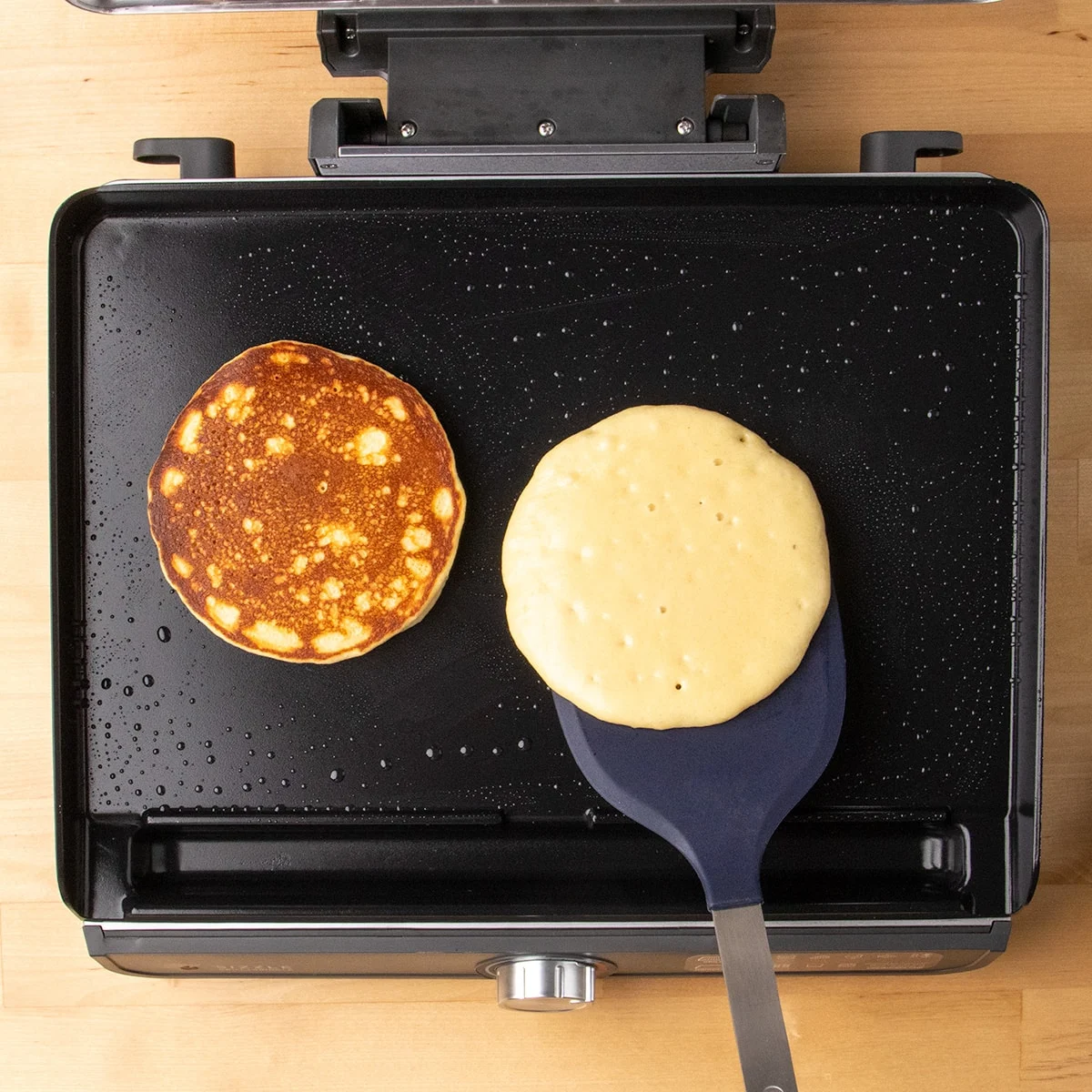
These lightly sweet Paleo pancakes, crafted from almond flour, offer a naturally high-protein start to your day. Enhanced with tapioca starch, they achieve a texture and taste remarkably similar to traditional pancakes, providing a satisfying and wholesome breakfast experience. Enjoy them drizzled with maple syrup or savored plain, and discover the ease of preparing your own Paleo-friendly baking powder for consistently fluffy results.
The Science Behind the Success
The effectiveness of this Paleo pancake recipe lies in its carefully balanced ingredients. The combination of almond flour and tapioca starch is crucial. Almond flour provides a rich, nutty base and a significant protein boost, contributing to satiety and sustained energy release. However, almond flour alone can sometimes result in a dense or crumbly texture. This is where tapioca starch plays a vital role. As a fine, starchy flour derived from the cassava root, tapioca starch adds a desirable chewiness and binding quality, helping to create a cohesive batter that fries up beautifully. It also contributes to the pancakes’ moistness and tenderness.
A common pitfall in almond flour baking is the tendency for the nutty flavor to dominate. This recipe skillfully navigates that challenge, ensuring that the final product closely mimics the flavor profile of conventional pancakes. The key is the precise ratio of ingredients and the preparation method, which allows the flours to meld harmoniously, minimizing any overt almond taste. Furthermore, these pancakes are noted for their excellent freezing capabilities, making them an ideal option for meal prep and busy mornings. Their filling nature ensures that a single serving can sustain energy levels throughout the morning.
Ingredient Breakdown: The Building Blocks of Flavor and Texture
The recipe calls for a specific set of ingredients, each contributing to the overall success of the pancakes:
- Almond Flour: The primary flour, providing protein, healthy fats, and a subtle nutty flavor. It’s important to use finely ground almond flour for optimal texture.
- Tapioca Starch: A crucial binder and texturizer, tapioca starch lends elasticity and a tender crumb to the pancakes.
- Paleo Baking Powder: Essential for leavening, ensuring a light and fluffy texture. A homemade Paleo-compliant version is provided for those strictly adhering to the diet.
- Salt: Enhances the overall flavor profile and balances the sweetness.
- Milk: Provides moisture and helps to create a smooth batter. Any non-dairy milk suitable for a Paleo diet can be used.
- Melted Coconut Oil: Adds richness and moisture, contributing to a tender crumb. It also aids in the browning process.
- Eggs: Act as a binder, providing structure and richness.
- Honey: A natural sweetener that is compliant with the Paleo diet, adding a delicate sweetness without being overpowering.
Crafting the Perfect Paleo Pancake: A Step-by-Step Guide
The preparation of these Paleo pancakes is straightforward, requiring attention to detail at each stage to ensure optimal results.
Step 1: Combining Dry Ingredients
Begin by combining the almond flour, tapioca starch, baking powder, and salt in a large mixing bowl. It is crucial to whisk these dry ingredients thoroughly. This even distribution is vital to prevent pockets of leavening agent or flavor, which can lead to uneven cooking or a bitter taste. Almond flour, in particular, contains a higher fat content that can cause it to clump. Whisking vigorously helps to break up these clumps, ensuring a uniform base for the batter.

Step 2: Incorporating Wet Ingredients
Once the dry ingredients are well combined, add the wet ingredients to the same bowl. This typically includes milk, melted coconut oil, eggs, and honey. Whisk everything together until a smooth batter forms. The consistency should be similar to heavy cream.
Step 3: Allowing the Batter to Rest
A brief resting period for the batter is a critical step often overlooked. Allowing the batter to sit for about 10 minutes while the griddle or pan heats up gives the flours time to absorb the moisture. This absorption process causes the batter to thicken slightly, leading to pancakes with a more desirable, slightly thicker consistency when cooked. If the batter is used immediately, the pancakes may turn out thinner than intended.
Step 4: Preheating the Cooking Surface
Preheating the griddle or skillet is paramount for achieving perfectly cooked pancakes. An electric griddle should be set between 325°F and 350°F (163°C and 177°C). For a stovetop skillet, medium heat is recommended. It is important to avoid overheating the surface. Almond flour’s high fat content makes it prone to burning quickly. Even with a non-stick surface, greasing it lightly with coconut oil or butter will aid in browning and prevent sticking, especially around the edges.
Step 5: Pouring the Batter
Using a ladle or a ¼-cup measuring cup, pour portions of the batter onto the prepared cooking surface. Aim for evenly sized pools to ensure consistent cooking times.
Step 6: Cooking and Flipping
Cook the pancakes until large bubbles begin to form on the surface and the edges appear set. At this stage, the pancakes will look flat and matte rather than shiny. This usually takes about 1.5 minutes. Then, carefully slide a wide, non-stick spatula underneath and flip the pancakes. Cook for an additional 30 seconds to one minute on the second side, or until both sides are golden brown and cooked through.
Step 7: Repeat and Keep Warm
After cooking the first batch, lightly re-grease the cooking surface and repeat the process with the remaining batter. To keep the cooked pancakes warm while you finish the batch, you can place them on a covered plate or transfer them to a baking sheet set in a preheated oven at 200°F (93°C).
Expert Tips for Paleo Pancake Perfection
Elevating your Paleo pancake game involves understanding a few key techniques and ingredient considerations.

Making the Dry Mix Ahead
To streamline your morning routine, the dry ingredients can be combined in advance. However, due to the high fat content of almond flour, it’s advisable to store this pre-mixed dry ingredient blend in the freezer or refrigerator to prevent it from going rancid. Before using, allow the mixture to come to room temperature, as cold almond flour can lead to clumping.
Precision in Measurement
As with all baking, accuracy is key. For flours like almond and tapioca starch, measuring by weight using a digital kitchen scale is the most precise method. This ensures consistent results, as the density of flours can vary.
The Importance of Finely Ground Almond Flour
The texture of your almond flour significantly impacts the final pancake. Opt for finely ground and sifted almond flour. This ensures it integrates smoothly into the batter, creating a tender crumb rather than a gritty texture. If your almond flour appears coarse, sifting it once or twice before measuring can improve its consistency.
Adapting the Recipe: Ingredient Substitutions
While the recipe is designed for optimal results, thoughtful substitutions can cater to various dietary needs and preferences.
Nut-Free Alternatives
For individuals with nut allergies, this recipe’s reliance on almond flour presents a challenge. A direct nut-free alternative is to prepare coconut flour pancakes, which are naturally free from nuts. For those who can tolerate other nuts or seeds, finely sifted and blanched hazelnut flour or sunflower seed flour can be experimental substitutes. It’s worth noting that sunflower seed flour may interact with baking soda in baking powder, potentially causing a slight green hue in the pancakes, though they remain safe to consume.
Egg-Free Variations
The eggs in the recipe can be replaced to accommodate an egg-free diet. For each egg, a "chia egg" (1 tablespoon chia seeds mixed with 3 tablespoons water, allowed to gel) can be used. Alternatively, for both eggs, a mixture of 2 tablespoons tapioca starch, ½ teaspoon additional baking powder, and 2 tablespoons of milk can be employed.
Fat Substitutions
Coconut oil, while integral to the recipe’s flavor and texture, can be substituted. Shortening is a viable alternative. For those who consume dairy, butter can also be used.

Tapioca Starch Replacements
Tapioca starch is a unique ingredient that provides specific textural properties. While difficult to perfectly replicate, arrowroot starch is a close substitute and is also Paleo-compliant. If strict Paleo adherence is not a concern, superfine sweet white rice flour (also known as glutinous rice flour) can be used.
Storage and Make-Ahead Strategies
These Paleo pancakes are remarkably freezer-friendly, making them an excellent candidate for batch cooking. After allowing the pancakes to cool completely, wrap individual portions tightly in freezer-safe wrap and store them in the freezer.
To reheat frozen pancakes, unwrap them, separate the individual pancakes, and place them in a toaster oven. Cook at approximately 300°F (150°C) for 1 to 2 minutes, or until warmed through. This method helps to retain their texture and prevent them from becoming soggy.
Understanding Paleo Baking Powder
For those adhering strictly to the Paleo diet, the composition of conventional baking powder is a consideration. Many commercial baking powders contain cornstarch, which, while often gluten-free, may not be ideal for strict Paleo adherence. For such individuals, a homemade Paleo baking powder can be easily prepared. This involves combining ½ teaspoon of baking soda, 1 teaspoon of cream of tartar, and ¼ teaspoon of arrowroot or tapioca starch. This mixture provides the necessary leavening power without non-compliant ingredients. If the presence of cornstarch is not a concern, standard gluten-free baking powder can be used.
Nutritional Considerations
A single serving of these Paleo pancakes (approximately one pancake) provides roughly 215 calories, 16g of carbohydrates, 7g of protein, and 15g of fat. The nutritional profile highlights their value as a protein-rich breakfast option.
Frequently Asked Questions
Is maple syrup Paleo?
Yes, pure maple syrup is considered compliant with the Paleo diet. Like honey, it is a natural, unrefined sugar.
Can almond meal be used instead of almond flour?
No, almond meal, which is made from coarsely ground almonds including their skins, will not yield the same results. Its coarser texture prevents proper integration with other ingredients, leading to an unpleasant grittiness in the finished pancakes.

Pan vs. Griddle for Cooking?
An electric griddle is often preferred for its even heat distribution and larger cooking surface, allowing for multiple pancakes to be cooked simultaneously and making flipping easier. Its controllable temperature is also beneficial for preventing almond flour from burning.
How to Prevent Burning?
Maintaining a moderate cooking temperature is key. For electric griddles, keeping the heat at or below 350°F (177°C) is recommended. Allowing the batter to set sufficiently before flipping also helps to ensure even cooking and prevent premature burning.
Why are my Paleo pancakes flat?
Flat Paleo pancakes can result from several factors, including incorrect flour measurement (especially if not weighed), the use of almond meal instead of finely ground almond flour, or an improperly mixed batter. Ensuring the batter is cohesive and the correct ingredients are used is crucial for achieving fluffy pancakes.
