

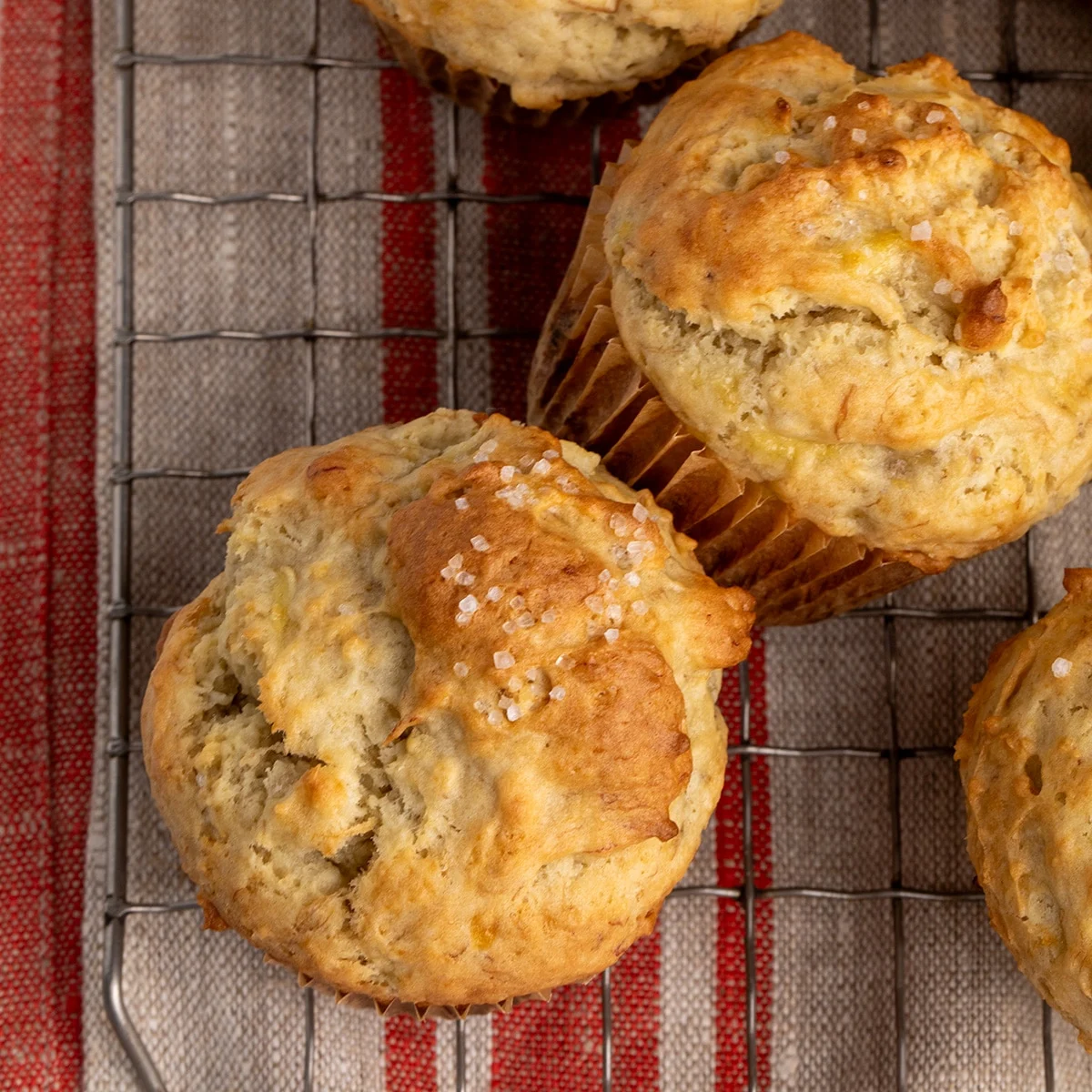
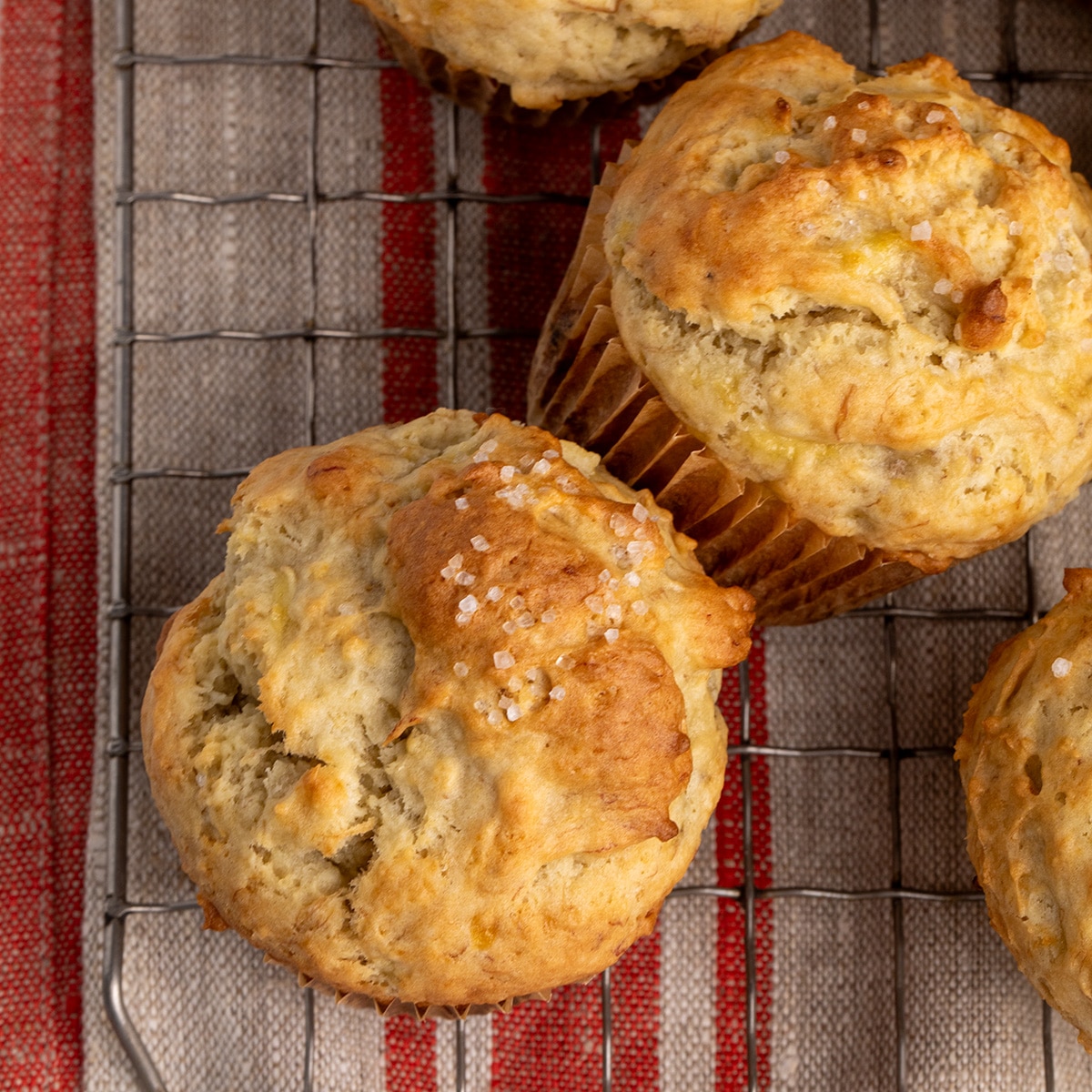
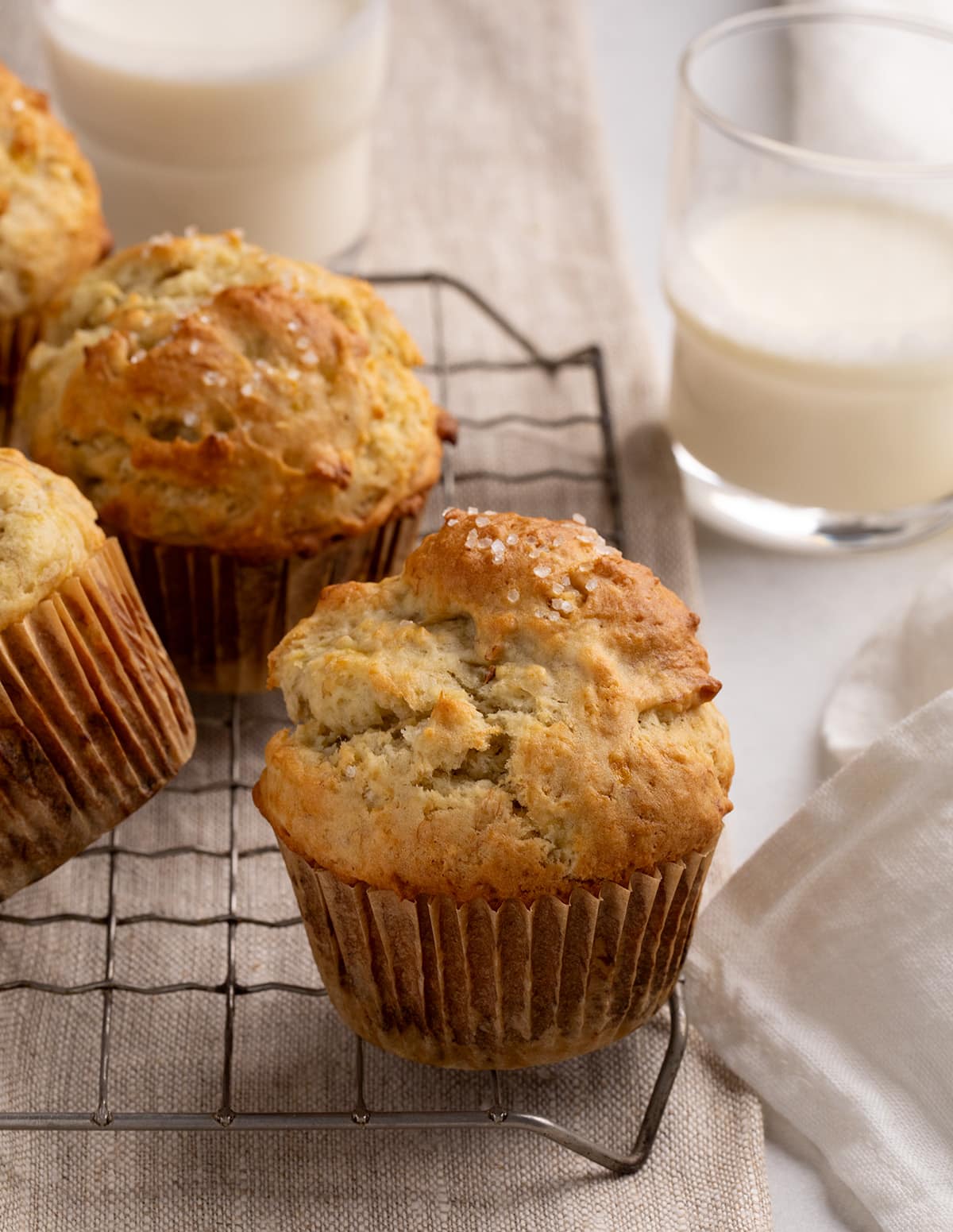
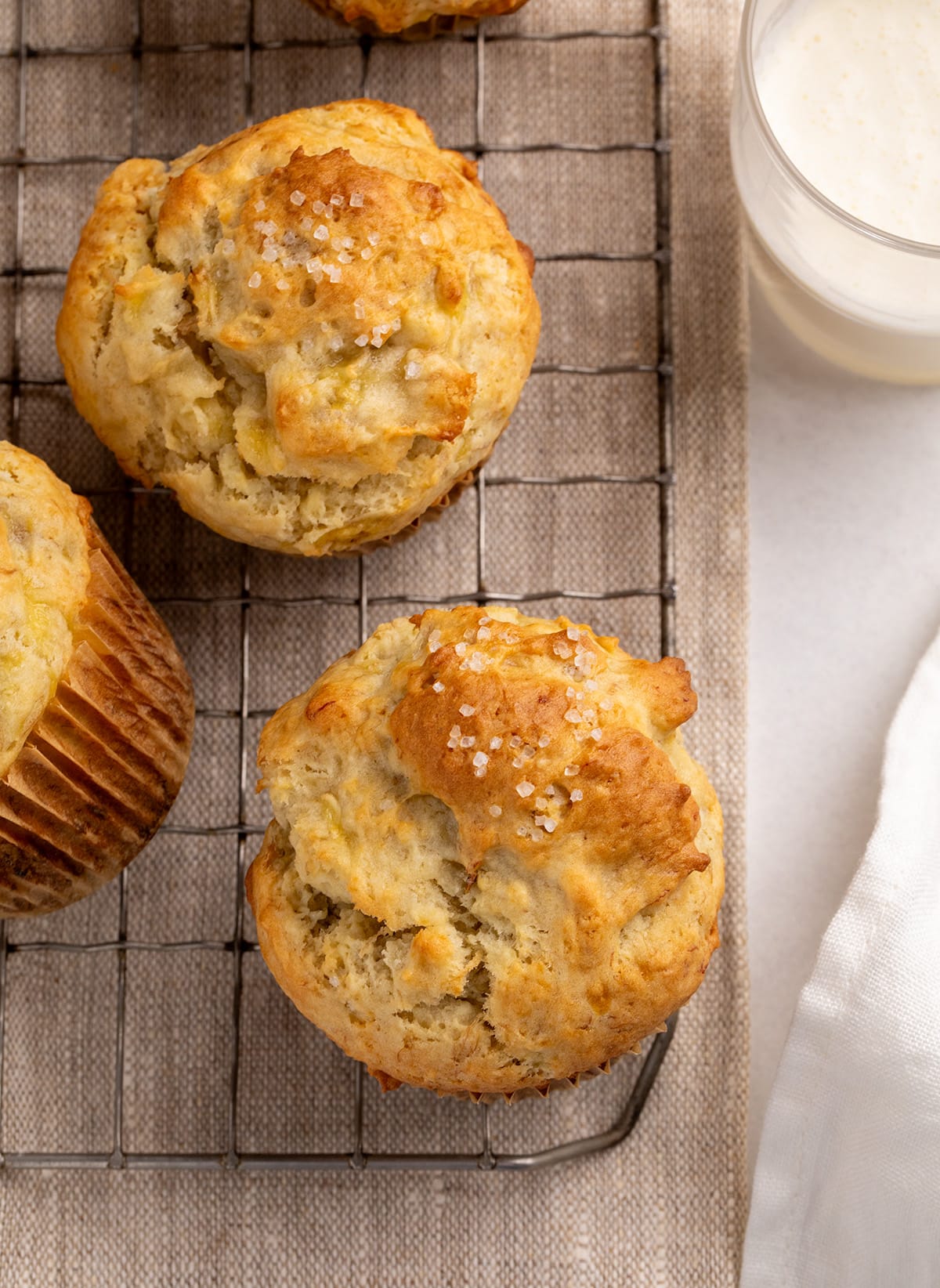
The quest for the perfect gluten-free banana muffin often leads to disappointment, with many recipes falling short of the moist, fluffy texture and deep banana flavor expected from their traditional counterparts. However, a meticulously developed recipe promises to deliver on all fronts, even with the significant inclusion of nearly two cups of mashed banana. This recipe achieves tall, golden-brown muffins boasting an intense banana essence and a tender crumb that remarkably avoids any hint of heaviness or gumminess, a common pitfall in gluten-free baking.
The Science Behind the Success
The efficacy of this recipe lies in a careful balancing act of ingredients and technique. A generous 1 ¾ cups of mashed ripe bananas form the flavor core, but their integration is managed to preserve the delicate crumb structure. The mashed bananas are introduced last, gently folded into the batter after most of the wet and dry ingredients have been combined. This method minimizes the release of excess moisture from the bananas, a primary culprit behind gummy textures.
Furthermore, the choice of fats plays a crucial role. A combination of melted butter and oil provides both rich flavor and essential moisture, contributing to the muffins’ enduring tenderness. The baking process itself is a two-stage affair designed to promote optimal rise and doneness. Muffins are initially baked at a very high temperature (425°F) for the first five minutes. This intense heat encourages rapid leavening, pushing the batter upwards to create those desirable tall, domed tops and setting the outer crust. Subsequently, the oven temperature is reduced to 350°F, allowing the interiors to bake through thoroughly without the risk of burning the exterior.
Key Ingredients and Their Roles
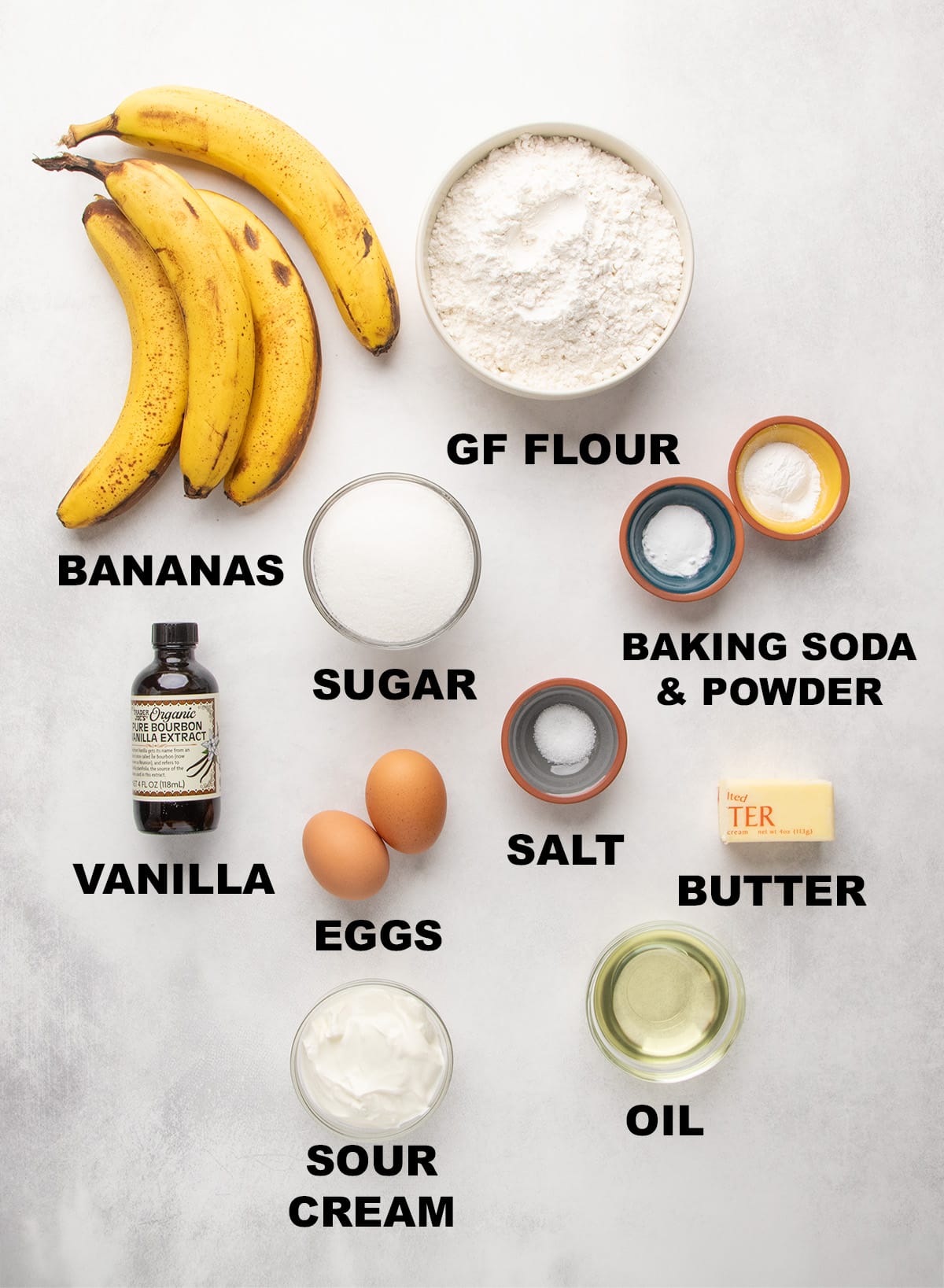
The success of these gluten-free banana muffins is underpinned by a thoughtful selection of ingredients:
- Ripe Bananas: The star ingredient, providing natural sweetness, moisture, and a profound banana flavor. The riper the banana, the more intense the flavor and sweetness.
- Gluten-Free Flour Blend: A carefully chosen blend is critical for texture. Recommendations often include Better Batter’s original blend (without added xanthan gum), Nicole’s Best multipurpose blend (with 1 ⅓ teaspoons added xanthan gum), or Bob’s Red Mill 1-to-1 Gluten Free Baking Flour (with an additional ¼ teaspoon xanthan gum). The xanthan gum acts as a binder, crucial in gluten-free baking to replicate the elasticity that gluten provides.
- Sugar: Granulated sugar contributes to sweetness, aids in browning, and contributes to the tender texture.
- Baking Powder and Baking Soda: These leavening agents work in tandem, with the baking soda activated by acidic components (like sour cream) and the baking powder providing a double-acting lift. The initial high heat from the oven maximizes their effect.
- Salt: Enhances the overall flavor profile and balances the sweetness.
- Melted Butter and Oil: As mentioned, this combination delivers both richness and sustained moisture. Using a neutral oil like vegetable or canola is common, while virgin coconut oil can be used for a dairy-free option, though it may impart a subtle coconut flavor.
- Sour Cream: Adds moisture, richness, and a slight tang that complements the banana flavor. It also contributes to the tender crumb.
- Eggs: Provide structure, binding, and richness.
- Vanilla Extract: Enhances the sweet and fruity notes of the banana.
The Baking Process: A Step-by-Step Guide
The preparation of these gluten-free banana muffins is designed for simplicity and effectiveness:
- Dry Ingredients Integration: In a large mixing bowl, gluten-free flour blend, xanthan gum (if required by the blend), baking powder, baking soda, salt, and sugar are whisked together. This ensures even distribution of leavening agents and prevents clumps.
- Wet Ingredients Incorporation: A well is created in the center of the dry ingredients. Melted butter, oil, eggs, sour cream, and vanilla extract are added to this well. The wet ingredients are then mixed within the well before gradually incorporating the dry ingredients. This approach simplifies the process by avoiding a separate bowl for wet ingredients.
- Initial Batter Formation: Mixing continues until the wet and dry ingredients are partially combined. The batter will likely be quite thick at this stage, indicating that further moisture will be introduced.
- Gentle Folding of Bananas: All of the mashed ripe bananas are added to the thickened batter. A spatula is used to gently fold them in until just combined. This is a critical step to avoid overmixing, which could lead to a gummy texture. The batter will loosen considerably as the bananas are incorporated.
- Batter Portioning: For optimal rise and height, it is recommended to fill every other muffin cup. This provides ample space for the muffins to expand without touching and crowding each other. Each liner is filled to the very top with batter to encourage a pronounced dome.
- Two-Stage Baking: The muffins are first baked at a high temperature of 425°F for 5 minutes. This initial blast of heat triggers rapid leavening. Immediately following, the oven temperature is reduced to 350°F and baking continues for approximately 15 more minutes, or until the tops spring back when gently pressed and the muffins are a golden brown hue.
- Cooling: Muffins are allowed to cool in the tin for a brief 5 minutes before being transferred to a wire rack to finish cooling completely. This prevents the bottoms from becoming soggy due to trapped steam.
Expert Tips for Superior Muffins
Achieving bakery-quality gluten-free banana muffins involves a few key considerations:
- Maximizing Muffin Height: The two-stage baking process is paramount. Starting at a high temperature (425°F) for the initial five minutes provides the necessary oven spring. Baking in every other muffin cup also allows for unimpeded expansion, contributing to taller muffins.
- Prompt Removal from Tin: To prevent a chewy, steamed exterior, baked muffins should be removed from the muffin tin within five minutes of coming out of the oven. Continued exposure to the residual heat in the tin can negatively impact texture.
Navigating Dietary Modifications
The recipe is adaptable for various dietary needs:
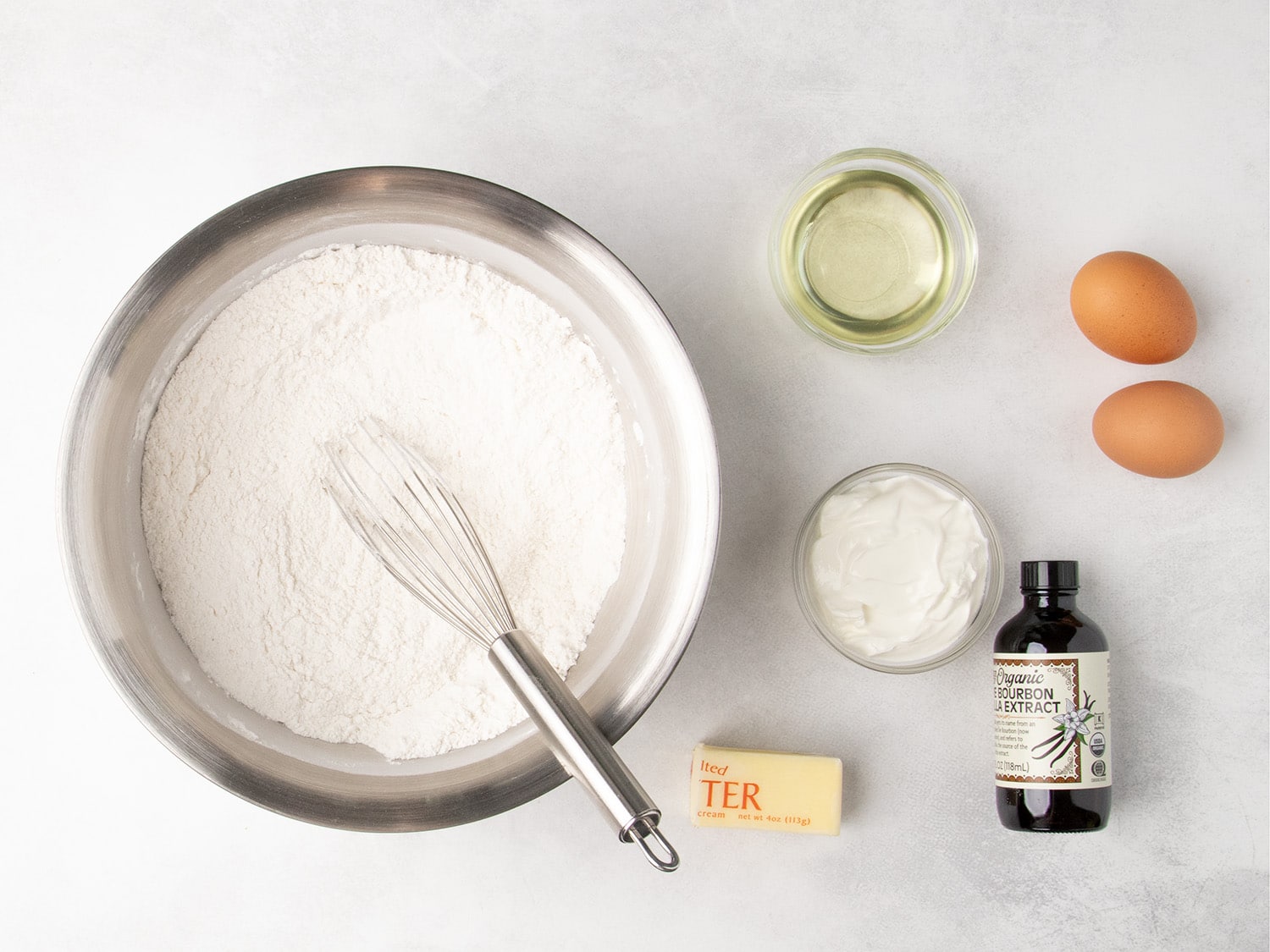
- Dairy-Free: Butter can be substituted with melted and cooled virgin coconut oil (triple-filtered is recommended to avoid coconut flavor). For the sour cream, a dairy-free sour cream alternative or strained dairy-free plain yogurt (to achieve a Greek-style consistency) can be used.
- Egg-Free: Two eggs can be replaced with chia eggs (1 tablespoon ground chia seeds mixed with 2 tablespoons water, allowed to gel), a commercial egg replacer like Bob’s Red Mill, or a refrigerated liquid egg substitute such as "Just Egg."
Storage and Longevity
Proper storage ensures these muffins remain delicious:
- Room Temperature Storage: Once completely cooled, store muffins in an airtight container at room temperature for up to five days.
- Refreshing Stale Muffins: A slightly dry muffin can be revived by briefly running it under cold water and warming it in a toaster oven at 300°F for a couple of minutes.
- Freezing for Longer Storage: For extended preservation, cool muffins completely, place them on a baking sheet until solid, then transfer to a zip-top bag. They can be stored in the freezer for up to two months. Thaw at room temperature or microwave for 25 seconds. Reheating in a low toaster oven is recommended for the best texture.
Nutritional Considerations
A typical serving of these gluten-free banana muffins contains approximately 234 calories, 37g of carbohydrates, 2g of protein, and 8g of fat. This nutritional profile makes them a satisfying option for breakfast or a snack, with a moderate amount of sugar derived largely from the natural sweetness of the bananas.
Frequently Asked Questions
- Can frozen bananas be used? Yes, provided they are fully thawed. The liquid released during thawing should be included in the batter to maintain the correct moisture balance.
- Why did my muffins sink? Sinking typically indicates underbaking. The exterior may appear done, but the interior remains raw, often due to an oven that runs too hot. Using an oven thermometer and baking until the centers spring back is crucial.
- Can this recipe be used for mini muffins? Absolutely. A 24-cup mini muffin tin can be used, filling each well to the top. Baking time will be shorter, with doneness checked starting around 15 minutes, and baking at a consistent 350°F from the start.
- Are additions like chocolate chips or nuts possible? Yes, up to ½ cup of chocolate chips or 2-3 ounces of chopped nuts (such as walnuts or pecans) can be added. For a spiced variation, 1 teaspoon of ground cinnamon can be mixed with the dry ingredients.
The development of this gluten-free banana muffin recipe represents a significant advancement in accessible and delicious gluten-free baking, offering a reliable solution for those seeking the comforting taste and texture of classic banana muffins without gluten.
