

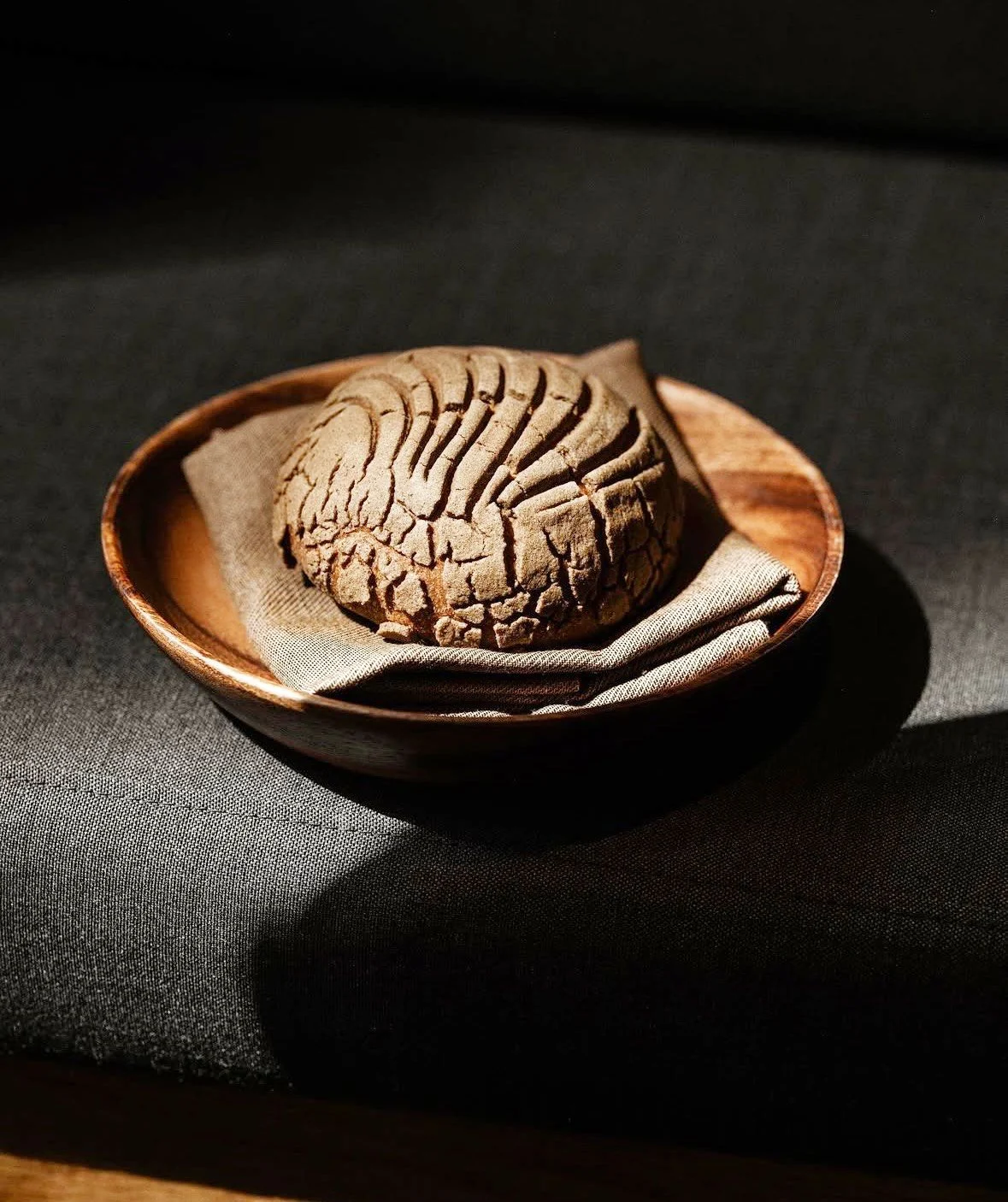
In a vibrant culinary landscape increasingly defined by cultural fusion and innovative reinterpretations, the humble concha—a traditional Mexican sweet bread characterized by its distinctive shell-like sugar topping—is undergoing a profound transformation, rising from its foundational role in panaderías to become a celebrated star of contemporary American gastronomy. This sweet resurgence is not merely a passing trend but a powerful movement driven by a new generation of bakers who are meticulously honoring their heritage while boldly pushing the boundaries of flavor and technique.
A Sweet Surge Across the Nation
The story of the concha’s ascent is vividly embodied by figures like Mariela Camacho, the eldest daughter of Mexican immigrant parents. In 2017, while baking sourdough loaves for Seattle coffee shops, Camacho felt a compelling pull to reconnect with her roots, specifically to master the art of baking conchas. Despite her family’s culinary prowess, baking was uncharted territory, leaving her to embark on a self-taught journey into the intricate world of these catcher’s-mitt-sized buns. "My family cooks, but they don’t bake, so I had to figure it out myself," she recalls, reflecting on a time when conchas had yet to capture mainstream attention. "Nine years ago conchas were not cool, so I had to basically teach myself."
Today, Camacho is at the forefront of this culinary revolution. Her bright pink shop in Austin, Texas, Comadre Panadería, is a testament to her vision, where she bakes an array of colorful conchas infused with modern, sophisticated flavors. Earl Grey and vanilla, hot chocolate with saffron and guajillo, and brown butter lavender are just a few examples of her imaginative creations, transforming a traditional staple into an exquisite gourmet experience.
Camacho’s journey is mirrored by a growing wave of pastry chefs and bakeries across the United States. Contemporary conchas are now prominently featured in diverse culinary hubs: Vato and Cosme in New York City offer refined versions, while Santa Canela and My Panecito champion the sweet bread in Los Angeles. Even in unexpected locales like Randolph, Vermont, Atla’s Conchas is making its mark. The widespread recognition reached a notable peak during the recent Super Bowl, when Popeyes, the fast-food giant, unveiled a Tequila Don Julio–flavored concha chicken sandwich, a clear indicator of the pastry’s burgeoning mainstream appeal and adaptability.
Perhaps the most symbolic moment illustrating the concha’s elevated status occurred in February at La Rue Doughnuts, a French bakery in Dallas. Owner Amy La Rue, recognizing the cultural tapestry within her largely Mexican staff, ingeniously fused the classic French croissant with the Mexican concha, birthing the "croncha." This innovative pastry, featuring croissant layers crowned with a concha topping, ignited a phenomenon, drawing lines reminiscent of airport security queues down the block. More than just a culinary novelty, the croncha served as a powerful statement, firmly positioning the concha as a peer to esteemed French pastries, challenging traditional hierarchies in the baking world.
Mainstream Recognition and Market Ascendancy
The concha’s rise is not merely anecdotal; it is substantiated by compelling market data. According to Datassential, a leading food industry research group, menus featuring conchas have experienced a remarkable 68% growth over the past four years. This surge is particularly driven by younger demographics, with 53% of Gen Z diners expressing a "definite interest" in trying one—a higher percentage than any other generation. This indicates a strong future for the concha, propelled by a generation that values authenticity, cultural exploration, and unique flavor experiences.
Erick Rocha, pastry chef at Corima in Manhattan and Vato in Park Slope, Brooklyn, where conchas frequently sell out, articulates the sentiment of many contemporary bakers: "We’re bringing our childhood memories to the table, and now people are paying attention. A lot of us are putting conchas on the map for the American public." This powerful statement underscores the personal connection many chefs have to the concha and their determination to share this beloved piece of their heritage with a broader audience. The growing interest in Mexican cuisine and culture, particularly the global appeal of Mexico City as a culinary destination, further fuels the concha’s popularity. As Fany Gerson of Fan-Fan Doughnuts notes, "Mexico is so influential in the U.S., and in the last decade Mexico City has become one of the most popular places to visit. The concha feels familiar, and like a donut, it’s a canvas for flavor."
The Concha’s Deep Roots: A Journey Through History

To fully appreciate the concha’s modern renaissance, it is essential to understand its rich historical tapestry. The origins of pan dulce, the broader category of Mexican sweet breads to which the concha belongs, trace back to the 16th century following the arrival of wheat in Spanish colonies. This introduction of European grains and baking techniques laid the groundwork for a unique culinary evolution.
The tradition of pan dulce truly flourished and diversified in the 19th century, heavily influenced by French baking practices introduced during various periods of French intervention in Mexico. It was during this era that many of the beloved shapes and styles of pan dulce, including the concha, began to take their recognizable forms. The concha, with its distinctively patterned, sugary crust resembling a seashell (hence its name, "concha" meaning shell in Spanish), quickly became a staple.
In the early 20th century, conchas solidified their place in Mexican daily life, particularly in Mexico City’s cafés de chinos—Chinese-owned diners that proliferated and became popular spots for breakfast and coffee. Over time, the buns evolved from their classic vanilla and chocolate iterations to more expressive versions, reflecting regional ingredients and culinary innovation within Mexico itself. Acclaimed establishments like Panadería Rosetta in Mexico City, for example, have become renowned for their sophisticated conchas scented with aromatic hoja santa, showcasing the pastry’s capacity for nuanced flavor profiles long before its American surge.
A New Generation Reimagines Tradition
In the United States, a vibrant cohort of second-generation pastry chefs is skillfully adapting the concha to reflect both their ancestral heritage and their contemporary surroundings. These bakers are not just replicating recipes; they are innovating with ingredients and techniques, infusing the traditional bun with new life and personal narratives.
Some chefs are experimenting with the base dough, incorporating sophisticated elements like brioche dough or sourdough starters, which lend a richer texture and more complex flavor profile than traditional pan dulce doughs. Others are delving into the agricultural heritage of Mexico and the American Southwest, utilizing heirloom grains and sourcing cacao, cinnamon, and vanilla directly from Mexico to enhance authenticity and flavor depth.
Mariela Camacho at Comadre Panadería exemplifies this approach. Her menu is thoughtfully built around indigenous Mexican ingredients, including fresh masa, high-quality cacao, and flours like Yecora Rojo and Sonora wheat. "It feels very appropriate to use flour grown in the Sonora Desert, which stretches into northern Mexico," she explains, highlighting a conscious choice to connect her baking to the land and history of her ancestors.
In New York City, Erick Rocha’s conchas at Vato are a testament to how local inspiration can shape tradition. "We took inspiration from the cultural biodiversity of New York City," Rocha states, describing his conchas filled with bright yuzu curd and aromatic toasted totomoxtle (corn husk) chantilly cream. This fusion of Asian citrus with a pre-Hispanic Mexican ingredient wrapped in a classic pan dulce speaks volumes about the dynamic culinary landscape these chefs navigate.
The Flour of Change: Challenging Colonial Narratives
Perhaps one of the most poignant examples of cultural reclamation through the concha comes from Atla’s Conchas, a micro-bakery nestled in Randolph, Vermont. Here, husband-and-wife team Mauricio Lopez Martinez and Caroline Anders bake conchas using a traditional Oaxacan recipe, fragrant with ground anise and vanilla. However, their departure from tradition lies in a deeply meaningful choice: the use of unsifted, house-milled "full inclusion" flour.
Anders explains the profound significance of this approach: "We put the wheat berries in the mill and the flour that comes out is exactly what we use." Unlike conventional white flour, which is sifted to remove the bran and germ, retaining only the starchy endosperm and stripping away vital nutrients and flavor, full inclusion flour retains all three components of the wheat berry. This is not merely a technical preference; it carries a potent political and historical message. "White flour was brought over by the conquistadors as a sign of wealth," Anders points out. "Part of challenging that history is challenging the idea that white flour is superior." By embracing whole, unsifted flour, Lopez Martinez and Anders are not just baking; they are engaging in a deliberate act of decolonization, subverting historical narratives, and reasserting the value of indigenous ingredients and practices.

Innovation Meets Identity: Crafting Contemporary Conchas
For many bakers, the concha serves as both an expansive canvas for creativity and a powerful vehicle for cultural reclamation. It represents an everyday pastry being elevated with the same rigor, artistry, and inventive spirit long reserved for European baking traditions.
Fany Gerson, whose Fan-Fan Doughnuts in Brooklyn is a popular destination, recounts her childhood in Mexico City, where mornings often began with a concha. She views the pastry’s current rise as part of a broader cultural shift. At a recent pop-up in Barcelona, Gerson showcased the concha’s versatility, baking hibiscus-vanilla conchas filled with passion fruit curd, black sesame conchas with horchata cream, and corn masa conchas filled with fresh corn custard—each a harmonious blend of tradition and global inspiration.
In Los Angeles, Ellen Ramos, pastry chef at Santa Canela, part of the Muy Salsa restaurant group, draws inspiration from East LA institutions like El Águila Bakery, where she spent her formative years. Ramos reimagines traditional concha recipes with contemporary flavors such as cookies and cream, orange blossom, and speculoos. The popularity of Santa Canela’s offerings is evident in their ambitious expansion plans: two new locations in California and a kiosk at Burbank Airport are in the pipeline, signaling robust growth and market demand.
Ramos embraces the spirit of experimentation, even welcoming hybrid creations like the croncha. "It’s okay to push boundaries," she asserts. "The concha is a way to carry tradition through our own lens so it lives on." This sentiment encapsulates the essence of the modern concha movement: a dynamic interplay between deep respect for heritage and a fearless pursuit of innovation.
Broader Impact and Implications
The concha’s journey from a traditional Mexican pan dulce to a celebrated culinary icon in the United States carries significant broader implications.
- Cultural Reclamation and Identity: At its heart, the movement is a powerful act of cultural reclamation. Bakers are proudly showcasing their heritage, challenging the historical marginalization of non-European culinary traditions, and affirming the richness and sophistication of Mexican gastronomy. The concha becomes a symbol of identity, a delicious bridge between past and present, and a testament to the enduring legacy of immigrant communities.
- Culinary Innovation and Dialogue: The reimagining of the concha fosters a vibrant dialogue within the culinary world. It demonstrates that traditional dishes are not static but living, evolving entities capable of inspiring endless innovation. The blending of Mexican ingredients with global flavors, and the adoption of diverse baking techniques, pushes the boundaries of what pan dulce can be.
- Economic Empowerment: The rise of independent bakeries and restaurant groups specializing in modern conchas translates into tangible economic opportunities. It fuels the growth of small businesses, creates jobs, and contributes to local economies. The expansion plans of establishments like Santa Canela highlight the commercial viability of this culinary trend.
- Increased Mainstream Appreciation: The concha’s penetration into mainstream culture, exemplified by its mention by Datassential, its appearance in a Popeyes Super Bowl campaign, and the viral success of the croncha, signals a growing appreciation for Mexican cuisine beyond its most common perceptions. It introduces new flavors and cultural narratives to a broader American audience, fostering greater understanding and cultural exchange.
- Redefining "Gourmet": By being placed alongside and even fused with revered European pastries, the concha helps redefine what constitutes "gourmet" or "fine" pastry. It champions the idea that culinary excellence can emerge from any cultural tradition, dismantling Eurocentric biases in the food world.
The Future is Flavorful: Conchas as a Culinary Canvas
The trajectory of the contemporary concha suggests a future rich with continued innovation and deeper integration into the American culinary landscape. As more chefs embrace this versatile pastry, driven by personal narratives and a passion for cultural heritage, the concha will undoubtedly continue to evolve, offering an endless array of flavors, textures, and cultural expressions. It is more than just a sweet bun; it is a canvas upon which stories are told, traditions are honored, and culinary boundaries are delightfully broken.
Where to Savor the Modern Concha Around the Country:
- Comadre Panadería, Austin, Texas
- Santa Canela, Los Angeles, California
- My Panecito, Los Angeles, California
- Fan-Fan Doughnuts, Brooklyn, New York
- Vato, Brooklyn, New York
- Cosme, Manhattan, New York
- Atla’s Conchas, Randolph, Vermont
- La Rue Doughnuts, Dallas, Texas
