

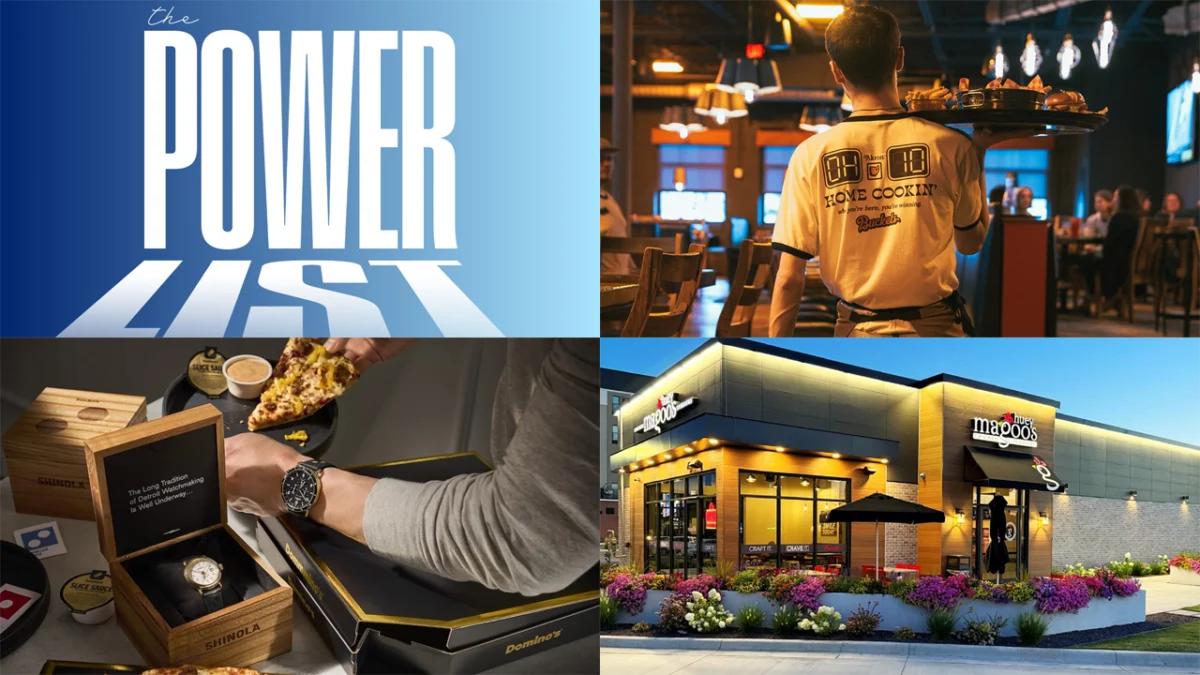
The comprehensive Power List acknowledges the multifaceted contributions of these founders, recognizing their ability to navigate complex market dynamics and inspire their organizations to new heights. In an era characterized by rapid technological adoption, evolving consumer preferences, and increasing competition, the vision and execution of these entrepreneurs are paramount to sustained success. NRN’s selection process aimed to capture the essence of impactful leadership, highlighting individuals who are not only achieving business objectives but are also setting new benchmarks for creativity, sustainability, and customer engagement. The depth and breadth of their influence underscore the critical role of founder-led innovation in propelling the restaurant industry forward.
Domino’s Ventures into Signature Sauces and Lifestyle Collaborations
In a notable development for fast-food pizza enthusiasts, Domino’s has introduced its proprietary "Slice Sauce," a new dipping sauce engineered to complement every bite of their pizzas. This strategic move into signature condiments signifies Domino’s ongoing efforts to enhance the customer’s eating experience beyond the pizza itself. The launch of Slice Sauce on Tuesday marks the latest in a series of product innovations designed to capture greater consumer loyalty and differentiate the brand in a highly competitive market. The company’s announcement suggests that this sauce is intended to be a versatile accompaniment, catering to a wide range of pizza preferences and adding an extra layer of flavor enjoyment for diners.
Further demonstrating a strategic diversification, Domino’s has also announced an unexpected partnership with Shinola, a Detroit-based lifestyle brand known for its watches and leather goods. This collaboration, set to launch on May 8, will feature a curated selection of co-branded watches and leather accessories. This venture into the lifestyle merchandise space indicates a broader brand-building strategy for Domino’s, aiming to extend its presence and appeal beyond its core food offerings. Such partnerships are becoming increasingly common for major consumer brands, allowing them to tap into new demographics and reinforce their brand identity through association with complementary, aspirational products. The success of this collaboration will likely hinge on the perceived alignment between the Domino’s brand and Shinola’s premium aesthetic, potentially attracting a new segment of consumers who appreciate both the convenience of Domino’s and the craftsmanship of Shinola.
Panera Bread Redefines Menu Flexibility with "Salad Stuffers"
Panera Bread is inviting its patrons to "Stuff it" with the introduction of a novel menu category called "Salad Stuffers." Launched systemwide on Wednesday, this innovative offering aims to bridge the perceived gap between traditional sandwiches and the chain’s established salad lineup. The new Salad Stuffers are presented in two distinct iterations, providing consumers with a flexible and customizable meal option. This initiative reflects a growing trend in the fast-casual segment towards offering more adaptable and personalized dining experiences. By allowing guests to "stuff" their salads, Panera is enhancing the interactive element of their menu, potentially appealing to a wider range of dietary needs and flavor preferences.
The strategic intent behind Salad Stuffers appears to be multifaceted. Firstly, it offers a solution for customers who may find traditional salads either too light or too restrictive, providing a more substantial and satisfying option. Secondly, it allows for greater ingredient customization, a key driver of consumer satisfaction in today’s dining landscape. The ability to tailor a meal precisely to one’s liking can foster increased engagement and repeat business. Furthermore, this menu innovation could potentially streamline operational processes by leveraging existing ingredients in new combinations, thereby optimizing kitchen efficiency. The success of Salad Stuffers will be measured by their adoption rate, customer feedback, and their contribution to overall sales and guest satisfaction.
The Broader Context of Founder-Driven Innovation
The consistent appearance of founder-led initiatives across major news outlets underscores a pivotal moment for the restaurant industry. The 34 individuals featured on Nation’s Restaurant News’ 2026 Power List are not simply executives; they are visionaries who have built their empires from the ground up, imbued with a deep understanding of consumer desires and market dynamics. Their influence extends far beyond their individual companies, setting trends and influencing best practices that ripple throughout the entire sector.
The Entrepreneurial Spirit as a Catalyst for Change
The core of these founders’ impact lies in their innate entrepreneurial spirit. This spirit often translates into a willingness to take calculated risks, to challenge the status quo, and to invest heavily in creative solutions. This is evident in Domino’s foray into signature sauces and lifestyle collaborations, an approach that moves beyond traditional product extensions. By partnering with Shinola, Domino’s is not just selling pizza; it’s cultivating a brand narrative that speaks to quality, design, and a certain aspirational lifestyle. This strategy, while perhaps unconventional for a pizza chain, taps into the broader consumer desire for brands that offer more than just their primary product.
Similarly, Panera Bread’s "Salad Stuffers" exemplify a founder’s keen insight into evolving consumer behavior. The modern diner often seeks flexibility and personalization, and Panera’s response directly addresses this need. The ability to "stuff" a salad suggests a dynamic and engaging culinary experience, moving away from static menu items towards more interactive and customizable meal solutions. This approach not only caters to individual preferences but also potentially drives higher average check sizes as customers opt for more elaborate or personalized creations.
Data-Driven Insights and Market Adaptability
The success of these ventures is often underpinned by a deep understanding of market data and a commitment to adapting to consumer trends. While specific data points were not detailed in the initial reports for these particular initiatives, it is highly probable that Domino’s conducted extensive market research to identify the demand for a signature sauce and to assess the viability of a lifestyle collaboration. Consumer surveys, taste tests, and analysis of social media trends would likely have informed the development of Slice Sauce. The partnership with Shinola, a brand with a proven track record in its respective market, suggests a strategic alignment based on demographic analysis and brand equity.
Panera Bread, known for its focus on health-conscious and customizable options, likely leveraged data on customer preferences for salads and sandwiches, as well as feedback on existing menu items. The concept of "stuffing" a salad could stem from observing how customers already modify their orders or from identifying a gap in the market for a more substantial salad offering. The introduction of two iterations suggests a testing phase to gauge consumer response to different combinations and ingredient profiles.
Implications for the Broader Industry
The actions of these prominent founders have significant implications for the wider restaurant industry. Domino’s foray into lifestyle merchandise, while bold, could inspire other fast-food chains to explore similar avenues for brand extension. This could lead to a more diverse range of branded products and experiences available to consumers, blurring the lines between food service and retail. The success of such ventures often depends on authentic brand alignment and a genuine understanding of the target audience.
Panera’s "Salad Stuffers" highlight the ongoing importance of menu innovation and customization in the fast-casual sector. As consumers become more discerning and demanding, restaurants that offer flexible and personalized dining options are likely to gain a competitive edge. This could spur other chains to re-examine their core offerings and explore new ways to empower customers to tailor their meals. The trend towards customizable offerings also reflects a broader shift in consumer expectations, where dining out is increasingly viewed as a personal expression rather than a purely transactional experience.
The Power of Vision and Execution
The 2026 Power List serves as a testament to the enduring power of founder-led vision and execution. These 34 individuals are not content with simply managing existing businesses; they are actively seeking to innovate, to disrupt, and to redefine what is possible within the restaurant industry. Their creative power is a driving force behind positive change, influencing everything from how consumers interact with brands to how restaurants operate on a daily basis.
The inclusion of these founders on the Power List signifies their current and future impact. They represent the vanguard of innovation, consistently pushing boundaries and inspiring their teams and the industry at large. Their ability to identify unmet needs, develop compelling solutions, and execute them effectively is a hallmark of true leadership. As the restaurant landscape continues to evolve, the insights and actions of these visionary founders will undoubtedly shape its trajectory for years to come. The ongoing commitment to creative problem-solving and strategic adaptation, exemplified by these leaders, is crucial for navigating the complexities of the modern food service environment and ensuring sustained growth and relevance. The industry will continue to watch closely as these founders leverage their entrepreneurial drive to sculpt the future of dining.
