

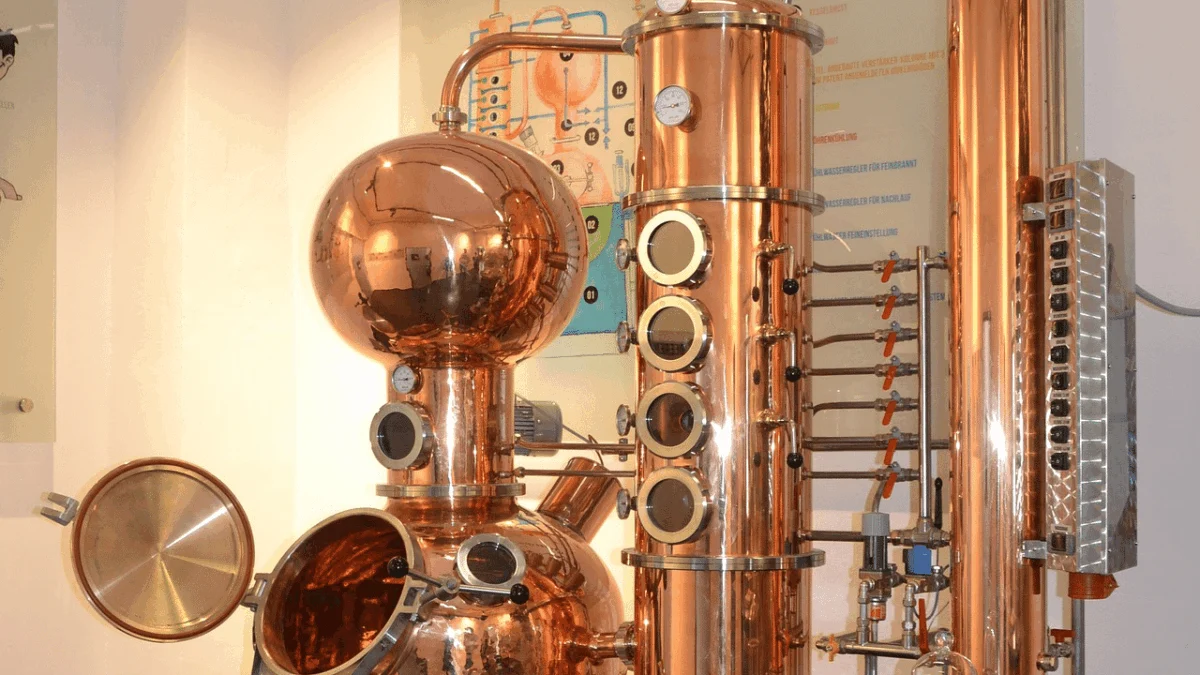
While the botanical profile of a gin—the specific blend of herbs, spices, fruits, and roots—often receives the most attention in marketing materials, the final character of the spirit is dictated by a complex series of technical decisions made by the distiller after the ingredients are selected. The production of gin is an intricate balance of chemistry, physics, and sensory artistry, where even slight variations in temperature, timing, or equipment can yield vastly different results from identical raw materials. To understand the modern gin landscape, one must look beyond the label and into the mechanics of the distillery, where the transition from a Neutral Grain Spirit (NGS) to a complex aromatic liquor occurs.
The Foundation: Neutral Grain Spirit and Botanical Ratios
The journey of most commercial gins begins with Neutral Grain Spirit, a highly rectified alcohol usually distilled to at least 96% alcohol by volume (ABV). This base is essentially a blank canvas, stripped of the character of its source material—typically wheat, rye, or corn—to ensure that the added botanicals are the primary focus. The first critical decision for any distiller is the "botanical load," or the ratio of dry ingredients to the volume of spirit.
Industry benchmarks suggest a standard botanical quantity of 20 to 35 grams per liter of spirit. However, because gin is legally defined in most jurisdictions by the predominant flavor of juniper berries (Juniperus communis), the formulation usually begins with juniper comprising approximately 60% of the total botanical weight. From this baseline, the distiller builds a flavor hierarchy. Core "fixative" botanicals like angelica root or orris root are typically used in smaller quantities (roughly one-tenth of the juniper weight) to bind more volatile aromas. Secondary flavors, such as coriander seeds, often appear at half the weight of the juniper, while potent spices like cinnamon, cassia, or cloves may be used at levels as low as one-hundredth of the juniper volume.
A Chronology of the Distillation Process
The timeline of gin production is categorized by several distinct phases, each offering the distiller an opportunity to pivot the flavor profile.
- Selection and Preparation: Botanicals are sourced, dried, or used fresh, and the NGS is diluted with demineralized water to a lower ABV (usually around 40-60%) to prepare for maceration or distillation.
- Extraction (Maceration vs. Vapor): The distiller decides whether the botanicals will interact with the liquid spirit or its vapor.
- The Distillation Run: Heat is applied to the pot still, beginning the process of evaporation and condensation.
- The Cutting Phase: The distiller monitors the output, making precise "cuts" to separate the desirable "heart" of the run from the "heads" and "tails."
- Resting and Dilution: The high-proof distillate is allowed to rest (mellowing the flavors) before being diluted to bottling strength.
Extraction Techniques: Maceration versus Vapor Infusion
One of the most significant technical divides in gin production is the method of flavor extraction. Distillers generally choose between maceration (steeping) and vapor infusion, or a hybrid of both.
Maceration involves soaking the botanicals directly in the spirit base. This "tea-like" process allows for the deep extraction of heavier oils and flavors. Some prestigious brands, such as Beefeater, utilize a 24-hour maceration period before the heat is applied to the still. This long soak ensures a robust, traditional "London Dry" profile where the flavors are integrated and dense. In some instances, the botanicals are filtered out before distillation, while in others, they remain in the "pot" during the boil, a method known as "distilling on the grain."
In contrast, vapor infusion—famously championed by Bombay Sapphire—involves placing the botanicals in specialized "Carter-Head" baskets located in the neck of the still. As the ethanol vapors rise, they pass through the botanicals, gently volatilizing the aromatic compounds without boiling the ingredients. This typically results in a lighter, more floral, and delicate spirit. The placement of these baskets is a matter of intense study; higher placement in the still neck subjects the botanicals to slightly cooler vapors, whereas lower placement results in more aggressive extraction due to higher temperatures.
The Science of the "Cut": Separating the Hearts from the Tails
The most critical moment in the distillery is the "cut." Distillation is a time-dependent process where different chemical compounds evaporate at different temperatures and times. A distiller must use their olfactory senses and technical instruments to decide which parts of the distillation run will make it into the final bottle.
- The Foreshots and Heads: These are the first compounds to come off the still. They contain highly volatile alcohols like methanol and acetaldehyde. While they carry a potent aroma, they are often sharp, solvent-like, and physically unpleasant or even toxic. These are always discarded or recycled.
- The Heart: This is the "sweet spot" of the distillation. It contains the most desirable ethanol and the balanced essential oils of the juniper and other botanicals. The goal of the distiller is to maximize the volume of the heart while maintaining flavor integrity.
- The Tails: As the run nears its end, heavier, oilier compounds begin to dominate. These "tails" can provide earthy, deep notes, but if left too long, they introduce bitter, "fusty," or metallic flavors reminiscent of wet cardboard.
A distiller’s signature is often defined by where they make these cuts. A "tight" cut results in a very clean, crisp gin, while a "wide" cut might produce a more complex, oily, and traditional spirit.
Strategic Distillation: Joint vs. Individual Runs
While the legal definition of London Dry Gin requires all botanicals to be distilled together in a single process, many modern "Contemporary" or "New Western" gins utilize individual distillation. In this method, each botanical—or groups of similar botanicals—is distilled separately in its own run.
This approach allows the distiller to optimize the "cuts" for each specific ingredient. For example, citrus peels might require a very different distillation curve than earthy roots like angelica. Once the individual distillates (or "esprits") are created, they are blended together. While this offers unparalleled control and consistency, purists often argue that distilling botanicals together allows for "chemical marriages" to occur in the pot, creating a synergy of flavor that cannot be replicated by blending separate components.
Economic and Practical Considerations: Single-Shot vs. Multi-Shot
From a production standpoint, distillers must also choose between "single-shot" and "multi-shot" methods. The single-shot method is the traditional approach: the distiller uses the exact amount of botanicals needed for a single batch of gin. Once the distillation is complete, only water is added to bring the spirit to bottling strength.
The multi-shot method is a more concentrated approach. The distiller increases the botanical load significantly—sometimes by four or five times—creating a "gin concentrate." This intense distillate is then "stretched" by adding more NGS and water after distillation. While some critics suggest that the multi-shot method can lead to a less integrated flavor profile, many of the world’s largest and most respected gin brands utilize this method for its efficiency in scaling production and reducing energy consumption per bottle.
Broader Impact and Market Implications
The technical transparency of gin production has become a key driver in the "Gin Renaissance" of the last decade. As consumers become more educated, the demand for "craft" and "small-batch" labels has shifted toward a demand for technical excellence.
Industry analysts note that the rise of "distillery tourism" has forced brands to be more open about their processes. "Consumers aren’t just looking for a list of ingredients anymore," says one industry consultant. "They want to know about the copper stills, the maceration times, and whether the distiller is using a single-shot or multi-shot process. The ‘how’ has become just as marketable as the ‘what’."
Furthermore, the flexibility of gin production—starting with a purchased NGS rather than fermenting from scratch—has allowed for a surge in localized distilleries. This has had a significant economic impact on regional markets, where distillers use the technical frameworks of London Dry or vapor-infused gins to showcase local terroir, such as Australian wattleseed or Scottish sea kelp.
Conclusion: The Future of the Spirit
The production of gin remains a pinnacle of "functional art" within the spirits industry. By manipulating ratios, extraction methods, and distillation cuts, distillers can take a neutral, characterless spirit and transform it into a complex sensory experience. As technology advances—with the introduction of vacuum distillation and precision-controlled electric stills—the boundaries of what defines "gin" continue to expand. However, the core decisions regarding the botanical balance and the timing of the cut remains the heart of the craft, ensuring that gin remains one of the most diverse and technically demanding spirits in the world.
