

The Finnish Long Drink, known colloquially in its native tongue as "lonkero," has evolved from a temporary logistical solution for the 1952 Summer Olympics into a cornerstone of Finland’s national identity and a growing force in the international ready-to-drink (RTD) beverage market. Characterized by a refreshing blend of gin and grapefruit soda, this beverage represents a unique intersection of post-war European history, state-controlled alcohol policy, and modern consumer trends. While once a strictly regional specialty found primarily in Finnish liquor stores and on draft in local saunas, the product is currently undergoing a significant global expansion, reaching markets across Europe, Asia, and North America.
The 1952 Helsinki Olympics: A Catalyst for Innovation
The origins of the Finnish Long Drink are inextricably linked to the XV Olympiad, held in Helsinki in 1952. At the time, Finland was a nation still recovering from the economic and social strains of World War II. As the country prepared to host the world, the Finnish government and the state alcohol monopoly, Alko, faced a significant logistical challenge: how to serve large volumes of alcohol quickly and efficiently to an influx of international tourists.
The solution was the creation of a pre-mixed, bottled cocktail that eliminated the need for labor-intensive bartending. Hartwall, a prominent Finnish beverage company, was commissioned to produce this "long drink." The original formulation—a crisp mixture of London Dry Gin and grapefruit soda—was intended to be a seasonal product, specifically designed to ease the burden on restaurants and bars during the Olympic rush.
Interestingly, the 1952 Helsinki Games also marked a turning point in Olympic tradition. It was the first Summer Olympics since 1912 where medals were not awarded for art competitions, a practice known as the "Pentathlon of the Muses." Previously, artists like Finland’s own Aale Tynni had achieved glory in these categories; Tynni notably won a gold medal in literature at the 1948 London Games for her work Laurel of Hellas. While the artistic competitions were phased out, the "art" of the Finnish Long Drink endured, securing a permanent place in the Finnish palate despite its intended temporary status.
Evolution of the Lonkero Category
Following the conclusion of the 1952 Olympics, the popularity of the drink was so profound that production continued. However, the path to its current status was not without interruption. In the 1970s, the product was briefly discontinued, but a wave of consumer nostalgia and persistent demand forced its return to the market.
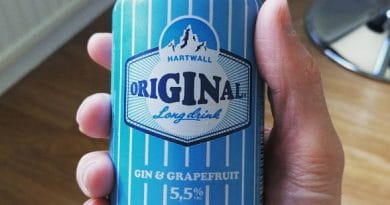
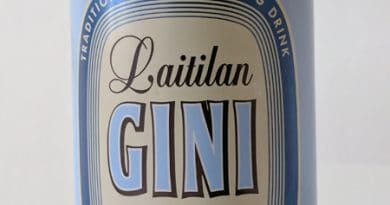
Today, the Finnish Long Drink typically maintains an alcohol by volume (ABV) of between 5.0% and 8.0%. While the original Hartwall recipe remains the industry standard, the liberalization of alcohol markets has allowed other producers to enter the space. Brands such as Laitilan Gini Long Drink have introduced their own variations, though they often differ in their production methods. While the traditional "Original" is a spirit-based cocktail using gin, some competitors utilize a natural fermentation process to create the alcohol base, a method often employed to navigate specific retail regulations regarding distilled spirits.
In terms of flavor profile, the beverage is defined by its balance of acidity and sweetness. High-quality iterations, such as the Hartwall Original, are noted for a prominent "white grapefruit" nose and a palate that is less saccharine than typical American sodas. The mid-palate usually reveals the botanical notes of the gin, specifically juniper and citrus, leading to a dry, crisp finish reminiscent of a classic Gin and Tonic but with a fuller fruit body.
Chronology of International Expansion
For decades, the Finnish Long Drink remained a "hidden gem" of the Nordic region. However, the last decade has seen an aggressive push toward internationalization, driven by the global rise of the RTD (Ready-to-Drink) and hard seltzer categories.
- 2015: Hartwall initiated a strategic expansion into Western Europe, signing distribution agreements to place the "Original Long Drink" on shelves in the Netherlands, Sweden, and Belgium. This move targeted markets with similar consumer profiles and a growing interest in premium canned cocktails.
- 2016: The brand expanded into the Asian market, with a particular focus on Japan. The Japanese market’s existing affinity for "Chu-hi" (canned shochu highballs) provided a fertile ground for the gin-based Finnish alternative.
- Late 2010s to Present: The drink began appearing in specialty "quirky" bars across the United Kingdom, such as those in Brighton, where it developed a cult following. Simultaneously, independent startups began launching "Finnish-style" long drinks in the United States, capitalizing on the "clean label" and "heritage" trends in the American beverage industry.
Market Analysis and Consumer Adaptation
The success of the lonkero is attributed to its "sessionable" nature—a term used in the industry to describe beverages that are refreshing and have a moderate alcohol content suitable for extended social gatherings. In Finland, the drink is ubiquitous, found in every context from high-end restaurants to traditional public saunas.
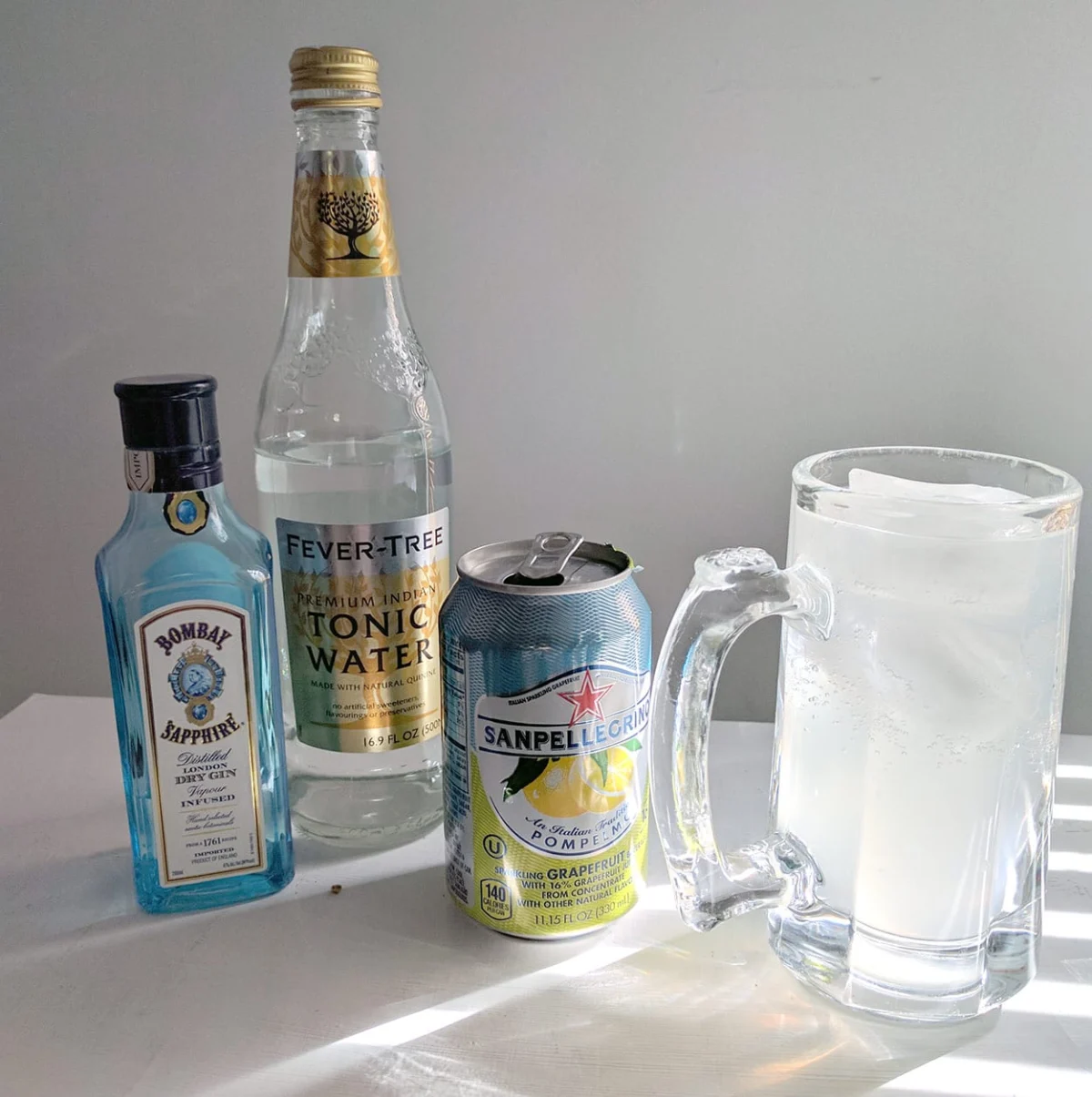
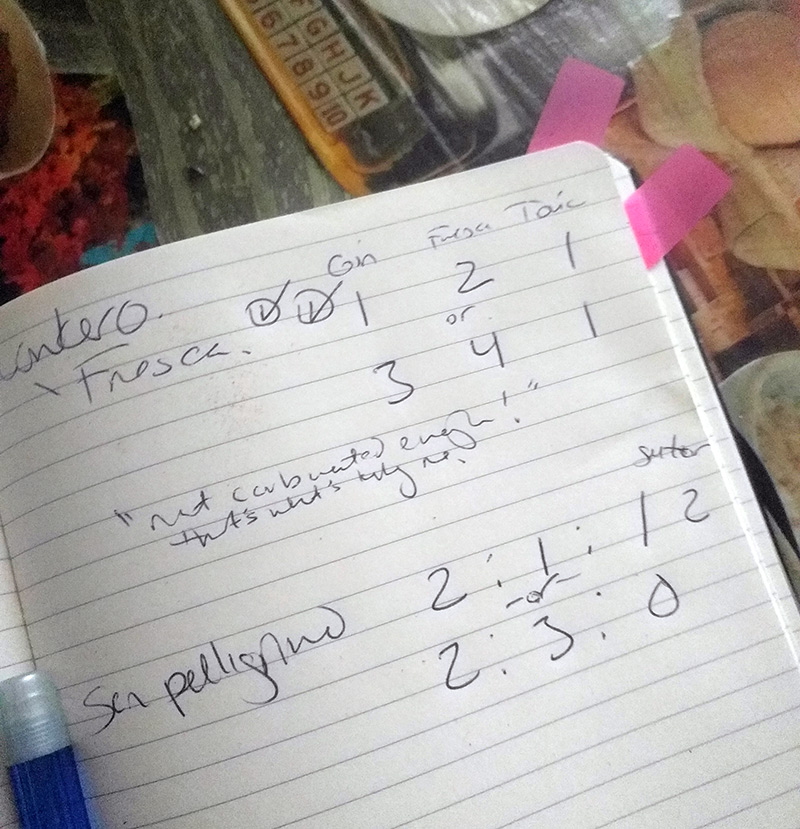
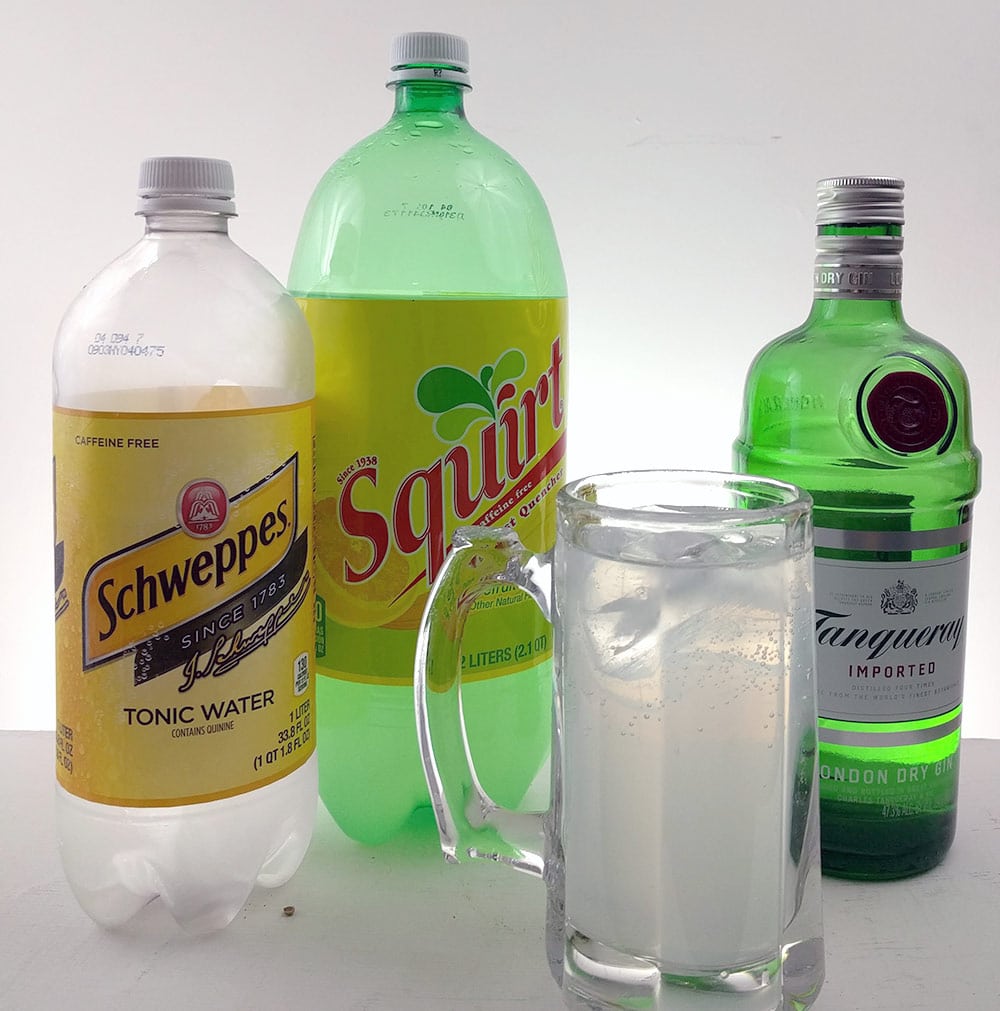
In markets where the authentic Finnish product is not yet widely available, a unique subculture of "DIY" replication has emerged. Consumer reports and mixology assessments indicate that replicating the specific flavor profile of the Finnish original is difficult due to the unique properties of Nordic grapefruit soda, which tends to be more tart and less syrupy than its North American counterparts.
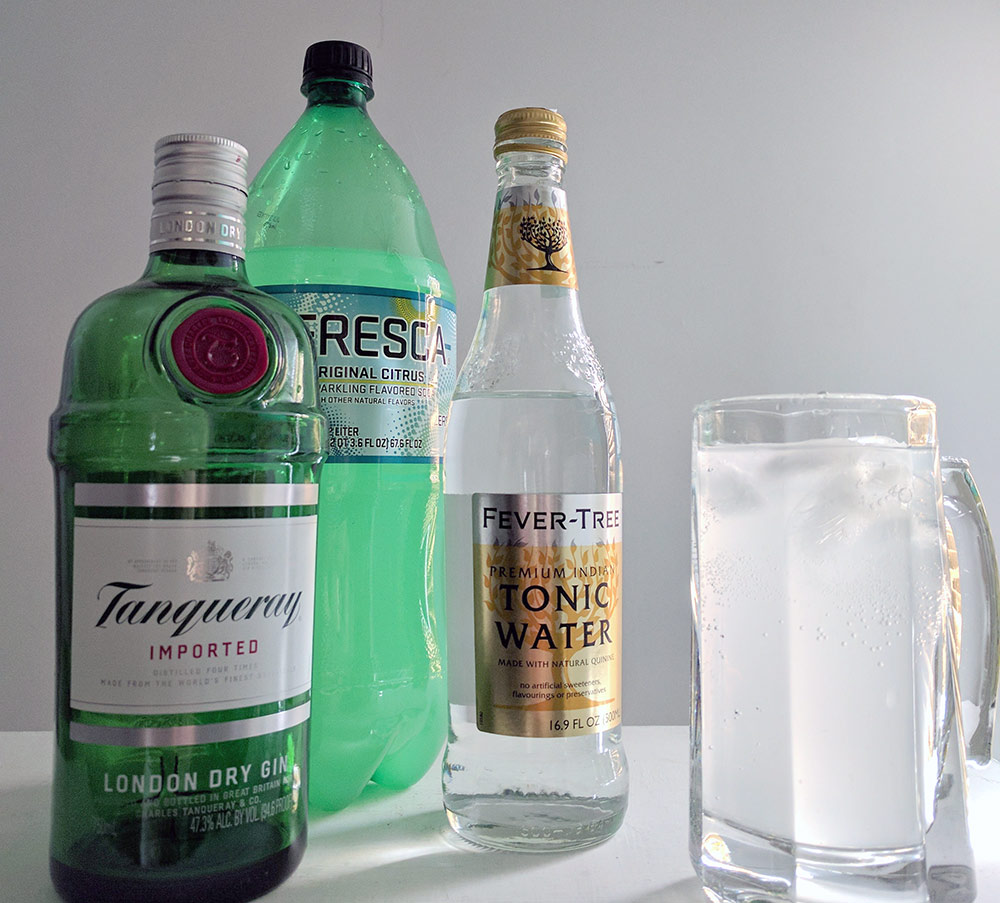
Analysis of home-made attempts suggests that mixers like Fresca (a citrus soda produced by The Coca-Cola Company) provide a closer approximation to the Finnish profile than more sugar-heavy sodas like Squirt. Professional tasters note that while fresh-squeezed grapefruit and simple syrup can create a high-quality cocktail, they often fail to capture the specific "industrial-nostalgic" note that defines the canned lonkero. This highlights the importance of "brand taste" in the RTD sector; consumers are not just looking for gin and grapefruit, but for the specific sensory experience established by Hartwall in 1952.
Comparative Product Review and Industry Standards
To understand the market landscape, it is necessary to examine the distinctions between leading brands. The Hartwall Original remains the benchmark for the category. Professional reviews emphasize its acidic grapefruit entry and the strength of its gin notes mid-palate. It is characterized by a lack of bitterness and a "gentle dry finish."
In contrast, competitors like Laitilan Gini Long Drink often lean more heavily into the fruit profile. Reviewers have noted that Laitilan’s version frequently features "ruby red" grapefruit notes and a sweeter, more "soda-like" nose. In these variations, the juniper notes of the gin are often subdued, making the drink more accessible to those who may find traditional London Dry Gin too medicinal. These differences illustrate a broader industry trend: the tension between maintaining historical authenticity (gin-forward) and catering to modern consumer preferences for fruit-dominant beverages.
Broader Implications for the Global Beverage Industry
The trajectory of the Finnish Long Drink offers several insights into the future of the global alcohol trade. First, it demonstrates the power of "provenance." As consumers move away from generic mass-market beers, they are increasingly drawn to products with a specific cultural story. The 1952 Olympic heritage provides a compelling narrative that distinguishes lonkero from the "faceless" hard seltzers that have flooded the market in recent years.
Second, the expansion of the long drink highlights the blurring lines between cocktail culture and convenience. The RTD category is no longer viewed as a low-quality alternative to "real" drinks. Instead, products like the lonkero are being positioned as premium, standardized experiences that guarantee quality regardless of the venue.
Finally, the economic impact on the Finnish export sector is significant. By successfully transitioning the long drink from a domestic staple to an international export, Finnish beverage companies are opening new revenue streams and raising the country’s profile as a hub for spirits innovation.
Conclusion
The Finnish Long Drink stands as a testament to the enduring appeal of simple, well-executed flavors. From its utilitarian beginnings as a way to manage Olympic crowds in Helsinki to its current status as a global export, the lonkero has maintained its relevance through a combination of historical legacy and refreshing palate appeal. As it continues its expansion into North America and beyond, it challenges the dominance of traditional categories like beer and cider, offering a sophisticated, gin-based alternative that carries with it a piece of Finnish history. For the global consumer, the "Long Drink" is more than just a cocktail; it is a storied tradition that has finally found its way onto the world stage.
