

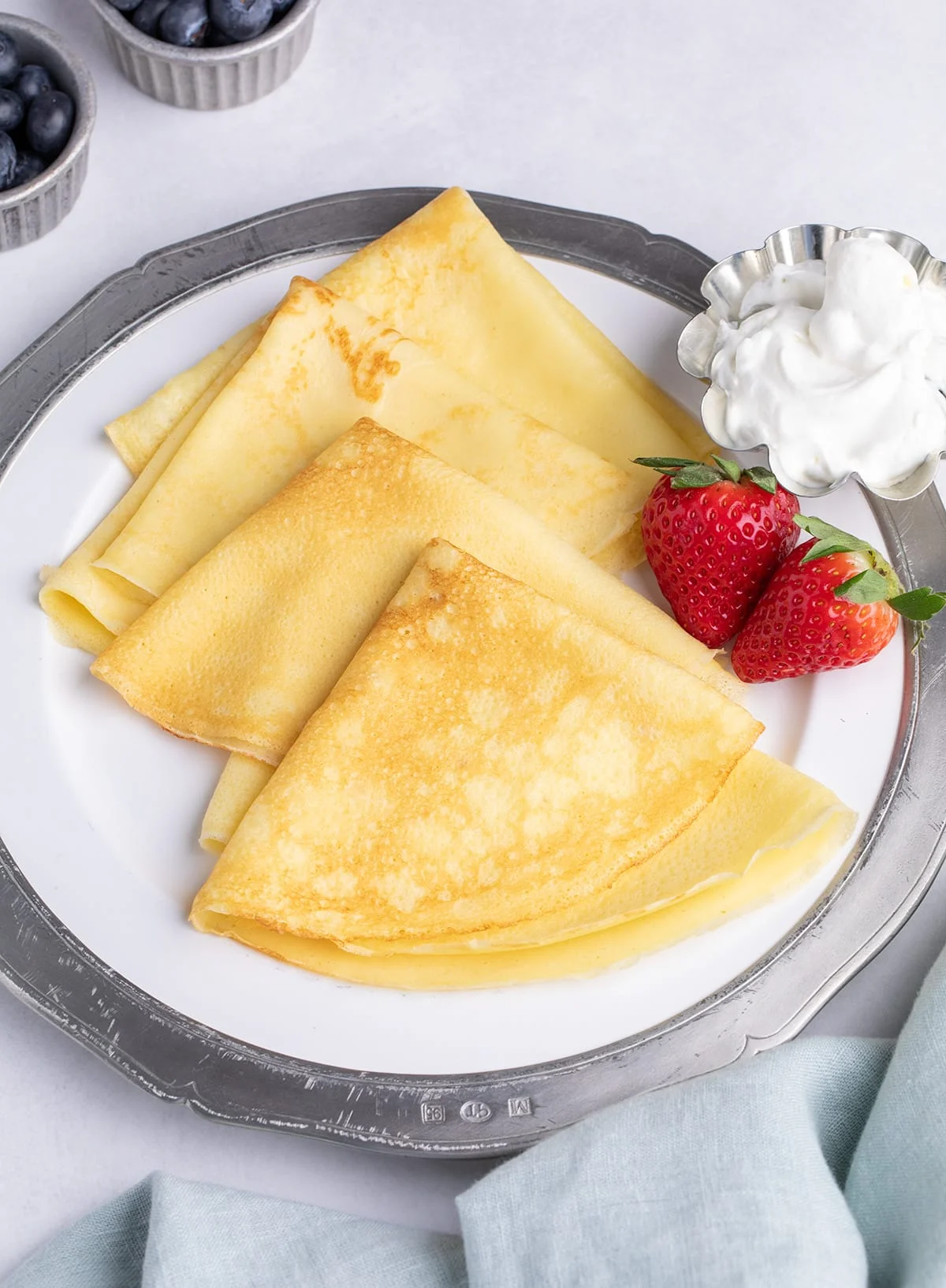
The pursuit of a truly exceptional gluten-free crêpe has long been a challenge for home cooks and culinary enthusiasts alike. Traditional crêpes, with their delicate texture and remarkable pliability, are a staple of French cuisine, often associated with leisurely brunches and sophisticated desserts. However, replicating this airy, flexible consistency without gluten presents a unique set of hurdles. This article delves into a groundbreaking recipe that promises to deliver gluten-free crêpes that not only rival their conventional counterparts but, in some aspects, even surpass them, all with a surprisingly simple ingredient list.
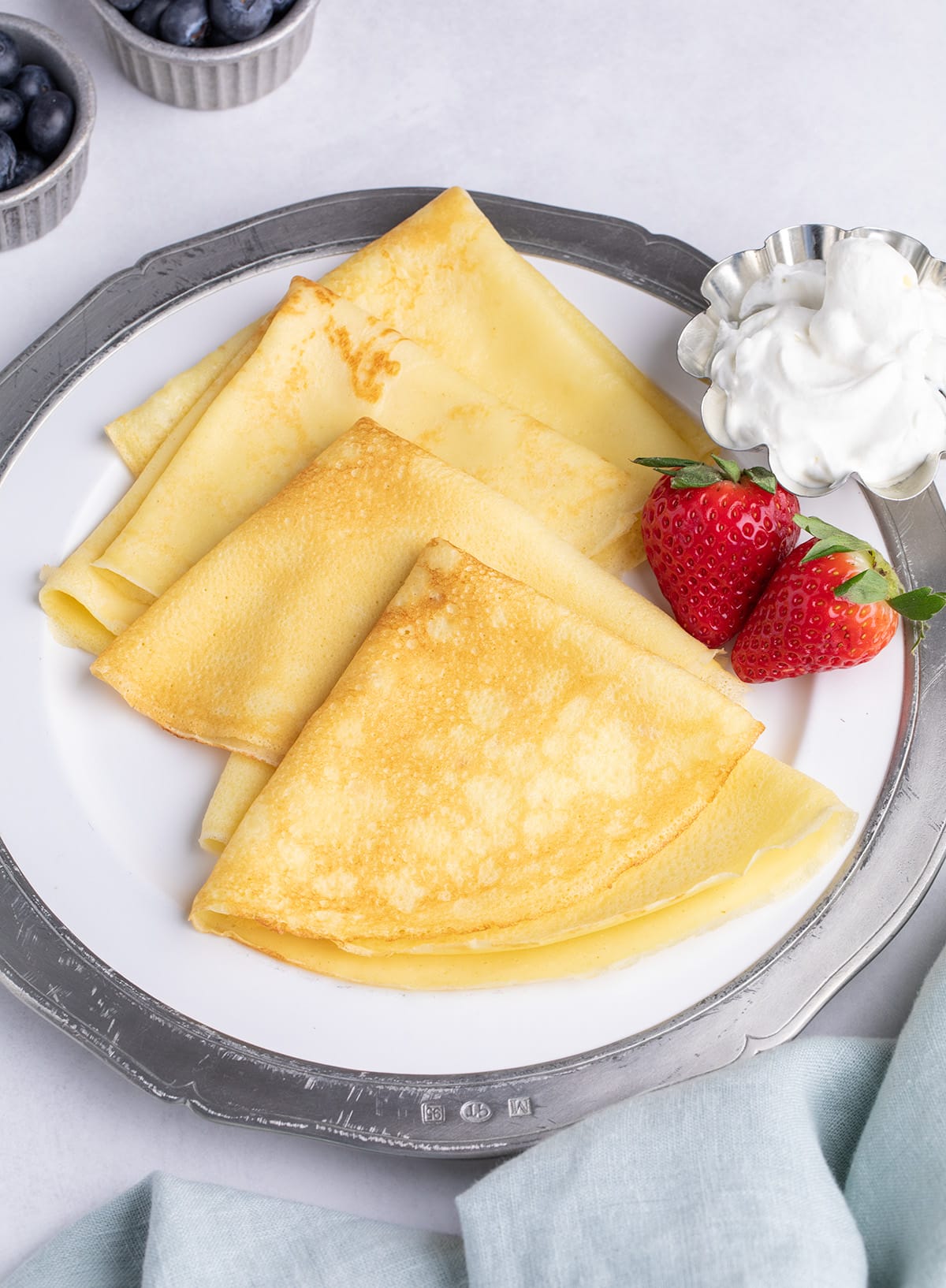
The core of this culinary achievement lies in a meticulously crafted recipe that addresses the inherent challenges of gluten-free baking. Unlike conventional recipes that rely on gluten’s elastic properties to bind and provide structure, gluten-free flours require a different approach. This recipe simplifies the process by utilizing a mere five core ingredients, making it accessible to even novice bakers. The result is a crêpe that is consistently tender and flexible, bending and rolling without the dreaded breakage that often plagues gluten-free alternatives. This versatility transforms an everyday meal into an extraordinary culinary experience, suitable for both sweet and savory applications.
The Science Behind the Success: Why This Recipe Works
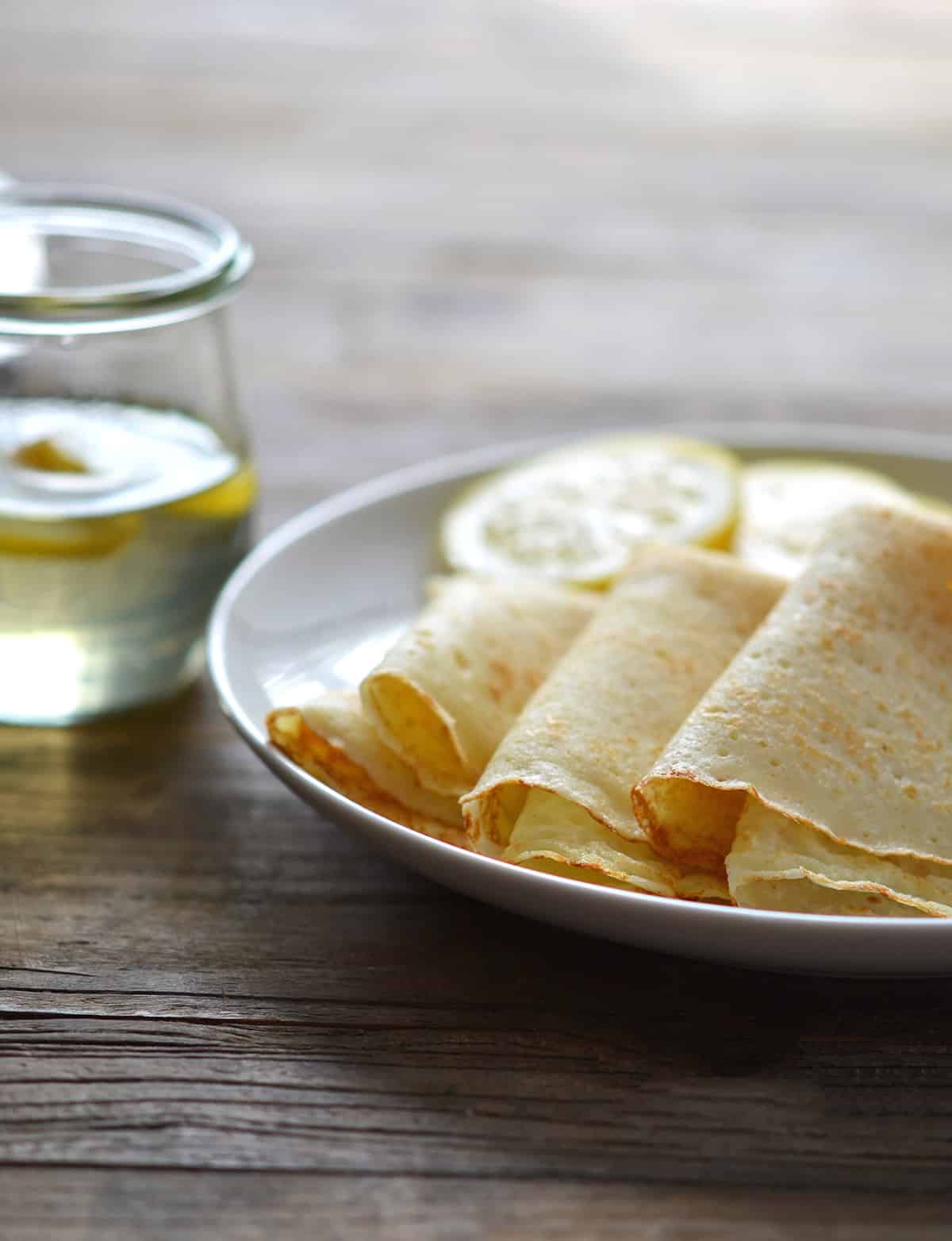
Gluten-free crêpes, at their heart, are light, airy, and delicate French-style pancakes. The absence of gluten, which can often contribute to a tougher or more brittle texture in baked goods, paradoxically leads to a more tender outcome in these gluten-free versions. The recipe’s success hinges on a clear, concise, and specific method, designed to circumvent common frustrations.
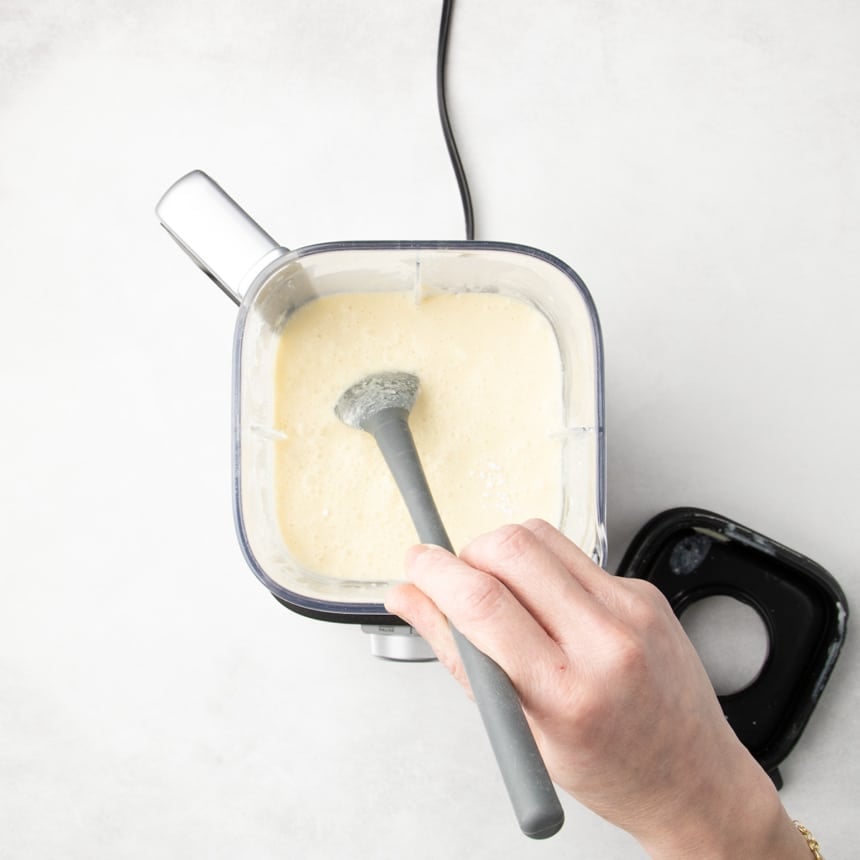
The batter’s consistency is key, described as being akin to half-and-half – thicker than whole milk but thinner than heavy cream. This ideal viscosity allows for the characteristic swirling motion in a hot pan, a technique familiar to anyone who has made traditional crêpes. The article assures readers that mastering this technique is achievable quickly, fostering confidence in the baking process.
Essential Ingredients for Flawless Crêpes
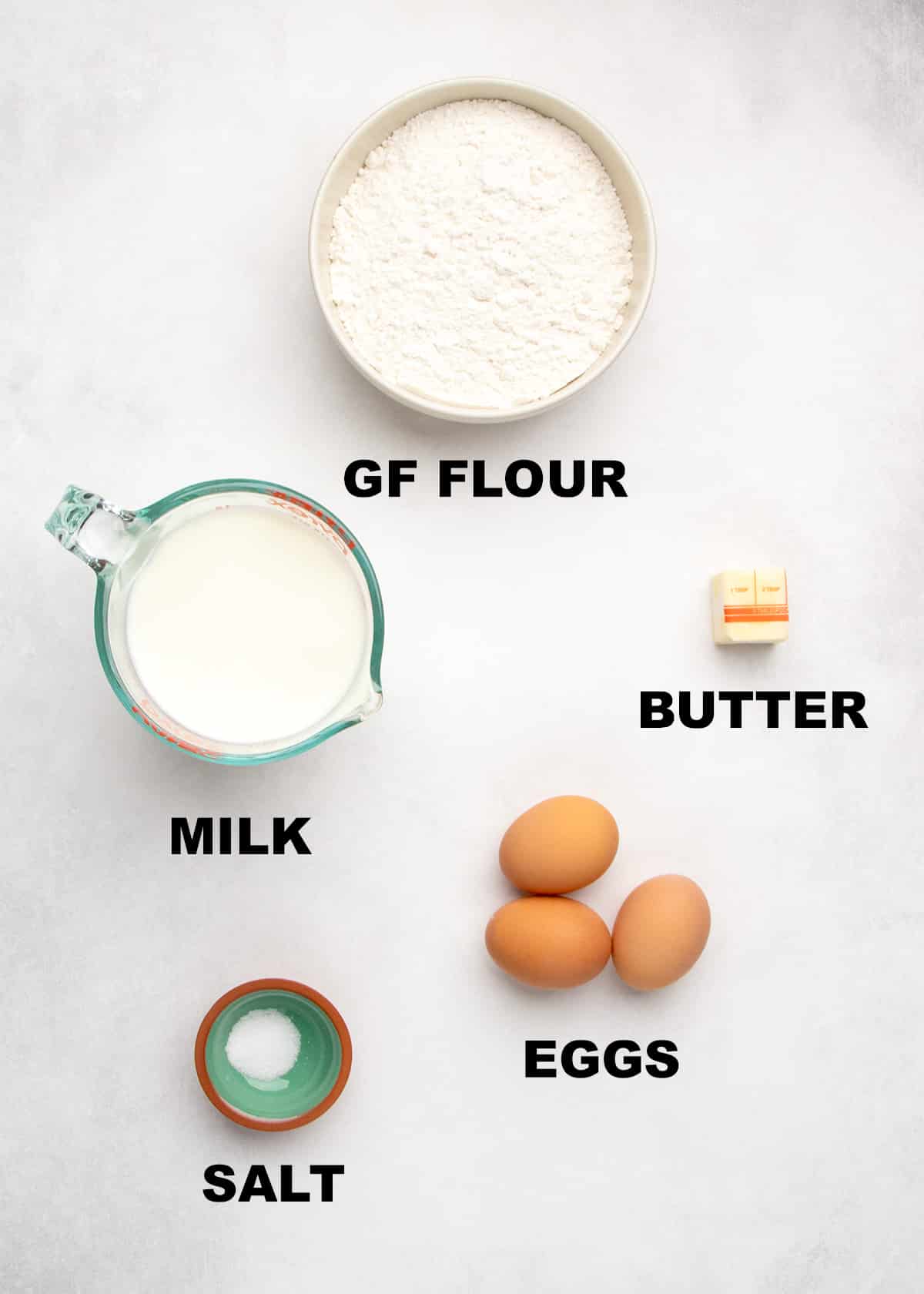
The foundation of these exceptional gluten-free crêpes is built upon a short, high-quality ingredient list. Understanding the role of each component is crucial for achieving the desired outcome:
- Gluten-Free Flour Blend: The choice of flour blend is paramount. A rice flour-based, gum-free blend is recommended to avoid a rubbery texture. The article specifically advises against blends containing xanthan gum or similar substitutes, as their inherent properties can negatively impact the crêpe’s tenderness. For precision, measuring flour by weight is stressed as essential for consistent results. A recommended blend comprises superfine white rice flour, potato starch, and tapioca starch.
- Liquid Base: Milk provides the necessary moisture to hydrate the flour and contributes to the batter’s smooth consistency. For dairy-free options, unsweetened and unflavored soy milk or coconut milk from a carton are suggested, provided they have a comparable fat content and consistency to dairy milk.
- Eggs: Eggs act as a binder, contribute to richness, and help create the airy texture. The recipe calls for a significant number of eggs, highlighting their importance in achieving the desired structure and flavor. For those seeking an egg-free alternative, the article notes the challenge due to the quantity used and suggests exploring specialized egg replacers like JustEgg, though success is not guaranteed.
- Fat: Melted butter or a dairy-free alternative adds tenderness and flavor, preventing the crêpes from becoming dry. Block-style vegan butters from brands like Miyoko’s, Melt, or Trader Joe’s are recommended for dairy-free preparation.
- Salt: A pinch of salt enhances the overall flavor profile of the crêpes, balancing the sweetness of potential fillings.
The Method: A Step-by-Step Guide to Crêpe Perfection
The creation of these gluten-free crêpes is presented as a straightforward, yet precise, process, detailed with accompanying visuals to guide the baker.
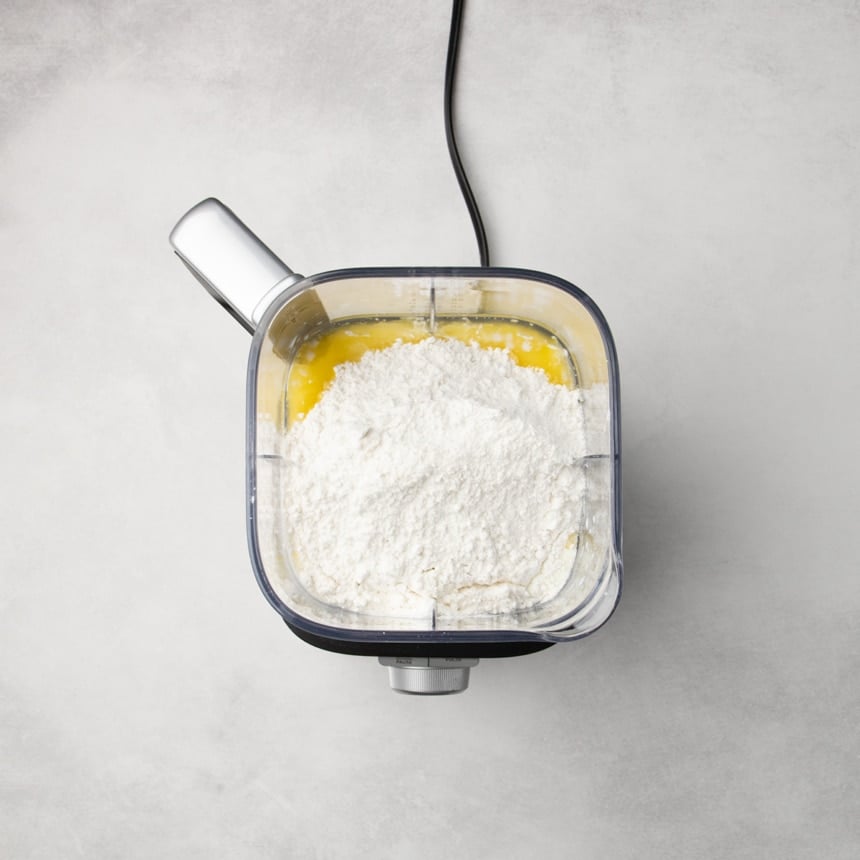
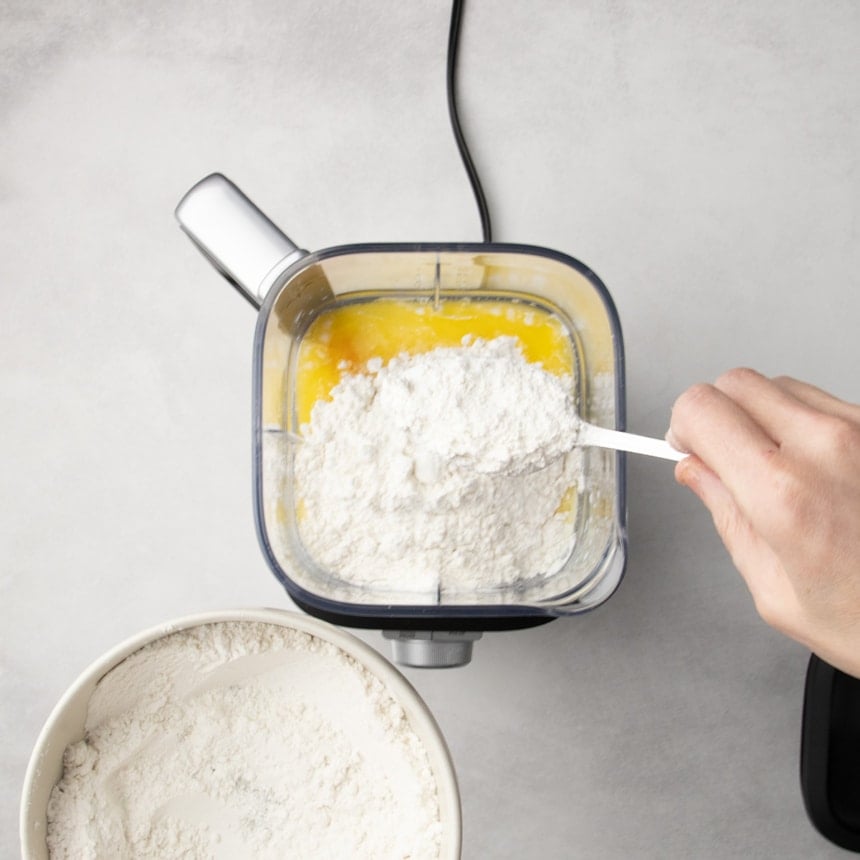
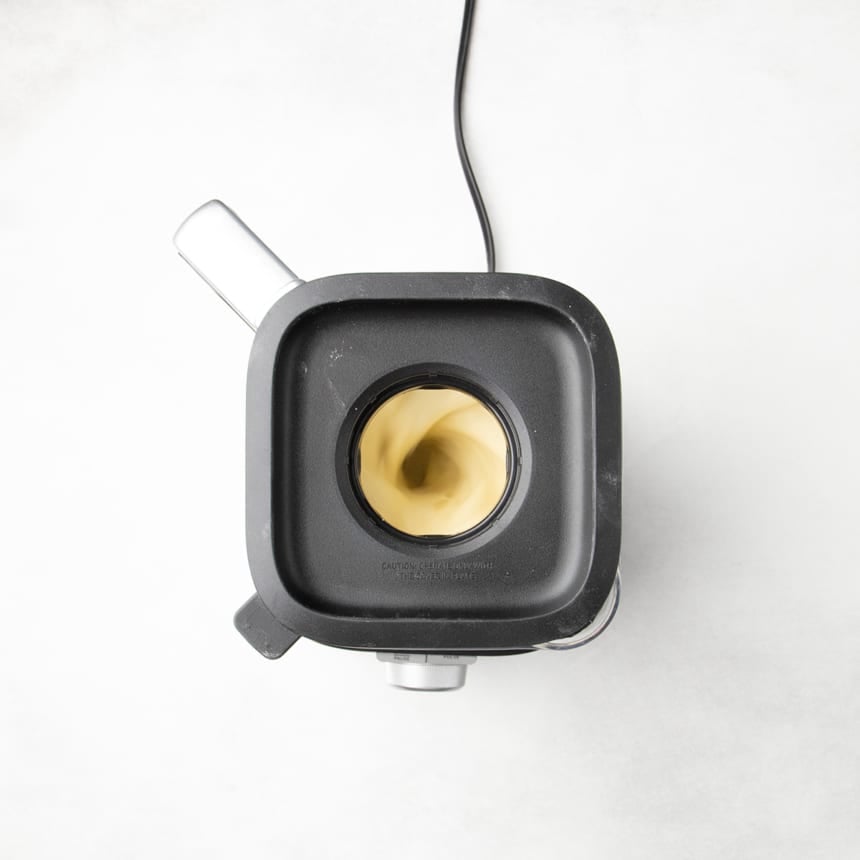
- Combine Wet and Dry Ingredients: The most efficient method involves placing the liquid ingredients (milk, eggs, melted butter) into a blender first, followed by the flour blend. This order ensures the wet ingredients are closer to the blades, facilitating smoother blending. For blenders with blades in the lid, the order can be reversed.
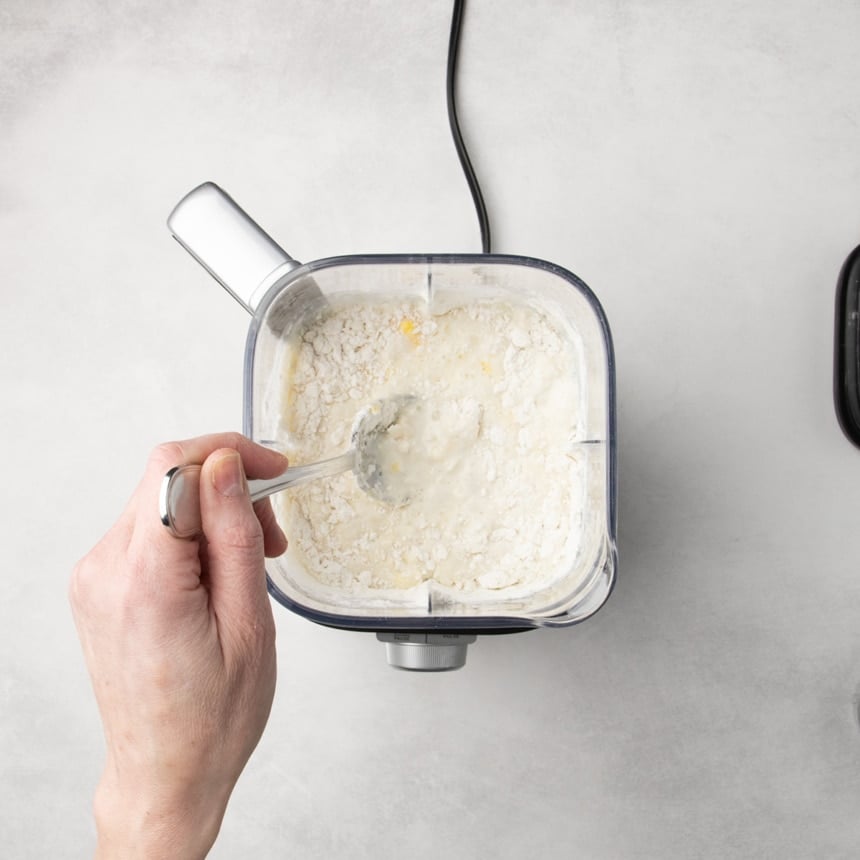
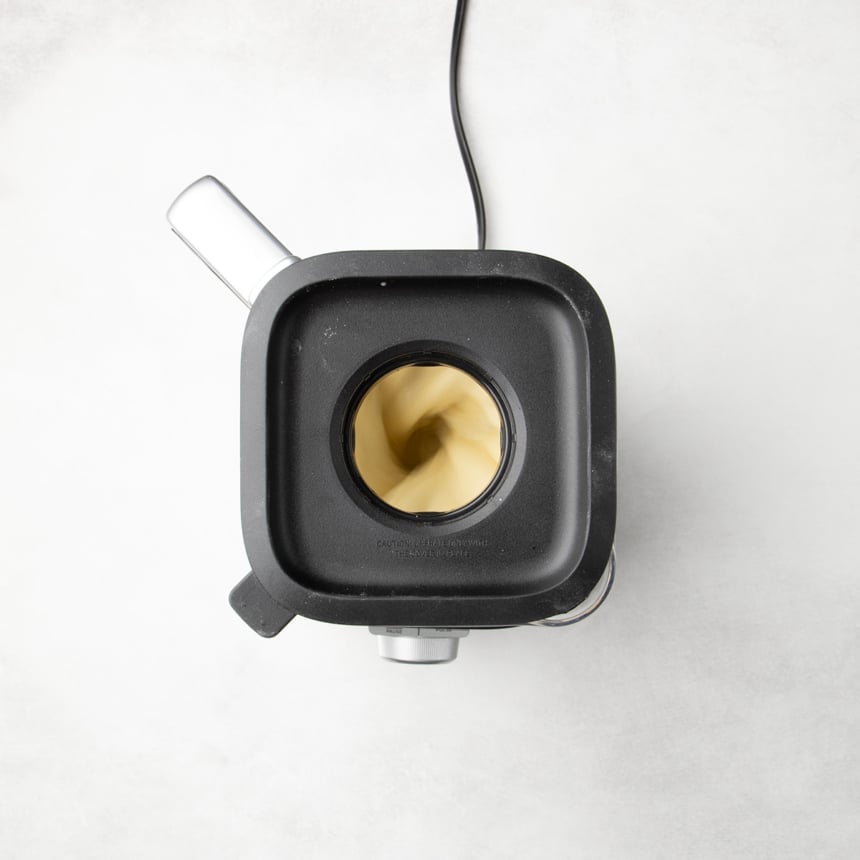
- Blend to Smoothness: The mixture is blended at medium speed for 2 to 3 minutes, or until exceptionally smooth. This thorough blending is critical for fully hydrating the flour and emulsifying the ingredients. Halftime scraping of the blender sides is recommended for even incorporation.
- Rest and Hydrate: A crucial step involves transferring the batter to an airtight container, such as a 32-ounce mason jar, and refrigerating it for at least 12 hours, and up to 3 days. This resting period allows the flours to fully absorb the liquid, leading to a more stable batter and tear-resistant crêpes. While traditional gluten-free recipes use resting to "relax gluten," this step serves a different purpose here: complete hydration.
- Prepare for Cooking: Before cooking, the batter needs to return to room temperature, which typically takes about 45 minutes. Since some flour may settle, a brief re-blending with an immersion blender or vigorous whisking is necessary to restore the batter’s smooth, half-and-half consistency.
- Heat and Grease the Pan: A 9 or 10-inch nonstick skillet is ideal. It should be preheated over medium heat for approximately one minute until it’s almost too hot to hold your hand above. Lightly greasing the pan with an oil that has a high smoke point (such as canola, vegetable, grapeseed, avocado, or peanut oil) is essential for preventing sticking.
- Cook the First Side: Approximately 5 tablespoons (75 ml) of batter are poured into the center of the hot pan. The pan is then tilted and swirled in a circular motion to create a thin, even layer of batter across the bottom. This swirling action also creates delicate, lacy edges. The crepe cooks for about 90 seconds on the first side.
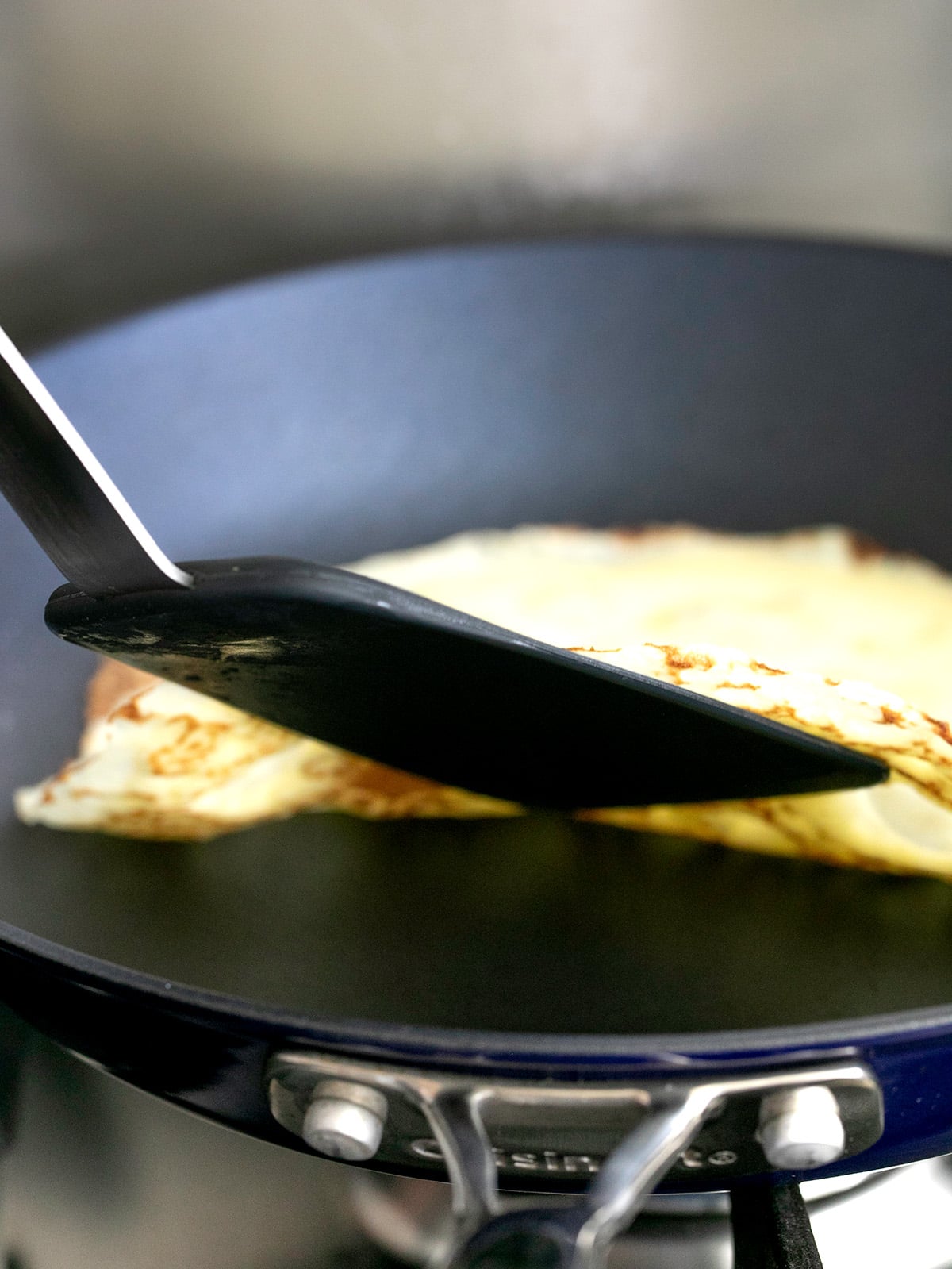
- The Flip and Second Side: Once the edges begin to lightly brown, the crepe is flipped using a spatula or fingers. It’s pressed down gently and cooked for another 30 seconds. The author notes that the first crepe is often a test for pan temperature and greasing, so don’t be discouraged if it’s not perfect.
- Stacking the Crêpes: Cooked crêpes are stacked on a plate lined with parchment paper to prevent sticking. This method ensures they remain soft and pliable for serving.
Expert Insights for Crêpe Mastery
Achieving consistently perfect gluten-free crêpes involves more than just following a recipe; it requires attention to detail and understanding of certain culinary nuances.
- Flour Blend Precision: As emphasized earlier, the right gluten-free flour blend is non-negotiable. A blend that is gum-free and specifically formulated for tenderness will yield superior results. Measuring by weight ensures the correct flour-to-liquid ratio.
- The Importance of Rest: The extended resting period for the batter is critical for flour hydration, leading to a more cohesive and manageable batter. This step is often overlooked but is key to tear-resistant crêpes.
- Pan Selection and Preparation: While a dedicated crêpe pan is beneficial due to its low sides, any good quality nonstick skillet will suffice. A well-seasoned cast iron pan can also be used. The consistent preheating of the pan ensures even cooking and browning.
- Maintaining the Grease: Even with nonstick surfaces, a light, consistent greasing of the pan throughout the cooking process is vital for the batter to spread smoothly and prevent premature setting.
Adaptations and Substitutions
The recipe offers flexibility for various dietary needs:
- Dairy-Free Options: For those avoiding dairy, coconut milk or soy milk can be used as a direct substitute for cow’s milk. For butter, block-style vegan butter alternatives are recommended.
- Egg-Free Considerations: Replacing the significant number of eggs in this recipe presents a challenge. While traditional egg replacers like chia or flax eggs might not yield the desired texture, specialized products like JustEgg are suggested as potential alternatives, though their efficacy is not guaranteed.
Storage and Serving Suggestions
Prepared crêpes can be stored for several days and reheated easily, making them a convenient option for meal prep.
- Short-Term Storage: Freshly made crêpes can be covered and served at room temperature for a few hours.
- Long-Term Storage: For up to 3 days, stack crêpes in an airtight bag and refrigerate on a flat surface. For longer storage, up to 3 months, freeze them in the same manner and thaw in the refrigerator or at room temperature.
- Reheating: Cold pancakes can be refreshed by warming them in a dry skillet or in the microwave for about 10 seconds.
The versatility of these gluten-free crêpes shines through in their serving possibilities.
- Sweet Creations: Beyond simple syrup, consider fillings like fresh fruit, chocolate ganache, sweetened cream cheese, or a dollop of whipped cream.
- Savory Delights: These crêpes can be a vehicle for a wide array of savory fillings. Popular choices include crispy gluten-free chicken tenders, sautéed mushrooms and spinach, or a classic ham and cheese combination.
Conclusion
This meticulously developed recipe represents a significant advancement in gluten-free baking, offering a solution for those who have long yearned for the delicate, pliable texture of traditional crêpes. By focusing on a simple yet effective ingredient list and a straightforward method, this recipe empowers home cooks to create a culinary delight that is both accessible and extraordinarily satisfying. The ability to adapt these crêpes for various dietary needs further solidifies their status as a versatile and indispensable addition to any gluten-free kitchen repertoire.
