

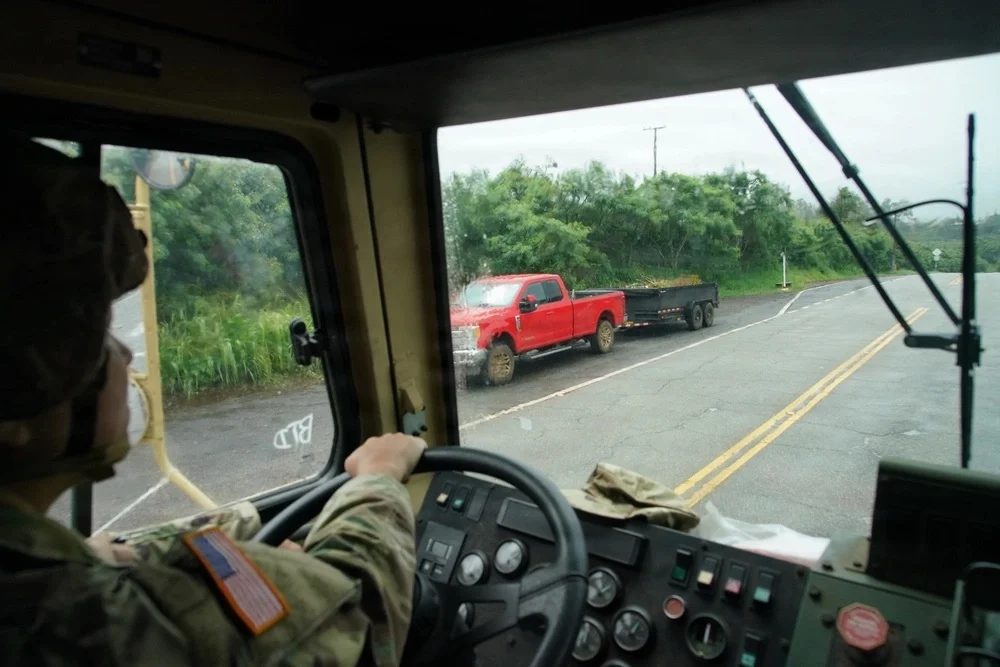
Two successive Kona low storm systems have inflicted widespread devastation across Hawaii’s agricultural landscape, resulting in estimated losses ranging from $11 million to over $15 million. The impact is particularly acute for the state’s iconic coffee sector, with millions in damages reported. In response, state and local organizations have initiated emergency relief programs and fundraising efforts to support struggling farmers as they begin the arduous process of recovery, a challenge further complicated by a significant lack of federal crop insurance among the state’s agricultural producers.
The Onset of Devastation: A Chronology of Storms
The first Kona low system made landfall on March 10, bringing with it torrential rains, flash flooding, and powerful winds that immediately began to batter farms statewide. This initial onslaught was followed by a second, equally potent Kona low that struck on March 19, exacerbating the damage and prolonging the period of adverse weather. Kona lows are a unique meteorological phenomenon in Hawaii, characterized by their ability to bring unseasonably heavy precipitation and turbulent conditions to the islands, often catching communities and industries unprepared for their severity.
The relentless nature of these back-to-back events meant that many farmers had little time to assess or mitigate the damage from the first storm before the second one hit. This compounded the destruction, leading to a more widespread and severe impact on crops, infrastructure, and livestock. Initial assessments, still being compiled, paint a grim picture of the immediate aftermath.
Quantifying the Damage: Millions Lost, Coffee Sector Hit Hardest
The full extent of the agricultural losses is still being meticulously calculated, but preliminary figures underscore the severity of the situation. The Hawaii Department of Agriculture and Biosecurity (DAB) has been at the forefront of gathering these initial damage reports. As of March 24, over $10.5 million in agricultural losses had been self-reported through a real-time dashboard managed by Agriculture Stewardship Hawaii in collaboration with farmer organizations. This dashboard had received nearly 250 responses, indicating that more than 1,000 acres of farmland had been affected. These figures are dynamic and are expected to rise as more farmers are able to fully assess the damage to their operations.
The coffee sector, a cornerstone of Hawaii’s agricultural economy and a significant draw for tourism, has borne a particularly heavy burden. One of the most stark examples of this devastation comes from Greenwell Farms, a historic coffee operation in South Kona, which has been continuously running for 176 years. According to reports, floodwaters unleashed by the Kona lows decimated decades-old coffee trees and destroyed approximately 24,000 nursery plants. Some of these young plants were intended for distribution to other growers, highlighting the ripple effect of the damage. The estimated total losses for Greenwell Farms alone are pegged at around $10 million. The immediate impact on this esteemed farm has been so profound that its website now states the "farm is closed until further notice," signaling a significant disruption to a long-standing agricultural institution.
Governor Josh Green has provided a broader perspective on the overall damage across the state, estimating that the total economic impact from these storms could exceed $1 billion. However, the focus for immediate relief efforts remains on the agricultural sector, where the direct impact on livelihoods and food production is most keenly felt.
Emergency Relief Measures: A Swift, Though Limited, Response
Recognizing the urgent needs of the agricultural community, the State of Hawaii has moved swiftly to implement emergency relief programs. On March 24, the Hawaii Department of Agriculture and Biosecurity (DAB) opened applications for an Emergency Farmer Relief Program. This initiative aims to provide a one-time grant of $1,500 to farms, ranches, and agricultural businesses across the entire state. The state has allocated $500,000 to this program, with a priority deadline for applications set for March 27. Awards are anticipated to be distributed the week of March 30, offering a much-needed immediate infusion of cash for immediate needs.
Sharon Hurd, chairperson of the Hawaii Board of Agriculture, emphasized the critical nature of this support. In the program announcement, she stated, "While the full impacts from the Kona Low 1 and Kona Low 2 storms are still being assessed, we know our agricultural producers have been severely impacted by these events." This sentiment underscores the understanding within state government of the dire situation faced by farmers and ranchers.
Broader Support Efforts: Community and Foundation Initiatives
Beyond the state’s direct aid, community and non-profit organizations have also stepped up to offer additional support. The Hawaii Agricultural Foundation (HAF) and the Hawaii Farm Bureau Federation (HFBF) have joined forces to establish a dedicated farmer relief fund. This fund is actively accepting donations, aiming to pool resources to provide further assistance to those most affected by the storms.
Brian Miyamoto, Executive Director of the Hawaii Farm Bureau Federation, articulated the widespread challenges faced by farmers. "The damage we’re seeing across the state is significant, especially for small and family-run farms," Miyamoto said. "Fields are underwater, crops are gone, and many are facing tough decisions about how to move forward." His statement highlights the emotional and financial toll these events are taking on the agricultural community, particularly those with fewer resources.
The Underlying Vulnerability: A Lack of Crop Insurance
A critical underlying issue exacerbating the impact of these storms is the remarkably low rate of federal crop insurance adoption among Hawaii’s farmers. According to a Hawaii Civil Beat report, only about 3% of the state’s farms currently carry federal crop insurance. This statistic reveals a significant systemic vulnerability within the agricultural sector. Crop insurance typically serves as a vital safety net, providing financial compensation to farmers for crop losses due to natural disasters, thereby enabling them to replant, recover, and sustain their operations.
The absence of this safety net means that the $11 million to $15 million in damages represents a direct, out-of-pocket loss for many farmers. This lack of insurance coverage not only jeopardizes individual farm businesses but also has broader implications for food security and the economic stability of rural communities within Hawaii. The current relief efforts, while crucial, are largely stop-gap measures designed to address immediate needs rather than long-term recovery and resilience building.
Next Steps for Farmers and Community
Affected coffee producers and other agricultural businesses are strongly encouraged to apply for the state’s emergency grant program. For individuals who may not have reliable internet access, the Governor’s Office of Recovery and Resiliency has established a hotline at 808-586-0034 to assist with applications and provide information.
Furthermore, the U.S. Department of Agriculture’s Farm Service Agency (FSA) is urging farmers to document their losses comprehensively. This includes taking detailed photos of damaged crops, fields, and any destroyed infrastructure. Documenting losses is a crucial step for farmers seeking any potential future federal assistance or disaster declarations.
The path to recovery for Hawaii’s agricultural sector will undoubtedly be long and challenging. The immediate response efforts are a testament to the resilience and collaborative spirit of the state and its communities. However, the long-term implications of these storms, compounded by the systemic issue of low crop insurance coverage, underscore the urgent need for discussions and strategies focused on building greater resilience within Hawaii’s vital agricultural industry. This includes exploring avenues to increase access to and affordability of crop insurance, as well as investing in infrastructure and practices that can better withstand the impacts of extreme weather events. The future of many farms, and indeed a significant part of Hawaii’s agricultural heritage, depends on these ongoing efforts.
