

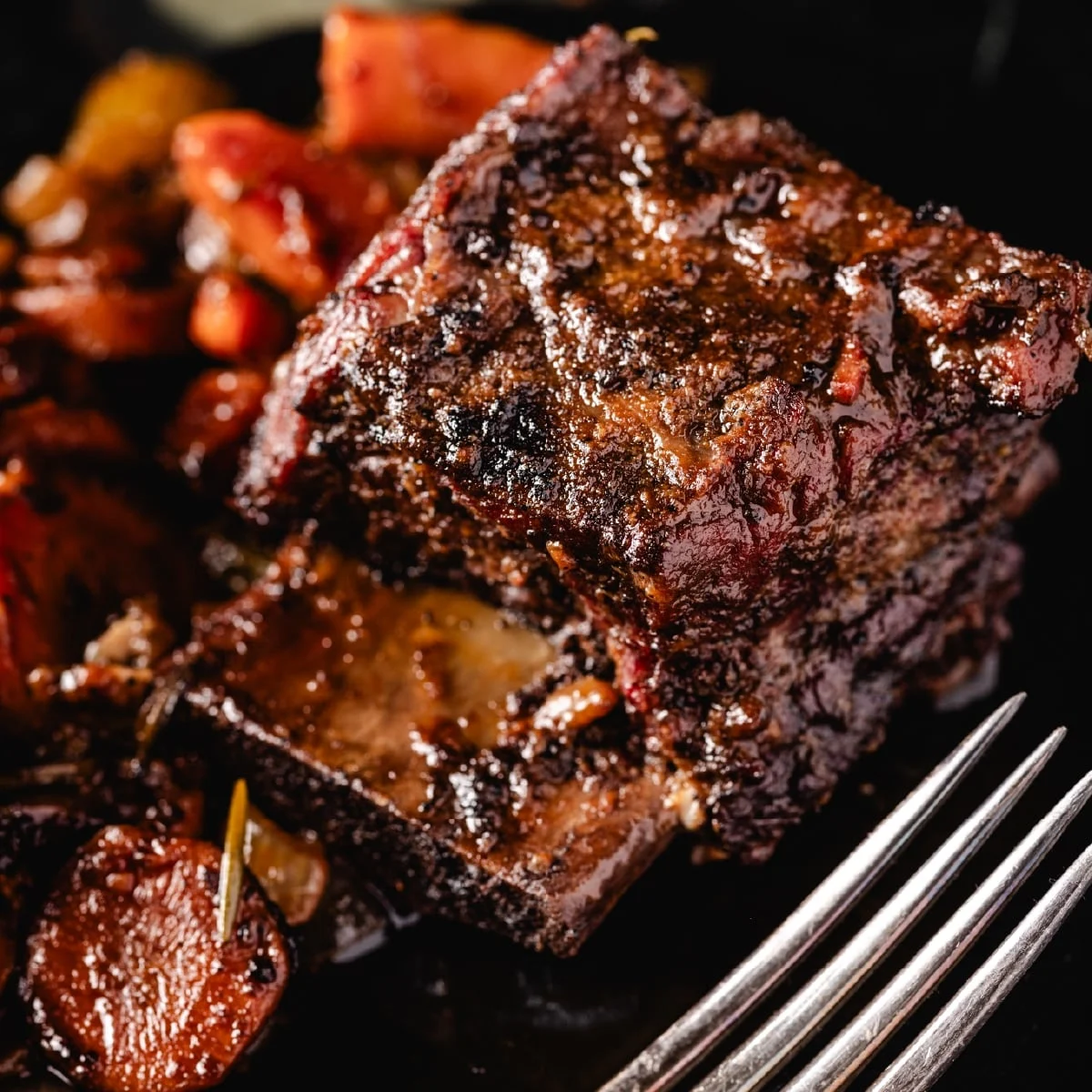
The integration of traditional indoor braising techniques with outdoor grilling has emerged as a significant trend in contemporary American gastronomy, exemplified by the recent publication of a comprehensive methodology for preparing braised beef short ribs on a grill. This culinary approach seeks to bridge the gap between the rustic charm of open-flame cooking and the refined, tender results typically associated with slow-simmered French cuisine. By utilizing a two-zone heating strategy, practitioners are able to achieve a complex flavor profile that incorporates the Maillard reaction through high-heat searing and the enzymatic breakdown of connective tissues through a controlled, liquid-based simmer. This report examines the technical requirements, chemical processes, and historical context of this increasingly popular outdoor cooking method.
Technical Framework of the Two-Zone Braising Method
The success of outdoor braising is predicated on the mastery of heat management, specifically the "two-zone" configuration. In this setup, the grill is divided into a direct heat side, where fuel or burners are active, and an indirect heat side, which relies on ambient convection. This duality is essential for the two-stage cooking process required for short ribs.

The initial phase involves "searing," a high-temperature application where the exterior of the beef is exposed to direct flame. This process triggers the Maillard reaction—a chemical reaction between amino acids and reducing sugars that gives browned food its distinctive flavor. Following the sear, the meat is transitioned to the indirect zone. At this stage, the ribs are submerged in a braising liquid within a heavy vessel, such as a cast-iron pot. The grill’s lid is closed, effectively transforming the unit into an outdoor oven. This environment allows the liquid to maintain a gentle simmer, facilitating the slow transformation of tough collagen into gelatin, which results in the "fall-off-the-bone" texture sought by culinary experts.
A Chronological Analysis of the Preparation and Cooking Process
The execution of high-quality braised short ribs follows a strict timeline to ensure food safety and optimal texture. According to the established methodology, the process can be broken down into five distinct chronological stages:
- Pre-Processing and Seasoning: The beef short ribs are prepared by applying a dense layer of seasoning. The primary components typically include salt, pepper, garlic powder, and onion powder. This "rub" serves as the foundation for the crust that will form during the searing phase.
- The High-Heat Sear: The grill is preheated to establish a high-temperature direct zone. The ribs are placed directly over the heat source to develop a crusty, caramelized exterior. This phase is brief but critical for flavor development.
- Mirepoix and Liquid Integration: Simultaneously, a braising vessel is prepared on the indirect side of the grill. A "mirepoix" of diced carrots, celery, and onions is combined with a complex liquid base consisting of red wine, beef stock, Worcestershire sauce, and butter.
- The Braising Cycle: Once seared, the ribs are transferred into the liquid. The vessel is covered, and the grill temperature is stabilized. The ribs must simmer for a duration of 2.5 to 3 hours. During this window, the internal temperature of the meat is monitored until it reaches approximately 210 degrees Fahrenheit.
- Resting and Service: Upon reaching the target temperature and achieving "fork-tender" status, the ribs are removed from the heat. A resting period allows the muscle fibers to reabsorb some of the braising juices before the dish is served, typically over a starch-based bed such as mashed potatoes or rice.
Supporting Data and Nutritional Composition
An analysis of the nutritional data associated with this specific preparation reveals a dish that is high in protein and essential minerals, though it is also calorie-dense, reflecting its status as a "comfort food" staple. Based on a standard serving size for six individuals, the nutritional breakdown is as follows:

- Energy Value: 506 kcal per serving.
- Macronutrients: 44g of protein, 30g of total fat (14g saturated), and 11g of carbohydrates.
- Micronutrients: The dish is particularly high in Vitamin A (7376 IU), largely attributed to the inclusion of carrots in the braise. It also provides significant amounts of Iron (6mg), Calcium (70mg), and Potassium (1278mg).
- Sodium Content: At 2791mg per serving, the dish represents a high-sodium meal, necessitated by the salt-heavy beef rubs and the reduction of beef stock and Worcestershire sauce during the simmering process.
The high protein content (44g) underscores the density of the short rib cut, which is derived from the serratus ventralis muscle. This specific cut is known for its high intramuscular fat (marbling), which contributes to the 30g of fat per serving but also provides the essential lubrication needed for a successful long-duration braise.
The Science of Braising: Why 210 Degrees Fahrenheit Matters
In most beef applications, such as steaks, an internal temperature of 210 degrees Fahrenheit would be considered overcooked. However, in the context of short ribs, this temperature is a scientific requirement. Beef short ribs contain high concentrations of Type I collagen. Unlike the tenderloin, which is low in connective tissue, short ribs are structural muscles that are naturally tough.
Collagen does not begin to significantly break down into gelatin until internal temperatures reach the 160–180 degree Fahrenheit range. However, the process is time-dependent. By maintaining the ribs at a simmer until they reach 210 degrees, the chef ensures that nearly all the collagen has hydrolyzed. This transformation is what creates the succulent, silky mouthfeel characteristic of a successful braise. The presence of red wine in the liquid also aids this process; the acidity of the wine helps to further weaken the protein structures, while the tannins provide a structural counterbalance to the richness of the beef fat.

Economic and Market Context of the Short Rib
The rise of recipes focusing on braised short ribs reflects a broader shift in the meat industry. Historically, short ribs were considered a "throwaway" or "value" cut, often relegated to ground beef or sold at very low price points. However, the "low and slow" movement in American BBQ and the popularization of bistronomy have elevated the status of the short rib.
Market data suggests that the demand for "bone-in" beef cuts has increased as consumers become more interested in traditional cooking methods. The short rib, specifically the "English cut" (cut parallel to the bone) or the "Flanken cut" (cut across the bone), has seen a steady increase in price per pound over the last decade. Culinary analysts attribute this to the cut’s versatility; it is equally at home in a high-end French red wine reduction as it is in a backyard smoker.
Statements and Reactions from the Culinary Community
Industry experts note that the move toward outdoor braising represents a maturation of the backyard griller. "We are seeing a transition from simple high-heat grilling to complex, multi-stage outdoor cooking," says a representative from the Hearth, Patio & Barbecue Association (HPBA). "Consumers are no longer satisfied with just burgers; they want to replicate the restaurant experience at home, which involves techniques like braising and smoking."

Susie Bulloch, the founder of the BBQ platform Hey Grill Hey and a prominent figure in the outdoor cooking space, has advocated for this method as a way to recreate "nostalgia with layers of flavor." Her approach emphasizes the use of umami-rich ingredients like Worcestershire sauce and garlic to enhance the natural beefiness of the ribs. Community feedback on these methods suggests a high success rate among amateur cooks, provided the two-zone heat is properly maintained.
Broader Impact and Implications for Modern Gastronomy
The democratization of professional cooking techniques through digital platforms has fundamentally changed how the public interacts with "tough" cuts of meat. The ability to braise effectively on a grill reduces the reliance on indoor kitchen appliances during warmer months and allows for a more social cooking environment.
Furthermore, the emphasis on "umami-rich" liquids—combining beef stock, wine, and fermented sauces—points to a more sophisticated understanding of flavor profiles among the general public. As more households adopt two-zone grilling, the distinction between "grilling" (fast, dry heat) and "barbecue" (slow, indirect heat) continues to blur, leading to a more hybrid form of outdoor culinary art.

In conclusion, the practice of braising beef short ribs on an outdoor grill is more than a simple recipe; it is an exercise in thermodynamics and biochemistry. By understanding the relationship between heat zones, collagen breakdown, and the Maillard reaction, the modern outdoor cook can transform a once-overlooked cut of beef into a centerpiece of high-end gastronomy. As the trend toward outdoor kitchens continues to grow, such techniques are expected to become standard repertoire for the "Backyard BBQ Hero," further evolving the landscape of American food culture.
