

The world of marketing and public discourse has undergone a profound transformation, evolving from traditional billboards and conventional advertising campaigns to a complex, often bewildering, landscape where spectacle, stunt, and genuine social impact intertwine. This shift is evident across diverse sectors, from the calculated absurdity of corporate social media stunts to the earnest efforts in public health and community-led food initiatives. The lines between entertainment, engagement, and effective communication are increasingly blurred, demanding a new level of scrutiny and understanding from consumers and commentators alike.
Recent weeks have offered a compelling cross-section of this dynamic environment. We’ve witnessed A24, the renowned independent film studio, launch unconventional promotional tactics like themed wedding chapels for upcoming films, and the pop artist Charli XCX’s album ‘Brat’ inspire a line of branded credit cards. Even the protein bar company David garnered attention by sending vibrators as part of a marketing campaign – a move that undoubtedly sparked lively discussions in boardrooms. These instances highlight a pervasive trend: marketing has embraced the bizarre, leveraging shock, humor, and interactive experiences to cut through the noise of an oversaturated digital sphere. This strategic embrace of the unconventional often aims to generate viral attention, turning what might once have been considered an "outrage" into a highly effective, if occasionally perplexing, marketing play.
Amidst this backdrop, a particularly striking event involved the CEO of a global fast-food giant, McDonald’s, whose seemingly awkward attempt to endorse a new product sparked widespread commentary, quickly escalating into a viral sensation and raising questions about authenticity versus calculated digital strategy. Beyond the corporate theatrics, other significant developments underscore the broader shifts in public engagement: the influential TikTok food critic Keith Lee transitioned into a restaurant investor, prompting discussions about influencer ethics; Robert F. Kennedy Jr., in his capacity as Health and Human Services Secretary, ignited a regional firestorm with his focus on sugary beverages, challenging a beloved cultural institution; and a groundbreaking, city-subsidized grocery store in Atlanta emerged as a potential blueprint for addressing food insecurity, drawing attention from policymakers in New York. These diverse narratives collectively paint a picture of an era where public figures, corporate entities, and community leaders navigate a constantly shifting terrain of communication and impact.
The McDonald’s CEO Incident: A Viral Marketing Spectacle
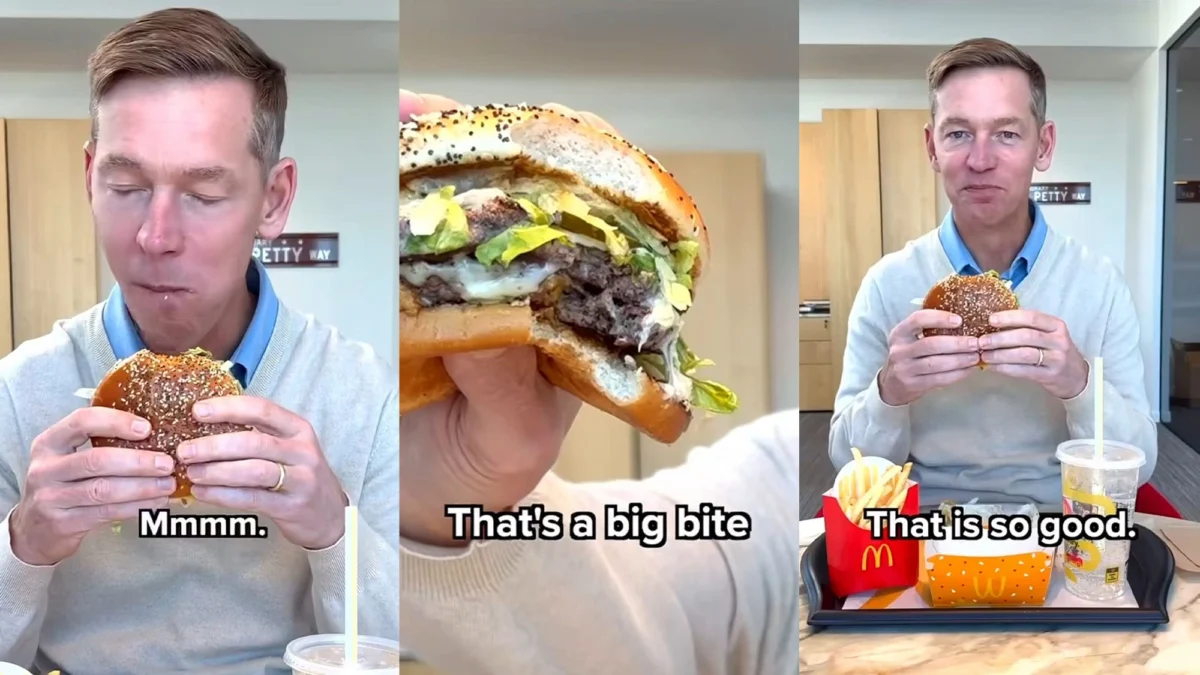
The corporate world found itself under the social media microscope following a peculiar video featuring Chris Kempczinski, the CEO of McDonald’s. The video, released approximately two weeks ago, intended to introduce the company’s latest menu item, the "Big Arch" burger – a creation distinguished by its sesame and poppy seed bun and proprietary ingredients. However, it was Kempczinski’s seemingly detached demeanor and an almost imperceptible bite of the burger that instantly captivated and bewildered online audiences. Commenters quickly highlighted his robotic tone, his repeated reference to the burger as a "product" rather than food, and the strikingly minuscule portion he consumed, leading many to speculate whether he had ever truly eaten a McDonald’s burger before. The video quickly amassed millions of views, but not for the reasons McDonald’s might have initially hoped; instead, it became a focal point for widespread ridicule and accusations of corporate disconnect.
Chronology of a Viral Backlash:
- Initial Release: Chris Kempczinski’s video promoting the "Big Arch" burger is uploaded to social media platforms, likely McDonald’s official channels and the CEO’s personal profiles.
- Immediate Public Reaction: Social media users quickly pounce on the CEO’s awkward delivery and tiny bite, generating a wave of memes, sarcastic comments, and critical analysis regarding his perceived lack of enthusiasm for his own company’s product. Hashtags related to "McDonaldsCEO" and "BigArch" trended.
- Competitors Seize Opportunity: Observing the viral backlash, rival fast-food chains swiftly capitalized on the moment.
- Burger King: Josh Kobza, CEO of Burger King, released his own video, pointedly taking a demonstrably hearty and enthusiastic bite of a Whopper, directly contrasting Kempczinski’s cautious nibble. This move was widely lauded by consumers as authentic and playful.
- Wendy’s: Not to be outdone, Wendy’s, known for its sassy social media presence, also joined the fray. Their U.S. President, Kirk Tanner, showcased a robust bite of a Dave’s Triple, further fueling the "burger wars" narrative.
- A&W: The CEO of A&W also participated, demonstrating a genuine enjoyment of their own burger, solidifying the narrative of fast-food leaders proudly consuming their offerings.
- "Viral Marketing Psyop" Theory Emerges: As the cascade of reactions continued, a significant number of commentators and online analysts began suggesting that Kempczinski’s video, despite its initial awkwardness, might have been an intentional "viral marketing psyop." The theory posited that the CEO’s bizarre behavior was a calculated move to generate controversy, ensuring maximum exposure for the "Big Arch" burger and McDonald’s itself, regardless of whether the attention was positive or negative.
Background and Supporting Data:
The fast-food industry has a long history of competitive advertising, often dubbed "burger wars," where brands directly or indirectly challenge each other’s products and marketing claims. In the digital age, this rivalry has intensified on social media, where quick, witty, and often provocative responses can generate immense organic reach. The "authenticity crisis" in corporate leadership is also a well-documented phenomenon; consumers increasingly demand transparency and genuine engagement from brand representatives, particularly CEOs. Data from various marketing studies consistently show that content that elicits strong emotional responses, even negative ones like outrage or amusement, often achieves higher engagement rates and wider distribution than purely positive or informational content. A 2023 study by a leading digital marketing firm indicated that "controversial viral content" could yield up to 300% more shares than neutral brand messaging, albeit with inherent risks to brand perception.
Analysis and Implications:
Whether Chris Kempczinski’s video was a genuine gaffe or a meticulously orchestrated marketing ploy remains a subject of debate. However, its outcome is undeniable: it generated an enormous amount of conversation around McDonald’s and its new product. If it was an intentional "psyop," it was remarkably successful in achieving widespread brand recall and engaging competitors in a public dialogue, all without significant direct advertising spend. The subsequent "burgermogging" by rival CEOs further amplified the conversation, creating a self-sustaining viral loop.
The incident highlights the evolving nature of corporate communication. In an era dominated by social media, traditional PR strategies are often overshadowed by content that sparks immediate, visceral reactions. While some might argue that such tactics risk alienating consumers who value sincerity, others contend that any publicity is good publicity, especially when it creates significant cultural resonance. For McDonald’s, the long-term implications will hinge on whether the initial viral buzz translates into actual sales of the "Big Arch" and whether the brand can navigate the delicate balance between corporate image and the pursuit of viral engagement. The episode serves as a potent reminder that in the digital age, a single, seemingly innocuous action by a company leader can ignite a global conversation, intentionally or otherwise.
Keith Lee: From TikTok Dynamo to Restaurant Investor
Keith Lee, the undisputed titan of TikTok food reviews, has embarked on a new chapter, transitioning from solely critiquing culinary offerings to actively investing in them. With over 17 million followers, Lee has cultivated an unparalleled influence, capable of single-handedly altering the fortunes of small, local eateries through what has become known as the "Keith Lee Effect." His raw, front-facing videos, characterized by honest, unvarnished opinions and a focus on uplifting community businesses, have resonated deeply with a global audience. Now, Lee is applying his Midas touch not just through reviews but through direct capital, announcing his investment in the Brooklyn Dumpling Shop, a burgeoning chain with locations spanning the U.S. and Canada.
The Genesis of Influence and Investment:
Lee’s journey to prominence began with his straightforward, no-frills reviews, often highlighting hidden gems in underserved communities. His impact is legendary; countless small businesses have reported unprecedented surges in customers and revenue after a positive Keith Lee review, some even crediting him with saving their establishments from closure. This unique power has positioned him as a rare voice of authenticity in the often-commercialized world of influencer marketing.
His move into restaurant investment, announced recently, represents a significant evolution of his brand. While many influencers leverage their platforms for paid endorsements, Lee’s decision to become an equity holder in a restaurant chain raises pertinent questions about potential conflicts of interest. Addressing these concerns directly in an interview, Lee firmly stated his commitment to maintaining his journalistic integrity: "I will always give my honest opinion." When pressed on whether this extended to potentially negative reviews of his own investment, the Brooklyn Dumpling Shop, he responded without hesitation, "Absolutely. Without hesitation."
Background and Supporting Data:
The rise of food influencers like Keith Lee mirrors a broader trend in consumer behavior, where traditional media endorsements are being supplanted by peer-to-peer recommendations and authentic voices on social media. Data from a 2023 influencer marketing report revealed that 61% of consumers trust influencer recommendations more than brand content, with micro and nano-influencers often perceived as more credible. Lee’s success, however, transcends typical influencer metrics, demonstrating a capacity to drive tangible economic impact for local businesses.
Brooklyn Dumpling Shop, established on an automat-style concept, has aimed for rapid expansion. However, its reputation among the general public and online communities has been mixed. Numerous Reddit threads and local reviews across various cities where the chain operates — including Philadelphia, Hoboken, and Austin — frequently "decry" the quality and pricing of its dumplings and other menu items. This widespread skepticism makes Lee’s investment particularly intriguing, as it contrasts sharply with his usual focus on discovering and elevating already-beloved local spots. Despite the public’s divided opinion, Lee himself has publicly reviewed the Brooklyn Dumpling Shop positively on his TikTok, and his followers largely concurred with his assessment.
Analysis and Implications:
Keith Lee’s foray into restaurant investment signifies a maturing phase for influencer culture, where prominent voices are moving beyond mere content creation to direct participation in the businesses they review. This development presents both immense opportunities and complex challenges.
For Brooklyn Dumpling Shop, Lee’s investment brings not only capital but also an invaluable endorsement and an immediate surge in visibility, potentially mitigating previous negative perceptions. His loyal following could drive significant traffic to its numerous locations, offering a lifeline or a significant boost to its expansion strategy.
For Lee, the challenge lies in upholding his promise of unwavering honesty. The integrity of his reviews is the cornerstone of his brand. Should he ever deliver a less-than-stellar review for a Brooklyn Dumpling Shop item, it would undeniably test his stated commitment to objectivity. However, his willingness to address this potential conflict head-on suggests a thoughtful approach to managing his dual roles. His philosophy, "Everybody’s taste buds are different. You can’t discredit somebody’s opinion because their opinion is different than yours," provides a framework for understanding his diverse palate and his openness to different culinary experiences, even those with mixed public reception.
This move by Keith Lee could set a precedent for other influential figures, blurring the lines between critic, promoter, and entrepreneur. It underscores the growing power of digital tastemakers and their increasing integration into the fabric of the food industry, demanding new ethical considerations and a transparent approach to their evolving roles.
RFK Jr. and the "Dunkin’ War": Public Health vs. Cultural Identity
A new front in the ongoing debate over public health and dietary choices has opened, this time targeting an iconic American institution: Dunkin’. Robert F. Kennedy Jr., in his influential capacity as the Health and Human Services Secretary, has made healthy eating a cornerstone of his agenda. Following the unveiling of his controversial "inverted food pyramid," which prioritizes meat proteins and de-emphasizes carbohydrates and processed foods, RFK Jr. has now turned his attention to the sugar content in popular beverages, specifically targeting Dunkin’ and Starbucks iced coffees.
The Secretary’s Challenge and Regional Outcry:
Speaking at an Austin rally, Secretary Kennedy issued a direct challenge to the coffee giants: "We’re going to ask Dunkin’ Donuts and Starbucks… Show us the safety data that show that it’s okay for a teenage girl to drink an iced coffee with 115 grams of sugar in it." His statement, echoing broader public health concerns about excessive sugar consumption, immediately sent shockwaves through the cultural landscape, particularly in New England, where Dunkin’ is not merely a coffee chain but a deeply ingrained symbol of regional identity and daily life.
The reaction from New England was swift and vociferous. For many Bostonians and residents across the region, Dunkin’ represents more than just a morning caffeine fix; it’s a cultural touchstone, a source of local pride, and an essential part of their routine. The notion of government intervention targeting their beloved iced coffee was met with outrage, perceived as an attack on personal liberty and regional heritage. Massachusetts Governor Maura Healey quickly emerged as a vocal defender, posting a defiant, Clipart-style rendering of a Dunkin’ cup emblazoned with the words "Come and Take It" – a historical rallying cry symbolizing resistance against perceived governmental overreach. This gubernatorial endorsement further galvanized public sentiment.
According to reports from Axios, the digital backlash escalated quickly, with numerous users on X (formerly Twitter) threatening a "Boston Tea Party-style revolt" should any government action attempt to restrict access to their cherished coffees. The comments underscored the profound emotional connection many New Englanders have with the brand, elevating the debate from a public health issue to a matter of regional identity and self-determination.
Background and Supporting Data:
The debate over sugar consumption and its impact on public health is long-standing. Organizations like the World Health Organization and the American Heart Association have consistently recommended limiting daily sugar intake due to its links to obesity, type 2 diabetes, and cardiovascular diseases. A typical adult daily sugar intake recommendation is often around 25-36 grams, making a 115-gram sugar beverage a significant concern from a public health perspective.
However, government intervention in dietary choices often sparks controversy. Historically, efforts to influence public eating habits, such as soda taxes or mandatory nutritional labeling, have been met with resistance, often framed as infringements on personal freedom and consumer choice. The cultural significance of brands like Dunkin’ in specific regions further complicates these debates. In New England, Dunkin’ holds a unique status, with a higher per capita store count and a deeper cultural penetration than almost any other chain. It is a daily ritual, a social connector, and a source of communal identity.
Analysis and Implications:
RFK Jr.’s challenge to Dunkin’ and Starbucks encapsulates a fundamental tension in modern society: the balance between public health mandates and individual liberty, often exacerbated by strong cultural attachments. From a public health standpoint, the high sugar content in many popular beverages is an undeniable concern, and Secretary Kennedy’s stance aligns with efforts to promote healthier dietary habits.
However, the intense backlash from New England highlights the political and cultural minefield that policymakers navigate when addressing such issues. The "Come and Take It" response from Governor Healey and the threats of a "Boston Tea Party" illustrate how easily a policy discussion can morph into a broader debate about regional pride and perceived governmental overreach. This incident underscores the powerful emotional and cultural capital that certain brands possess, making them potent symbols in larger political and social discussions.
The "Dunkin’ War" serves as a microcosm of the challenges faced by public health advocates in an era of polarized politics and deeply ingrained consumer habits. While the scientific evidence for reducing sugar intake is robust, implementing policies to achieve this often collides with deeply held beliefs about freedom of choice and loyalty to cultural institutions. The outcome of this particular skirmish will undoubtedly influence how future public health initiatives are framed and received, particularly when they touch upon cherished consumer behaviors.
Atlanta’s Free Grocery Store: A Blueprint for Urban Food Security
In New York City, mayoral candidate Zohran Mamdani campaigned last year on an ambitious platform aimed at making urban living more affordable, notably including the promise of city-owned grocery stores. While the concept might seem novel to many, a pioneering model for addressing food insecurity has already taken root in Atlanta, Georgia. Under the leadership of Mayor Andre Dickens, Atlanta has successfully implemented a unique approach: providing city funding to subsidize a privately owned municipal grocery store, which offers essential staples at significantly reduced prices, or even free for qualifying residents. This innovative model has garnered national attention and is now being closely examined as a potential blueprint for other cities grappling with food deserts and affordability crises.
The Atlanta Model in Practice:
Opened last summer, Atlanta’s subsidized grocery store is a direct response to the pervasive issue of food deserts – urban areas where residents lack convenient access to affordable, nutritious food. Unlike traditional food banks, which often rely on donations and can carry a stigma, this store operates as a regular grocery outlet. It stocks a comprehensive range of essential ingredients, from fresh produce and dairy to eggs and bread, ensuring that residents have consistent access to healthy options. The key distinction lies in its funding mechanism: city subsidies enable the store to offer products at prices substantially below market rate, effectively making healthy food accessible to low-income families and individuals. For certain demographics, through partnerships with local non-profits and social services, some items can be obtained at no cost.
Writer Bryce Covert’s recent report for Bon Appétit detailed the store’s operations and initial success, highlighting its impact on the local community. The report noted that the store has not only provided much-needed affordable food but has also fostered a sense of dignity and community, allowing residents to shop with choice rather than relying on handouts.
Background and Supporting Data:
Food insecurity remains a critical challenge in urban centers across the United States. According to the USDA, in 2022, 12.8% of U.S. households were food insecure. In large metropolitan areas like New York City and Atlanta, specific neighborhoods often experience significantly higher rates, with residents traveling long distances or relying on convenience stores with limited healthy options. Food deserts contribute to higher rates of diet-related illnesses, exacerbating health disparities.
Various strategies have been deployed to combat food deserts, including community gardens, farmers’ markets with SNAP benefits, and mobile food pantries. However, the concept of a publicly supported, traditional grocery store model is relatively new. Atlanta’s model blends public funding with private operation, aiming for efficiency and sustained supply chains while addressing the core affordability issue.
Statements and Reactions:
Atlanta city officials, including Mayor Dickens, have expressed pride in the store’s initial performance. They highlight its dual benefits: providing immediate relief to food-insecure households and serving as an economic anchor in previously underserved neighborhoods. "This isn’t just about food; it’s about dignity, health, and community empowerment," a spokesperson for the Mayor’s office might state, emphasizing the store’s role in holistic urban development.
In New York, Zohran Mamdani’s team has reportedly been studying the Atlanta model closely. While specific details of their planned implementation remain in development, they recognize the value of an existing, functional prototype. Mamdani’s representatives might express that "Atlanta offers valuable lessons in how to structure such initiatives, balancing public investment with operational realities to truly serve residents effectively." Community leaders and residents in Atlanta have also voiced overwhelming support, citing improved access to fresh produce and significant relief on their household budgets. Urban planning experts and food policy advocates view the Atlanta store as a critical step forward, providing empirical data on the feasibility and impact of such programs.
Analysis and Implications:
Atlanta’s subsidized grocery store represents a significant departure from conventional approaches to food insecurity and offers a compelling case study for cities like New York. The model’s success hinges on several factors: the strategic allocation of city funds, effective partnerships with private operators, and a deep understanding of community needs. By subsidizing a "for-profit" operation, the city can potentially leverage private sector efficiency while ensuring public benefit.
The implications for urban policy are substantial. If scaled effectively, such models could drastically improve food access, enhance public health outcomes, and contribute to economic stability in low-income neighborhoods. Challenges will include securing sustained funding, managing logistics for perishable goods, and navigating potential competition or collaboration with existing grocery chains. However, the Atlanta example demonstrates that with creative policy and strong political will, cities can move beyond merely alleviating hunger to building sustainable, equitable food systems. For Zohran Mamdani and his team, the Atlanta store provides not just inspiration but also practical insights into the complexities and potential triumphs of delivering on ambitious promises of urban affordability and food justice.
The diverse narratives unfolding across the realms of marketing, public health, and community initiatives collectively illustrate a dynamic and often unpredictable era of public engagement. From viral corporate stunts that blur the lines between advertising and entertainment, to the evolving ethics of influencer-driven commerce, and the clash between public health mandates and deeply ingrained cultural practices, these stories reflect a society grappling with new forms of communication and influence. Simultaneously, innovative solutions like Atlanta’s subsidized grocery store demonstrate a renewed commitment to addressing fundamental social inequities through novel urban policies. As these trends continue to converge and evolve, the ability to discern authenticity, critically evaluate information, and engage thoughtfully with complex issues will become increasingly vital for individuals, corporations, and governments alike.
