

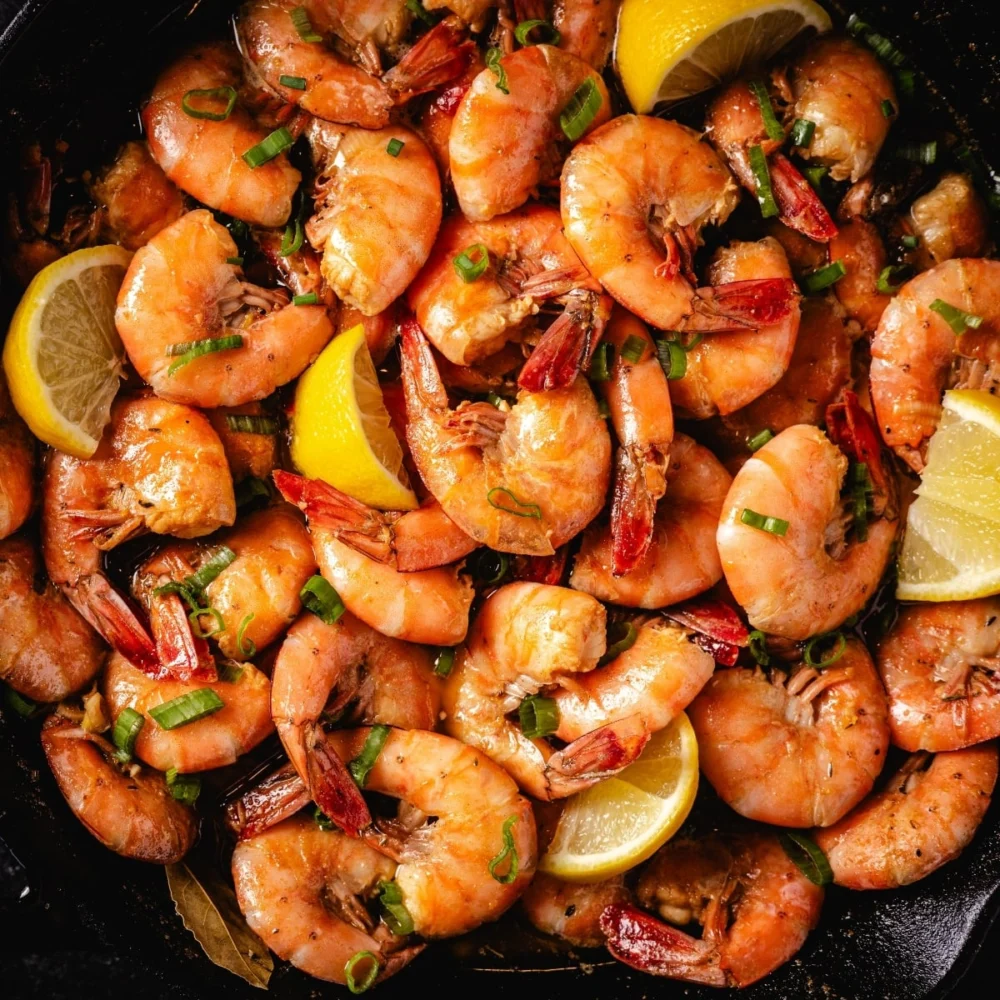
The culinary landscape of the American South is defined by its ability to merge disparate cultural influences into cohesive, soul-stirring dishes, and few recipes exemplify this better than New Orleans BBQ Shrimp. Despite its name, the dish traditionally involves neither a grill nor barbecue sauce; instead, it is defined by a decadent, buttery, and spice-laden broth that has become a staple of Louisiana Creole cuisine. Recent adaptations of this classic, specifically those pioneered by culinary experts like Susie Bulloch of Hey Grill Hey, have sought to bridge the gap between the traditional stovetop method and the authentic smoke-infused techniques of modern backyard barbecuing. This evolution represents a significant shift in how regional seafood staples are prepared, emphasizing the depth of flavor provided by wood-fired heat while maintaining the integrity of the original mid-century recipe.
The Historical Provenance of a Misnamed Classic
To understand the significance of New Orleans BBQ Shrimp, one must first address the linguistic anomaly of its name. The dish originated in 1953 at Pascal’s Manale, a historic Italian-creole restaurant located on Napoleon Avenue in the Uptown neighborhood of New Orleans. According to local lore, a regular customer returned from a trip to Chicago and described a shrimp dish he had eaten there. The chef, Jake Tusa, attempted to recreate it based on the description, resulting in a unique concoction of butter, black pepper, and various spices. Because the resulting sauce was dark, rich, and tangy—reminiscent of the mahogany hues of barbecue sauce—the name "BBQ Shrimp" was applied, despite the shrimp being sautéed in a skillet rather than cooked over coals.
For over seventy years, the recipe remained largely confined to the oven or the stovetop. The traditional preparation requires head-on, shell-on jumbo shrimp submerged in a sauce composed of massive quantities of unsalted butter, Worcestershire sauce, lemon juice, garlic, and a proprietary blend of Creole seasonings. The shell-on preparation is not merely a stylistic choice; the shells and heads contain concentrated oils and minerals that, when simmered, create a profound umami depth in the broth that peeled shrimp simply cannot replicate.

The Modern Smoked Adaptation: Technical Execution
The transition of New Orleans BBQ Shrimp from the kitchen range to the outdoor smoker represents a contemporary innovation in the BBQ community. By introducing wood smoke—typically mild fruitwoods like apple or cherry, or the more traditional pecan—the dish gains a layer of complexity that complements the sharpness of the Worcestershire sauce and the richness of the butter.
The technical process begins with the selection of high-quality Gulf shrimp. Experts suggest using 10/15 or 16/20 count shrimp to ensure they are large enough to withstand the heat of the smoker without overcooking. The preparation involves layering the shrimp in a cast-iron skillet, which serves as a superior vessel for heat retention and even distribution. The sauce is whisked together—combining melted butter with garlic, lemon, and a heavy hand of Cajun seasoning—and poured over the seafood.
In the smoking method, the grill is typically preheated to a temperature between 225°F and 250°F. The skillet is placed on the grates, allowing the smoke to permeate the liquid and the porous shells of the shrimp. This process generally takes between 15 to 20 minutes. The objective is to reach an internal temperature where the shrimp are opaque and firm but still tender. Overcooking shrimp in a high-fat environment like a butter sauce can lead to a rubbery texture, making timing the most critical variable in the process.
Nutritional Profile and Ingredient Analysis
The nutritional composition of New Orleans BBQ Shrimp reflects its status as an indulgent, celebratory meal. Based on standardized recipe calculations, a single serving (approximately one-fourth of a standard recipe) contains the following:

- Calories: 444 kcal
- Total Fat: 46g
- Saturated Fat: 29g
- Cholesterol: 121mg
- Sodium: 628mg
- Carbohydrates: 11g
- Protein: 2g (Note: This figure varies significantly based on the volume of shrimp consumed per serving)
- Vitamin A: 1534 IU
- Vitamin C: 35mg
The high fat content is primarily derived from the butter, which acts as the primary vehicle for the fat-soluble compounds found in the garlic and spices. The Worcestershire sauce provides the necessary acidity and fermented depth, while the lemon juice cuts through the richness to provide a balanced palate. From a health perspective, the dish is high in saturated fats and sodium, suggesting it is best enjoyed as an occasional delicacy rather than a dietary staple. However, the inclusion of fresh garlic and lemon provides essential micronutrients and antioxidants.
The Social and Sensory Experience of Consumption
New Orleans BBQ Shrimp is inherently a communal and tactile experience. In journalistic accounts of New Orleans dining, the dish is frequently described as "messy," a term used here not as a pejorative but as a testament to its authenticity. Because the shrimp are served in their shells, diners must engage physically with the food, peeling the shrimp by hand. This slows the pace of the meal, encouraging social interaction and a deeper appreciation for the textures and aromas of the dish.
A critical component of the service is the accompaniment of crusty French bread. The "sopping" of the sauce is considered an essential part of the ritual. The bread acts as a sponge for the butter-based broth, which has been infused with the essence of the shrimp shells and the kiss of wood smoke. Without the bread, a significant portion of the flavor profile—the liquid gold at the bottom of the skillet—would be lost.
Industry Perspectives: The Influence of "BBQ Boss Ladies"
The popularization of this smoked variation can be attributed to the rise of digital culinary influencers who specialize in outdoor cooking. Susie Bulloch, the founder of Hey Grill Hey, has been a central figure in this movement. As a "BBQ Boss Lady" who has appeared on the Food Network and holds multiple Guinness World Records, Bulloch has leveraged her platform to demystify complex regional recipes for the backyard cook.

Her approach emphasizes accessibility without sacrificing the "low and slow" philosophy of traditional barbecue. By updating her 2021 recipe with refined techniques and clearer instructional data, she has contributed to a broader trend of "backyard heroism," where home cooks are empowered to replicate restaurant-quality regional specialties. The reaction from the BBQ community has been overwhelmingly positive, with many noting that the addition of smoke solves the one missing element in the original Pascal’s Manale formula: an authentic fire-roasted undertone.
Broader Implications for Southern Culinary Evolution
The evolution of New Orleans BBQ Shrimp from a stovetop accident to a smoked delicacy reflects a larger trend in American gastronomy: the democratization and fusion of regional styles. As smoking technology, such as pellet grills and electric smokers, becomes more prevalent in suburban households, dishes that were once strictly "indoor" recipes are being reimagined for the patio.
Furthermore, this dish highlights the resilience of Creole flavors. Despite the "barbecue" misnomer, the core identity of the dish—its reliance on the holy trinity of butter, citrus, and spice—remains unshakable. The integration of smoke does not overwrite the history of the dish; rather, it honors the "BBQ" name that was mistakenly given to it in 1953, finally aligning the nomenclature with the cooking method.
In the broader context of the seafood industry, the continued popularity of such dishes supports the demand for domestic Gulf shrimp. As the industry faces challenges from imported, farm-raised alternatives, the culinary emphasis on "head-on, shell-on" freshness serves as a vital marketing tool for domestic shrimpers, who provide the superior product necessary for this specific preparation.

Conclusion: A Testament to Culinary Innovation
New Orleans BBQ Shrimp stands as a vibrant example of how a recipe can evolve while remaining tethered to its roots. Whether prepared in a professional kitchen in the French Quarter or on a smoker in a suburban backyard, the dish remains a pinnacle of Southern comfort food. It challenges the diner to embrace the mess, celebrate the ingredients, and participate in a tradition that spans seven decades. As culinary techniques continue to advance, the marriage of classic Creole flavors with modern smoking methods ensures that this "barbecue" dish—misnamed as it may be—will continue to hold its place as a masterpiece of American regional cooking. For those seeking to master the art of the backyard grill, it offers a perfect entry point into the world of smoked seafood, promising a reward that is as rich in history as it is in flavor.
