

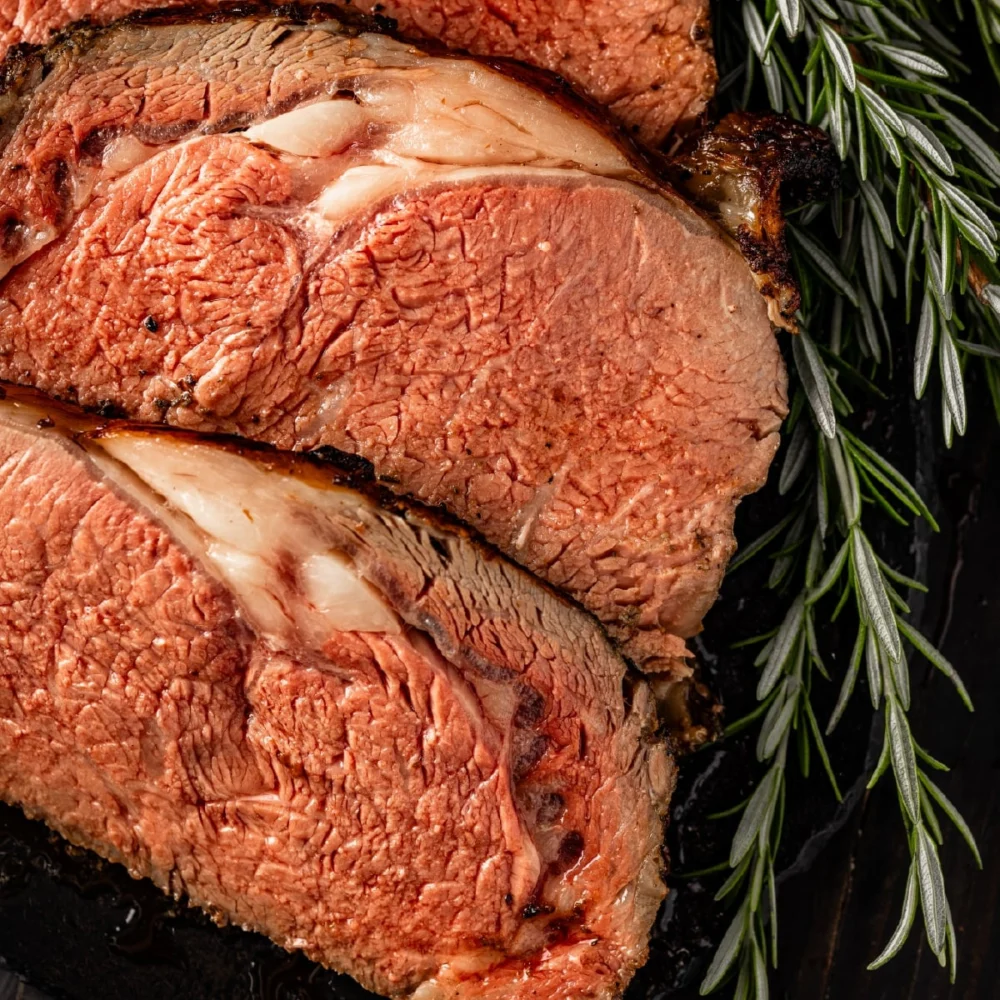
The landscape of domestic holiday catering is undergoing a significant transformation as precision temperature control, once the exclusive domain of high-end restaurant kitchens, becomes increasingly accessible to home cooks. Central to this shift is the application of the sous vide method to premium beef cuts, specifically the prime rib roast. By utilizing vacuum-sealing technology and immersion circulation, culinary enthusiasts are now able to achieve a level of edge-to-edge medium-rare consistency that was previously difficult to replicate in conventional home ovens. This transition toward "low and slow" water-bath cooking represents a broader trend in culinary science, where thermodynamics and precise enzyme management take precedence over traditional high-heat roasting.
The prime rib, or standing rib roast, remains one of the most expensive and prized cuts of beef available to the consumer. Traditionally, this cut is prepared using dry-heat roasting, a method that often results in a "bullseye" effect: a well-done exterior tapering into a medium-rare center. However, the adoption of sous vide—a French term meaning "under vacuum"—eliminates this thermal gradient. By maintaining a constant water temperature of 129 degrees Fahrenheit (53.9 degrees Celsius), the meat is brought to an exact internal state without the risk of overcooking, ensuring that every ounce of the expensive protein is served at the diner’s preferred level of doneness.

The Science and Thermodynamics of Sous Vide Preparation
The efficacy of the sous vide method lies in its ability to facilitate the slow breakdown of connective tissues while preserving the integrity of muscle fibers. When a prime rib roast is subjected to a constant temperature of 129 degrees Fahrenheit for an extended duration, typically eight hours for a six-pound roast, several biological and chemical processes occur.
First, the low-temperature environment allows for the activity of cathepsins—endogenous enzymes that naturally tenderize meat. In high-heat roasting, these enzymes are denatured almost instantly. In a sous vide environment, they remain active for a longer period, resulting in a more tender final product. Second, because the meat is sealed in a non-permeable vacuum bag, moisture loss through evaporation is virtually eliminated. Traditional roasting can result in a weight loss of up to 25 percent due to moisture evaporation; sous vide reduces this significantly, maintaining the juiciness of the roast.
Furthermore, the precision of the immersion circulator ensures that the exterior of the meat never exceeds the target temperature. In a standard oven set to 325 degrees Fahrenheit, the outer layers of the beef are subjected to extreme heat while the center remains cold. This disparity leads to the contraction of muscle fibers, which squeezes out flavorful juices. Sous vide prevents this contraction, resulting in a uniform texture and flavor profile throughout the entire cut.

Chronology of the Sous Vide Prime Rib Process
The execution of a perfect sous vide prime rib follows a rigorous chronological sequence, beginning with preparation and ending with the critical "reverse sear."
- Preparation and Seasoning: The process begins with a high-quality prime rib roast, often tied with butcher’s twine to maintain a uniform cylindrical shape. The meat is coated in a specialized dry rub—typically a combination of kosher salt, coarse black pepper, garlic powder, onion powder, and dried herbs like rosemary and thyme. This "dry brine" begins to penetrate the surface of the meat immediately upon application.
- Vacuum Sealing: The seasoned roast is placed into a heavy-duty plastic bag. A vacuum sealer removes the oxygen, ensuring maximum contact between the meat and the bag while preventing the roast from floating. For those without specialized equipment, the displacement method using zip-top bags is an alternative, though vacuum sealing is preferred for long-duration cooks to prevent bag failure.
- The Water Bath: The immersion circulator is set to 129 degrees Fahrenheit. Once the water reaches equilibrium, the bagged roast is submerged. For a standard six-pound roast, a duration of eight hours is required to ensure the heat has fully penetrated to the core and the collagen has begun to soften.
- The Cooling Phase: Upon removal from the water bath, the meat is technically fully cooked but lacks the aesthetic and flavorful crust associated with traditional roasts. It is often recommended to let the meat rest or even briefly chill to ensure the interior temperature does not rise during the final searing phase.
- The Final Sear: To achieve the "bark" or Maillard reaction, the roast is removed from the bag, patted dry to remove surface moisture, and subjected to intense heat. This can be achieved via a high-temperature grill, a cast-iron skillet, or a specialized culinary torch. This phase lasts only minutes, as the goal is to brown the exterior without cooking the interior further.
Technical Requirements and Market Evolution
The rise of this method is closely tied to the evolution of culinary hardware. A decade ago, immersion circulators were bulky, industrial machines costing upwards of $1,000. Today, consumer-grade devices from manufacturers such as Anova and Joule have brought the price point below $200, making precision cooking a viable option for the average household.
Data from market research firms indicate that the global sous vide machine market is expected to grow at a compound annual growth rate (CAGR) of over 5 percent through 2030. This growth is driven by a heightened consumer interest in "restaurant-quality" food at home and a growing distrust of traditional cooking methods that rely on guesswork. The integration of Bluetooth and Wi-Fi technology into these devices allows users to monitor their roasts remotely, further lowering the barrier to entry for complex preparations like prime rib.

For those without dedicated sous vide equipment, the "hack" method involves using a deep, heavy-bottomed pot and a digital instant-read thermometer. While this requires manual temperature regulation by adjusting stove burners, it follows the same scientific principles of heat transfer, proving that the methodology is more important than the specific brand of hardware used.
Economic Analysis of High-Value Meat Preparation
The economic implications of using sous vide for prime rib are substantial. With prime-grade beef prices fluctuating between $15 and $30 per pound depending on the region and season, a single six-pound roast represents a significant financial investment.
Traditional roasting methods carry a high "failure risk." An extra 15 minutes in a hot oven can move a roast from medium-rare to medium-well, effectively diminishing the value of the premium cut. Sous vide acts as a form of culinary insurance. Because the water bath cannot exceed the set temperature, it is physically impossible to overcook the meat in the traditional sense. This "set-it-and-forget-it" reliability is particularly valuable during high-stress holiday periods when kitchen resources are stretched thin.

Additionally, the ability to reheat leftovers using the same sous vide method adds further value. Traditional microwave or oven reheating often toughens beef. By vacuum-sealing leftover slices and returning them to a 129-degree bath for 90 minutes, the meat returns to its original serving temperature without losing its medium-rare properties.
Expert Perspectives and Culinary Reactions
Professional chefs and culinary educators have largely embraced the democratization of sous vide. Susie Bulloch, a prominent figure in the outdoor cooking community and founder of Hey Grill Hey, has championed the method as a way to bridge the gap between BBQ tradition and modern science. By combining the precision of sous vide with the smoky finish of a grill, cooks can achieve a "best of both worlds" result.
Culinary scientists note that the sous vide method also offers food safety benefits. While 129 degrees Fahrenheit is below the USDA-recommended 145 degrees for beef, the extended "hold time" at that temperature effectively pasteurizes the meat. Pathogens are killed not just by the intensity of heat, but by the duration of exposure to heat. An eight-hour soak at 129 degrees is more than sufficient to ensure the roast is safe for consumption while maintaining its red, juicy interior.

Broader Impact on Home Gastronomy
The move toward sous vide prime rib is indicative of a broader shift in how society approaches the "centerpiece meal." As consumers become more educated through digital platforms and cooking shows, the demand for consistency and perfection has risen. The holiday hero is no longer the person who can guess when the meat is done by poking it with a finger, but the person who understands the variables of time and temperature.
This trend also reflects a change in kitchen management. Because the sous vide portion of the cook can be done well in advance, it frees up oven space for side dishes—a perennial problem during Thanksgiving and Christmas dinners. The "sear-and-serve" finish takes less than ten minutes, allowing the host to spend more time with guests and less time monitoring a meat thermometer.
As precision cooking technology continues to integrate with smart home ecosystems, the preparation of complex dishes like prime rib will likely become even more streamlined. For now, the sous vide method stands as the definitive solution for those seeking to guarantee a perfect holiday meal, combining the rigor of science with the art of the grill.
