

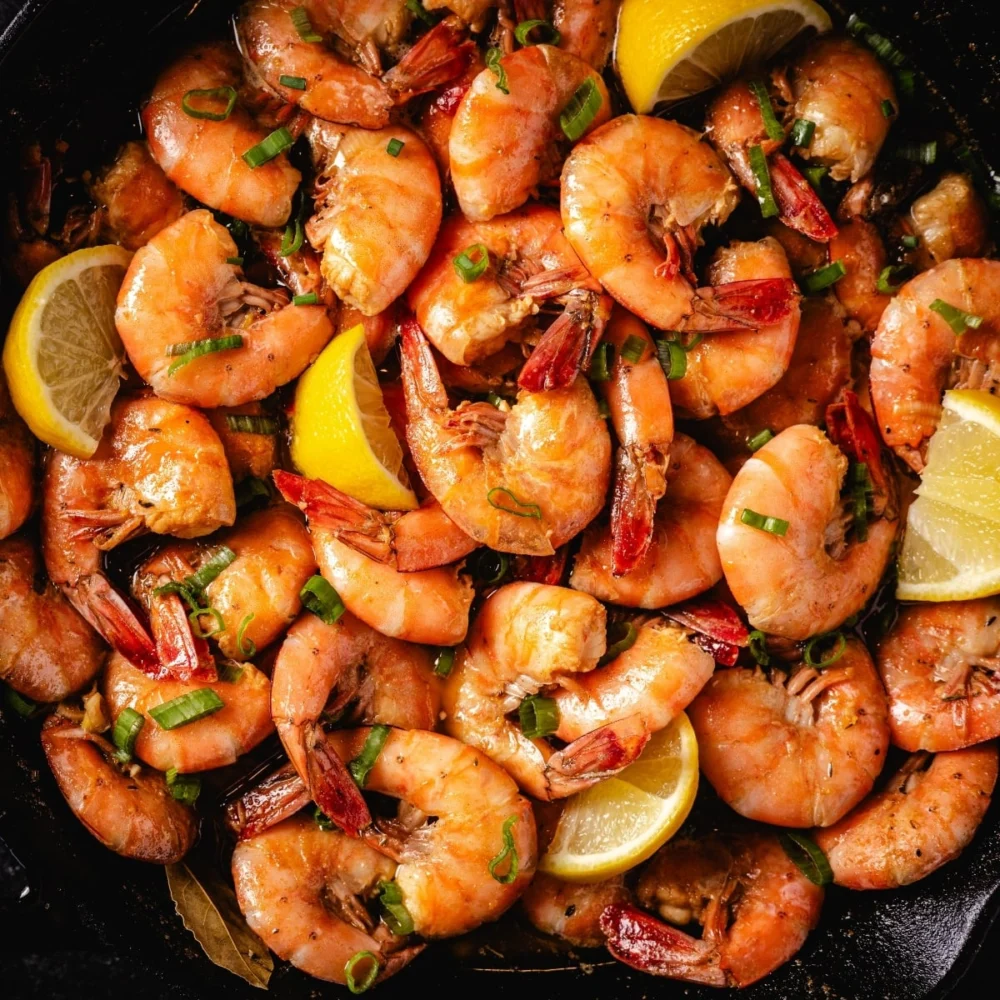
The culinary landscape of the American South is defined by its ability to blend disparate cultural influences into cohesive, iconic dishes, a phenomenon perhaps most evident in the evolution of New Orleans BBQ shrimp. Despite its nomenclature, this dish traditionally involves neither a grill nor barbecue sauce, instead relying on a sophisticated emulsion of butter, lemon juice, Worcestershire sauce, and a complex array of Creole spices. In recent years, however, a modern adaptation has emerged within the backyard barbecue community, integrating traditional wood-fired smoking techniques with the classic Louisiana flavor profile. This evolution represents a broader trend in American gastronomy where indoor stovetop staples are being reimagined through the lens of outdoor pitmastery, adding layers of smoke-derived complexity to the established buttery, piquant foundation of the original recipe.
The Historical Genesis of a Culinary Misnomer
To understand the contemporary significance of New Orleans BBQ shrimp, one must examine its origins in the mid-20th century. The dish is widely credited to Pascal’s Manale, a historic Italian-creole restaurant located on Napoleon Avenue in Uptown New Orleans. According to local lore, the recipe was born in the mid-1950s when a regular customer returned from a trip to Chicago and described a shrimp dish he had eaten there. The chef at Pascal’s Manale attempted to recreate it, and while the result was reportedly nothing like the Chicago original, it became an instant sensation in its own right.
The term "BBQ" in this context refers to the appearance of the shrimp rather than the cooking method. When cooked in a high-heat environment—traditionally a heavy skillet or oven—the combination of paprika, black pepper, and butter creates a dark, reddish-brown glaze that mimics the aesthetic of traditional barbecue. Historically, the dish was prepared using whole, head-on shrimp, which contribute significant depth to the sauce through the release of fats and proteins from the shells and heads during the simmering process.

Technical Analysis of Ingredient Synergy
The success of the New Orleans BBQ shrimp profile depends on a precise chemical interaction between acidic, lipid, and umami-rich components. The foundational element is high-quality butter, which acts as the primary carrier for the fat-soluble compounds found in dried spices such as cayenne, paprika, and oregano. When these spices are toasted in the fat, their volatile aromatic compounds are released, creating a more robust flavor profile.
Worcestershire sauce serves as the critical umami anchor, providing a fermented complexity that balances the richness of the butter. The inclusion of lemon juice provides the necessary acidity to "brighten" the dish, preventing the heavy fat content from overwhelming the palate. In modern smoking adaptations, the introduction of wood smoke adds a fourth dimension. When shrimp are placed in a smoker at temperatures ranging from 225°F to 250°F, the smoke particles (phenols and carbonyls) adhere to the moisture on the surface of the shrimp, creating a subtle, earthy undertone that complements the sharp spices.
The Gulf Shrimp Industry and Economic Context
The preparation of this dish is inextricably linked to the health of the Gulf of Mexico shrimp industry. According to data from the National Oceanic and Atmospheric Administration (NOAA), the Gulf of Mexico accounts for approximately 69% of the total domestic shrimp landings in the United States. New Orleans BBQ shrimp traditionally utilizes "Large" or "Jumbo" shrimp, typically in the 16/20 or 10/15 count per pound range.
Industry analysts note that the preference for shell-on shrimp in this recipe is not merely a matter of tradition but a functional requirement for flavor preservation. The chitin in the shells protects the delicate protein of the shrimp from the direct heat of the smoker or skillet, ensuring a tender texture while allowing the exterior to absorb the maximum amount of seasoning. From an economic perspective, the rise in popularity of regional Cajun and Creole recipes across the United States has sustained demand for domestic brown and white shrimp, even as imported pond-raised varieties have increased their market share.

Comparative Methodology: Stovetop vs. Smoker
While the traditional method involves a rapid sauté or bake, the transition to the smoker requires a shift in heat management. In a stovetop environment, the emulsion is formed quickly over high heat. In a smoker, the process is slower, allowing for greater penetration of the spice rub into the shell.
The standard operating procedure for the smoked variant involves a multi-stage process:
- Preparation: Shrimp are cleaned but left in the shell. A dry rub consisting of salt, pepper, garlic powder, and Cajun spices is applied to ensure even coverage.
- The Braise: The shrimp are placed in a cast-iron skillet or heavy-duty aluminum pan, submerged or partially covered in a liquid base of melted butter, Worcestershire, lemon, and minced garlic.
- Smoke Application: The pan is placed in the smoker, typically using fruitwoods like apple or cherry, or traditional Southern woods like pecan or hickory. The lower temperature of the smoker (relative to a stovetop) allows the butter to slowly infuse with the shrimp shells without breaking the emulsion too quickly.
- Finishing: The dish is removed once the shrimp reach an internal temperature of approximately 120°F to 145°F, at which point the proteins have coagulated but remain succulent.
Nutritional Profile and Dietary Implications
A quantitative analysis of the dish reveals a high caloric density, primarily driven by the lipid content of the butter sauce. A standard serving of New Orleans BBQ shrimp contains approximately 444 calories. The macronutrient breakdown is dominated by fats, with roughly 46 grams per serving, of which 29 grams are saturated. While the protein content of the shrimp themselves is high, the overall percentage of protein in the finished dish is diluted by the volume of the sauce.
Furthermore, the dish is high in cholesterol (121mg) and sodium (628mg), reflecting its status as a "celebratory" or "indulgent" meal rather than a daily staple. However, it is also a significant source of Vitamin A (1534 IU) and Vitamin C (35mg), largely due to the inclusion of citrus and high-quality paprika. For consumers managing dietary restrictions, the high fat and sodium levels necessitate moderate consumption, though the dish remains naturally low in carbohydrates (11g per serving).

Broader Cultural Impact and the Role of Digital Media
The democratization of regional recipes through digital platforms has played a pivotal role in the resurgence of New Orleans BBQ shrimp. Influencers and culinary educators, such as Susie Bulloch of "Hey Grill Hey," have translated professional techniques into accessible home-cooking formats. By integrating smoking techniques—a hallmark of American backyard culture—with deep-rooted regional classics, these creators have expanded the reach of Louisiana’s culinary heritage.
This trend reflects a broader shift in consumer behavior. Data from the Hearth, Patio & Barbecue Association (HPBA) indicates that over 70% of American households own a grill or smoker, with a growing segment of consumers using their equipment year-round. The adaptation of BBQ shrimp for the smoker aligns with the "low and slow" philosophy that has come to define modern American outdoor cooking.
Statements and Reactions from Culinary Professionals
Culinary historians often point to New Orleans BBQ shrimp as a prime example of "accidental genius." In various interviews, chefs from the Louisiana region have emphasized that the "messiness" of the dish is central to its appeal. The act of peeling the shrimp at the table, with the sauce coating the fingers, creates a communal and tactile dining experience that is increasingly rare in modern fine dining.
"The sauce is the star," noted one New Orleans-based sous chef in a recent industry publication. "The shrimp are almost a vessel for the butter and the spice. If you don’t have a loaf of French bread to sop up the liquid at the end, you haven’t actually eaten BBQ shrimp." This sentiment is echoed by barbecue enthusiasts who argue that the addition of smoke only enhances this "vessel" by adding a layer of aromatics that can only be achieved through wood combustion.

Future Outlook and Gastronomic Implications
As the boundaries between regional cuisines continue to blur, the New Orleans BBQ shrimp recipe is likely to see further iterations. Some chefs are already experimenting with "deconstructed" versions or incorporating Asian-fusion elements like soy sauce or ginger into the butter base. However, the core tenets of the dish—shell-on shrimp, high-quality fat, and aggressive seasoning—remain the standard by which all variations are judged.
In conclusion, the evolution of New Orleans BBQ shrimp from a 1950s Italian-creole invention to a staple of the modern smoker repertoire illustrates the dynamic nature of American food culture. It is a dish that honors its past while embracing the technical innovations of the present. Whether prepared in a historic Uptown kitchen or a suburban backyard, it remains a testament to the power of simple, high-quality ingredients processed with care and a deep respect for regional tradition. The continued popularity of this dish ensures that the legacy of Gulf seafood and the unique flavors of New Orleans will remain a focal point of the American culinary identity for decades to come.
