

This classic gluten-free baked macaroni and cheese is crafted with or without cooked pancetta or bacon, creating a casserole-style dish of creamy, crusty perfection. It stands as a beloved family staple, particularly when hunger strikes and pantry shelves are looking sparse, offering a satisfying and accessible meal solution for those adhering to a gluten-free lifestyle.
A Culinary Cornerstone: The Enduring Appeal of Baked Mac and Cheese
Baked macaroni and cheese, a dish synonymous with comfort and home, holds a special place in the culinary landscape. Its warm aroma and rich, cheesy flavor evoke nostalgic memories for many. This gluten-free adaptation ensures that this beloved classic is accessible to a wider audience without compromising on taste or texture. The casserole style lends itself to effortless preparation, allowing for advance assembly and last-minute baking, making it an ideal option for busy households.

For a complete and balanced meal, this dish pairs exceptionally well with a simple house salad. Alternatively, lightly blanched broccoli can be incorporated directly into the casserole before baking, adding a nutritious boost and a vibrant splash of green.
A key aspect of this recipe’s practicality lies in its minimal requirement for fresh ingredients. The primary components needing cooking are the optional pancetta or bacon, which contribute a depth of flavor and a delightful savory note. Even essential liquid ingredients like milk can be sourced in shelf-stable evaporated form, enhancing its long-term storage potential.
The Science Behind the Comfort: Why This Recipe Excels
The success of this gluten-free baked mac and cheese hinges on a few fundamental culinary principles. The initial sautéing of pancetta or bacon not only renders flavorful fat but also imparts a savory depth that complements the creamy cheese sauce. This rendered fat, used judiciously to coat the pasta, adds richness without greasiness, allowing the cheese’s inherent flavor to shine.

The creation of the custard base, achieved by whisking eggs with evaporated milk and salt, is crucial for achieving a smooth, homogenous texture. This technique prevents the formation of undesirable egg clumps, ensuring a velvety consistency throughout the baked dish.
The careful cooking of gluten-free pasta is paramount. Gluten-free varieties, while significantly improved in recent years, can still be prone to disintegration if overcooked. Boiling the pasta slightly less than package directions, and importantly, not rinsing it, ensures it retains enough warmth and structure to meld with the other ingredients without becoming mushy. The starch clinging to the pasta also aids in binding the sauce.
Recipe Ingredients: A Symphony of Flavors and Textures
To recreate this comforting gluten-free baked macaroni and cheese, gather the following carefully selected ingredients:

- Gluten-Free Elbow Macaroni: The foundation of any mac and cheese, this gluten-free pasta offers a familiar shape and texture.
- Pancetta or Bacon (Optional): Diced and cooked until crisp, these cured meats add a salty, smoky dimension and render flavorful fat.
- Unsalted Butter: Provides richness and helps create a smooth sauce base.
- Evaporated Milk: This shelf-stable milk product lends a creamy, decadent texture to the custard.
- Large Eggs: Act as a binder, creating a rich custard that holds the macaroni and cheese together.
- Shredded Cheese: A blend of sharp cheddar and a milder cheese like Monterey Jack or Gruyère offers optimal flavor and meltability. Opting for freshly shredded cheese is recommended to avoid anti-caking agents that can affect texture.
- Salt: Enhances the overall flavor profile.
- Fresh Parsley (for garnish): Adds a touch of freshness and visual appeal.
The Art of Preparation: A Step-by-Step Culinary Journey
The creation of this gluten-free baked mac and cheese is a straightforward process, designed for both novice and experienced cooks.
1. Preparing the Flavor Base: Sautéing the Pancetta or Bacon
If using pancetta or bacon, begin by dicing it into small, uniform pieces. Sauté these in a large pot over medium heat until they are golden brown and crisp. This process renders the fat, which will be crucial for flavoring the dish. Once cooked, remove the crisp pork pieces with a slotted spoon and set them aside on a paper towel-lined plate to drain. Reserve approximately 2 tablespoons of the rendered fat in the pot, discarding the rest to avoid an overly greasy final product.

2. Crafting the Custard: Whisking Eggs and Milk
In a separate bowl or liquid measuring cup, vigorously whisk together the evaporated milk and large eggs. Add the salt and continue whisking until the mixture is smooth and well-emulsified, ensuring no streaks of egg white remain. This step is vital to prevent the eggs from scrambling during the baking process.
3. Cooking the Pasta: The Foundation of Texture

Bring a large pot of salted water to a rolling boil. Add the gluten-free elbow macaroni and cook according to package directions, but reduce the cooking time by approximately one minute. This al dente approach is critical, as the pasta will continue to cook in the oven. If using particularly delicate gluten-free pasta brands, consider reducing the cooking time by closer to two minutes. Do not rinse the pasta; the residual starch helps the sauce adhere.
4. Integrating Richness: Butter and Pork Fat
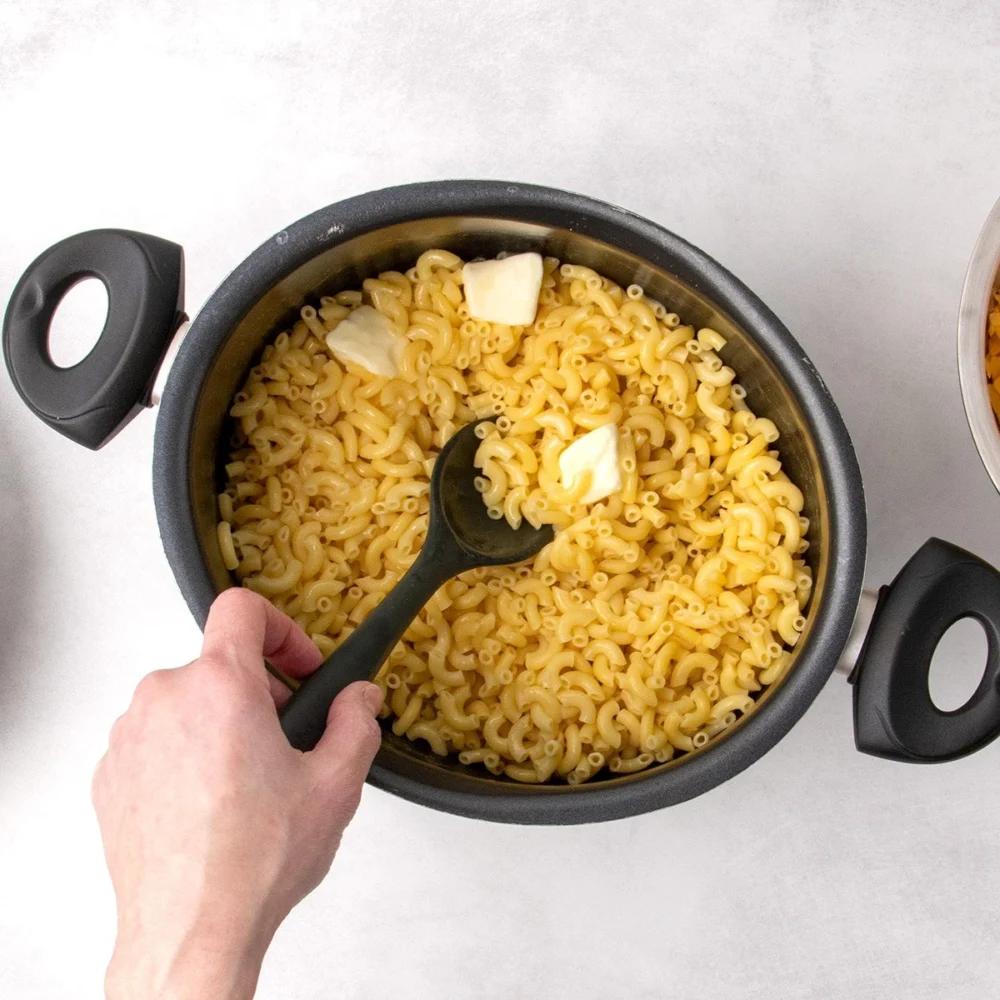
Drain the cooked pasta thoroughly and return it to the warm pot. Add the unsalted butter and the reserved 2 tablespoons of rendered pancetta or bacon fat. Stir gently until the butter is completely melted and the fat is evenly distributed throughout the pasta.

5. Introducing Savory Notes: The Cooked Pork
Gently fold the reserved crisp pancetta or bacon pieces into the buttered pasta. The objective here is to combine without breaking the delicate gluten-free macaroni.
6. Tempering the Custard: A Gentle Introduction

To prevent the eggs from cooking prematurely, temper the custard mixture. Ladle a small amount (about half a cup) of the warm pasta mixture into the bowl with the whisked eggs and milk. Stir vigorously to incorporate. This gradual warming of the egg mixture ensures a smooth, creamy custard.
7. Binding the Elements: Incorporating the Custard
Pour the tempered egg and milk mixture over the pasta in the pot. Gently fold it in using a large spoon or spatula, ensuring an even distribution without crushing the pasta.

8. Melding the Flavors: Adding the Cheese
Add about two-thirds of the shredded cheese to the pasta mixture. Fold gently until the cheese is almost evenly incorporated. Reserve the remaining cheese for topping.
9. Assembling the Casserole: Preparing for the Oven

Preheat your oven to 350°F (175°C). Lightly grease a 9×13 inch baking dish or a similar-sized casserole dish. Carefully transfer the macaroni and cheese mixture into the prepared dish, spreading it into an even layer.
10. The Crown Jewel: Topping with Cheese
Evenly scatter the reserved shredded cheese over the top of the macaroni and cheese. This will form a delicious, bubbly crust during baking.

11. The Transformation: Baking to Perfection
Cover the casserole dish tightly with greased or non-stick aluminum foil. This initial covering allows the custard to set gently and the cheese to melt without the top browning too quickly. Bake for 20 minutes.
12. Unveiling the Masterpiece: Browning and Serving

Remove the foil and continue baking for an additional 15-20 minutes, or until the top is golden brown and the cheese is bubbling. For a softer crust, a shorter baking time is preferred. If a browner crust is desired, bake for a few minutes longer.
13. The Final Flourish: Garnishing and Serving
Once baked to perfection, remove the dish from the oven. Garnish generously with freshly chopped parsley. Let the macaroni and cheese rest for a few minutes before serving warm.

Expert Insights for Culinary Excellence
- The Cheese Conundrum: Shred Your Own for Superior Melt: For the creamiest, most cohesive cheese sauce, it is highly recommended to shred your own cheese from a block. Pre-shredded cheeses often contain anti-caking agents like cellulose, which can hinder smooth melting and contribute to a drier final product. If you must use pre-shredded cheese, consider adding the remaining 2 fluid ounces of evaporated milk to compensate for the drying effect.
- Pasta Pointers: The Perils of Overcooking: Gluten-free pasta has significantly improved in quality and stability. However, elbow macaroni, in particular, cooks rapidly. Overcooking it even slightly can lead to a mushy texture that will break down during the mixing and baking processes, regardless of how gently you handle it. Adhering to the reduced cooking time is key.
- The Art of Preparation: Streamlining with Make-Ahead Strategies: This dish is an ideal candidate for make-ahead preparation. You can assemble the entire casserole up to the baking stage (step 10) and refrigerate it, tightly covered, for up to two days. For longer storage, it can be frozen for up to two months. When ready to bake, allow the refrigerated dish to sit at room temperature while the oven preheats, or if frozen, defrost overnight in the refrigerator. You may need to add a few extra minutes to the baking time if the dish is still cold.
Adapting the Recipe: Ingredient Substitutions for Dietary Needs
This versatile recipe can be adapted to accommodate various dietary preferences and restrictions.
Dairy-Free Delights: A Creamy Alternative
To create a dairy-free version, substitute the unsalted butter with a high-quality block-style vegan butter. For the evaporated milk, opt for evaporated coconut milk, which offers a rich, creamy texture. Evaporated oat milk can also be used, but be mindful that it may introduce a slightly sweeter flavor and a different texture. For comprehensive dairy-free cheese recommendations, consult dedicated resources on dairy-free mac and cheese preparations.
Egg-Free Options: Exploring Alternative Paths
For those requiring an egg-free dish, it is advisable to explore alternative mac and cheese recipes specifically designed without eggs. Attempting to replace the eggs in this particular recipe may significantly alter its texture and structural integrity. Stovetop gluten-free mac and cheese recipes often provide a reliable egg-free solution.

Vegetarian Variations: Plant-Powered Comfort
To transform this dish into a vegetarian delight, simply omit the pancetta or bacon. In its place, utilize the full 6 tablespoons of unsalted butter, ensuring the richness and flavor are maintained without the cured pork.
Storage and Reheating: Enjoying Leftovers with Ease
Leftovers of this delicious gluten-free baked macaroni and cheese can be stored and enjoyed for several days.
- Refrigeration: The unbaked casserole can be refrigerated for up to two days, provided all perishable ingredients are fresh. Wrap it tightly in plastic wrap. When ready to bake, remove the plastic, cover with foil, and bake as directed, potentially adding extra time if the dish is cold.
- Leftovers: Baked and cooled macaroni and cheese can be stored in an airtight container in the refrigerator for up to five days. To reheat, sprinkle lightly with lukewarm water and warm in the microwave or in a 300°F (150°C) oven until heated through.
- Freezing: For longer storage, both baked and unbaked casseroles can be frozen, tightly covered, for up to two months. Thaw overnight in the refrigerator before baking as directed.
The enduring appeal of classic comfort food, now made accessible to those with gluten sensitivities, this baked macaroni and cheese recipe offers a hearty, flavorful, and satisfying meal solution that is sure to become a cherished part of any family’s culinary repertoire. Its adaptability and straightforward preparation make it a true kitchen hero.
