

Culinary experts, including Jess Rice, a professional chef and professor of culinary arts, suggest that the most efficient way to utilize holiday remnants is to transform them into secondary meals that require minimal additional investment. Ham, a staple of holiday feasts, is particularly suited for this purpose due to its high protein content, savory flavor profile, and extended shelf life when properly stored. By integrating ham into soups, casseroles, and breakfast dishes, consumers can achieve significant cost savings, with some repurposed meals costing as little as $0.72 per serving.
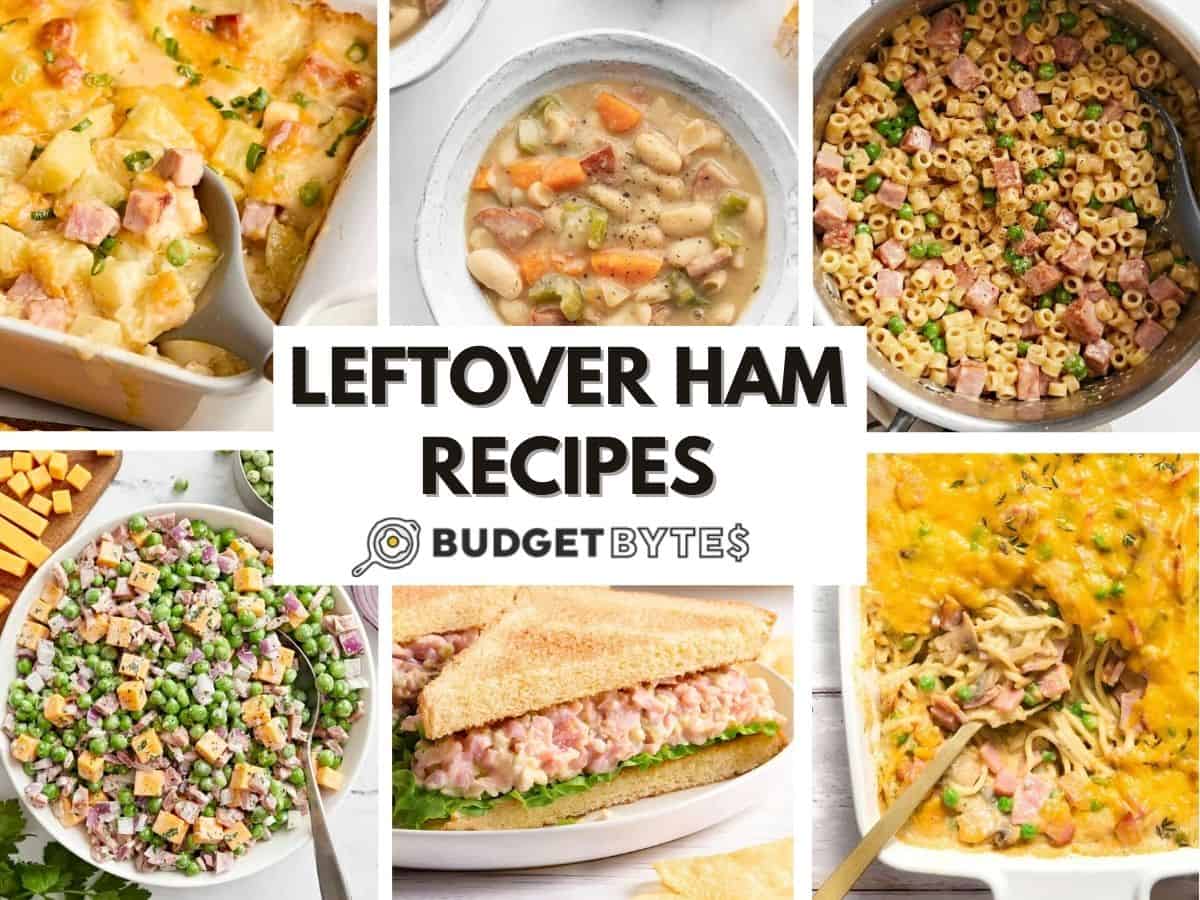
The Economic and Environmental Context of Food Repurposing
The practice of repurposing holiday leftovers serves as a dual solution to rising grocery inflation and environmental concerns. Recent economic indicators suggest that the price of pork products has seen fluctuations influenced by supply chain dynamics and grain costs. Consequently, maximizing the utility of a single large purchase, such as a spiral-cut or smoked ham, is a prudent financial strategy.
From an environmental perspective, reducing food waste mitigates the methane emissions associated with decomposing organic matter in landfills. The "Budget Bytes" Nashville Test Kitchen, a facility dedicated to developing affordable and accessible recipes, has identified fifteen specific applications for leftover ham that prioritize nutritional density and cost-effectiveness. These recipes are designed to leverage pantry staples—such as beans, potatoes, and pasta—to create filling meals that diverge significantly from the original holiday presentation.
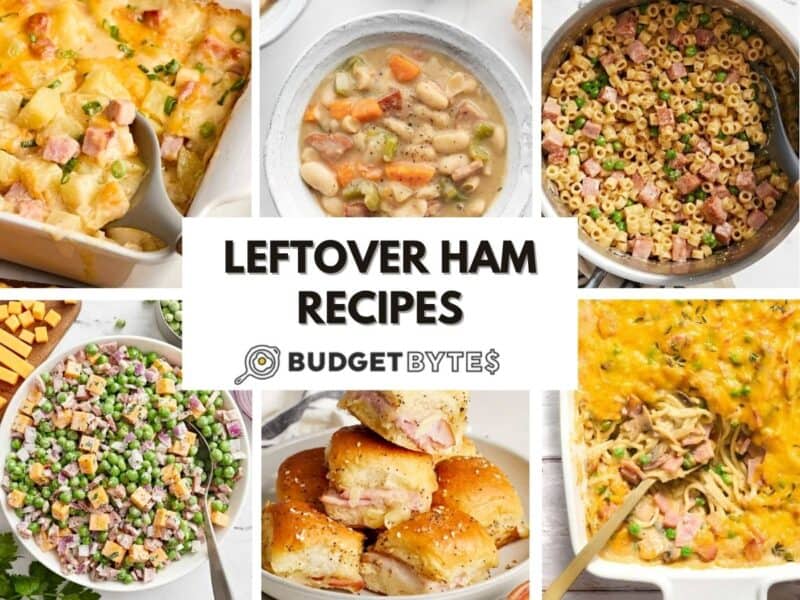
Chronology of Safe Food Handling and Storage
To successfully execute a leftover-based meal plan, consumers must adhere to a strict timeline for food safety. The USDA recommends that cooked ham be stored in a refrigerator at 40°F (4°C) or colder for no more than three to five days. If the volume of leftovers exceeds what can be consumed within this window, freezing is the recommended alternative.
- Immediate Post-Feast (Hours 1-2): Ham should be carved from the bone and stored in airtight containers or heavy-duty freezer bags to prevent bacterial growth.
- Short-term Utility (Days 1-4): Sliced or diced ham can be utilized in salads, sandwiches, and quick-cook pasta dishes.
- Long-term Preservation (Months 1-2): For extended use, ham should be frozen. Frozen ham remains safe indefinitely, though its quality and texture are best maintained if consumed within two months.
High-Utility Liquid-Based Meals: Soups and Stews
Soups and stews represent the most traditional and effective method for utilizing ham remnants, particularly the ham bone, which provides a rich base for broths. The following five recipes demonstrate the versatility of ham in liquid-based applications:
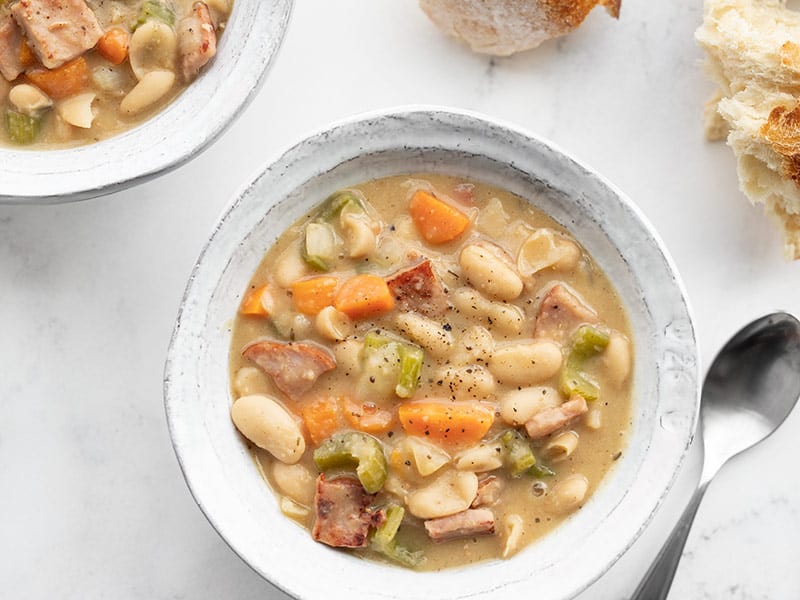
1. Chunky Ham and Bean Soup
This dish utilizes white beans and a medley of vegetables to create a high-fiber meal. The economic breakdown indicates a total recipe cost of approximately $6.70, resulting in a per-serving cost of $1.68. A key culinary technique employed here is the pureeing of one can of beans to thicken the broth, eliminating the need for expensive cream or flour-based thickeners.
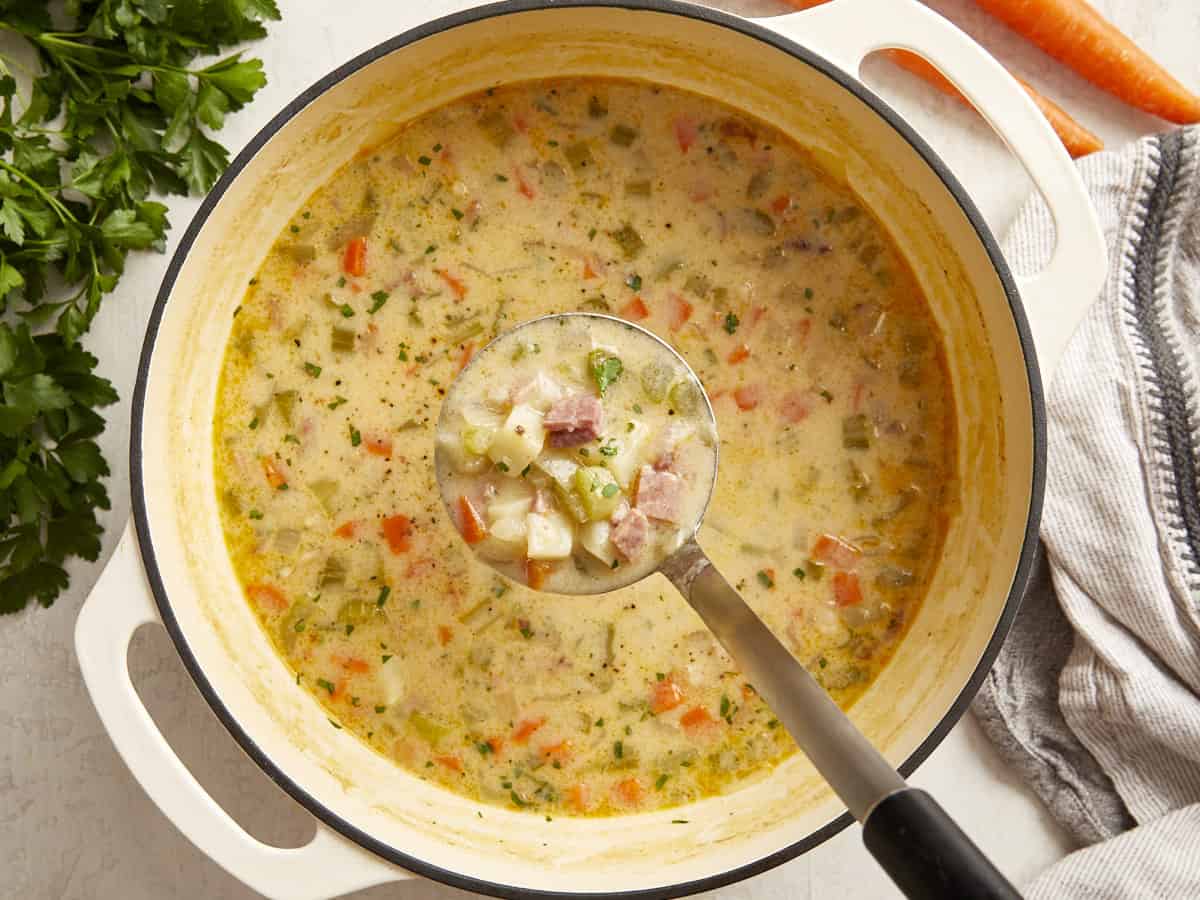
2. Ham and Potato Soup
Focusing on seasonal transitions, this soup combines the saltiness of the ham with the starch of Yukon Gold or Russet potatoes. At $1.40 per serving, it offers a velvety texture that serves as a comfort food staple.
3. Navy Bean Soup
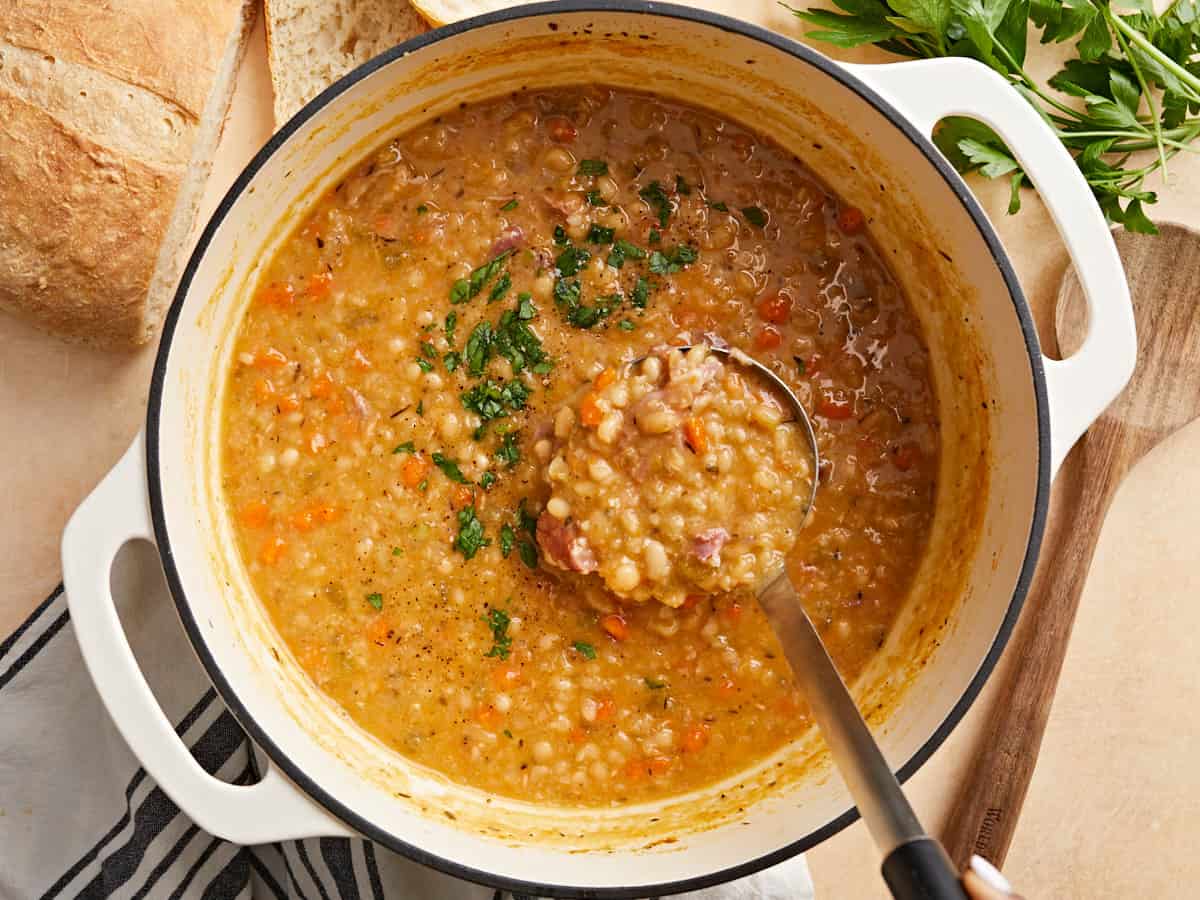
While traditionally made with a ham hock, this recipe is easily adapted for any smoked ham leftovers. It emphasizes the use of legumes as a low-cost protein supplement, bringing the cost down to $1.38 per serving.
4. Split Pea Soup with Ham
A classic in American domestic cooking, split pea soup is highly satiating and freeze-stable. With a recipe cost of $9.51 for six servings ($1.58 each), it provides a nutrient-dense option that incorporates carrots, celery, and onions.
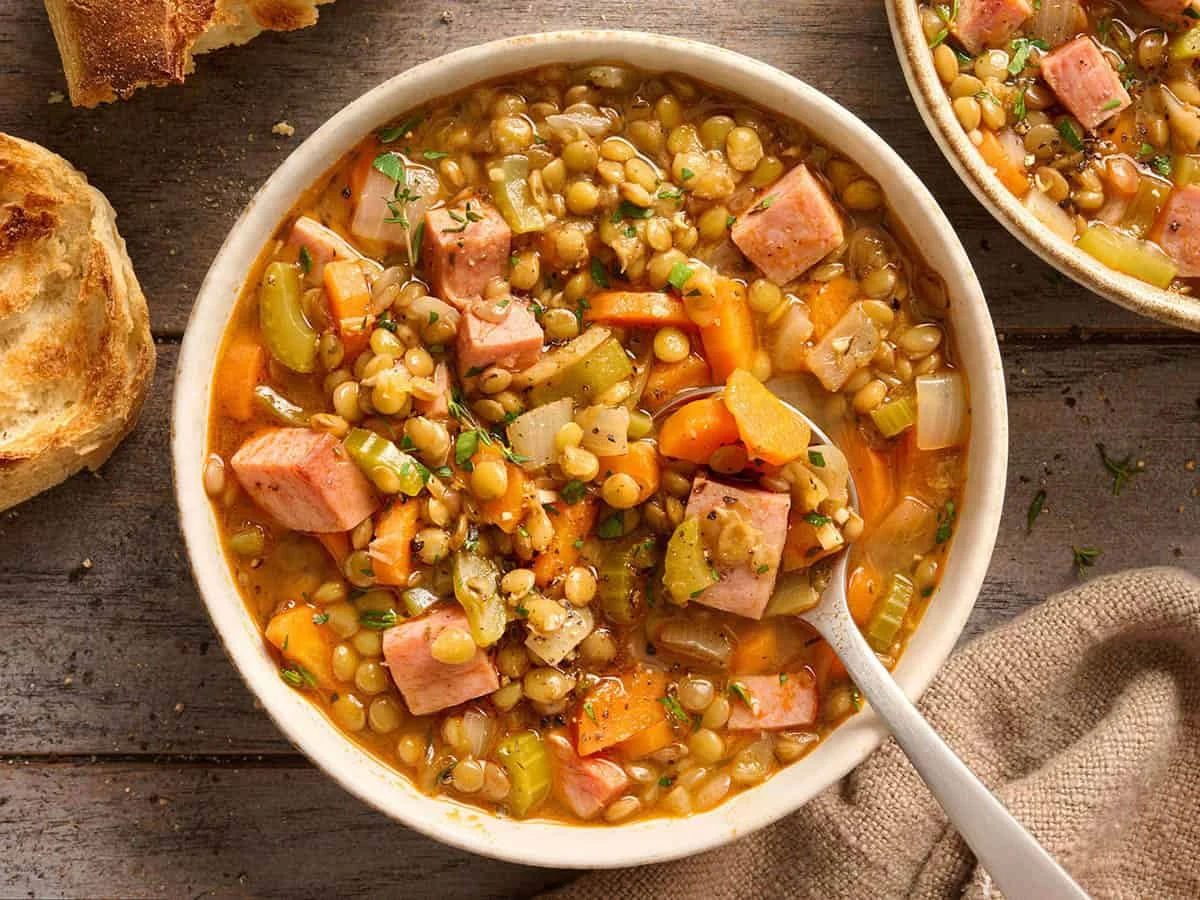
5. Ham and Lentil Soup
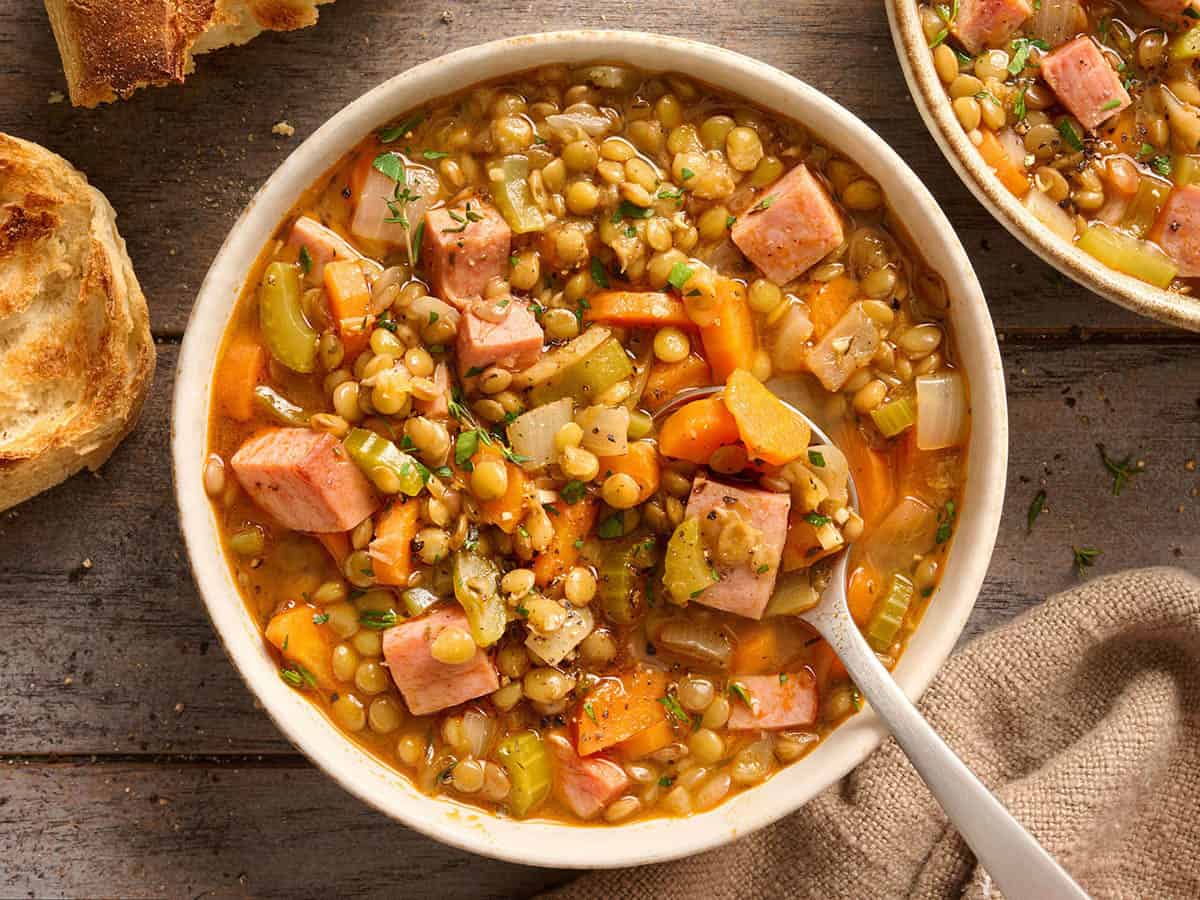
Lentils offer a quicker cooking time than dried beans and a different nutritional profile, including high levels of iron. This recipe produces a hearty dinner for $1.29 per serving, making it one of the most affordable options in the lineup.
Domestic Efficiency: The Role of Creamy Casseroles
Casseroles are a hallmark of efficient meal planning, allowing for the consolidation of various ingredients into a single baking dish. This reduces labor and clean-up time while providing multiple servings for large families.

6. Ham and Potato Casserole
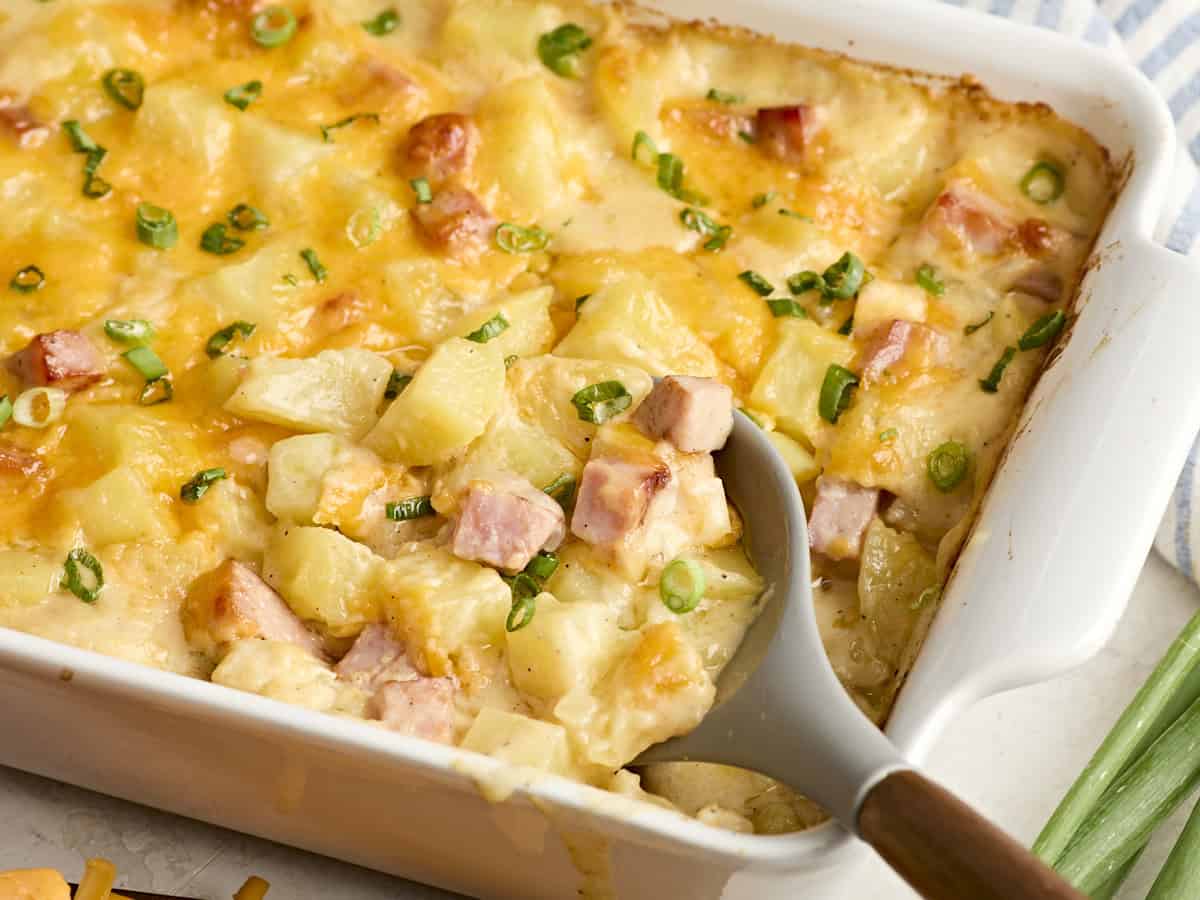
This dish utilizes the synergy between cheddar cheese and ham. By using a homemade sauce rather than canned "condensed" soups, the recipe maintains higher quality and lower sodium levels. The cost is estimated at $1.41 per serving.
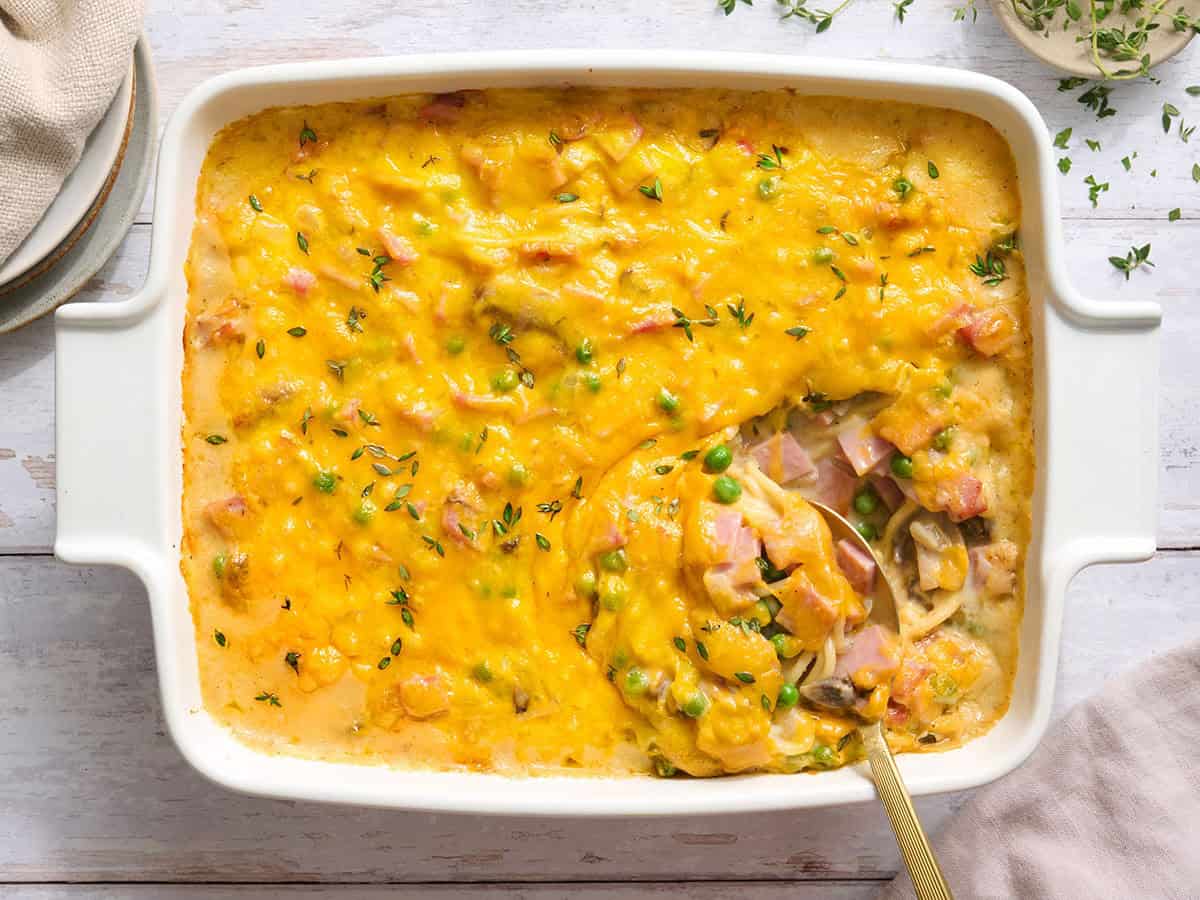
7. Ham Tetrazzini
A variation on the traditional turkey or chicken tetrazzini, this pasta-based casserole incorporates mushrooms and peas. It is identified as one of the most economical options at $1.28 per serving, utilizing spaghetti to provide bulk and texture.
Nutritional Integration: Pairing Ham with Greens and Legumes
Incorporating green vegetables into leftover meals is a priority for maintaining a balanced diet. Ham’s high salt content makes it an excellent seasoning agent for otherwise bitter or bland greens.
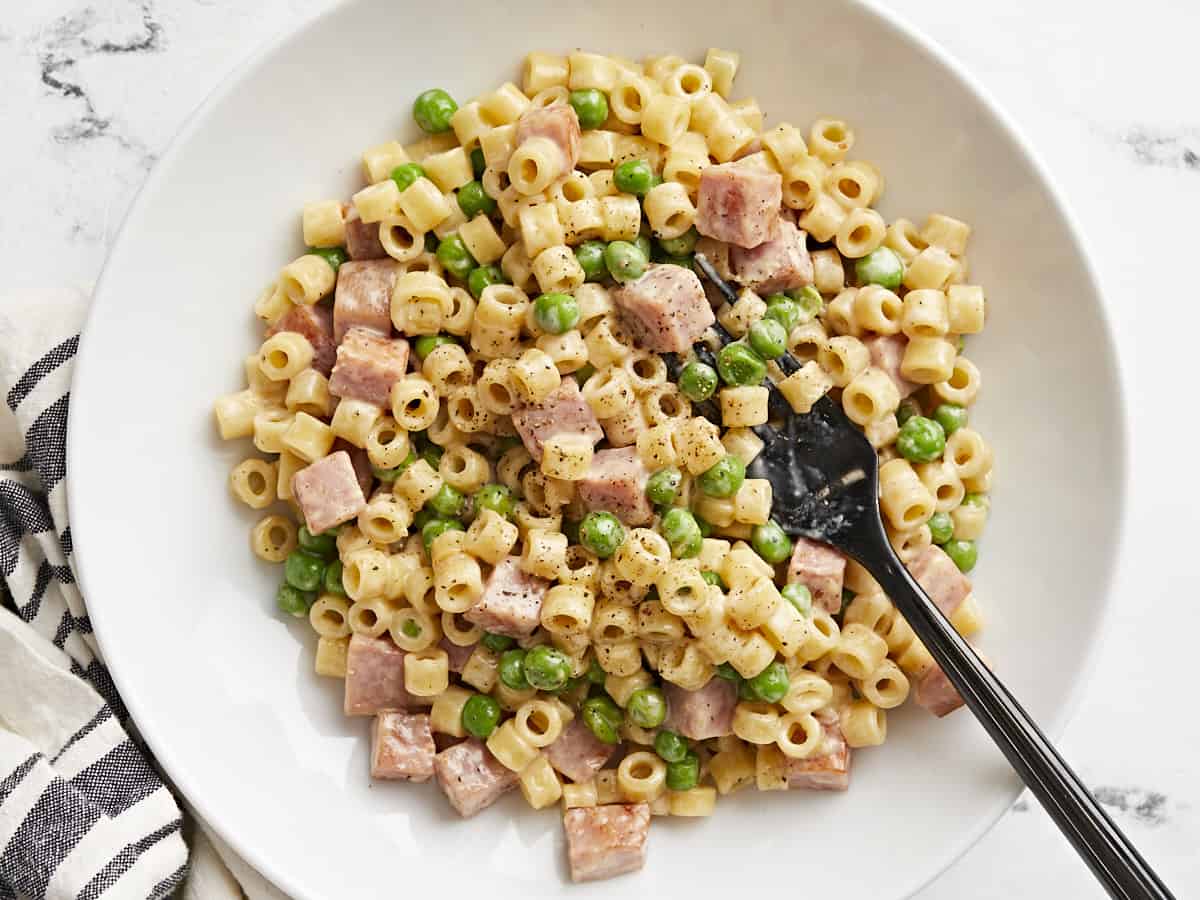
8. Pasta with Peas and Ham
This one-pot meal is designed for rapid preparation, requiring only 25 minutes from start to finish. At $1.42 per serving, it demonstrates how a small amount of meat can flavor a large volume of pasta and legumes.
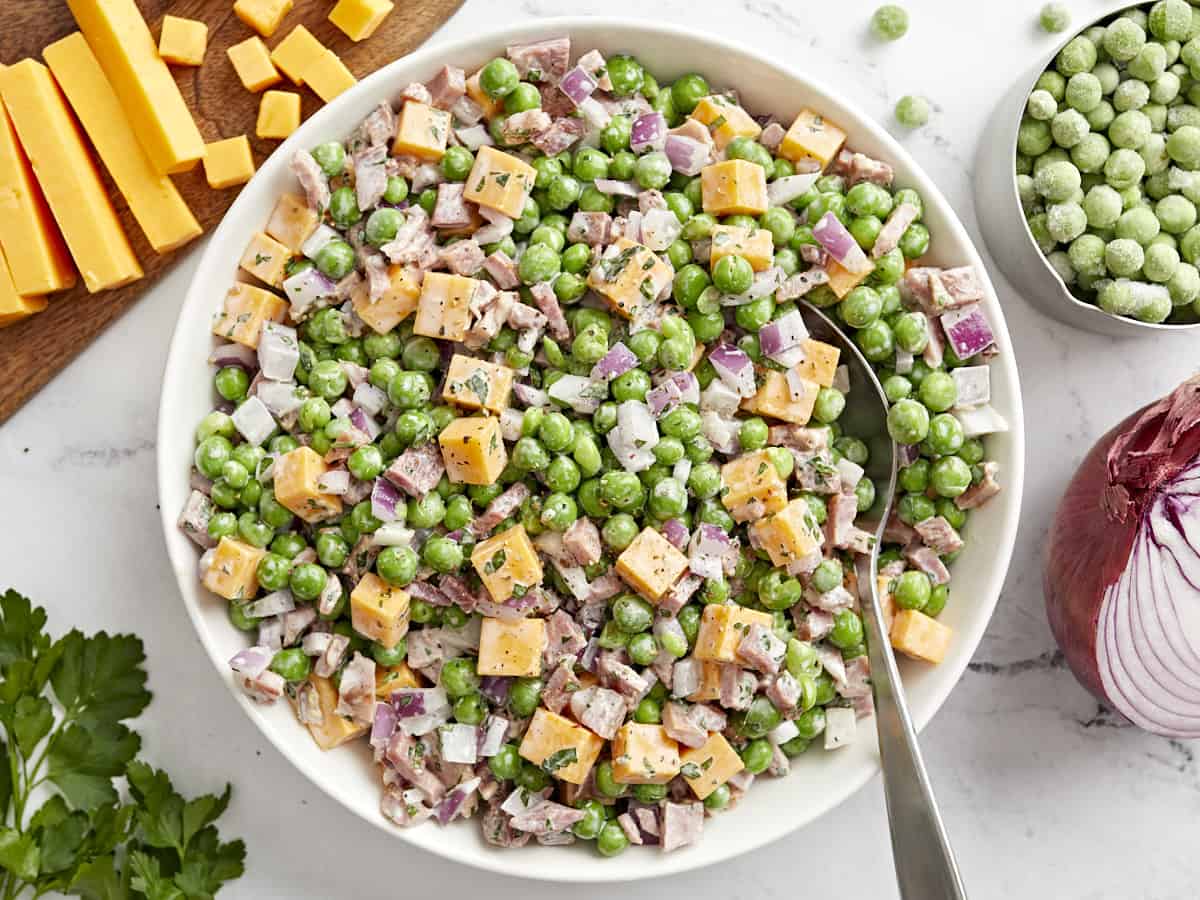
9. Creamy Pea Salad
A cold application for ham, this salad serves as a side dish for subsequent meals. It is the most affordable recipe in the collection, costing only $0.95 per serving, and utilizes frozen sweet peas to keep costs low.
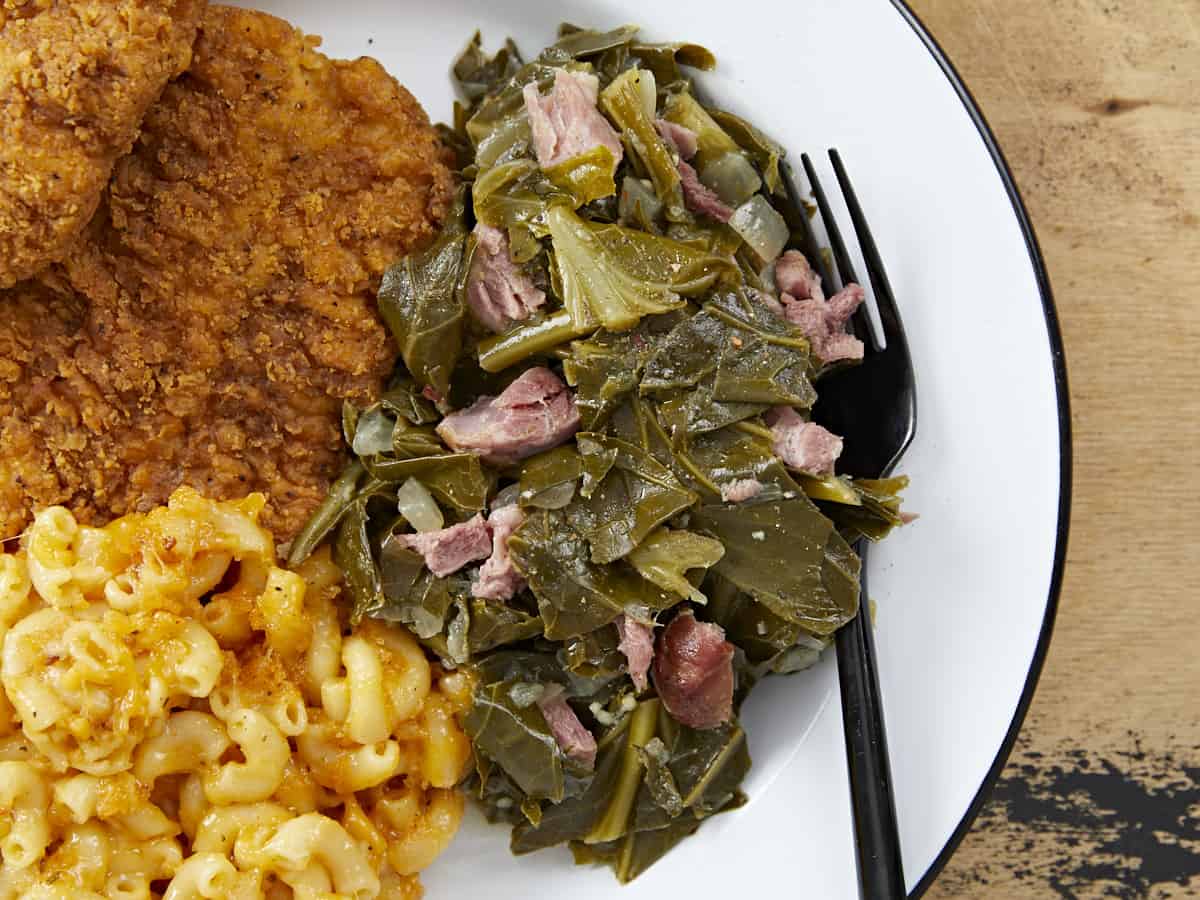
10. Slow-Simmered Collard Greens
In Southern culinary traditions, ham is frequently used to season collard greens. The slow-simmering process extracts the smoky flavors from the meat, creating a nutrient-rich side dish for $0.99 per serving.
Portable and Early-Day Solutions: Breakfast and Brunch
Repurposing ham for breakfast allows for a shift away from traditional dinner profiles, providing variety in the weekly menu.
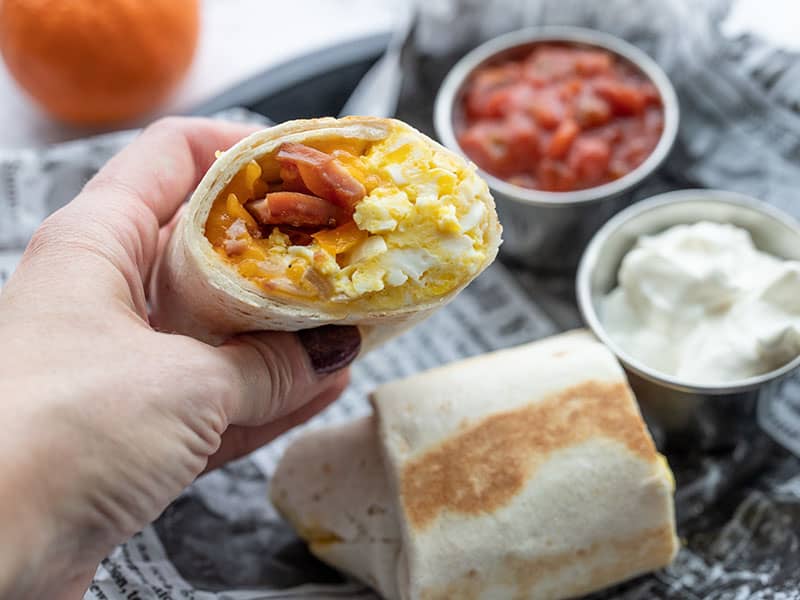
11. Freezer-Friendly Breakfast Burritos
These burritos are a strategic meal-prep solution for busy households. By dicing the ham and combining it with eggs and cheese, consumers can create a portable breakfast that costs $1.41 per unit.
12. Hawaiian Ham Quesadillas
This recipe introduces a fusion element, combining ham with pineapple and cream cheese. Despite the "Hawaiian" flavor profile being a point of culinary debate, the economic value is clear at $1.04 per serving.
13. Ham and Potato Frittata
Frittatas are an excellent "empty the fridge" meal. Using cooked ham and potatoes, this dish can be served for breakfast or dinner and is remarkably cost-effective at $0.72 per serving.
Innovative Snacks and Secondary Holiday Applications
The final categories of ham repurposing focus on social gatherings and the utilization of other holiday leftovers.
14. Ham and Cheese Sliders
Utilizing sweet Hawaiian rolls and Swiss cheese, these sliders are ideal for secondary social gatherings or "game day" snacks. The cost is $1.84 per serving, reflecting the slightly higher price of specialty rolls.
15. Leftover Stuffing Muffins
In a unique application of holiday synergy, these muffins use leftover stuffing as a base, with ham added for protein. This allows for the simultaneous reduction of two types of holiday waste in a portable, reheatable format.
Expert Analysis and Broader Implications
The transition from a primary holiday feast to a series of secondary, budget-conscious meals reflects a broader shift in consumer behavior. Chef Jess Rice notes that the Nashville Test Kitchen focuses on "rigorous testing" to ensure that these recipes are not merely functional, but "easy, affordable, and delicious." This professional oversight ensures that the repurposed meals do not suffer from the "leftover fatigue" that often leads to food being discarded.
The broader impact of these strategies extends beyond the individual kitchen. By adopting a "zero-waste" approach to large protein purchases like ham, households can reallocate funds to other essential expenses, effectively mitigating some of the pressures of the current economic climate. Furthermore, the emphasis on pantry staples—beans, lentils, and potatoes—encourages a diet that is high in fiber and complex carbohydrates, providing long-term health benefits.
In conclusion, the management of holiday leftovers is a critical component of modern domestic science. By viewing a ham not as a single meal, but as a multi-day culinary asset, consumers can achieve a more sustainable and financially stable lifestyle. The fifteen recipes outlined provide a comprehensive framework for this transformation, proving that with minimal effort and professional guidance, holiday remnants can be the foundation of a week’s worth of nutritious, low-cost dining.
