

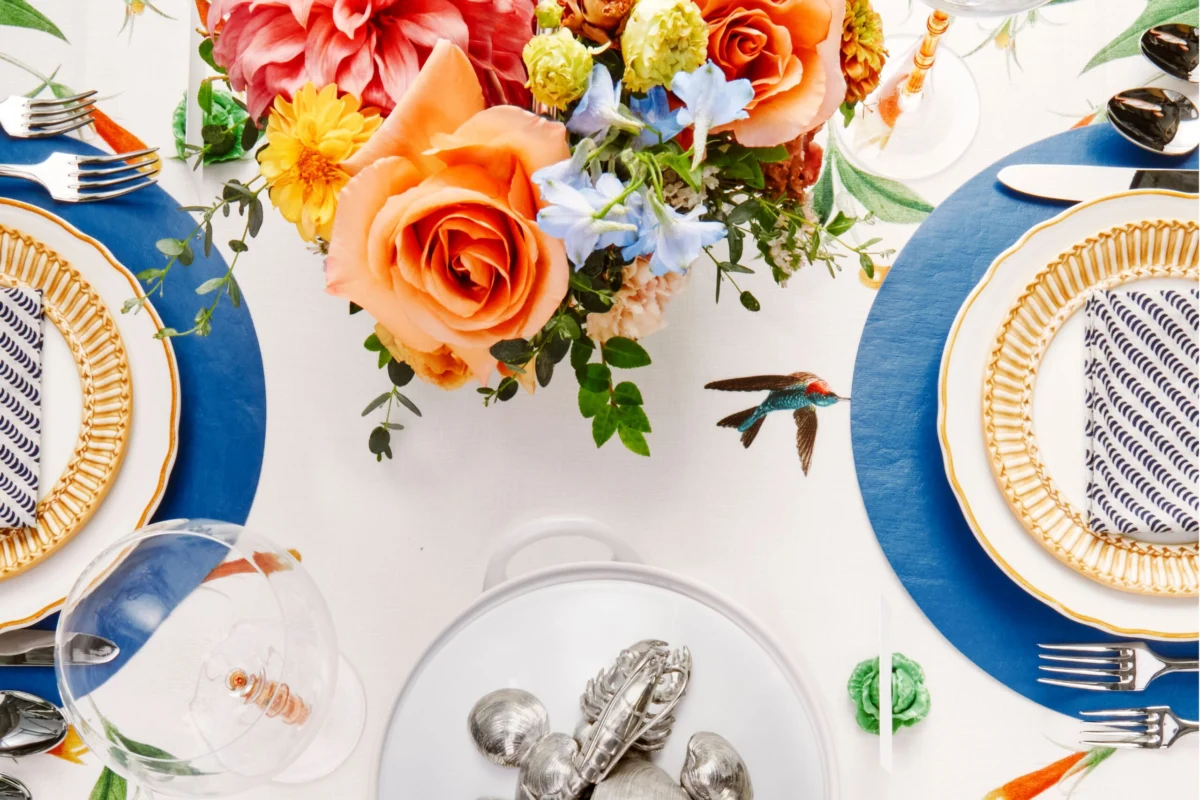
The autumnal tradition of Thanksgiving, long centered on the culinary spectacle of a burnished roast turkey, is increasingly finding its complement in the art of the tablescape—a curated reflection of the diverse, sometimes chaotic, yet always cherished assemblage of loved ones gathered around it. This year, holiday hosts are moving beyond monolithic design schemes, instead drawing inspiration from the distinct personalities and generational nuances that define contemporary families. This shift signifies a broader cultural embrace of individuality, even within the most traditional of gatherings, transforming the Thanksgiving table into a canvas for personal expression and a subtle nod to each guest’s unique character.
The Evolution of Holiday Dining Aesthetics
Historically, Thanksgiving decor often adhered to a strict, somewhat idealized vision of rustic elegance or formal grandeur. Think cornucopias, deep autumnal hues, and uniform place settings designed to create a harmonious, if sometimes impersonal, tableau. This approach prioritized a collective aesthetic, reflecting a bygone era where familial roles and decor styles were more homogenous. However, in an increasingly individualized society, where personal branding extends even to home interiors, the uniform holiday table is giving way to a more nuanced and personalized approach.
Design experts and cultural anthropologists observe that this trend mirrors a larger societal movement towards authentic self-expression and the celebration of diversity within family structures. No longer is the goal simply to present a "perfect" table; rather, it is to craft an experience that acknowledges and celebrates the unique contributions of each individual present. This evolution is particularly evident in the curated place settings, which now act as miniature narratives, telling a story about the person seated there, while still contributing to an overarching festive atmosphere. Market research in the home goods sector indicates a growing consumer demand for versatile, customizable, and unique decor pieces, signaling a departure from mass-produced uniformity in favor of items that resonate on a personal level. Retailers, from high-end boutiques to mainstream stores, are responding by offering more eclectic collections that allow for mixing and matching, encouraging hosts to assemble tablescapes that are as complex and multifaceted as the families they serve.

Character-Inspired Place Settings: A Deep Dive into Modern Archetypes
The contemporary Thanksgiving table has become a fascinating microcosm of modern family dynamics, with each place setting serving as a thoughtful, sometimes playful, homage to an individual’s persona. Five distinct archetypes have emerged as key inspirations for this season’s tablescapes, each demanding a unique blend of style, practicality, and personal touch.
The Fun Aunt: Eclectic Maximalism Meets Metropolitan Chic
The "Fun Aunt" archetype embodies a vibrant, worldly energy, effortlessly blending high fashion with artistic flair. Her place setting is a testament to bold choices and a confident disregard for traditional conventions, much like her personal style, which might transition seamlessly from a red-eye flight to a gallery opening. This aesthetic is characterized by an audacious mix of textures, eras, and origins. Imagine bulbous postmodern ceramic plates, perhaps in unexpected hues like a deep teal or a vibrant marigold, serving as the foundation. These are paired with ’90s Art Deco revival flatware, sourced from a niche Japanese boutique, adding a touch of vintage cool and global sophistication. A hand-beaded placemat introduces an element of artisanal craftsmanship and bohemian luxury, hinting at her well-traveled life.
The centerpiece of her setting, however, is often a statement piece that speaks to her penchant for unconventional elegance: a button-shaped aluminum coaster from a brand like Café Forgot. This item, while functional, serves primarily as a decorative accent, rarely occupied because, as the article subtly implies, her martini glass is almost always in hand – a symbol of her relaxed yet perpetually stylish demeanor. This approach to decor is less about rigid coordination and more about creating an engaging, visually stimulating experience that reflects a life lived with passion and an eye for the unique. It caters to a demographic that values stories and provenance in their possessions, viewing each item as a conversation starter rather than mere utility. The implication for retailers is a heightened demand for artisan-crafted goods, vintage-inspired pieces, and designs that push aesthetic boundaries, moving away from safe, homogenous choices.

The Gen Z Grandma: Cottagecore Charm with a Digital Twist
This archetype represents a fascinating blend of youthful spirit and old-soul sensibilities, a "25 going on 70" persona that thrives on creative pursuits and a yearning for a simpler, bucolic lifestyle, albeit one facilitated by modern technology. The "Gen Z Grandma" is a master of blending high-quality, contemporary artisan goods with cherished vintage finds. Her holiday table reflects this duality: a soft, nostalgic aesthetic imbued with a modern, eco-conscious sensibility. She might be found baking pies from scratch one moment and mastering lace-making via a TikTok tutorial the next, illustrating the convergence of traditional skills with digital learning.
Her place setting is a harmonious blend of new and old. Brand-new, whimsical items from labels like Gohar World, such as a cheeky cotton bottle apron and a pearl-tipped doily, introduce a playful, luxurious touch. These are artfully juxtaposed with heirloom-quality pewter flatware, perhaps a lucky estate sale find, adding gravitas and a sense of history. The foundation of her setting often includes quilted floral placemats and plates adorned with dainty, hand-painted bows from stores like The Six Bells, which are at the forefront of the country cottage decor revival. These elements evoke a pastoral, idyllic lifestyle, signaling a desire for comfort, craftsmanship, and a return to nature. Yet, this yearning is tempered by a very modern awareness of self-care, as evidenced by her unwavering commitment to a 10-step skin-care routine. This archetype highlights the burgeoning "cottagecore" trend, a lifestyle aesthetic that romanticizes rural life, and its increasing influence on home decor, particularly among younger generations who seek an escape from digital overload without fully disconnecting from it. The economic implication is a robust market for artisanal goods, sustainable materials, and products that offer a blend of nostalgia and contemporary design.
The iPad Kids: Durable Delights for the Digital Native
Addressing the "iPad Kids" at the Thanksgiving table presents a unique challenge that necessitates a practical yet visually engaging approach. These Gen Alpha children, characterized by their boundless energy and still-developing motor skills, require a place setting that prioritizes durability and safety without sacrificing stimulating design. The central dilemma for hosts is how to momentarily divert these "little gremlins" from their ever-present digital screens and engage them in the communal dining experience.

The solution lies in a tablescape that mirrors the intense digital stimuli they are accustomed to. This translates into a vibrant, almost chaotic array of disposable and shatterproof items. Loop-de-loop silly straws, melamine plates, and acrylic forks and cups in a riot of colors are not merely practical choices but strategic tools designed to capture and hold their attention. These elements are the "bare minimum" to keep minds, as the article aptly puts it, "forged in a Cocomelon crucible" engaged for the duration of a Thanksgiving meal. The visual exuberance and tactile novelty serve as a bridge from the digital world to the dining table. Counterintuitively, despite the overt visual chaos, their table often proves to be more tranquil than the adults’ section, a testament to the effectiveness of tailored engagement. Brands like Moma and Ikea are tapping into this market with brightly colored, stackable dinnerware and child-sized furniture that prioritize both fun and functionality. The market for child-friendly, aesthetically pleasing tableware is growing, reflecting parents’ desire to integrate children into holiday traditions while acknowledging their unique developmental needs and preferences. This trend also subtly highlights the ongoing discussion about screen time and engagement strategies for young children in a hyper-digital age.
The (Literally and Metaphorically) Distant Cousin: Sustainable Simplicity and Earth-Conscious Elegance
The "Distant Cousin" archetype embodies a philosophy of minimalist living, deep connection to nature, and unwavering commitment to sustainability. This individual, often only seen at major family gatherings like Thanksgiving, spends the rest of the year engaged in eco-conscious living, perhaps even building an "Earthship" in the desert outside Santa Fe. Their place setting is a direct extension of this lifestyle, emphasizing natural materials, ethical sourcing, and a raw, unpretentious beauty.
The chosen elements reflect a reverence for the earth and traditional craftsmanship. Shigaraki-style earthenware plates, with their earthy tones and organic textures, evoke a sense of grounding and authenticity. These are complemented by zero-waste Belgian linen placemats from brands like Libeco, chosen not just for their aesthetic appeal but for their minimal environmental footprint. The flatware might be simple, perhaps made of bamboo or reclaimed wood, avoiding unnecessary metallic sheen. For beverages, a hand-carved wooden mug is the vessel of choice, likely filled with herbal tea – a subtle hint for family members to offer if conversations veer too enthusiastically into the merits of composting toilets. A beeswax drip pillar candle, for example from MATCH, adds a warm, natural glow, reinforcing the theme of organic simplicity. This archetype underscores the growing trend of eco-luxury and mindful consumption in home decor. It speaks to a segment of consumers who prioritize sustainability, ethical production, and a connection to the natural world over ostentation. The implications for the decor industry include an increasing focus on natural fibers, artisanal pottery, and brands with strong sustainability credentials, catering to a demographic that views their purchases as an extension of their values.
The Coastal Mom: Timeless Elegance and Effortless Sophistication

The "Coastal Mom" stands as the matriarch par excellence, a cornerstone of family stability who has effortlessly orchestrated decades of gatherings. Her demeanor, as breezy and inviting as a Big Sur afternoon, belies a serious commitment to impeccable hosting. Her aesthetic is one of timeless elegance and understated luxury, a style that predates and perhaps even inspired the iconic "Nancy Meyers kitchen" aesthetic. It’s a look that prioritizes quality, comfort, and an inviting atmosphere over fleeting trends.
Her Thanksgiving tablescape is a masterclass in refined coordination and thoughtful detail. The table is adorned with an Italian tablecloth, often festooned with subtle, elegant vine patterns, establishing a foundation of sophisticated naturalism. Hand-painted ceramic wicker plates, perhaps from Tessalume Ceramiche, combine artisanal charm with a touch of coastal-inspired texture. Wine glasses with bamboo stems, such as those from LA DoubleJ, add a whimsical yet chic element, blending natural materials with refined design. Every detail is considered, including place cards, meticulously handwritten in cursive and arranged for "maximum harmony" – a nod to her organizational prowess and dedication to a flawless guest experience. This attention to etiquette would undoubtedly earn the approval of Miss Manners herself. This archetype represents an enduring appeal for classic, high-quality decor that evokes a sense of tradition, warmth, and effortless sophistication. It speaks to a consumer who invests in lasting pieces, values gracious entertaining, and understands that true luxury lies in comfort, quality, and curated details. This segment drives demand for premium linens, artisanal ceramics, and heirloom-quality flatware, reinforcing the market for sophisticated, durable goods that stand the test of time and trends.
Implications and Broader Societal Impact
The emergence of these diverse tablescape archetypes for Thanksgiving goes beyond mere aesthetic preference; it reflects profound shifts in contemporary family life and consumer culture. Firstly, it highlights the increasing emphasis on individual identity within familial units. Rather than conforming to a singular, idealized family image, modern gatherings celebrate the unique personalities that comprise them. This translates into a demand for decor that is personal, narrative-driven, and allows for self-expression.
Secondly, these trends underscore the powerful influence of generational dynamics. From Gen Z’s digital-native "grandmas" embracing cottagecore via TikTok to Gen Alpha’s need for stimulating, shatterproof dining experiences, each generation brings its own set of values, technological fluency, and aesthetic preferences to the holiday table. Retailers and designers must cater to this multifaceted market, understanding that a one-size-fits-all approach is no longer viable.

Thirdly, there’s a clear move towards mindful consumption and sustainability. The "Distant Cousin’s" focus on natural, zero-waste materials reflects a growing consumer consciousness about environmental impact, pushing the decor industry towards more ethical and sustainable practices. This contrasts with the bold, often globally sourced items favored by the "Fun Aunt," suggesting a complex interplay between ethical considerations and aesthetic desires.
Finally, the evolution of Thanksgiving tablescapes illustrates how digital culture infiltrates and reshapes even the most traditional physical spaces. Social media platforms like TikTok are not just for entertainment but for learning new skills and discovering aesthetic trends, influencing everything from lace-making to tablescape design. The "iPad Kids" scenario also forces a pragmatic engagement with technology’s omnipresence, even at the dinner table.
In conclusion, the modern Thanksgiving table is no longer a monument to uniformity but a vibrant, multifaceted reflection of the families it gathers. By offering personalized place settings, hosts are crafting more inclusive, engaging, and memorable experiences, acknowledging that the beauty of family lies precisely in its diverse and sometimes delightfully eccentric characters. This trend signals a rich future for home decor, one where personal narrative and individual expression are paramount, ensuring that the holiday table remains a true reflection of the love and distinct personalities it brings together.
