

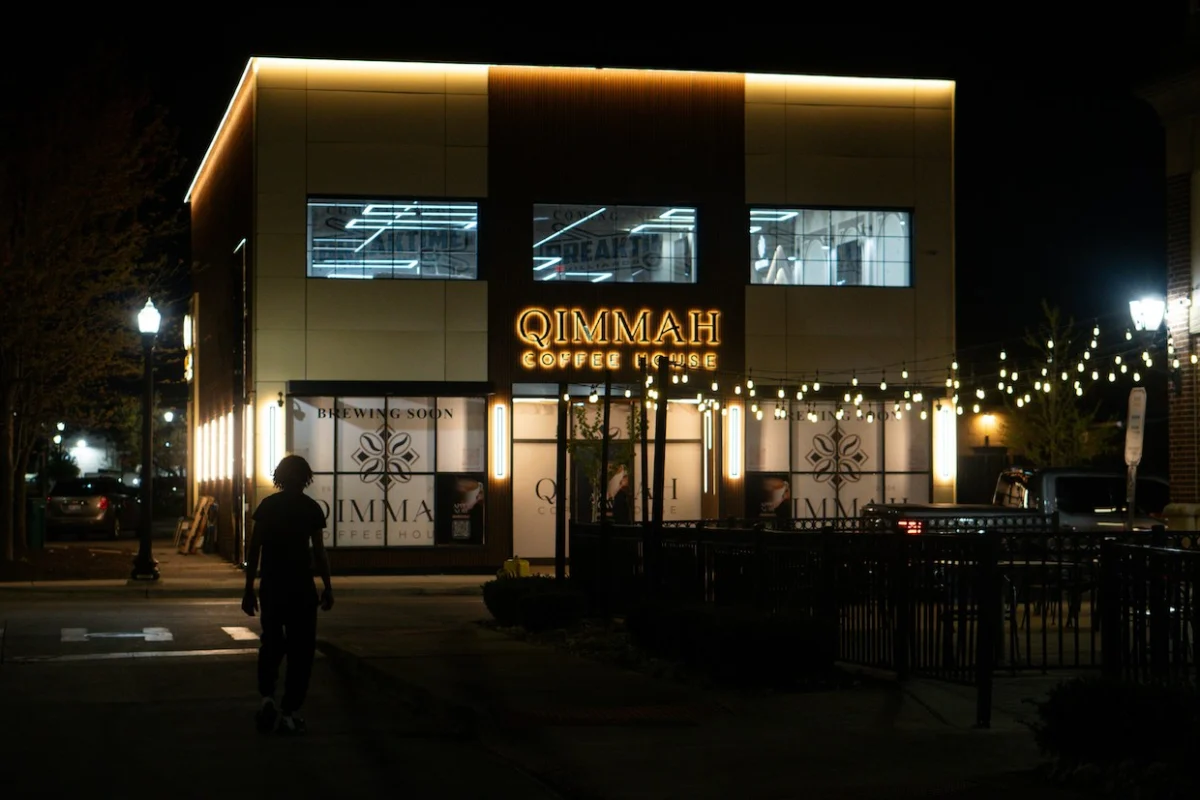
Dearborn, Michigan, has officially been recognized as the "Coffee Capital of America," a declaration by Mayor Abdullah Hammoud in November 2025 that highlights the burgeoning influence and cultural significance of Yemeni coffeehouses. This designation is more than a mere accolade; it signifies the profound impact these establishments, deeply rooted in Yemen’s rich coffee heritage, are having on the American culinary and social landscape. Yemen, the birthplace of coffee as a brewed beverage, is seeing its ancient traditions revitalized and celebrated through these modern-day havens, which are rapidly expanding from their Michigan base to communities across the nation.
The Ascent of Yemeni Coffeehouses: A Cultural Phenomenon
The rise of Yemeni coffeehouses is a testament to the enduring power of cultural heritage and entrepreneurial spirit. At the forefront of this movement are three prominent Dearborn-based businesses: Qahwah House, Qamaria Coffee, and Haraz Coffee House. Collectively, these enterprises have established an impressive network of 121 stores spanning 14 states, including significant presences in Ohio, Illinois, Texas, Maryland, Virginia, and Tennessee. This rapid expansion underscores a growing national appetite for authentic Yemeni coffee culture.
The phenomenon is not confined to Michigan. In Brooklyn, New York, the burgeoning influence of these establishments was even marked by a significant personal milestone for public figures. Mayor Zohran Mamdani and his wife, Rama Duwaji, shared their first date at a Qahwah House location in Brooklyn in 2021, a testament to the growing social appeal and accessibility of these unique coffee spaces, which now number 27 offshoots of the original.
A Historical Echo: From Early Immigrant Enclaves to Modern Third Spaces
The current wave of Yemeni coffeehouses echoes a historical precedent set by earlier Arab immigrant communities in Michigan. In the early 20th century, small coffeehouses in Detroit served as vital social hubs for male immigrants from what are now Lebanon and Syria. These spaces offered a sanctuary where they could connect with fellow migrants, converse in their native Arabic, and exchange news from their homeland. More importantly, these early establishments facilitated the dissemination of information regarding work and housing opportunities, fostering a sense of community and mutual support. The culinary landscape was also enriched, with familiar dishes like kibbee and bamiyah being prepared and shared, further strengthening the bonds of these nascent communities. In some instances, these coffeehouses transcended social gatherings, becoming venues for interfaith harmony, where Muslims and Christians would congregate to worship or celebrate religious holidays together.
These early coffeehouses were instrumental in shaping Arab community enclaves in cities like Detroit and Dearborn. Often characterized as male-only, smoke-filled environments, they laid the groundwork for the development of a robust social infrastructure. Churches, mosques, restaurants, nightclubs, and civic organizations frequently emerged from the social networks forged over cups of strong coffee. Throughout the 20th century, immigrants from Iraq, Lebanon, and Yemen continued this tradition, establishing coffeehouses that, even today, serve as vital meeting points for recent refugees and immigrants from Yemen, Iraq, and Syria.
Contemporary Yemeni cafes, however, have evolved to embrace a broader demographic. Unlike their predecessors, these modern establishments are inclusive of both men and women, and they consciously eschew smoking and hookah. The absence of alcohol further solidifies their status as halal, or permissible for Muslims, creating an environment that is welcoming to a diverse clientele. These cafes function as essential "third spaces"—neutral, accessible locations outside the home and workplace where individuals can connect, socialize, and build community.
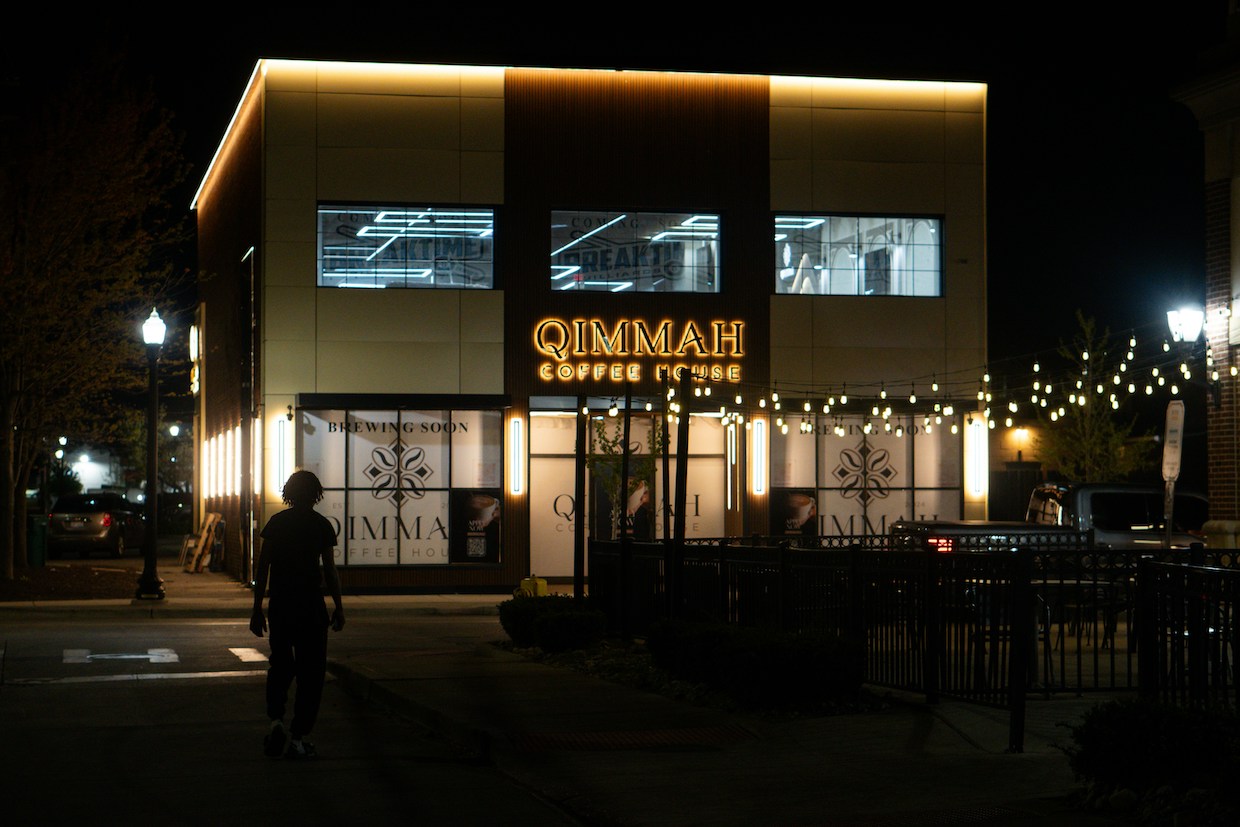
In Arab enclaves like Dearborn, these spaces offer a nuanced social dynamic, allowing men and women to interact either separately or together, alleviating the pressure on individual households to host frequent gatherings. A particularly noteworthy development in Dearborn is the incorporation of prayer spaces within some coffeehouses. Proprietors have noted that by offering discreet back rooms for prayer, they encourage customers to remain on-site, fostering continued patronage and reinforcing the coffeehouse as an integral part of the community’s daily life. As one proprietor explained, "We would rather our customers pray here than leave the premises for a mosque. Here, they are likely to buy a second cup of coffee once they are finished, and one for the friends who pray alongside them."
A Harvest of Flavors and Fellowship: The Sensory Experience
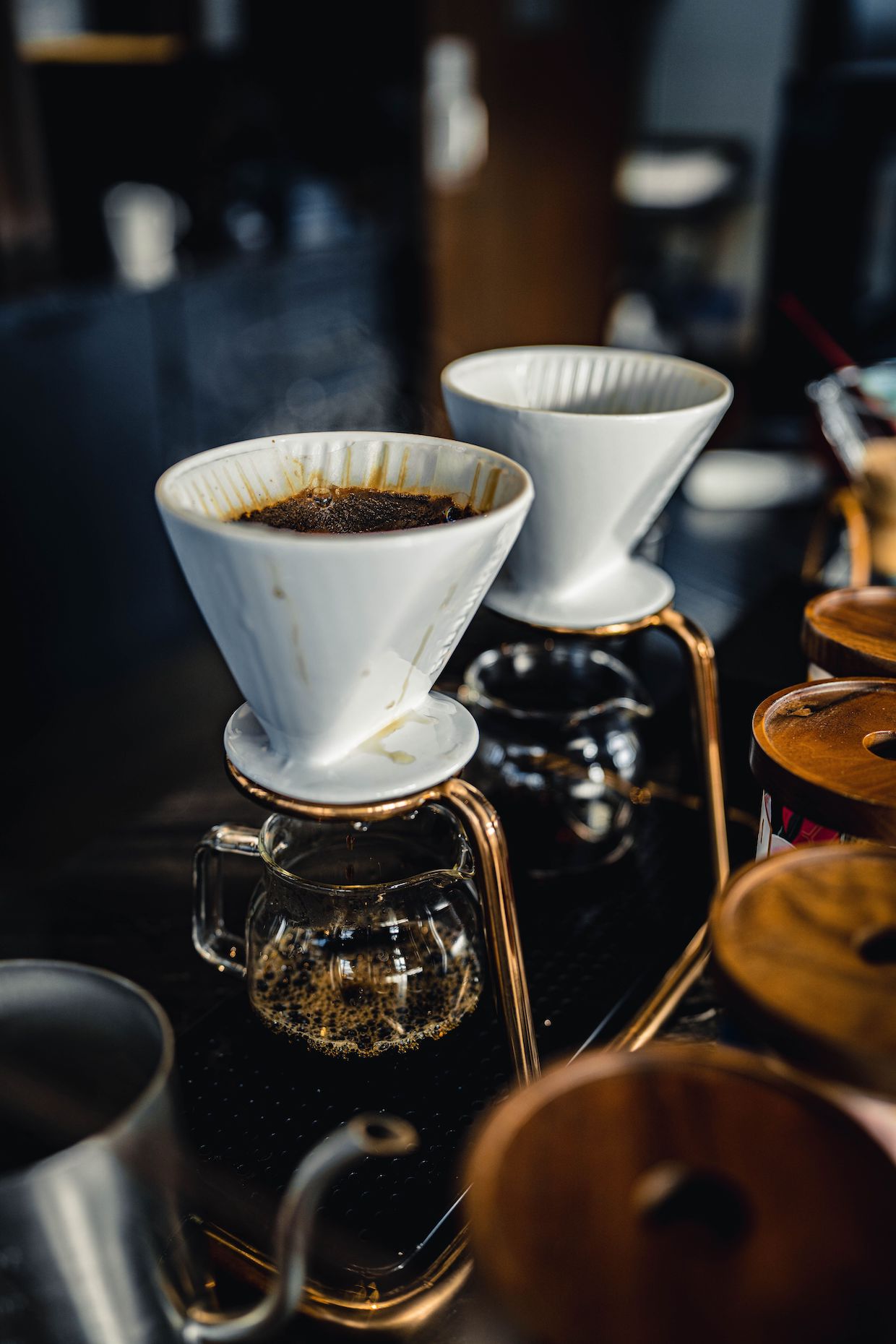
The modern Yemeni coffeehouse experience is a rich tapestry of distinctive flavors, aromas, and aesthetics. The coffee itself is a sensory journey, brewed with traditional infusions of cardamom, ginger, cloves, nutmeg, cinnamon, or qishr, a unique preparation made from coffee husks. These meticulously crafted beverages are served in delicate finjans (small glass cups without handles), elegant half-size demitasses, and, of course, in convenient takeout cups for those on the go.
Complementing the coffee is a delectable array of pastries, some familiar favorites like baklava and tiramisu, alongside Yemeni specialties. Sabaya, a buttery, flaky pastry drizzled with honey, and khaliat al-nahl, a cheese-filled Yemeni honeycomb bread, offer unique tastes that are captivating new audiences. The appeal of these cafes extends beyond their culinary offerings; patrons are drawn to their serene ambiance, attentive service, the high quality of their beverages, and their distinctive décor, which often serves as a visual narrative of Yemeni culture and heritage.
Qahwah House, for instance, adorns its cafes with evocative photographs of the Yemeni countryside, highlighting the regions where coffee is cultivated and the intricate processes involved in its production. Maps of Yemen, traditional coffee pots symbolizing hospitality, and artifacts related to coffee’s shipping and production further enrich the immersive experience.
Haraz Coffee House, which opened its inaugural location in Dearborn in 2021, presents a more sophisticated aesthetic. Its design features a prominent honeycomb motif, a subtle nod to Yemen’s diverse honey varieties and the shape of the khaliat al-nahl dessert. Arabic calligraphy, conveying messages of hospitality and sociability, is artfully integrated with arabesque patterns, all rendered in a striking gold finish that contrasts beautifully with the clean white walls and warm, earthy wood tones of the furnishings.
Adding to the unique ambiance, some Michigan coffeehouses incorporate Yemeni diwan-style sectional couches, upholstered in vibrant brocades and adorned with numerous rectangular pillows that double as armrests. More contemporary establishments are embracing what is referred to locally as the "Dubai" or "luxury" style, characterized by elegant interiors that subtly reference Yemeni culture through the coffee and sweets served, and through the exemplary hospitality demonstrated by the staff.
Visionaries Behind the Modern Coffeehouse
The resurgence of Yemeni coffee in the American market is largely attributed to the vision and dedication of entrepreneurs with deep ties to Yemen’s coffee-growing heritage. Mokhtar Alkhanshali, a Yemeni American whose family has cultivated coffee for generations, is a pivotal figure in this movement. His journey, chronicled in Dave Eggers’ book "The Monk of Mokha," saw him travel to the Yemeni countryside in 2013. His mission was to identify the finest coffee beans and to establish efficient methods for their harvesting and distribution. Through his efforts, farming cooperatives were formed, ensuring a consistent supply of high-quality coffee for export.
In 2016, Alkhanshali launched the Port of Mokha company, making his exceptional Yemeni coffee available at high-end establishments like Blue Bottle Coffee cafes in San Francisco. The quality of his offerings garnered significant recognition, with one of his single-origin coffees receiving an outstanding score of 96 out of 100 from Coffee Review, a respected coffee industry publication, in 2021.
Alkhanshali is not alone in his commitment to sharing Yemen’s coffee legacy. Ibrahim Alhasbani, whose family boasts an eight-generation history in coffee farming and marketing, founded Qahwah House in Dearborn in 2017. Alhasbani’s cafes prioritize high-quality beans and highlight the unique Yemeni traditions of preparing and consuming tea and coffee, often enjoyed in small cups from a communal pot shared among friends and family. For Alhasbani, these coffeehouses are more than just businesses; they are vehicles for sharing the rich narrative of Yemen itself. "It’s not just a drink," Alhasbani emphasized. "It’s history. It’s culture. It’s who we are."
Yemeni Communities Establish Roots in the United States
The entrepreneurial endeavors of Alkhanshali and Alhasbani emerged against the backdrop of a devastating civil war and humanitarian crisis in Yemen, which began in 2014 and continues to this day. Alhasbani himself relocated to the United States as a direct consequence of the conflict.
Yemenis in the United States continue to navigate a challenging geopolitical landscape. The U.S. has implemented restrictions on the entry of Yemeni nationals, and the Temporary Protected Status (TPS) for those already in the country faces ongoing threats of suspension.
Despite these significant hurdles, the Yemeni community in Michigan has experienced remarkable growth in recent years. Today, it represents the largest single Middle Eastern demographic group in Detroit and Hamtramck, with a substantial presence also established in Dearborn. As Yemeni coffeehouses gain national attention and go viral, they offer Americans an invaluable opportunity to experience and appreciate Yemen’s profound history and vibrant culture. These establishments also serve as a powerful reflection of the evolving demographics within Arab communities in Michigan, mirroring their increasing affluence and growing influence in the broader societal and political spheres. The "Coffee Capital of America" designation for Dearborn is thus a recognition of not only a thriving culinary trend but also of the enduring strength, resilience, and cultural contributions of the Yemeni diaspora.
