

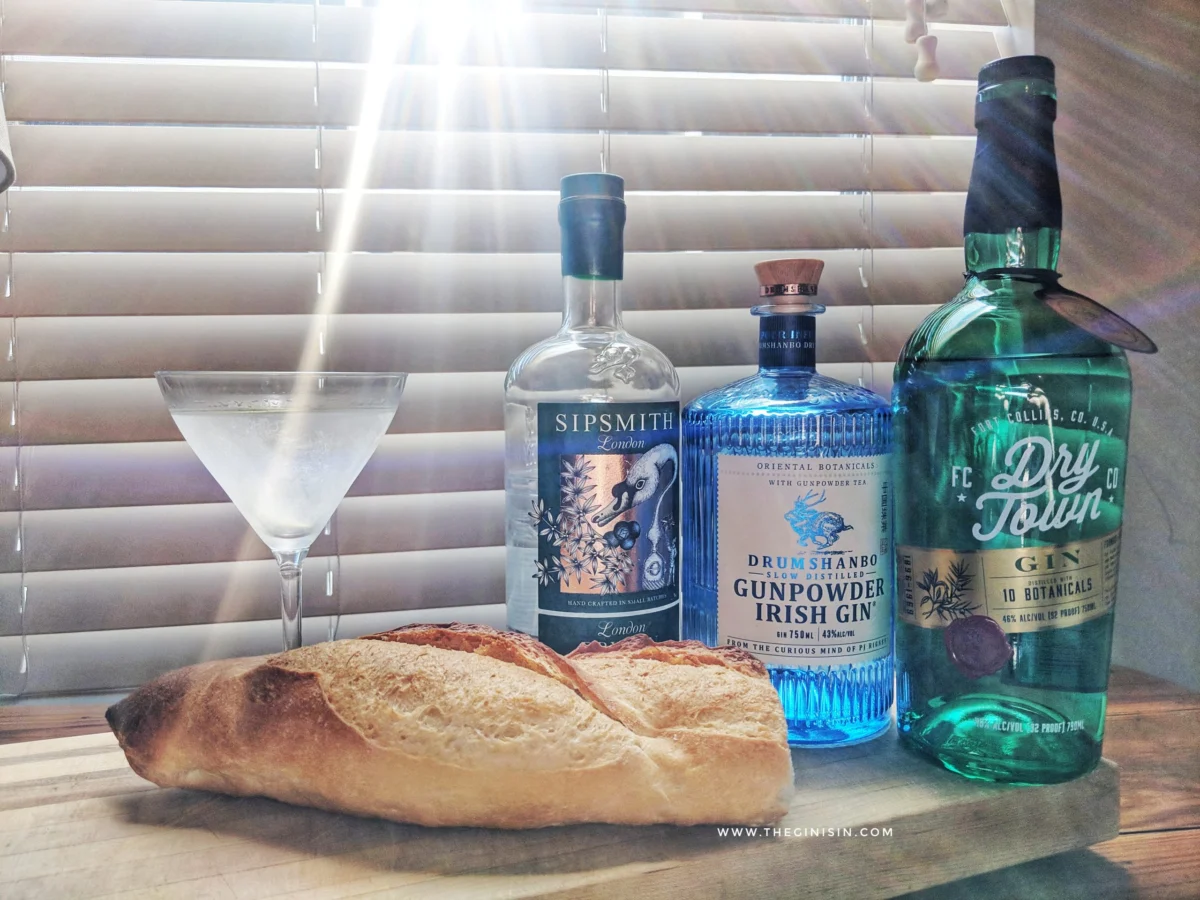
The question of whether gin contains gluten remains a point of significant confusion for consumers navigating celiac disease and non-celiac gluten sensitivity, yet the scientific consensus among medical professionals and distillation experts is definitive: pure, distilled gin is gluten-free. Despite the fact that many premium gins are crafted from base grains such as wheat, barley, or rye—all of which contain the gluten protein—the physical process of distillation ensures that the final spirit is safe for those who must avoid gluten. This conclusion is supported by the Celiac Disease Foundation and international food safety regulatory bodies, which maintain that the distillation process effectively removes gluten peptides from the resulting liquid.
The Fundamental Science of Distillation and Gluten Removal
To understand why gin is gluten-free, one must examine the molecular mechanics of the distillation process. Gluten is a complex of proteins found in certain grains. Proteins are large, heavy molecules with high boiling points. In contrast, ethanol (alcohol) and the aromatic compounds that provide gin with its flavor profile are much smaller and more volatile, meaning they evaporate at significantly lower temperatures.
During the production of gin, a fermented "wash" containing grain sugars is heated in a still. As the temperature rises, the ethanol and volatile aromatic compounds transition into a gaseous state (vapor). These vapors rise through the neck of the still, leaving behind the heavy solids, sugars, and proteins—including gluten—in the boiling vessel. The vapor is then cooled in a condenser, returning it to a liquid state. Because gluten cannot transition into a gas under the conditions present in a distillery, it is physically impossible for the protein to "carry over" into the distillate.
The Celiac Disease Foundation clarifies this in their official dietary guidelines, stating that distilled products do not contain harmful gluten peptides, even if manufactured from gluten-containing grains. Research indicates that the gluten peptide is too large to be carried over in the steam during the distillation process, leaving the resulting liquid entirely gluten-free.
The Chronology of Gin Production: From Grain to Glass
The lifecycle of gin production involves several distinct phases, each of which reinforces the separation of the gluten protein from the final consumable spirit.
- Mashing and Fermentation: The process begins with the selection of a base agricultural product. While some gins use grapes, potatoes, or corn, many traditional distillers prefer Red Winter Wheat, malted barley, or rye for the specific mouthfeel and subtle sweetness they provide. These grains are crushed and soaked in water to create a "mash." Yeast is added to convert the sugars into ethanol and carbon dioxide. At this stage, the liquid (the wash) contains significant amounts of gluten.
- Primary Distillation: The wash is placed in a still and heated. The goal of this stage is to separate the alcohol from the water and grain solids. As the alcohol evaporates and re-condenses, it becomes a "base spirit." The leftover grain solids, often referred to as "spent grain" or "still residue," contain all the original gluten.
- Botanical Infusion (Secondary Distillation): To be classified as gin, the spirit must be flavored with juniper berries and other botanicals. This is typically done through a second distillation. The base spirit is placed back into a still with a mixture of herbs, spices, and fruits. The heat again vaporizes the alcohol, which now picks up the essential oils and aromatic molecules of the botanicals.
- Condensation and Collection: The flavored vapor is cooled back into a liquid. This final distillate is the gin. Throughout both distillation cycles, the gluten proteins remain trapped in the pot of the still, never reaching the condenser.
Data and Regulatory Standards for Gluten-Free Spirits
The regulatory landscape has evolved to reflect this scientific reality. In the United States, the Alcohol and Tobacco Tax and Trade Bureau (TTB), which regulates the labeling of distilled spirits, historically maintained strict rules regarding "gluten-free" claims. However, following advancements in testing and a better understanding of distillation, the TTB updated its policy.
In 2020, the TTB ruled that distilled spirits produced from gluten-containing grains may be labeled as "gluten-free" provided the distillation process removes the gluten. This alignment with the FDA’s labeling standards for fermented foods was a landmark moment for the spirits industry, acknowledging that the chemical process of distillation is a foolproof method of purification.
Data from the University of Chicago Celiac Disease Center supports this, noting that while fermented beverages like beer (which are not distilled) pose a high risk, distilled spirits are categorized as "low risk" to "no risk" for gluten contamination. The molecular weight of a gluten protein is approximately 35,000 to 50,000 Daltons, whereas ethanol is a mere 46 Daltons. The massive disparity in molecular size explains why the heavy gluten protein cannot be lifted by the light ethanol vapors.
Addressing Consumer Confusion: The "Grain Taste" and Stomach Irritation
A common source of skepticism among gluten-sensitive consumers is the presence of grain-like flavors in certain gins. If the gluten is gone, why does the spirit still taste of wheat or rye?
The answer lies in volatile aromatic molecules. While gluten is a non-volatile protein, the grains also contain esters, terpenes, and other small molecules that contribute to the flavor profile. These molecules have low boiling points and are successfully carried over during distillation. Therefore, a consumer can enjoy the "nutty" or "bready" notes of a wheat-based gin without consuming the wheat protein itself.
Furthermore, many individuals report "gluten-like" symptoms after consuming gin, leading to the false conclusion that the spirit contained gluten. Medical experts point out that alcohol itself is a known gastrointestinal irritant. Alcohol can increase stomach acid production, slow down the digestive process, and cause inflammation of the stomach lining (gastritis). For those with sensitive systems, these symptoms—bloating, nausea, and abdominal discomfort—are often indistinguishable from a gluten reaction, but they are caused by the ethanol, not by gluten contamination.
Official Responses and Expert Consensus
Medical professionals specializing in gastroenterology emphasize that for the vast majority of celiac patients, gin is entirely safe. Dr. Alessio Fasano, a world-renowned expert on celiac disease, has consistently supported the safety of distilled spirits. The consensus among the American College of Gastroenterology is that the distillation process provides a "clean break" from the source material.
Distillers have also responded to the growing demand for transparency. While traditionalists continue to use wheat and barley, a new wave of "inherently gluten-free" gins has entered the market. These are spirits distilled from non-grain sources such as:
- Potatoes (e.g., Chase Gin)
- Grapes (e.g., G’Vine)
- Apples (e.g., Williams Elegant Gin)
- Sugar Cane or Honey
While these products offer an extra layer of psychological comfort for the consumer, distillers maintain that their grain-based counterparts are equally free of gluten. The primary risk for gluten-sensitive individuals is not the gin itself, but potential cross-contamination after distillation—such as adding gluten-containing flavorings or syrups in a cocktail, or using shared equipment in a facility that also processes non-distilled grain products (like beer).
Broader Impact and Market Implications
The global gluten-free market is projected to continue its rapid growth, influenced not only by those with medical diagnoses but also by "lifestyle" consumers who perceive gluten-free products as healthier. This trend has forced the spirits industry to become more vocal about the science of their craft.
For the gin industry, the "gluten-free" status is a significant marketing asset. As consumers move away from beer—which requires specialized "gluten-removed" processes that often compromise flavor—gin stands out as a naturally safe alternative that retains its traditional artisanal quality.
The educational burden remains on both the producer and the medical community to debunk the persistent myth that "made from grain" equals "contains gluten." As distillation technology becomes more refined and testing methods more sensitive, the evidence only grows stronger: the heat of the still is an absolute barrier to the gluten protein.
Conclusion
In the landscape of modern dietary restrictions, gin represents a rare instance where traditional production methods naturally align with the strictest safety requirements. The physical transformation of liquid to gas and back to liquid acts as a molecular filter, ensuring that the final product is chemically distinct from its grain origins. For the millions of people worldwide managing gluten-related disorders, the science is clear: gin is a safe, gluten-free spirit. Consumers are encouraged to focus on the quality of the botanicals and the integrity of the distillation process, rather than fearing the base grain, as they explore the diverse and complex world of gin.
