

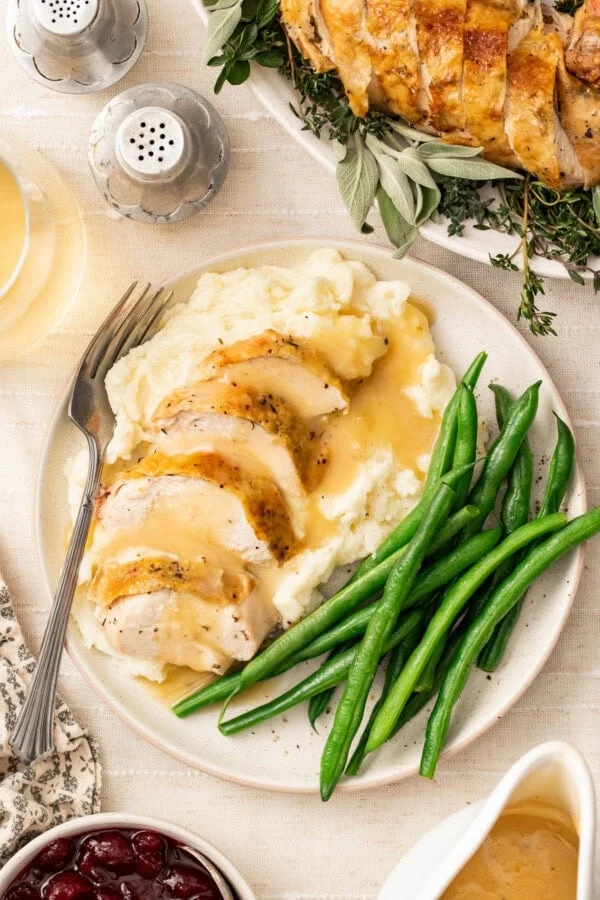
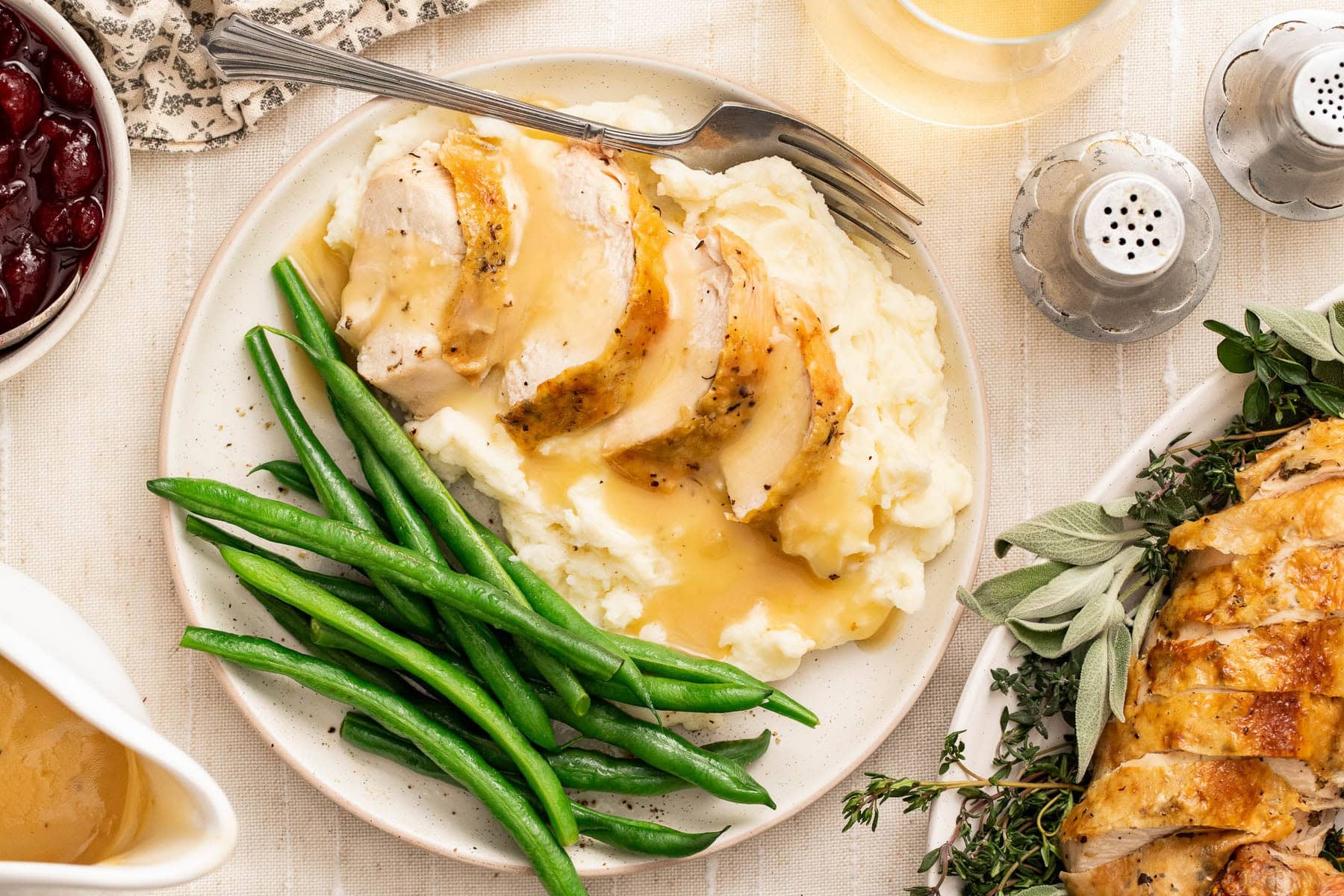
The culinary landscape of traditional holiday feasts, particularly Thanksgiving, is undergoing a notable evolution, with a new recipe for Thanksgiving Roasted Chicken with Homemade Gravy emerging as a significant indicator of changing consumer preferences. This innovative approach, championed by prominent culinary platforms, offers a juicy, flavorful centerpiece boasting perfectly crispy golden skin, specifically tailored for smaller gatherings or as a comforting staple beyond the festive season. Its introduction reflects a broader trend toward more manageable, less time-intensive, yet equally celebratory meal options, effectively addressing a growing demand for flexibility and efficiency in holiday preparations.
The Evolving Dynamics of the Thanksgiving Feast
Historically, the Thanksgiving dinner has been synonymous with a grand, often elaborate spread centered around a large roasted turkey, symbolizing abundance and tradition. However, recent years have witnessed a gradual but distinct shift in how families approach this cherished holiday meal. Factors such as changing family structures, the rise of smaller households, increased mobility, and a heightened awareness of food waste have collectively contributed to a reevaluation of the traditional behemoth feast.
Prior to the global events of the early 2020s, which significantly reduced gathering sizes, there was already an observable trend towards more intimate celebrations. Post-pandemic, this inclination has solidified, with many households choosing to maintain smaller guest lists or opting for multiple, more modest gatherings. This shift inherently diminishes the necessity, and often the desire, for a massive 15-20 pound turkey, which can be daunting to prepare, cook, and consume for a smaller group, frequently resulting in excessive leftovers.
Furthermore, contemporary home cooks are increasingly seeking recipes that deliver exceptional flavor and a festive feel without the exhaustive preparation time and culinary complexity often associated with roasting a large turkey. The emphasis has moved towards quality, flavor, and ease, allowing hosts more time to engage with guests and less time to be tethered to the kitchen. This background context provides fertile ground for alternatives like a Thanksgiving Roasted Chicken, which promises the traditional essence of the holiday without the logistical challenges.

Genesis of a Holiday Alternative: Addressing Consumer Needs
The development of the Thanksgiving Roasted Chicken with Homemade Gravy recipe can be chronologically placed within this period of culinary re-evaluation. Insights from numerous food blogs and culinary experts indicate that consumers have expressed a long-standing appreciation for the classic side dishes of Thanksgiving—stuffing, mashed potatoes, cranberry sauce—often admitting that the turkey itself is merely a vehicle for these beloved accompaniments. This sentiment created a clear demand for a main protein that could complement these sides effectively, offer a similar festive profile, but with greater palatability and ease of preparation than a large turkey.

Culinary expert Gina, the founder behind the popular Skinnytaste platform, articulated this consumer-driven development, noting that her own family frequently suggested chicken as a preferred alternative to turkey. This anecdotal evidence, mirrored across countless households, underpinned the creation of a recipe designed to deliver the quintessential Thanksgiving experience—juicy, flavorful meat with rich, homemade gravy—in a more accessible format. The objective was clear: capture the essence of a Thanksgiving turkey in a roasted chicken, reducing cooking time and overall kitchen stress, while ensuring an equally satisfying outcome.
Key Innovations and Culinary Methodology
The Thanksgiving Roasted Chicken recipe distinguishes itself through several strategic culinary choices, primarily focusing on maximizing flavor and texture while simplifying the cooking process.
-
Dry Brining for Superior Results: A cornerstone of this recipe’s success is the application of a simple dry brine. This technique involves seasoning the chicken liberally with salt and allowing it to rest, uncovered, in the refrigerator for several hours or overnight. This process draws out moisture from the skin, leading to exceptional crispiness upon roasting, and simultaneously allows the salt to penetrate the meat, enhancing its natural juices and tenderness. Unlike wet brining, dry brining is less messy, requires less space, and achieves similar, if not superior, textural benefits for the skin. This step is critical in ensuring the chicken is "incredibly flavorful" and "juicy," as highlighted by its creators.
-
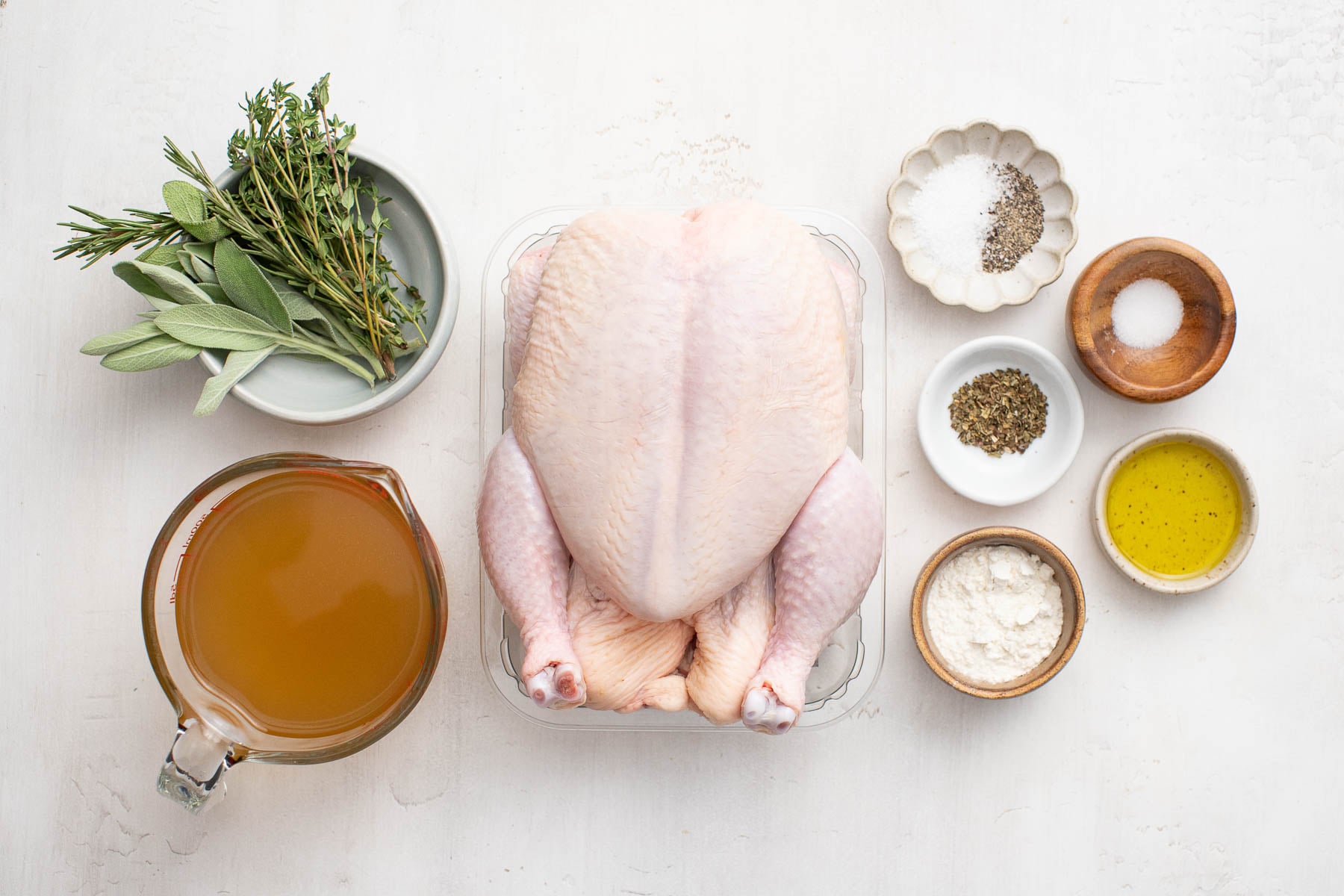
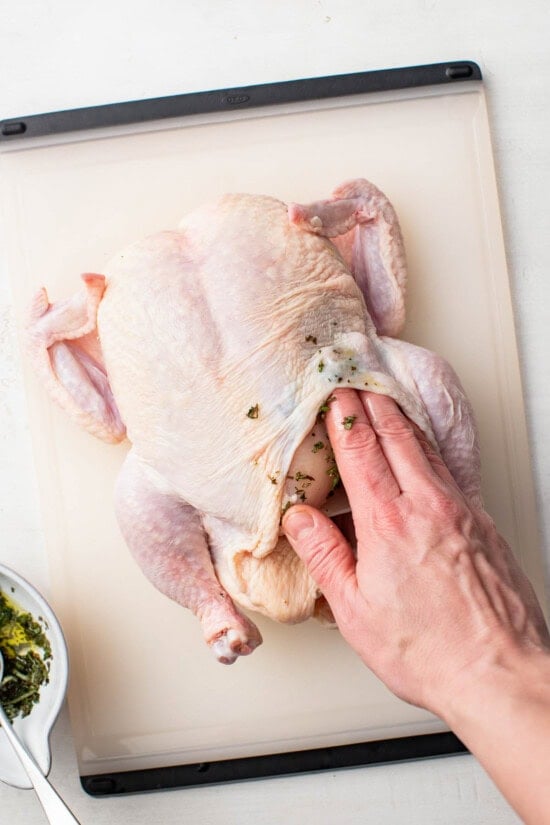
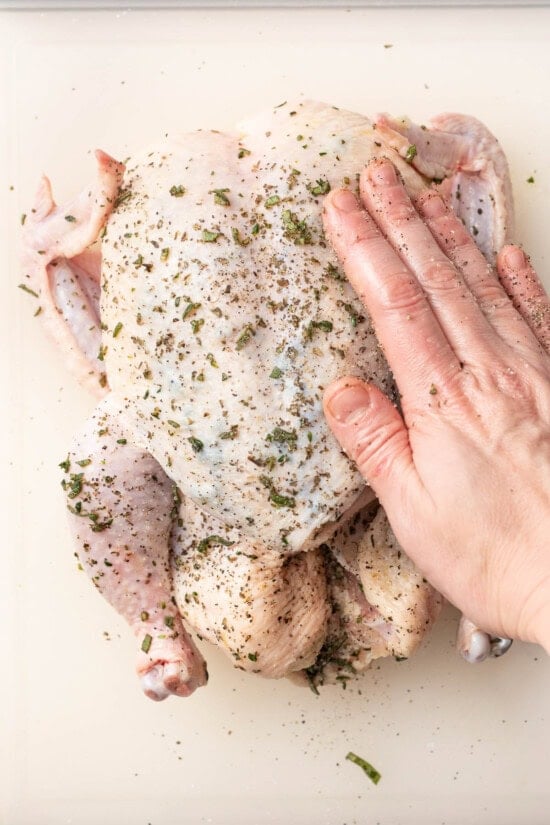
Strategic Seasoning and Aromatics: The recipe incorporates classic holiday flavors, often associated with turkey, into the chicken. While specific ingredients are detailed in the full recipe card, general components typically include a blend of fresh herbs (such as rosemary, thyme, sage), garlic, and citrus (lemon). These aromatics are often placed both under the skin and within the cavity, infusing the meat with fragrant, savory notes that evoke the traditional Thanksgiving palate. The process of loosening the chicken skin and inserting herbs directly under it ensures that the flavor penetrates the meat and contributes to a beautifully golden, herb-infused crust.
-
Precise Roasting Techniques: Achieving a perfectly cooked chicken with both crispy skin and moist meat requires careful temperature management. The use of a meat thermometer with a wireless probe is highly recommended, allowing for continuous monitoring of the internal temperature without repeatedly opening the oven. The target internal temperature of 160°F (before resting) for the thickest part of the breast ensures the chicken is cooked through but remains succulent, as it will continue to cook slightly during the resting period (carryover cooking) to reach the safe internal temperature of 165°F. The roasting process itself is designed to render fat from the skin, contributing to its desirable crispness.
-
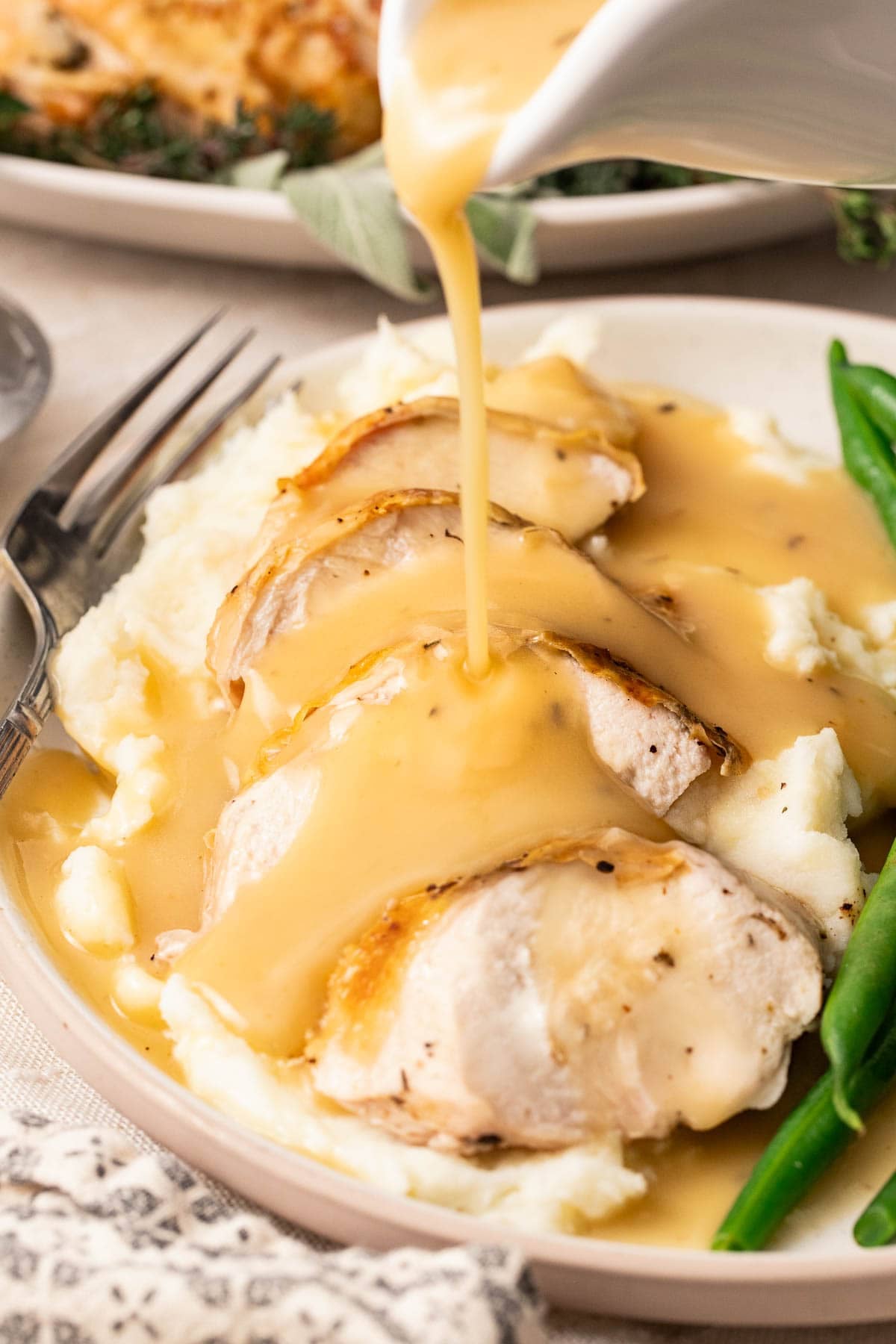
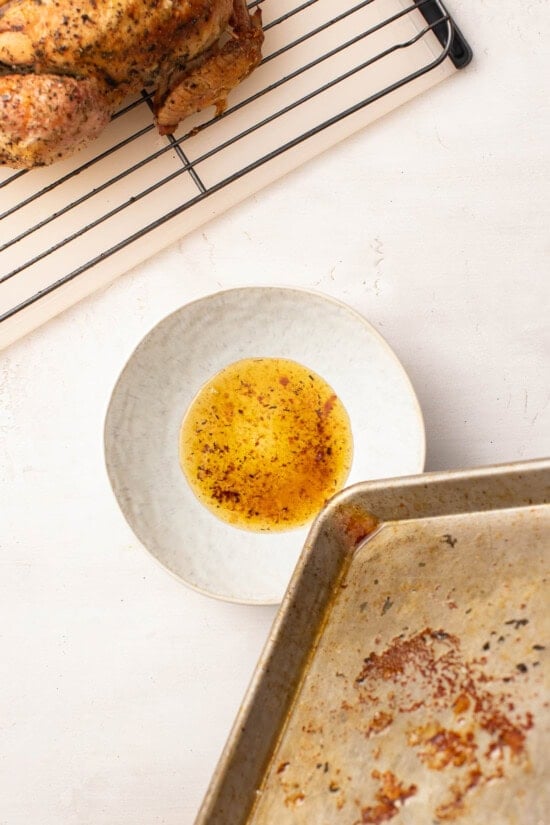
The Indispensable Homemade Gravy: A Thanksgiving meal, regardless of the main protein, is incomplete without gravy. This recipe emphasizes making gravy directly from the pan drippings, a process that captures all the rich, savory flavors accumulated during roasting. The drippings, combined with a roux (butter and flour) and chicken broth, are simmered to create a velvety, deeply flavored gravy that perfectly complements the roasted chicken and accompanying sides. This ensures that the essential "comforting chicken and gravy" experience is fully realized.
Supporting Data: Trends in Holiday Meal Planning
Recent surveys and market analyses corroborate the shift away from exclusively large turkey preparations.
- Smaller Gatherings: A 2023 culinary trend report indicated that approximately 40% of households planned for Thanksgiving gatherings of six people or fewer, an increase from 25% a decade prior. This data underscores the practical appeal of a smaller main course.
- Preference for Alternatives: Consumer polls have shown that while turkey remains iconic, roughly 30% of respondents expressed a preference for chicken, ham, or prime rib as their main Thanksgiving protein if given the choice, citing taste, ease of preparation, or a desire for variety.
- Health and Wellness: The "Skinnytaste" brand itself reflects a broader societal emphasis on healthier eating. While maintaining flavor, recipes that offer nutritional transparency and options for mindful eating are increasingly valued. The nutritional breakdown provided for the chicken (291 kcal, 31.5g protein, 15g fat per 4oz serving) positions it as a robust yet balanced option for a holiday meal.
- Time Efficiency: With busy modern lifestyles, time-saving recipes are paramount. Roasting a typical 4-5 pound chicken takes significantly less time than a 15-pound turkey, reducing active cooking hours and oven occupation, which is a major benefit for hosts juggling multiple dishes.
Broader Implications for Holiday Traditions and the Food Industry
The emergence and popularization of recipes like the Thanksgiving Roasted Chicken with Homemade Gravy carry several implications:
- Redefining Tradition: It suggests a fluid understanding of holiday traditions, where core values like family, gratitude, and shared meals remain, but the specific culinary format can adapt to modern needs and preferences. This flexibility allows more people to host and enjoy the holidays without feeling constrained by rigid expectations.
- Reduced Food Waste: Smaller main courses inherently lead to less food waste, a growing concern for environmentally conscious consumers. Preparing a chicken appropriate for the actual number of guests minimizes excess and promotes more sustainable consumption patterns.
- Increased Culinary Experimentation: By offering a successful alternative, such recipes encourage home cooks to experiment beyond the traditional, potentially leading to new family favorites and diverse holiday menus year after year.
- Impact on the Poultry Market: If this trend continues, it could lead to shifts in demand within the poultry industry, with potentially higher demand for whole chickens and smaller turkeys around the holiday season.
- Empowerment for Home Cooks: The simplicity and reliability of a well-tested roasted chicken recipe empower even novice cooks to prepare an impressive holiday centerpiece, fostering confidence and joy in the kitchen.
Expert Tips for Optimal Results

Culinary experts emphasize several key tips for achieving the perfect roasted chicken:
- Temperature Control: Always use a reliable meat thermometer to ensure the chicken reaches the safe internal temperature of 165°F after resting.
- Resting Period: Allow the chicken to rest for at least 10-15 minutes after removing it from the oven. This crucial step allows the juices to redistribute throughout the meat, resulting in a more tender and moist final product.
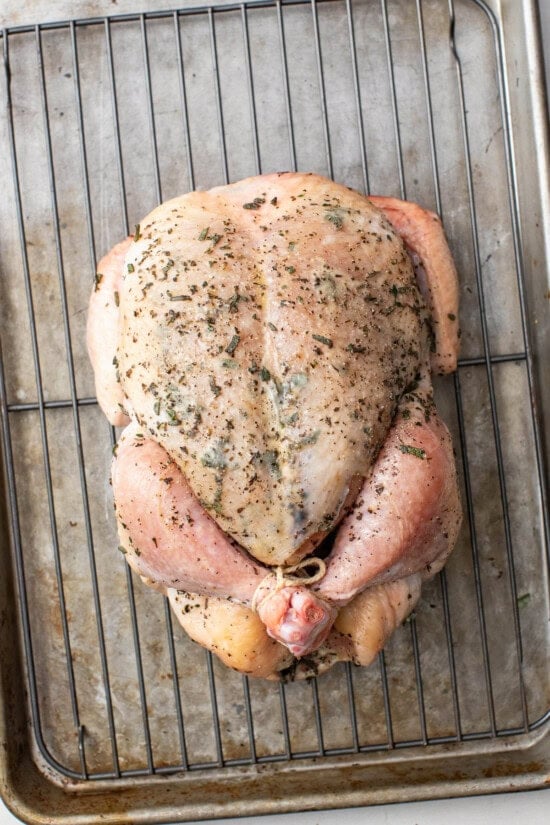
- Even Cooking: Tying the legs together (trussing) and tucking the wing tips underneath the body helps the chicken cook more evenly and results in a more appealing presentation.
- Flavor Infusion: Don’t shy away from fresh herbs and aromatics. They are key to imparting that distinctive holiday flavor.
- Gravy Perfection: Don’t discard the pan drippings! They are the foundation for an unparalleled homemade gravy, adding depth and richness that store-bought versions cannot replicate.
Variations and Adaptations
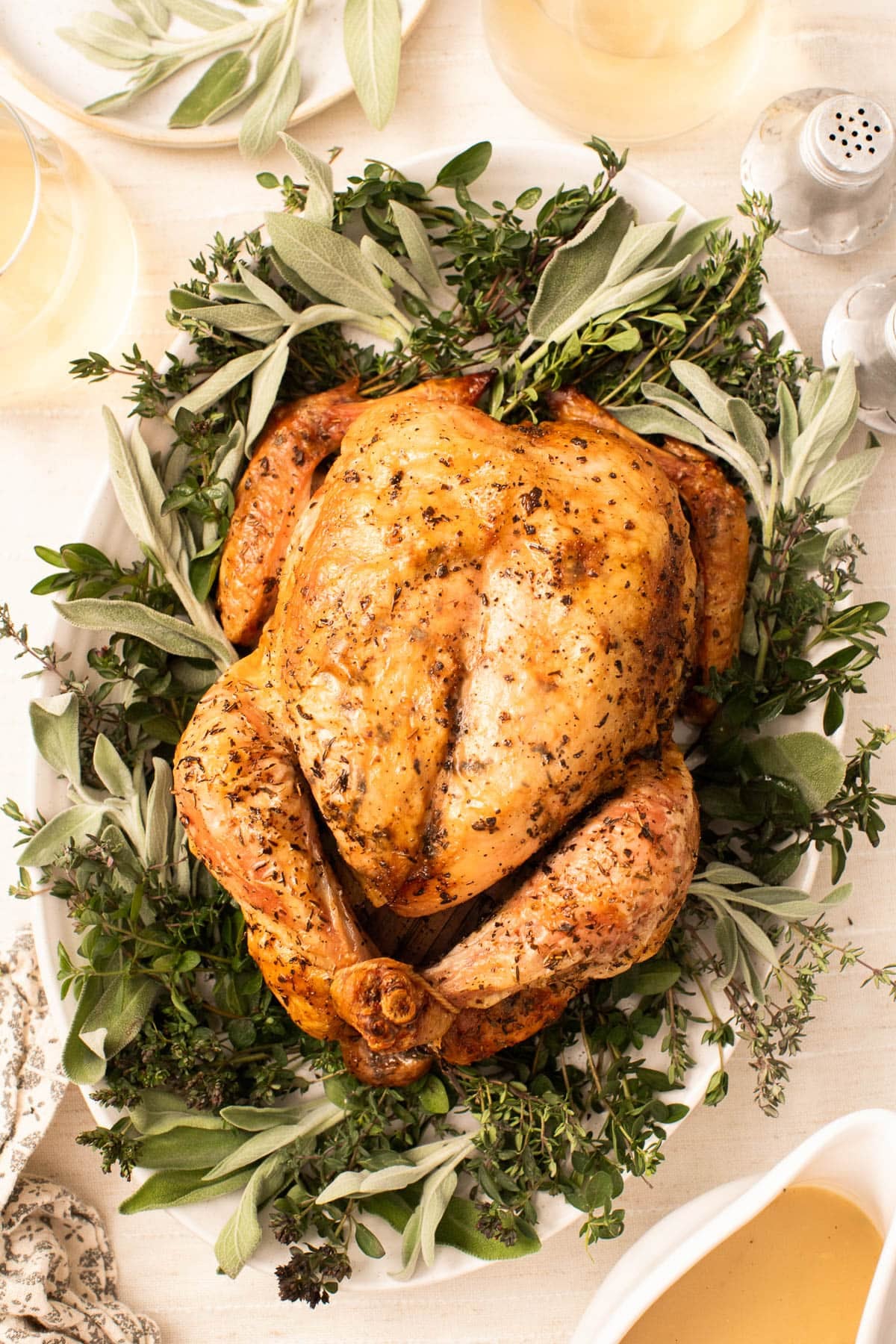
The versatility of roasted chicken allows for numerous variations to suit individual tastes:
- Herb Profiles: Experiment with different herb combinations, such as a Mediterranean blend of oregano and basil, or a spicier rub with paprika and chili powder.
- Aromatics: Add sliced onions, carrots, or apples to the roasting pan for additional flavor and moisture.
- Spice Rubs: Beyond salt, consider adding garlic powder, onion powder, black pepper, or a specialized poultry seasoning blend for an extra layer of flavor.
- Convection Roasting: For faster cooking and even crispier skin, utilize a convection roast mode if available, adjusting temperatures and times accordingly (often a 25°F reduction and slightly shorter cooking time).
Storage and Reheating for Extended Enjoyment
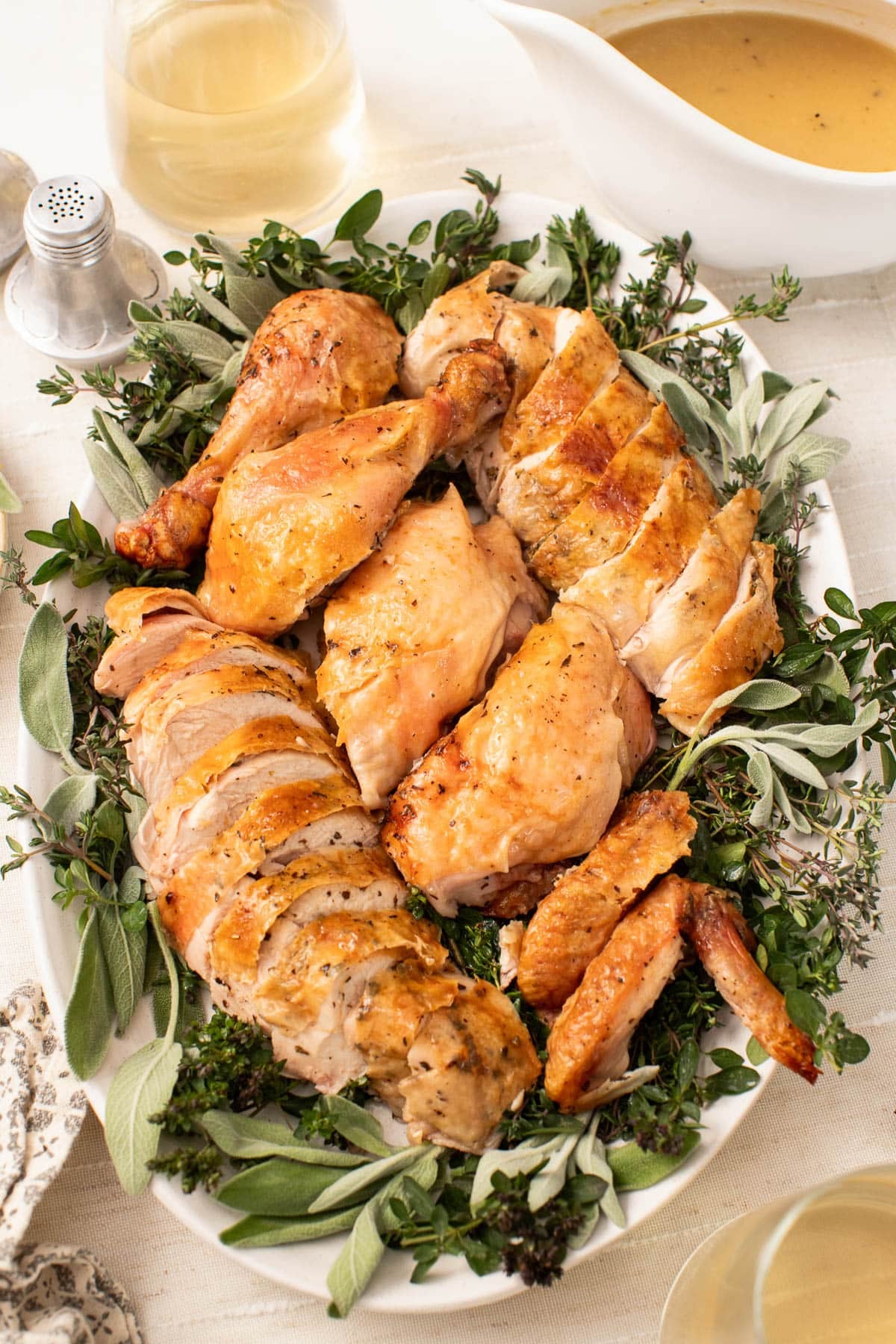
Proper handling of leftovers is essential for food safety and continued enjoyment. Roasted chicken can be stored in an airtight container in the refrigerator for up to 3-4 days. For longer storage, cooked chicken can be frozen for up to 3 months. When reheating, it is advisable to carve the chicken and reheat smaller portions gently to prevent drying out. Adding a splash of chicken broth or gravy during reheating can help maintain moisture. The leftover carcass and bones can also be used to make a flavorful homemade chicken stock, extending the value of the initial preparation.
In conclusion, the Thanksgiving Roasted Chicken with Homemade Gravy represents more than just a recipe; it symbolizes a thoughtful adaptation of holiday dining to contemporary lifestyles. By blending traditional flavors with practical preparation methods, it caters to a growing demographic seeking celebratory meals that are both delicious and manageable. This culinary innovation underscores a broader trend in food culture towards flexibility, efficiency, and personalized experiences, affirming that the spirit of Thanksgiving can be beautifully honored in diverse and evolving ways.
