

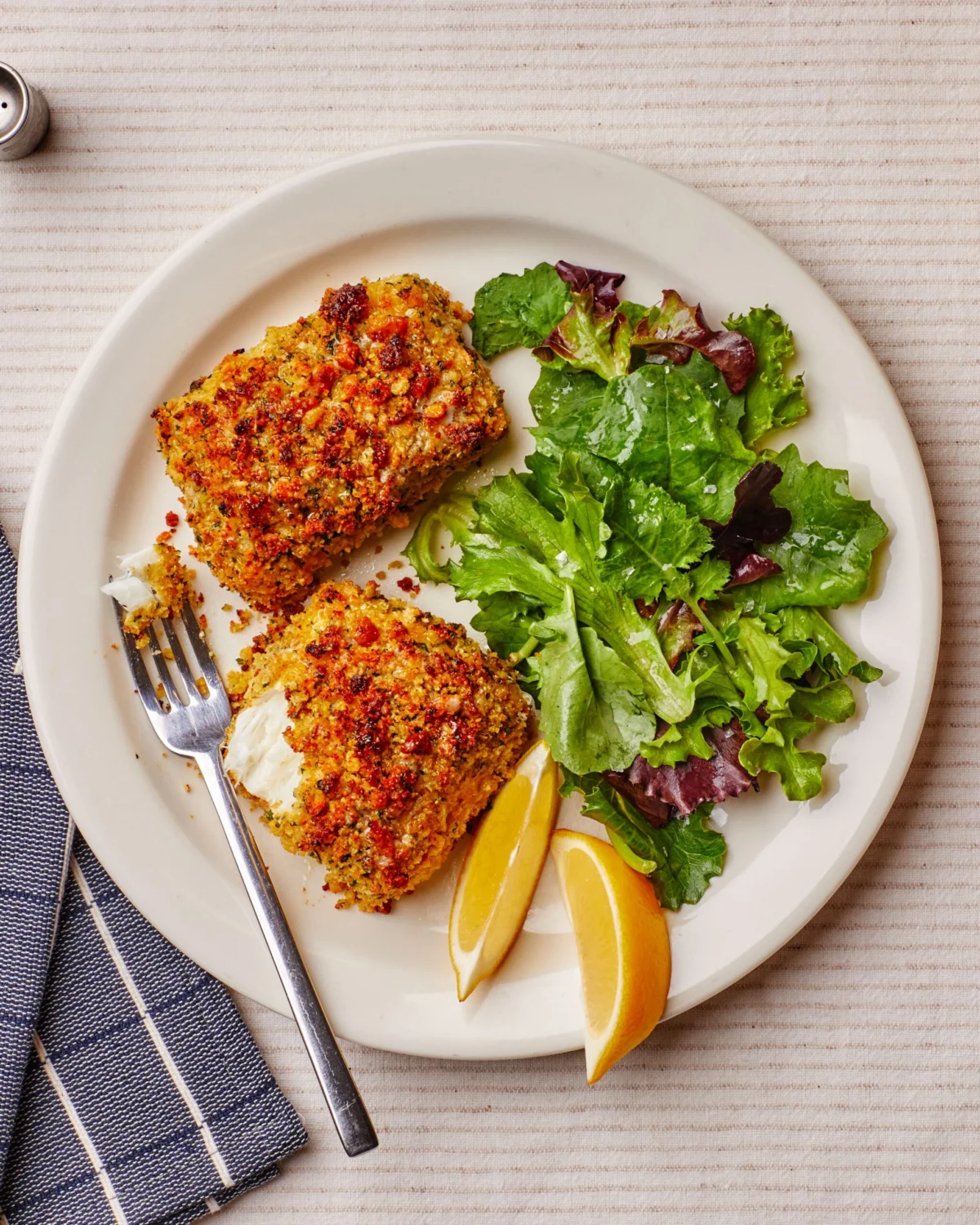
As autumn deepens and the stark reality of shorter days and the pervasive November chill settles across many regions, a discernible shift in culinary preferences is actively observed among consumers. This seasonal transition invariably precipitates a collective inclination towards meals that offer warmth, satiety, and a profound sense of comfort. Culinary institutions and food media outlets, acutely attuned to these evolving consumer desires, are increasingly highlighting recipes designed to meet this demand, emphasizing dishes that are both deeply satisfying and remarkably straightforward to prepare, particularly for weeknight consumption. The trend underscores a broader cultural movement where the act of cooking and dining becomes a deliberate antidote to the encroaching colder months, fostering well-being through familiar flavors and efficient preparation.
The Inevitable Pull of Comfort Food in Late Autumn
The phenomenon of seeking "comfort food" during colder, darker periods is not merely anecdotal but is supported by psychological and physiological factors. As daylight hours diminish, many individuals experience subtle shifts in mood, sometimes leading to seasonal affective disorder (SAD) or general malaise. Foods rich in carbohydrates, fats, and proteins—often hallmarks of traditional comfort dishes—can stimulate the release of neurotransmitters like serotonin, which contribute to feelings of well-being and contentment. This biochemical response, coupled with the nostalgic associations many have with specific dishes from childhood or family traditions, creates a potent drive towards heartier fare.
For instance, the appealing prospect of chicken thighs, slow-cooked or braised to tenderness and nestled into deeply caramelized onions, exemplifies this seasonal craving. The process of caramelization itself, transforming the sharp allium into a sweet, jammy complement, speaks to a desire for depth of flavor and a comforting, enveloping richness. Similarly, pasta dishes slicked with nutty brown butter evoke a sense of warmth and indulgence, while robust, simmering soups promise internal warmth and nourishment. These are not merely meals; they are culinary anchors against the biting cold, embodying a collective retreat into culinary familiarity.
Efficiency Meets Indulgence: The Weeknight Imperative
A significant dimension of the current comfort food trend, as highlighted by leading culinary publications such as Bon Appétit, is the emphasis on accessibility and speed. In an era where modern lifestyles often leave limited time for elaborate meal preparation during the week, consumers are actively seeking recipes that deliver maximum comfort with minimal commitment. This pragmatic approach ensures that the pursuit of cozy dining does not impinge upon valuable leisure time, allowing for activities like a classic movie rewatch, as humorously referenced.
The market response to this demand has been a proliferation of "easy weeknight dinner" collections, frequently featuring 20 to 30 recipes designed for quick preparation without sacrificing flavor or depth. Examples cited, such as a three-ingredient pumpkin soup, underscore the ingenuity in simplifying preparation. This minimalist approach often relies on high-impact ingredients or smart cooking techniques that accelerate the process. For instance, gochujang chicken, utilizing the broiler for a quick, intense burst of heat and flavor, transforms a humble ingredient into a dynamic meal in minutes. Another popular innovation is the smoky one-pan pasta, leveraging pantry staples and a single cooking vessel to minimize cleanup and streamline the cooking process, addressing key pain points for busy home cooks.
Culinary Chronology: The Evolution of Comfort and Convenience
The concept of comfort food has a long and storied history, evolving from basic subsistence meals in agrarian societies to the more sophisticated, yet still deeply satisfying, dishes of today. Historically, cold weather necessitated calorie-dense foods to sustain physical labor and provide warmth. Stews, roasted meats, and hearty grain dishes were staples across cultures, reflecting the availability of seasonal ingredients and the need for sustenance.
In the mid-20th century, with the rise of processed foods and the increasing demands of post-war suburban life, the idea of "convenience food" began to merge with traditional comfort. Casseroles, frozen dinners, and canned soups gained prominence, offering quick solutions for busy families. However, the late 20th and early 21st centuries have seen a pendulum swing back towards fresh, wholesome ingredients, albeit with a persistent demand for ease. This contemporary movement, where culinary experts curate recipes for quick, from-scratch meals, represents a synthesis of historical craving for warmth and modern need for efficiency. The integration of international flavors, like gochujang, into weeknight comfort repertoire also signifies a globalized palate that still values accessibility.
Supporting Data and Market Trends
Industry data consistently reflects heightened consumer interest in home cooking during colder months. Analytics from major recipe websites and food blogs show a significant spike in searches for terms like "stew recipes," "soup recipes," "casseroles," and "roast chicken" between October and February. According to a 2022 report by NielsenIQ, sales of pantry staples such as pasta, canned tomatoes, root vegetables, and cooking oils typically see a 5-10% increase during the fourth quarter compared to the summer months, correlating with increased home meal preparation. Furthermore, sales of slow cookers, Dutch ovens, and other cooking equipment associated with braising and simmering often peak in the lead-up to winter.
A survey conducted by Technomic in late 2022 indicated that approximately 65% of consumers prioritize "comforting" or "hearty" attributes when selecting dinner options during autumn and winter. This demographic preference drives culinary content creation and product development within the food industry. The rise of meal kit services also aligns with this trend, often featuring seasonal, comforting recipes that minimize prep time, appealing directly to the convenience-seeking segment.
Statements and Reactions from Related Parties
"The human desire for warmth and familiarity intensifies as the external environment becomes harsher," states Dr. Eleanor Vance, a food psychologist specializing in consumer behavior. "Comfort food taps into our primal need for security and our learned associations with care and sustenance. It’s a powerful psychological tool for coping with seasonal changes."
Chef Julian Chen, a culinary director at a prominent restaurant group, notes the ongoing evolution in professional kitchens and home cooking. "We’re seeing a push to deconstruct classic comfort dishes and rebuild them with efficiency in mind. It’s about respecting tradition but understanding the modern cook’s constraints. Techniques like broiling for quick charring or maximizing one-pan cooking are not just convenient; they’re smart culinary strategies."
From a retail perspective, Maria Rodriguez, a merchandising manager for a national grocery chain, observes, "We proactively stock up on seasonal produce like squash, root vegetables, and cranberries, knowing the demand will surge. We also ensure our spice aisles are well-supplied with autumnal flavors like sage, rosemary, and cinnamon, as these are integral to the comforting recipes consumers seek."
Broader Impact and Implications
The pervasive trend towards comfort food, especially in its accessible weeknight format, carries several significant implications across various sectors.
Economic Impact: The heightened interest in home cooking translates into a boost for the grocery sector, particularly for producers of staple ingredients, seasonal produce, and convenience-oriented culinary products. It can also influence appliance sales and the market for culinary publications and online recipe platforms. While dining out might see a slight dip during peak home-cooking periods, restaurants often counter this with their own seasonal comfort menus, ensuring a balanced economic impact.
Public Health and Nutrition: While comfort foods can sometimes be associated with higher calorie counts, the emphasis on home preparation allows for greater control over ingredients, portion sizes, and cooking methods. Nutritionists frequently advocate for incorporating wholesome ingredients into comfort dishes, such as lean proteins, fiber-rich vegetables, and whole grains, transforming potentially indulgent meals into balanced, nourishing options. The three-ingredient pumpkin soup, for example, highlights how simplicity can align with nutritional goals.
Cultural Preservation and Innovation: The enduring appeal of comfort food helps preserve traditional culinary practices and recipes, often passed down through generations. Simultaneously, the demand for "easy" versions encourages innovation, leading to creative adaptations that introduce new flavors (like gochujang) or streamlined techniques to classic dishes. The inclusion of "Thanksgiving-adjacent flavors"—sage, stuffing, and squash—in everyday weeknight meals reflects a desire to extend the festive, communal feelings associated with holidays into daily life, blending tradition with modern convenience. This cultural phenomenon allows for a continuous reinvention of culinary heritage.
In conclusion, the late autumn transition into winter heralds a predictable yet profound shift in collective culinary consciousness. The widespread embrace of comfort food, specifically tailored for efficient weeknight preparation, reflects a complex interplay of psychological needs, historical culinary traditions, and the practical demands of contemporary life. As daylight dwindles, the culinary landscape brightens with the promise of warm, satisfying, and accessible meals, providing a tangible source of solace and well-being.
