

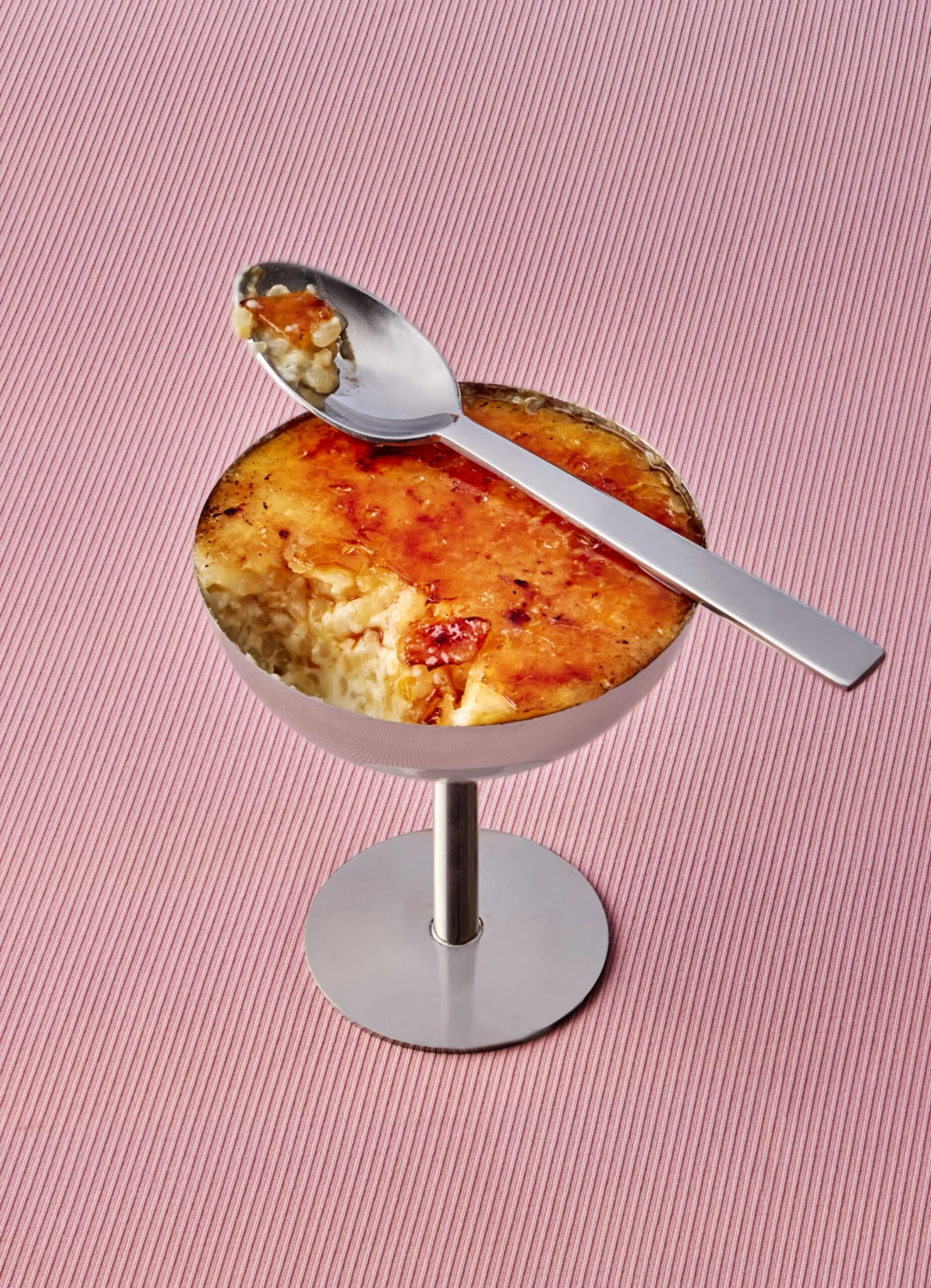
A timeless dessert, rice pudding, known for its creamy texture and comforting essence, is undergoing a sophisticated reimagining in contemporary culinary circles. Rachel Gurjar, a notable culinary contributor, has introduced an elevated version of this beloved dish, infusing traditional South Asian flavors with modern techniques to create a dessert that is both nostalgic and refreshingly new. This particular rendition, a slow-cooked cardamom-scented rice pudding, distinguishes itself with a crackly brûléed top, reminiscent of a classic crème brûlée, and is served alongside a vibrant scoop of mango sorbet, a deliberate nod to the beloved sticky rice and mango pairing. This innovative approach not only celebrates the dish’s rich heritage but also pushes the boundaries of its presentation and flavor profile, reflecting a broader trend in gastronomy towards respectful reinterpretation of classic comfort foods.
The Reimagined Classic: A Fusion of Tradition and Modernity
Gurjar’s recipe exemplifies a growing trend where chefs bridge the gap between deeply rooted culinary traditions and modern gastronomic expectations. The core of her creation remains true to the essence of rice pudding: a slow-cooked blend of rice, milk, and sugar, infused with the aromatic warmth of cardamom. Cardamom, a spice central to South Asian, Middle Eastern, and Nordic cuisines, imparts a distinctive floral and slightly citrusy note, elevating the simple sweetness of the pudding. Historically, rice puddings across various cultures have been garnished with nuts or dried fruits, offering textural contrast and additional layers of flavor. Gurjar’s innovation, however, pivots towards a more dramatic and interactive experience: the brûléed surface. This technique, borrowed from French culinary tradition, involves caramelizing a layer of sugar on the pudding’s surface with a kitchen torch, creating a brittle, glass-like crust that shatters upon impact, revealing the creamy interior beneath. This ‘crème brûlée moment’ transforms the dessert from a mere comfort food into a culinary spectacle. Complementing this textural interplay is the inclusion of mango sorbet. Mango, a fruit deeply cherished across South Asia, provides a bright, tangy counterpoint to the rich, sweet pudding, cutting through its creaminess and adding a refreshing dimension. This pairing also subtly references the popular Southeast Asian dessert of mango sticky rice, skillfully integrating another regional flavor profile into the narrative.
A Deep Dive into Rice Pudding’s Global Heritage
The concept of combining rice, milk, and sweeteners dates back centuries, making rice pudding one of the oldest and most universally adopted desserts. Its presence spans continents, with each culture adapting the basic formula to local ingredients and palates. This global ubiquity speaks to rice pudding’s fundamental appeal as a nourishing and comforting dish, often associated with celebrations, family gatherings, and everyday solace.
-
South Asia’s Beloved Kheer and Its Cousins:
In South Asia, rice pudding is revered under various names, most famously kheer in Hindi and Urdu, payasam in South Indian languages, and phirni in some parts, particularly associated with Persian influences. These versions typically feature rice cooked slowly with milk, sugar, and an array of aromatic spices such as cardamom, saffron, and sometimes rose water. Garnishes often include slivered almonds, pistachios, cashews, and dried fruits like raisins. Kheer holds significant cultural and religious importance, frequently prepared during festivals such as Diwali, Eid, and various regional harvest celebrations. It symbolizes prosperity, sweetness, and communal joy. The subtle variations in preparation—from the thick, creamy kheer of North India to the thinner, often jaggery-sweetened payasam of the South—demonstrate the rich diversity within a single culinary concept. The shared "nostalgic language" mentioned in the recipe notes is a testament to this deep cultural embedding, evoking childhood memories and a sense of belonging across generations. -
Historical Trajectories: From Ancient Grains to Modern Delights:
The origins of rice pudding can be traced back to ancient times when rice was first cultivated and combined with dairy. Early versions might have been more akin to savory porridges, gradually evolving into sweetened desserts. Historical records suggest rice-based puddings were consumed in ancient Persia and the Middle East, eventually traveling westward through trade routes. Medieval European cookbooks contain recipes for rice pottages, often sweetened and spiced, indicating its widespread adoption. Over centuries, as sugar became more accessible and culinary techniques advanced, rice pudding transformed from a staple into a celebratory dessert. The 16th and 17th centuries saw its popularization in European royal courts, often made with expensive spices like saffron and cinnamon. The 19th and 20th centuries witnessed its integration into everyday home cooking, particularly in Britain and the United States, where it became a classic comfort food, often baked in ovens. This long and varied chronology underscores the dish’s adaptability and enduring appeal, making it a perfect canvas for modern culinary interpretations.
The Gurjar Twist: A Symphony of Textures and Flavors
Rachel Gurjar’s rendition is not merely a recipe; it is a thoughtful exploration of how traditional dishes can be elevated through strategic innovation. Her method respects the fundamental principles of slow cooking and aromatic seasoning while introducing elements that speak to a contemporary palate and aesthetic.
-
The Crackle and the Cream: A Brûléed Revelation:
The decision to brûlée the top of the rice pudding is perhaps the most striking innovation. This technique, typically associated with crème brûlée, transforms the dessert experience. The contrast between the crisp, caramelized sugar crust and the silky, warm pudding beneath creates a delightful textural interplay. This moment of cracking the sugar layer is not just a sensory pleasure but also adds a sophisticated visual appeal, elevating the humble rice pudding to a restaurant-quality dessert. From a technical standpoint, achieving a perfect brûlée requires careful attention, highlighting the importance of a kitchen blowtorch for even caramelization. Gurjar’s practical note about skipping the brûlée if a torch is unavailable ensures accessibility while implicitly encouraging home cooks to experiment with new tools. -
Mango Sorbet: A Bright Counterpoint:
The accompanying scoop of mango sorbet is a stroke of genius, serving multiple purposes. Flavor-wise, the tart and sweet notes of mango provide a refreshing contrast to the rich, milky pudding. It cleanses the palate, preventing the dessert from becoming overly heavy. Culturally, mango is inextricably linked with South Asian cuisine, where it is often referred to as the "king of fruits." Its inclusion grounds the dessert firmly within its South Asian roots while offering a modern, global appeal. Furthermore, the combination of a creamy rice base with mango evokes the flavors of mango sticky rice, a beloved dessert from Southeast Asia, subtly expanding the culinary geography of the dish. This conscious pairing demonstrates Gurjar’s deep understanding of flavor profiles and cultural connections, transforming a simple garnish into an integral component of the dessert’s identity.
Culinary Craftsmanship and Practical Considerations
Gurjar’s recipe, while innovative, also emphasizes the practicalities of home cooking. Her detailed instructions on preparation highlight the nuances often overlooked in simpler recipes. The emphasis on using a nonstick pot and frequent stirring every 4 to 5 minutes is crucial for preventing the rice pudding from sticking and burning, a common pitfall in slow-cooked dairy dishes. This attention to detail ensures a smooth, creamy consistency, which is the hallmark of a well-made rice pudding. Her advice on quickly transferring contents to a new pot if sticking occurs demonstrates a pragmatic approach to troubleshooting, empowering home cooks to recover from potential mishaps. The flexibility offered regarding the brûlée component—allowing it to be skipped if a kitchen torch is unavailable—makes the recipe adaptable to different levels of equipment and skill. Serving suggestions, including garnishing with saffron threads for an added layer of aroma and visual elegance, further enhance the dish’s appeal, catering to both warm and chilled preferences. These practical tips underscore the recipe’s dual nature: sophisticated in concept yet accessible in execution.
The Broader Implications: Innovation, Heritage, and Global Palates
Rachel Gurjar’s innovative rice pudding is more than just a recipe; it is a microcosm of larger trends shaping the global culinary landscape. It speaks to the ongoing dialogue between tradition and innovation, the increasing cross-cultural pollination of food, and the evolving expectations of diners.
-
Expert Perspectives on Culinary Evolution:
Culinary experts and food historians often emphasize the importance of evolving traditional dishes to keep them relevant in a dynamic food scene. Dr. Sanjana Kapoor, a leading food ethnographer, observes, "Dishes like rice pudding, with their deep cultural resonance, provide fertile ground for chefs to explore. Gurjar’s approach is particularly commendable because it doesn’t discard tradition but rather builds upon it, introducing new textures and flavor dynamics that respect the original while appealing to a contemporary palate. This kind of thoughtful innovation ensures the longevity and continued appreciation of heritage recipes." Similarly, prominent food critics frequently laud chefs who manage to strike a delicate balance between preserving the authenticity of a dish and introducing novel elements that enhance its appeal without overshadowing its core identity. This recipe perfectly encapsulates that equilibrium. -
Market Trends and Ingredient Significance:
The elements within Gurjar’s recipe also reflect broader market trends. The global cardamom market, valued at approximately USD 2.8 billion in 2022 and projected to grow, underscores the enduring demand for this aromatic spice, particularly in South Asian and Middle Eastern cuisines. Its inclusion in a globally appealing dessert further bolsters its market presence. Similarly, mango, a fruit with a robust global market, benefits from its increasing integration into diverse culinary applications beyond its traditional consumption. India, as the world’s largest producer of mangoes, plays a significant role in this market. The emphasis on slow-cooked, comforting foods resonates with consumer preferences, especially in an era where nostalgic and wholesome dishes provide a sense of security and indulgence. Data from various food industry analyses consistently shows a strong consumer appetite for comfort foods, particularly those that offer a gourmet twist. The rising popularity of kitchen gadgets like blowtorches also indicates a growing interest among home cooks in experimenting with professional-level techniques, further supporting the accessibility of such innovative recipes.
Conclusion: A Sweet Testament to Culinary Dialogue
Rachel Gurjar’s brûléed cardamom rice pudding with mango sorbet stands as a compelling example of culinary ingenuity. It seamlessly weaves together the comforting familiarity of a deeply traditional South Asian dessert with the sophisticated flair of modern European technique, brightened by the tropical vibrancy of mango. This dish is not just a treat for the palate but also a testament to the ongoing, dynamic dialogue within global gastronomy—a dialogue where heritage is honored, innovation is embraced, and the boundaries of flavor and experience are continually expanded. By offering practical advice alongside her creative vision, Gurjar empowers home cooks to embark on their own culinary journeys, transforming a simple dessert into an extraordinary experience that speaks a universal language of comfort, nostalgia, and delightful surprise. This reimagined rice pudding is poised to inspire both seasoned chefs and home enthusiasts, cementing its place as a significant contribution to contemporary dessert culture.
